
 Save
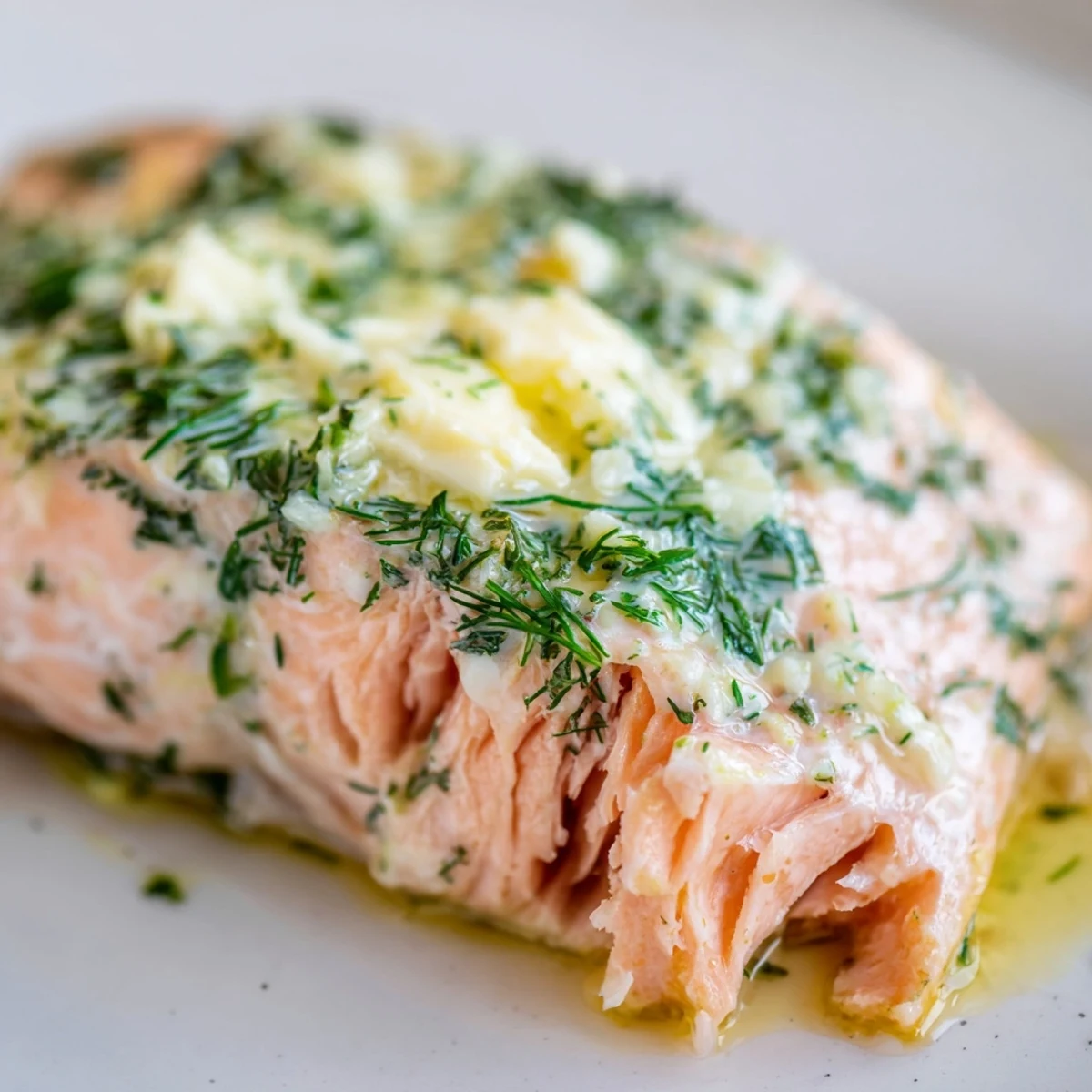
Save This dish features salmon fillets baked to tender perfection, brushed with a zesty garlic butter mixture. A fresh dill sauce made with sour cream, mayonnaise, lemon, and Dijon mustard adds a creamy, tangy contrast. It’s a quick, easy meal combining rich, buttery flavors with bright herb notes, ideal for weeknight dinners or casual entertaining. Simple preparation and vibrant taste make this a versatile and satisfying choice.
I discovered this salmon preparation on a Tuesday evening when my sister called asking what to bring to a dinner party—she wanted something that looked restaurant-worthy but wouldn't tie her to the kitchen all night. I remembered a simple technique my culinary school roommate had shared years ago: let the garlic butter do the heavy lifting while the oven handles the timing. Twenty minutes later, I was texting her the exact proportions because it turned out so perfectly tender and fragrant.
I made this for my dad last summer when he was visiting and mentioned offhand that he'd been eating the same sad desk lunch every day for months. Watching him close his eyes while tasting it—really tasting it—reminded me that sometimes the simplest dishes carry the most weight. He asked for the recipe before dessert.
Ingredients
- Salmon fillets (4, about 6 oz each): Buy them from a counter where they look bright and smell like the ocean, not fishy—that's the difference between good and great.
- Olive oil: A quality one here matters because it's one of the few ingredients doing the seasoning work.
- Salt and pepper: Pat your salmon completely dry first or these won't stick properly, and moisture is the enemy of even cooking.
- Unsalted butter: Melted, it becomes a vehicle for the garlic without overpowering it.
- Garlic cloves: Mince them fine so they distribute evenly and don't char at the edges.
- Fresh lemon juice and zest: The zest adds brightness that bottled juice can't replicate.
- Sour cream and mayonnaise: Together they create a sauce that's rich but not heavy, tangy but not aggressive.
- Fresh dill: Use it fresh or the sauce tastes like disappointment—dried dill has a completely different, dustier personality.
- Dijon mustard: Just enough to add complexity without anyone being able to taste mustard specifically.
Instructions
- Heat your oven and prep your workspace:
- Set the oven to 400°F and line your baking sheet with parchment paper—this small step saves cleanup and prevents sticking. If you don't have parchment, a light spray of nonstick coating works, though parchment handles the moisture better.
- Prepare the salmon for seasoning:
- Pat each fillet dry with paper towels, which sounds fussy but is absolutely essential. Moisture on the surface will steam the fish instead of letting it cook evenly; dry salmon is the difference between silky and rubbery.
- Season with intention:
- Place the fillets on the prepared sheet, drizzle lightly with olive oil, and season both sides with salt and pepper. Taste the mixture you're about to make before spooning it on to make sure the seasoning is balanced.
- Build the garlic butter layer:
- Combine melted butter, minced garlic, lemon juice, and zest in a small bowl, stirring so the garlic distributes evenly. Spoon this mixture generously over each fillet so it settles into the fish and flavors it from the outside in.
- Bake with attention:
- Slide the sheet into the oven and set a timer for 14 minutes—check then, as oven temperatures vary wildly. The salmon is done when it's just opaque inside and flakes slightly when you press it; 145°F on a thermometer is your target, and overdoing it by even two minutes changes the texture.
- Make the sauce while the oven works:
- Mix sour cream, mayonnaise, fresh dill, lemon juice, and Dijon mustard in another small bowl, tasting as you go. A pinch of salt and pepper awakens all the flavors; add these carefully because they're easy to overdo.
- Plate and serve immediately:
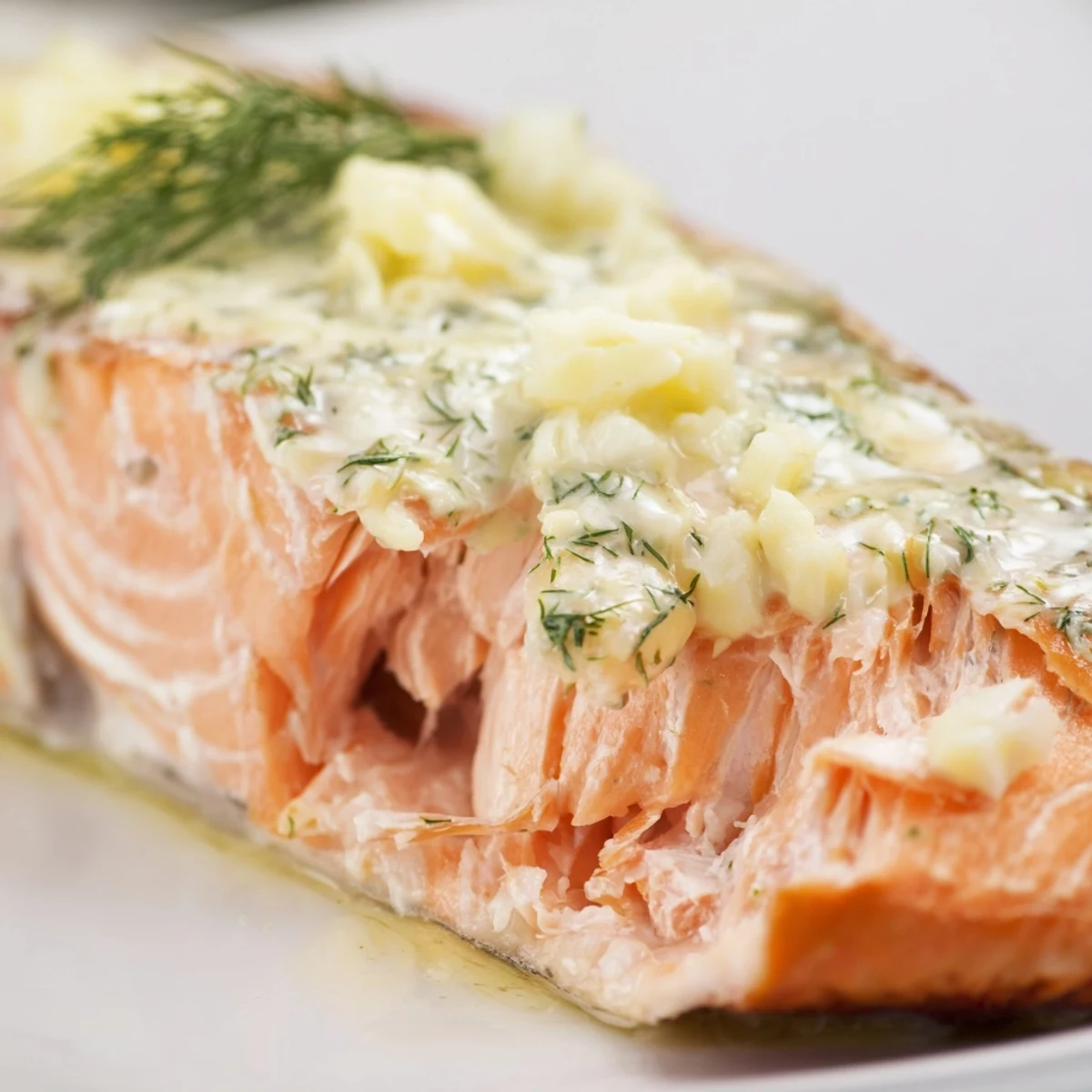
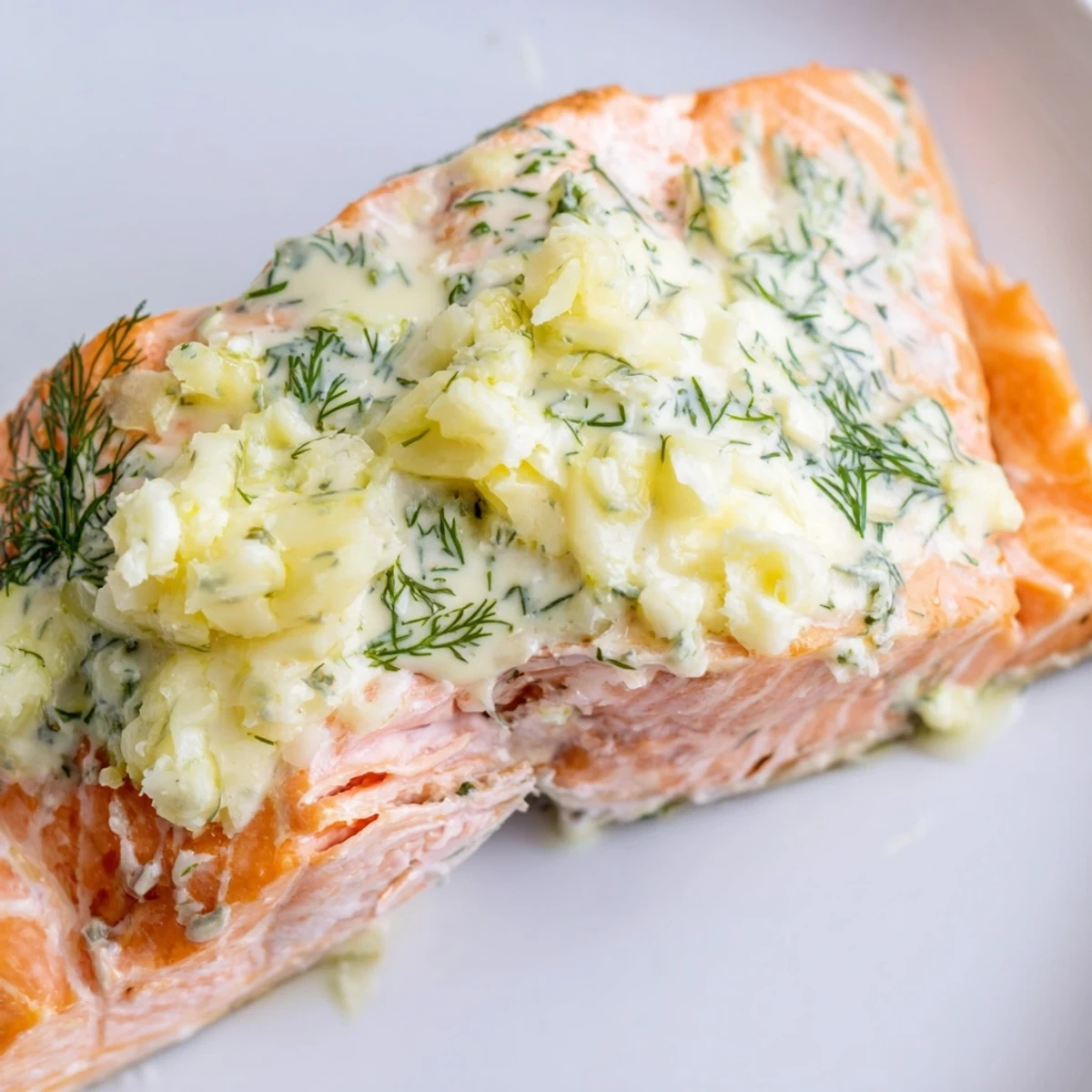
- Transfer each fillet to a plate while it's still hot, and drizzle the dill sauce generously on top. The heat from the salmon slightly warms the sauce, making it silkier and more cohesive.
 Save
Save There's a particular magic to serving something this elegant that required almost no stress from you—my brother-in-law asked if I'd ordered it from somewhere expensive because it looked too polished. That moment, explaining that it took less time than ordering delivery, felt like sharing a small secret.
Why This Works Every Single Time
Salmon is naturally forgiving because its fat content keeps it moist even if your timing is slightly off. The garlic butter acts as both seasoning and insulation, preventing the outside from drying before the inside finishes cooking. The dill sauce adds creaminess and brightness without requiring a pan or any real technique—it's just mixing, which means fewer things that can go wrong.
Building Your Own Variations
Once you understand the basic structure, you can adapt this endlessly depending on what's in your kitchen or what mood you're in. I've made it with tarragon instead of dill, added a whisper of cayenne to the butter, swapped the dill sauce for a simple beurre blanc on nights when I felt slightly fancier. The architecture stays the same; only the decorations change.
Timing and Wine Pairing
Everything comes together in under thirty minutes, which makes this perfect for weeknight entertaining or when you're exhausted but want to eat something that tastes like you tried. A crisp Sauvignon Blanc or Pinot Grigio drinks beautifully alongside it, or if you prefer red wine, a light Pinot Noir won't overwhelm the delicate fish. The beauty of this dish is that it feels impressive without demanding your full attention, leaving you actually present with whoever you're cooking for.
- Prep all ingredients before the oven goes on, since the cook time is so short there's no room for scrambling.
- Serve immediately after plating—the sauce is best when it meets warm fish.
- Leftover salmon is genuinely good cold the next day, though the texture won't match fresh.
 Save
Save This recipe has become my go-to for moments when I want to cook something that matters without exhausting myself in the process. It's the kind of meal that reminds people why they enjoy eating together.
Recipe Questions & Answers
- → How do I know when the salmon is perfectly baked?
-
The salmon is done when it flakes easily with a fork and reaches an internal temperature of 145°F (63°C). Baking for 14–18 minutes usually achieves this.
- → Can I prepare the garlic butter ahead of time?
-
Yes, the garlic butter mixture can be prepared in advance and stored covered in the refrigerator. Ensure it's brought back to room temperature before spreading on the salmon.
- → What can I substitute for sour cream in the dill sauce?
-
Greek yogurt is a great substitute for sour cream, offering a lighter yet creamy texture that pairs well with the dill and lemon flavors.
- → How should I store leftovers safely?
-
Store any leftovers in an airtight container in the refrigerator and consume within 2 days for best freshness and flavor.
- → What side dishes pair well with this salmon?
-
This salmon pairs wonderfully with steamed asparagus, roasted potatoes, or a crisp salad. A glass of Sauvignon Blanc is a recommended accompaniment.