
 Save
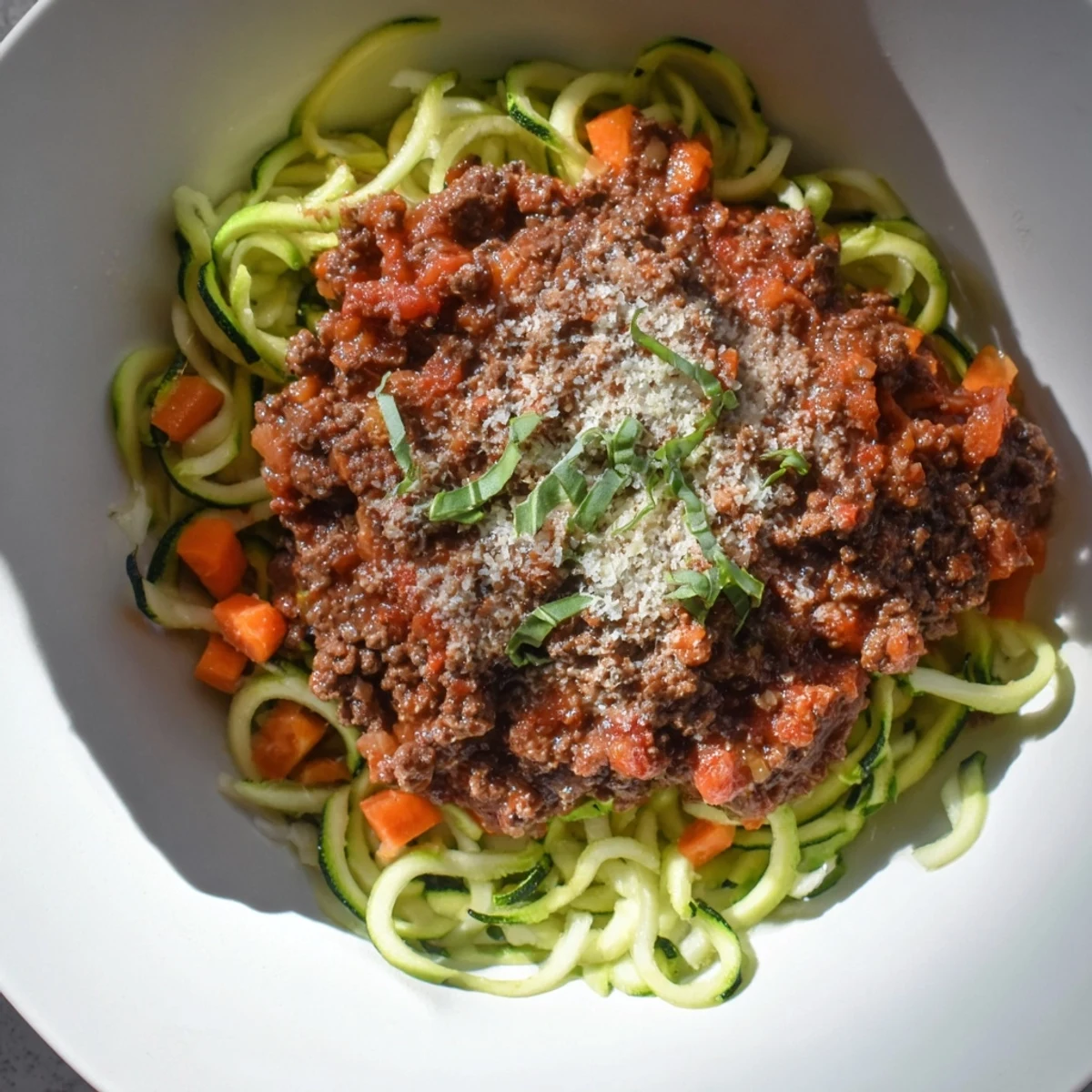
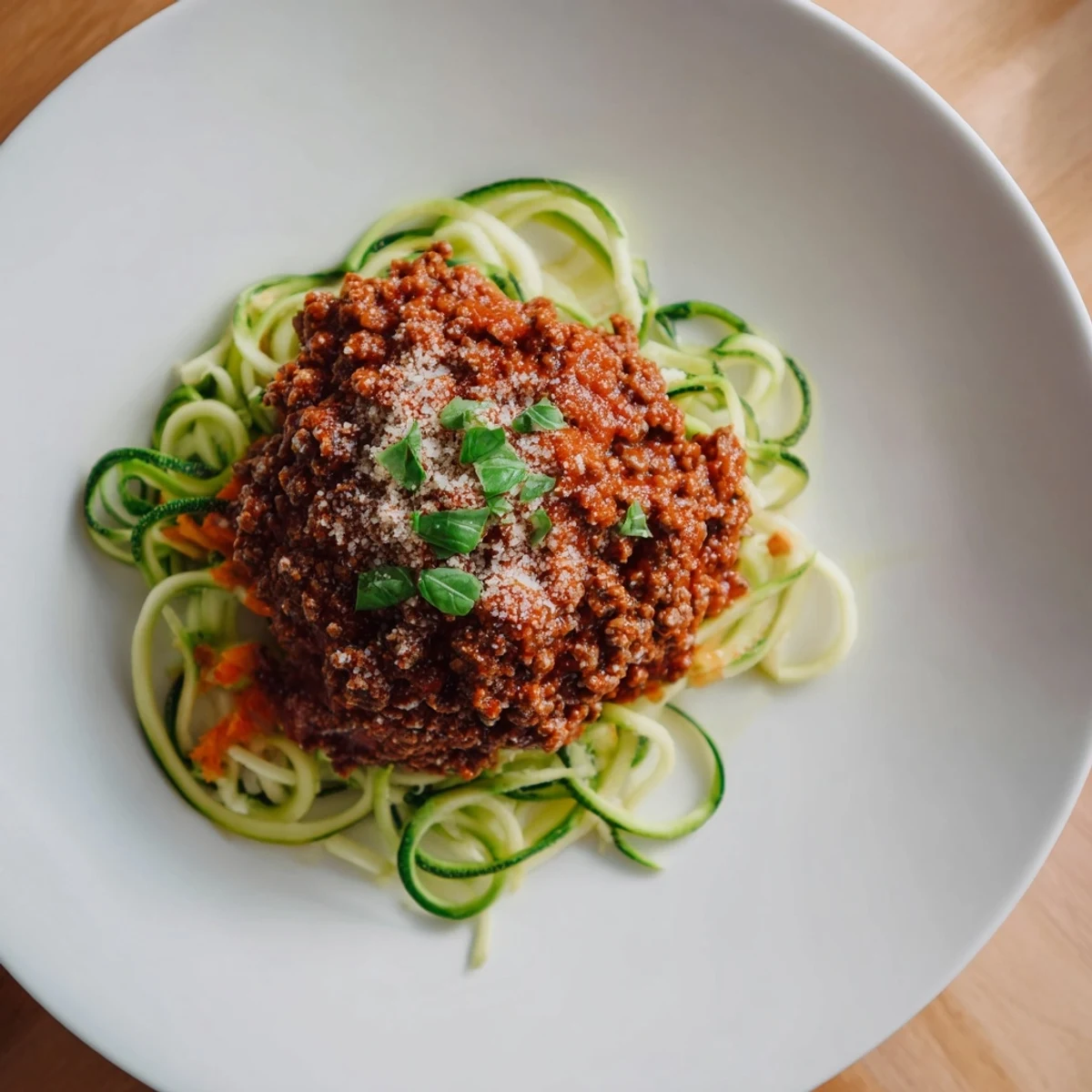
Save This Italian-inspired dish features a savory blend of ground beef simmered with tomatoes, herbs, and vegetables. Served atop spiralized zucchini noodles, it provides a fresh, low-carb alternative to traditional pasta. The sauce is enhanced with garlic, onions, carrots, and a splash of red wine for depth. Garnished with Parmesan and basil, it's perfect for a balanced, flavorful meal in about an hour.
I stumbled onto this version of Bolognese on a Wednesday night when I realized I had spiralized too many zucchini for a salad and needed to use them fast. The rich, slow-simmered beef sauce hit those noodles like they were born for it. No heaviness, no guilt, just deep tomato flavor and tender vegetables in every bite. It became my go-to when I wanted comfort without the carb crash.
The first time I made this for my sister, she didnt even notice the zucchini until halfway through her second bowl. She looked up, fork in hand, and said it tasted like the Bolognese our mom used to make but somehow lighter. That moment told me I had something worth keeping.
Ingredients
- Lean ground beef: The backbone of the sauce, browned until deeply caramelized to build flavor from the bottom up.
- Olive oil: Just enough to start the soffritto without making the sauce greasy.
- Onion: Finely chopped so it melts into the sauce and adds natural sweetness as it cooks down.
- Garlic: Minced fresh, added after the vegetables soften so it doesnt burn and turn bitter.
- Carrots: Diced small to blend into the texture and bring a subtle earthy sweetness.
- Celery: Adds backbone and a quiet herbal note that rounds out the vegetable base.
- Red bell pepper: A non-traditional addition that brings color and a hint of smokiness.
- Zucchini: Spiralized into noodles, they hold their shape when cooked quickly and dont get waterlogged if you time it right.
- Crushed tomatoes: The heart of the sauce, providing body and deep tomato flavor without chunks.
- Tomato paste: Concentrated umami that thickens and intensifies the sauce.
- Dried oregano, basil, thyme: Classic Italian herbs that build layers of warmth and familiarity.
- Crushed red pepper flakes: Optional heat that wakes up the palate without overpowering.
- Bay leaf: Adds a subtle herbal depth during the simmer, then gets pulled out before serving.
- Dry red wine: Deglazes the pan and adds acidity and complexity, but broth works fine if you skip it.
- Beef or vegetable broth: Keeps the sauce from getting too thick and adds savory depth.
- Parmesan cheese: A salty, nutty finish that clings to the noodles and sauce.
- Fresh basil: Bright, aromatic garnish that makes the whole dish smell like summer.
Instructions
- Start the soffritto:
- Heat the olive oil in a large skillet or Dutch oven over medium heat. Add the onion, carrot, celery, and bell pepper, letting them soften and sweeten for about five to seven minutes. The kitchen will start to smell like an Italian grandmothers house.
- Add the garlic:
- Stir in the minced garlic and cook for just one minute until it releases its fragrance. Dont let it brown or itll taste sharp.
- Brown the beef:
- Add the ground beef, breaking it apart with a wooden spoon as it cooks. Let it brown deeply for six to eight minutes, then drain any excess fat if needed.
- Build the sauce:
- Stir in the tomato paste, crushed tomatoes, oregano, basil, thyme, red pepper flakes, salt, and black pepper. Mix everything until the paste is fully incorporated and the color deepens.
- Simmer low and slow:
- Pour in the wine and broth, tuck in the bay leaf, and bring it all to a gentle simmer. Cover partially and let it cook on low heat for twenty-five to thirty minutes, stirring now and then. The sauce will thicken and the flavors will marry.
- Cook the zucchini noodles:
- While the sauce simmers, heat a large skillet over medium-high heat. Toss in the spiralized zucchini and saute for two to four minutes until just tender but still with a bit of bite. Overcooking turns them mushy.
- Finish and taste:
- Pull out the bay leaf and taste the sauce. Adjust salt, pepper, or herbs as needed.
- Serve:
- Divide the zucchini noodles among bowls, spoon the Bolognese over the top, and sprinkle with Parmesan and fresh basil if you like.
 Save
Save One rainy Saturday, I let the sauce simmer for nearly an hour while I cleaned the kitchen and listened to old records. When I finally sat down to eat, the Bolognese had transformed into something deeper, richer, almost velvety. That extra time taught me patience pays off in the pot.
Making It Your Own
You can swap the ground beef for turkey, pork, or even a mix of both for a different flavor profile. I have also used Italian sausage with the casings removed, which adds fennel and extra spice. If you want more vegetables, throw in diced mushrooms or a handful of spinach near the end.
Storage and Reheating
The Bolognese keeps beautifully in the fridge for up to four days and tastes even better the next day after the flavors settle. I store the sauce separately from the zucchini noodles so they dont get watery. Reheat the sauce gently on the stove and make fresh noodles when youre ready to eat.
Serving Suggestions
This dish pairs perfectly with a glass of Chianti or any dry Italian red that has enough body to stand up to the rich sauce. If youre feeding a crowd, set out extra Parmesan, fresh basil, and a bowl of crushed red pepper so everyone can customize their bowl. A simple arugula salad with lemon and olive oil on the side keeps things light and balanced.
- Try serving it over cauliflower rice for an even lower-carb option.
- Leftovers make an excellent filling for stuffed bell peppers.
- A sprinkle of fresh parsley adds a bright, grassy note at the end.
 Save
Save Every time I make this, I am reminded that comfort food doesnt have to be heavy to hit the spot. It just has to taste like home.
Recipe Questions & Answers
- → What type of noodles are used in this dish?
-
Spiralized zucchini noodles provide a fresh and low-carb base, steamed briefly to keep their tender texture.
- → Can I substitute the ground beef with other meats?
-
Yes, ground turkey or pork can be used for variation while maintaining the dish's hearty character.
- → Is wine necessary for the sauce?
-
Red wine adds depth but can be omitted or replaced with broth for a non-alcoholic alternative.
- → How long should the sauce simmer?
-
Simmering for 25-30 minutes develops rich flavors, but extending up to an hour enhances depth even more.
- → Can this dish accommodate dietary restrictions?
-
It is naturally gluten-free and low-carb. Omit Parmesan or use vegan cheese for dairy-free preferences.
- → What seasonings bring out the best flavors?
-
Dried oregano, basil, thyme, and optional crushed red pepper flakes harmonize with the meat and vegetables.