
 Save
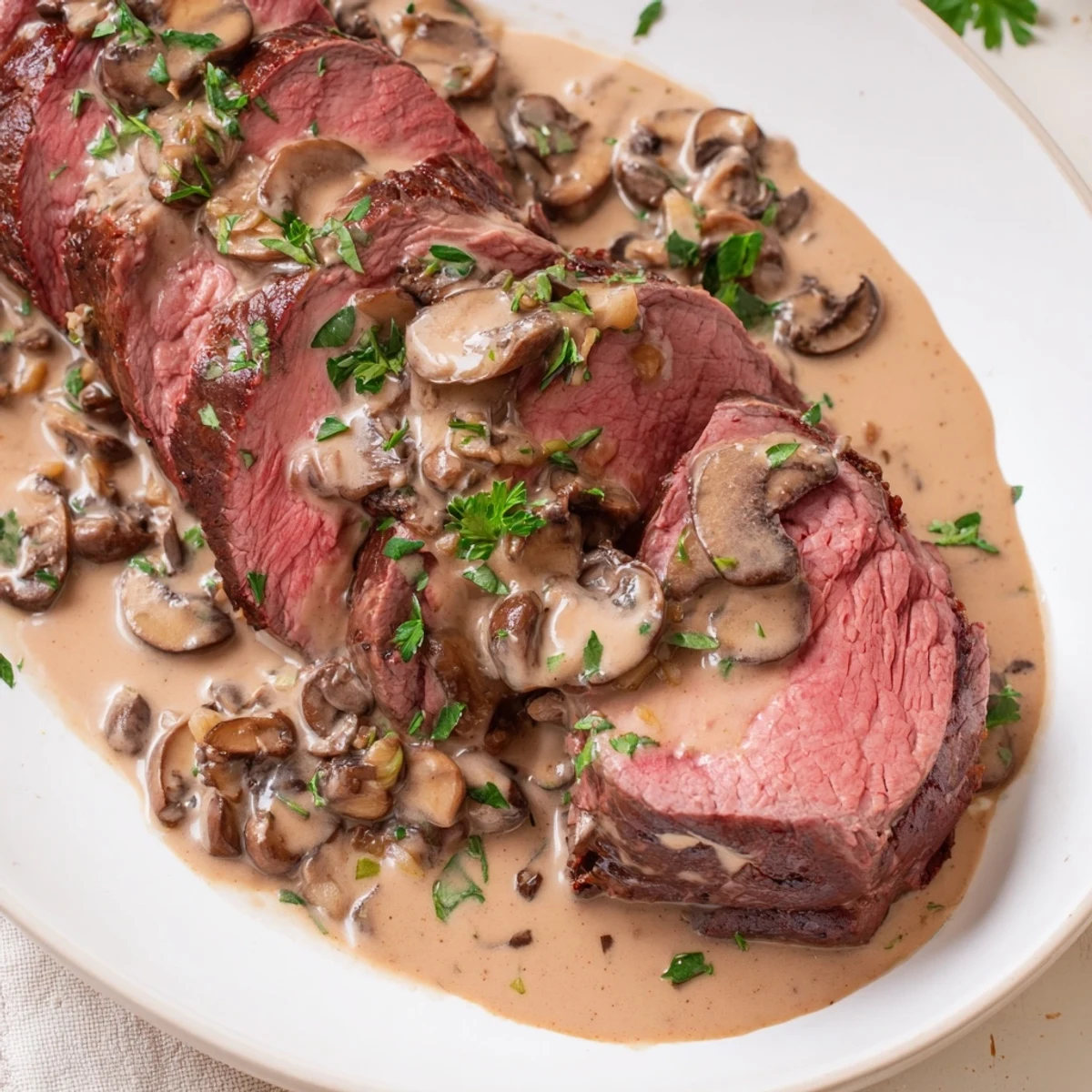
Save This elegant dish features a perfectly seared and roasted beef tenderloin that lives up to its melt-in-your-mouth name. The meat is seasoned simply with olive oil, salt, pepper, and fresh thyme, then seared to create a beautiful crust before roasting to medium-rare perfection.
What truly elevates this dish is the creamy mushroom sauce—sautéed cremini mushrooms and shallots simmered in white wine, then enriched with heavy cream, Dijon mustard, and a touch of lemon. The result is a velvety, deeply flavorful sauce that complements the tender beef beautifully.
Ready in just under an hour, this main dish serves four and is naturally gluten-free. It's an impressive centerpiece for holidays, dinner parties, or any special occasion when you want to serve something restaurant-quality at home.
The first time I made beef tenderloin, I was terrified Id ruin something that cost more than my weekly grocery budget. My hands actually shook while searing it in the cast iron skillet, listening to that satisfying sizzle that promised something extraordinary. Now it is become our anniversary tradition, the one meal where we pull out the nice plates and light candles even on a Tuesday.
Last Christmas Eve, my sister accidentally used red wine instead of white in the sauce, and honestly, it was delicious. We laughed about her mistake all through dinner, the sauce staining our napkins a deep ruby. Sometimes the best discoveries happen when you are too busy celebrating to follow the rules.
Ingredients
- Beef tenderloin: The crown jewel of cuts, worth every penny for how buttery and tender it becomes
- Olive oil: Helps the seasoning cling and creates that gorgeous crust during searing
- Kosher salt: Larger crystals season more evenly and give you better control
- Fresh thyme: Earthy and aromatic, it pairs perfectly with beef richness
- Unsalted butter: Building block for the velvety sauce foundation
- Shallots: Milder than onions with a subtle sweetness that enhances the mushrooms
- Cremini mushrooms: Deeper flavor than white buttons, meaty and satisfying
- Heavy cream: The secret to that luxurious, restaurant-style sauce consistency
- Dijon mustard: Just a teaspoon adds depth and cuts through the richness
- Fresh lemon juice: Brightens the sauce so every bite feels balanced
Instructions
- Prepare the oven and beef:
- Preheat your oven to 425°F (220°C) while you pat the tenderloin completely dry with paper towels. Rub it all over with olive oil, then press the salt, pepper, and thyme into every surface.
- Sear to perfection:
- Heat a large oven-safe skillet over medium-high until it is hot enough to make a drop of water dance. Sear the tenderloin on all sides for 2 to 3 minutes each until you have a deep, golden crust that promises flavor.
- Roast to medium-rare:
- Transfer the skillet directly into the oven and roast for 15 to 20 minutes until an instant-read thermometer reads 130°F (54°C). Let it rest loosely tented with foil for at least 10 minutes so the juices redistribute.
- Build the sauce base:
- In a separate skillet, melt butter over medium heat and cook the chopped shallots for about 2 minutes until they soften and become fragrant. Add the sliced mushrooms and sauté for 5 to 7 minutes until they are golden and have released all their moisture.
- Add aromatics and deglaze:
- Stir in the minced garlic for just 1 minute until it becomes aromatic, then pour in the white wine while scraping up any browned bits from the bottom. Let it bubble and reduce by half for about 3 minutes.
- Create the creamy finish:
- Pour in the heavy cream along with the Dijon mustard and lemon juice, letting everything simmer gently for 3 to 5 minutes until the sauce coats the back of a spoon. Season with salt and pepper to taste.
- Serve and garnish:
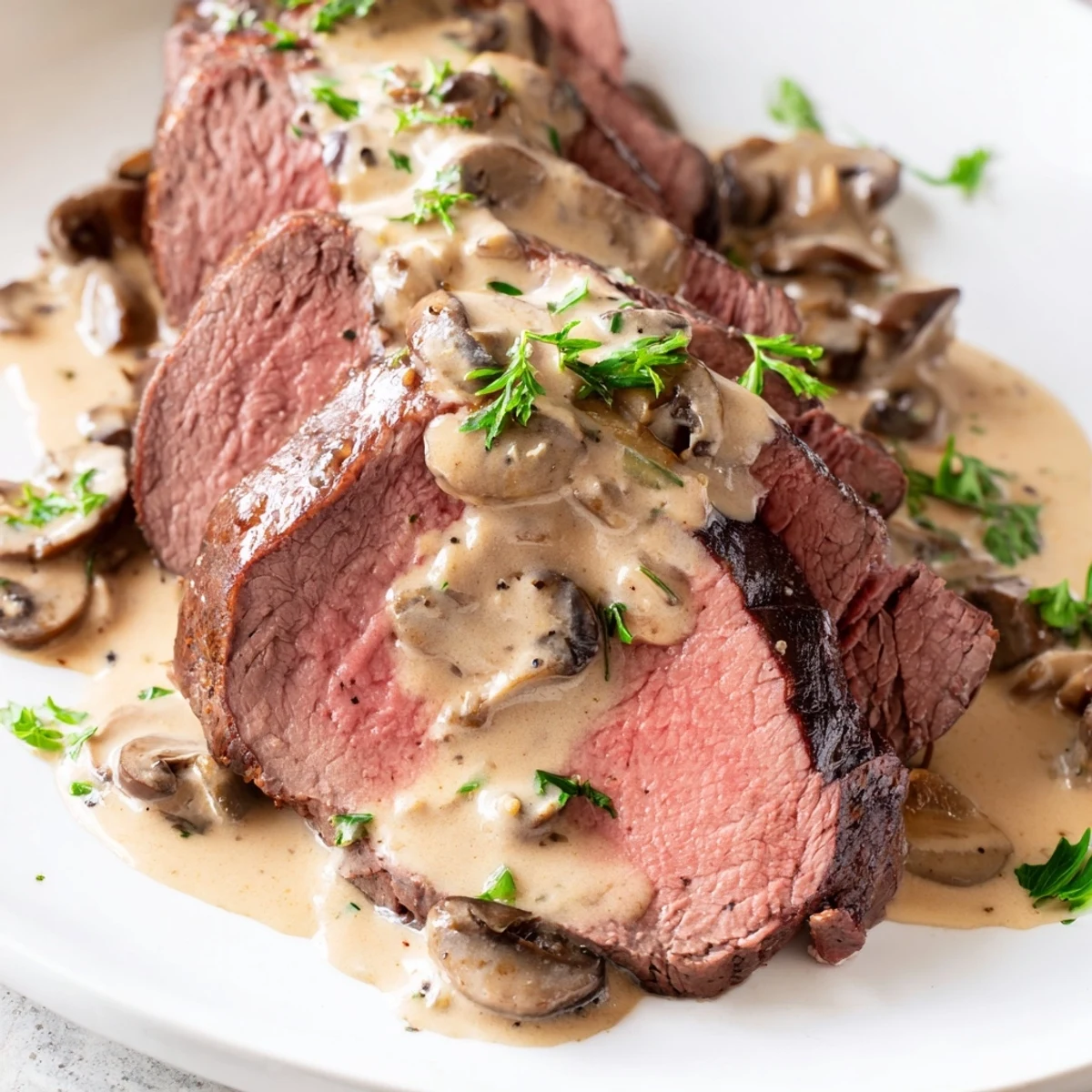
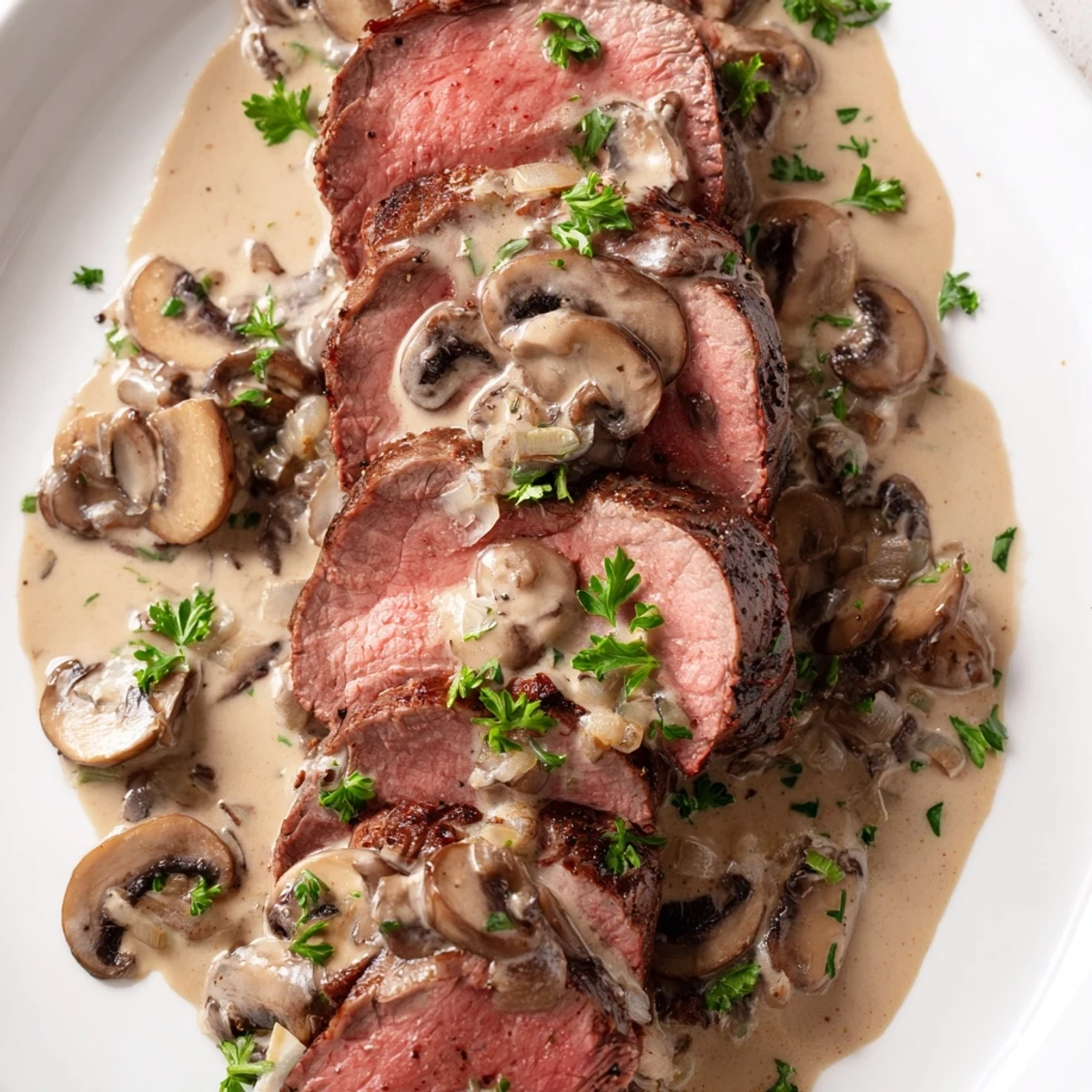
- Slice the rested tenderloin against the grain and arrange it on warmed plates. Spoon that velvety mushroom sauce generously over each portion and finish with a sprinkle of fresh parsley.
 Save
Save My father-in-law still talks about the time we served this for his birthday, how he cut into the tenderloin and saw that perfect pink center. He kept taking small bites, savoring each one, until he finally admitted it was the best beef he had ever tasted. That is the power of getting it right.
Choosing The Perfect Cut
I have learned to ask the butcher for a center-cut piece if possible, since it cooks more evenly from end to end. Look for beef with bright red color and good marbling throughout, avoiding anything that looks gray or has excessive fat on the exterior. A whole tenderloin often goes on sale around holidays, so buy an extra and freeze it for later.
Mastering The Sauce
The secret to restaurant-quality sauce is patience during the mushroom stage, really letting them brown and evaporate their liquid so you concentrate their flavor. Do not rush the reduction step either, because that is where all the depth develops. If the sauce seems too thick, a splash more cream or even a little pasta water brings it back to life.
Make-Ahead Wisdom
You can season and sear the beef up to a day in advance, then finish it in the oven just before serving. The sauce actually improves after sitting in the refrigerator for a day, giving the flavors time to marry and deepen. Just reheat it gently over low heat, adding a splash of cream if needed to restore the texture.
- Set out the cream and butter thirty minutes before cooking
- Warm your serving plates in the oven for five minutes
- Have the wine measured and ready before you start cooking
 Save
Save There is something deeply satisfying about serving a meal that makes people pause and really savor each bite. That is the kind of cooking memory worth repeating.
Recipe Questions & Answers
- → What temperature should beef tenderloin be cooked to?
-
For medium-rare, cook until the internal temperature reaches 130°F (54°C). The temperature will rise slightly as the meat rests. For medium, aim for 140°F (60°C), and for well-done, 150°F (65°C). Always use an instant-read thermometer for the most accurate results.
- → Why is it important to let the beef rest?
-
Resting allows the juices to redistribute throughout the meat rather than spilling out onto the cutting board. A 10-minute rest ensures your tenderloin remains juicy and tender when sliced. Skipping this step can result in drier meat.
- → Can I make the mushroom sauce ahead of time?
-
Yes, you can make the sauce up to a day in advance. Store it in an airtight container in the refrigerator. Reheat gently over low heat, adding a splash of cream if needed to restore the creamy texture. You may need to adjust the seasoning after reheating.
- → What sides pair well with this dish?
-
Roasted potatoes, mashed potatoes, or creamy polenta are classic choices. For vegetables, try steamed green beans, roasted asparagus, or sautéed spinach. A crisp green salad with a light vinaigrette also provides a nice contrast to the rich sauce.
- → Can I substitute the white wine in the sauce?
-
Yes, you can use an equal amount of beef broth instead of white wine. This keeps the sauce alcohol-free while still providing depth of flavor. The broth will create a slightly darker sauce with a more robust beefy taste.
- → How do I know when the sauce is thick enough?
-
The sauce is ready when it coats the back of a spoon and leaves a clear path when you run your finger through it. This usually takes 3-5 minutes of simmering. Remember that it will continue to thicken slightly as it cools, so remove it from the heat when it's slightly thinner than your desired consistency.