
 Save
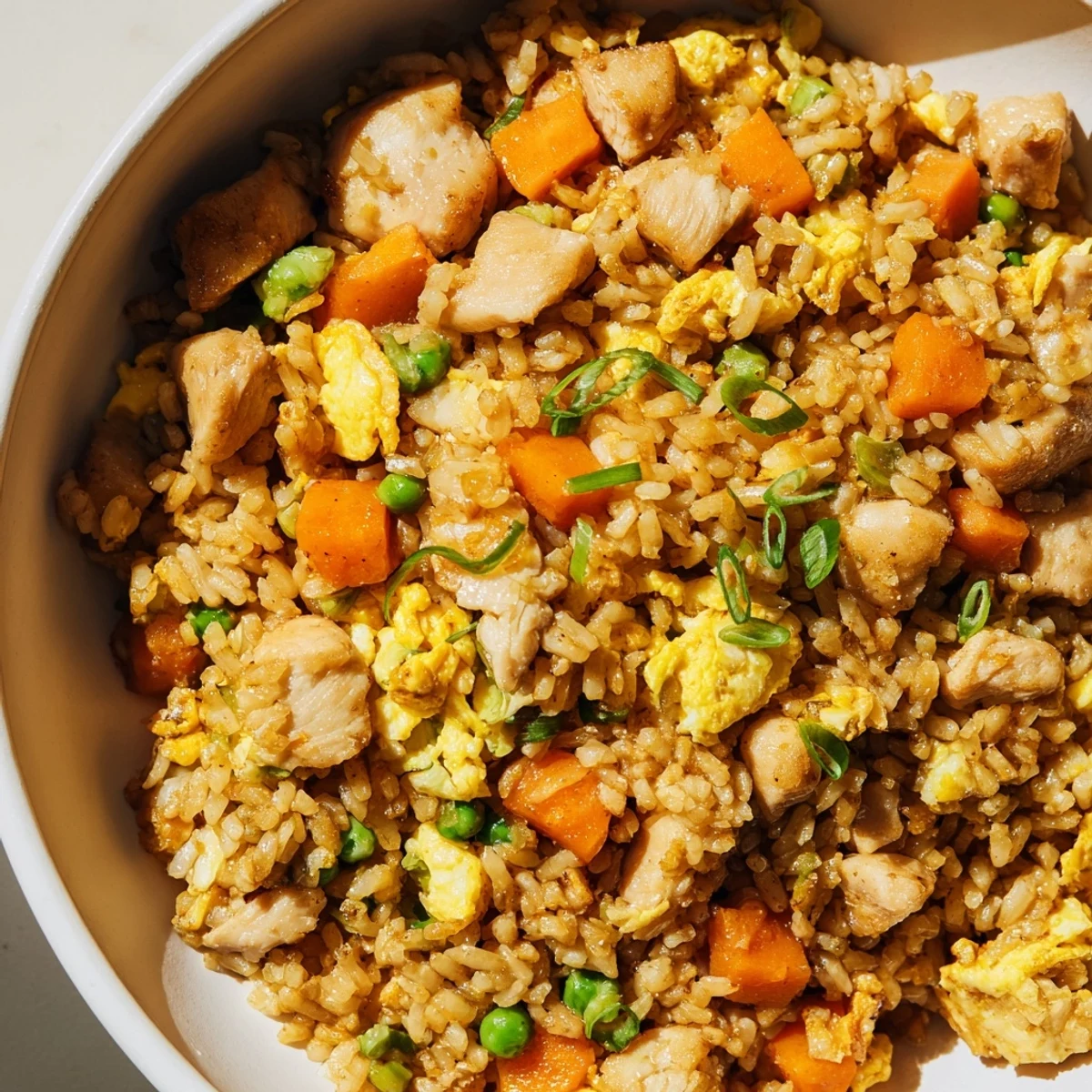
Save This fried rice blends tender diced chicken with vibrant peas and carrots, combined with fluffy scrambled eggs for texture. Marinated chicken is stir-fried to retain juiciness while vegetables soften for crispness. The jasmine rice used is best when cold to avoid mushiness. Seasonings like soy and sesame oils add umami and depth. This easy dish comes together quickly in a wok, making it perfect for busy weeknights craving comforting flavors.
There was this Tuesday night when I had leftover rice, some chicken, and about ten minutes before my family got hungry. I'd watched someone make fried rice at a street stall once and thought, how hard could it be? Turns out, it's easier than expected—and somehow better than the takeout we usually order. Now it's become our go-to when the fridge is half-empty and the mood calls for something warm and satisfying.
My friend Sarah came over one evening with just a bag of groceries and asked if I could throw something together. I made this fried rice while she perched on the counter, and the smell of soy and sesame filled the kitchen so completely that by the time we sat down, two more neighbors had knocked asking what we were cooking. That's when I realized this wasn't just a meal—it was the kind of dish that brings people to the table.
Ingredients
- Boneless, skinless chicken breasts: Two breasts, diced into bite-sized pieces, are just enough to feed four people without making the rice feel like a side dish. The key is keeping them uniform so they cook evenly and stay tender.
- Day-old jasmine rice: This is non-negotiable—cold rice has already lost its moisture, so it fries instead of getting gummy. If you only have fresh rice, spread it on a plate and let it cool completely first.
- Frozen peas and diced carrots: These add color and sweetness, and frozen actually works better than fresh because the pieces stay intact through the heat.
- Eggs: Three large ones whisked with a splash of milk create that fluffy, scrambled texture that makes fried rice feel luxurious.
- Soy sauce, oyster sauce, and sesame oil: Together, they create the savory backbone that makes people ask for the recipe. Don't skip the sesame oil—it's the whisper that makes everything sing.
- Scallions: White parts go in early for flavor building, green parts go in last for fresh bite and color.
- Vegetable oil: You need enough to coat the pan and keep everything from sticking, but not so much that it feels slick.
Instructions
- Marinate the chicken:
- Toss your diced chicken with a tablespoon of soy sauce, a teaspoon of cornstarch, and a touch of oil. Let it sit for ten minutes while you prep everything else—this keeps the meat tender and flavorful. It's a small step that makes a real difference.
- Beat the eggs:
- Whisk three eggs with milk, salt, and pepper until well combined. Set them aside—you'll need them ready to go when the moment comes.
- Cook the chicken until golden:
- Heat oil in your wok or skillet over medium-high heat and add the marinated chicken. Listen for that sizzle—it means you're at the right temperature. Stir constantly for four to five minutes until the pieces are cooked through and the edges catch some color, then pull it out and set it aside.
- Soften the vegetables:
- Add another tablespoon of oil to the same pan and toss in the carrot pieces and white parts of the scallions. You want them just tender enough to lose their raw edge but still with a little firmness. After a couple of minutes, add the peas and let them warm through.
- Scramble the eggs into the mix:
- Push your vegetables to the side of the pan and pour in the beaten eggs. Let them set for just a moment, then gently scramble them with your spatula until they're barely set, with soft curds still visible. You're not making an omelette—you want texture.
- Break up and add the rice:
- Add your cold rice and use your spatula to break up any clumps, tossing everything together. The rice will go from separate grains to glistening in about two or three minutes as it heats through and absorbs the flavors from the pan.
- Bring it all back together:
- Return the chicken to the pan and add your soy sauce, oyster sauce if you're using it, and that precious sesame oil. Toss everything until every grain seems to glisten and the flavors have woven together. This is the moment when it stops being ingredients and becomes a complete dish.
- Finish with green and serve:
- Scatter the green parts of the scallions over the top, crack some black pepper over it, and serve it hot while the steam is still rising. This is the dish at its best—straight from the pan to the plate.
 Save
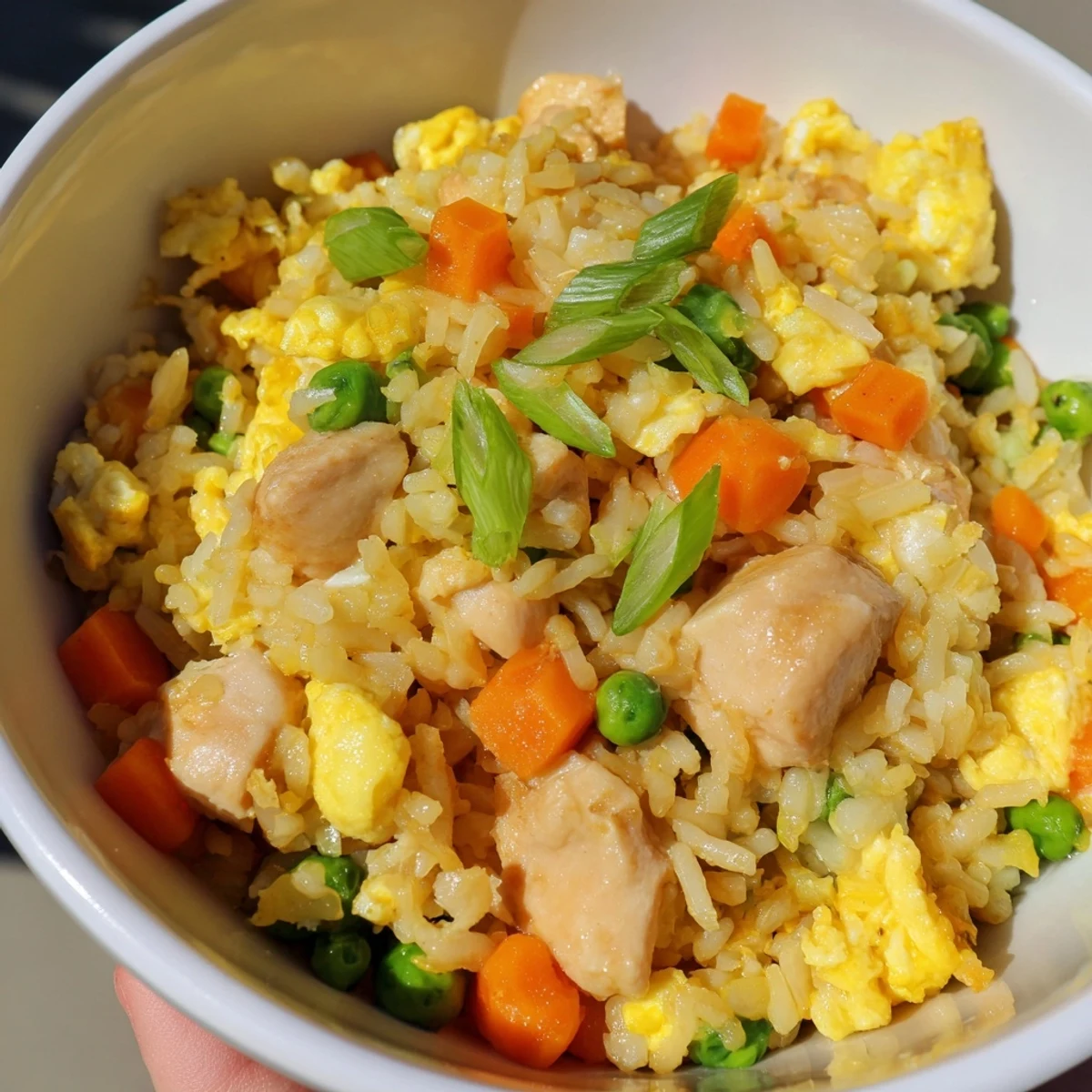
Save The thing I love most about this dish is that it tastes like care without demanding perfection. It's forgiving enough for a beginner but interesting enough to make someone feel like they've actually cooked something. Every time I make it, I remember why it became a regular in our kitchen.
Why This Dish Works
Fried rice is the antidote to food waste and uninspired weeknights. There's something almost meditative about watching separate ingredients transform into something unified and aromatic in a single pan. The balance of textures—soft rice, tender vegetables, fluffy egg, and protein—feels complete without being heavy, which is exactly why people come back to it again and again.
The Secret to Restaurant Quality at Home
Restaurant fried rice tastes different because they work in high heat and with confidence, but honestly, it's also the technique of adding ingredients in stages rather than dumping everything in at once. Each layer has time to develop, which is how flavors build rather than muddle. The other secret is that sesame oil at the end—it's not a garnish, it's the final note that makes the whole song land.
Beyond the Basic Recipe
Once you've made this version a few times and feel the rhythm, start playing with it. A splash of Shaoxing wine adds depth if you can find it, and white pepper adds a different kind of heat than black pepper. Some nights I add a dash of fish sauce for umami, other times I stick with what's written here. The beauty is that once you understand how fried rice works, you're not following a recipe anymore—you're cooking.
- Try swapping chicken for shrimp, tofu, or leaving it out entirely for a vegetarian version that's just as satisfying.
- A squeeze of sriracha or chili sauce on the side gives people the choice to make it as spicy as they like without changing the base.
- Leftover roasted vegetables, cashews, or even pineapple can find their way into the pan and make it feel like a completely different meal.
 Save
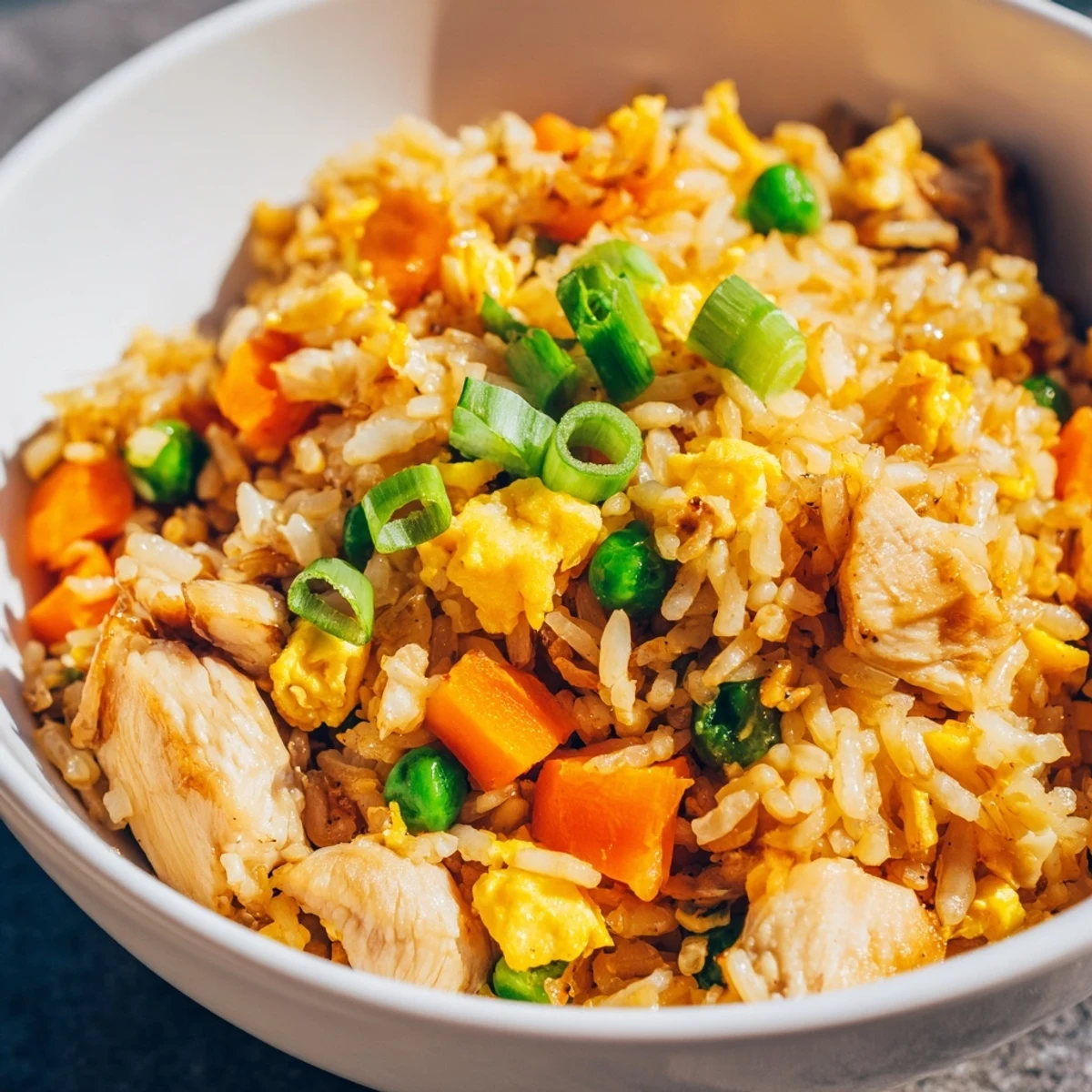
Save Make this when you need a meal that feels substantial without being complicated, or when you want to prove to yourself that restaurant-quality food doesn't require a restaurant. It's the kind of dish that becomes a friend in the kitchen.
Recipe Questions & Answers
- → What type of rice works best for this dish?
-
Day-old jasmine rice is ideal to keep grains separate and prevent mushiness during stir-frying.
- → How can I keep the chicken tender?
-
Marinating diced chicken with soy sauce and cornstarch helps lock in moisture and adds a light glaze when cooked.
- → Can I substitute vegetables in this dish?
-
Yes, feel free to swap peas and carrots for bell peppers, snap peas, or other crunchy vegetables of your choice.
- → What is the best way to scramble eggs in fried rice?
-
Cook the eggs gently in the pan until just set, then combine with other ingredients to retain a fluffy texture.
- → Which oils enhance the flavor here?
-
Vegetable oil is used for stir-frying, while sesame oil is added at the end to provide aromatic depth and richness.