
 Save
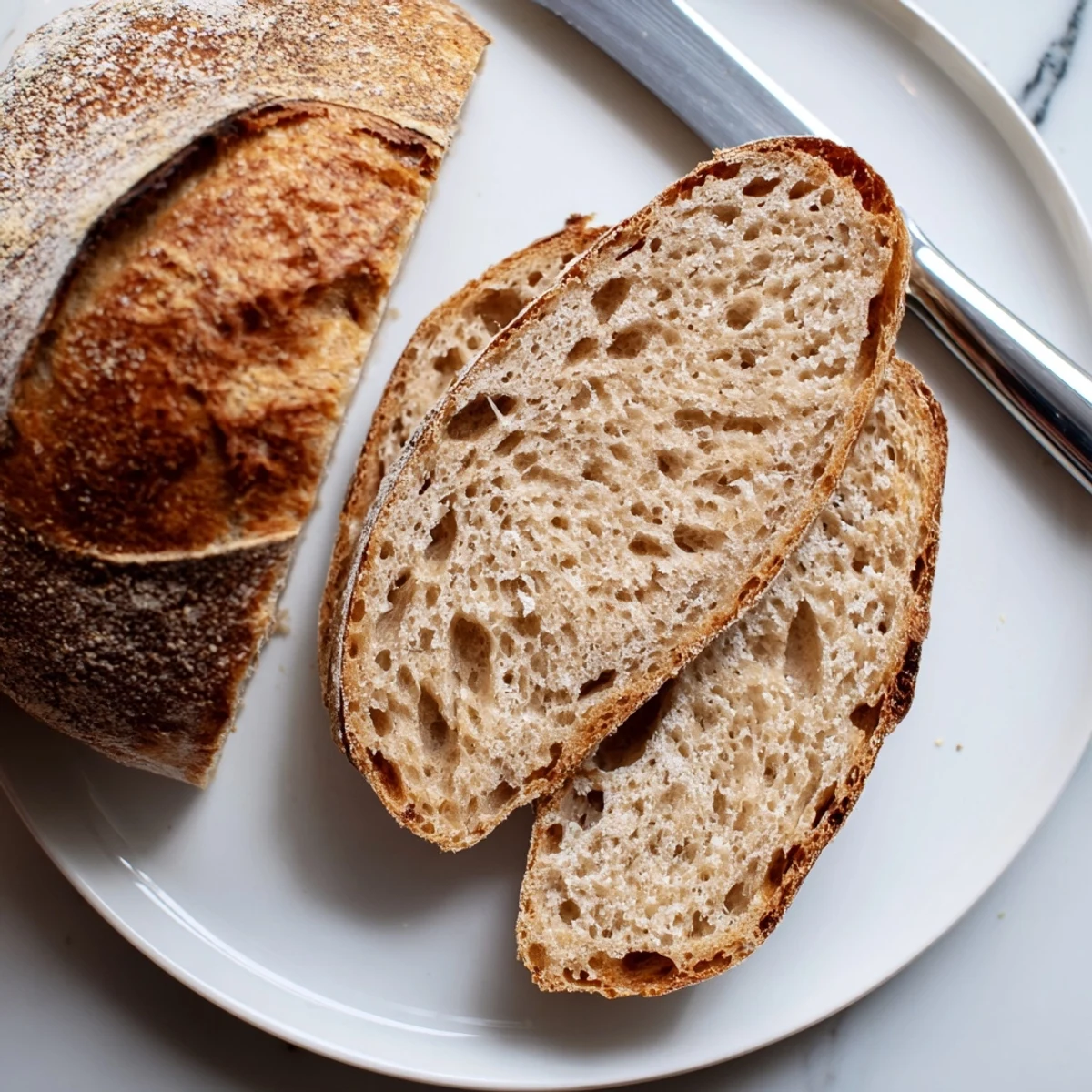
Save Master the art of traditional sourdough baking with this classic crusty artisan loaf featuring a beautifully chewy crumb and naturally tangy flavor profile. Wild yeast fermentation develops complex taste over 14–20 hours, while professional techniques like stretch-and-fold folds, proper scoring, and Dutch oven baking create that coveted bakery-quality crust. Perfect for beginners seeking authentic results or experienced bakers wanting to refine their craft.
My first attempt at sourdough ended in a dense, disappointing brick that I still ate out of stubborn pride. Three years later, after countless sticky countertops and midnight feedings of my starter, I finally understand what all the fuss is about. The crackle of a fresh loaf cooling on the counter is worth every failed experiment along the way.
Last winter, during a weeklong snowstorm, I made this bread every single day until my starter was thriving and my family was pleading for pasta. The house smelled incredible, and something about the slow, patient process made being stuck inside feel like a gift instead of a burden.
Ingredients
- Active sourdough starter: Feed your starter the night before and look for bubbles throughout the mixture
- Bread flour: Higher protein content creates that perfect chewy crumb structure
- Whole wheat flour: Just enough to add complexity without making the bread too dense
- Water: Room temperature water helps the dough develop properly
- Sea salt: Enhances flavor and strengthens gluten development
Instructions
- Prepare your dough:
- Mix bread flour, whole wheat flour, and water until shaggy, then cover and rest for an hour
- Incorporate starter:
- Add your bubbly starter and salt, mixing until fully incorporated into the dough
- Build strength:
- Every 30 to 45 minutes, grab one edge of the dough and fold it over itself, repeating four times
- Shape the loaf:
- Turn dough onto a floured surface, gently shape into a round, and rest for 20 minutes before final shaping
- Final proof:
- Place seam side up in a floured basket and let rise for 2 to 3 hours, or refrigerate overnight
- Preheat properly:
- Heat your Dutch oven at 250°C (480°F) for at least 30 minutes to create steam
- Bake with confidence:
- Score the dough, bake covered for 20 minutes, then uncover for another 25 minutes until deeply golden
 Save
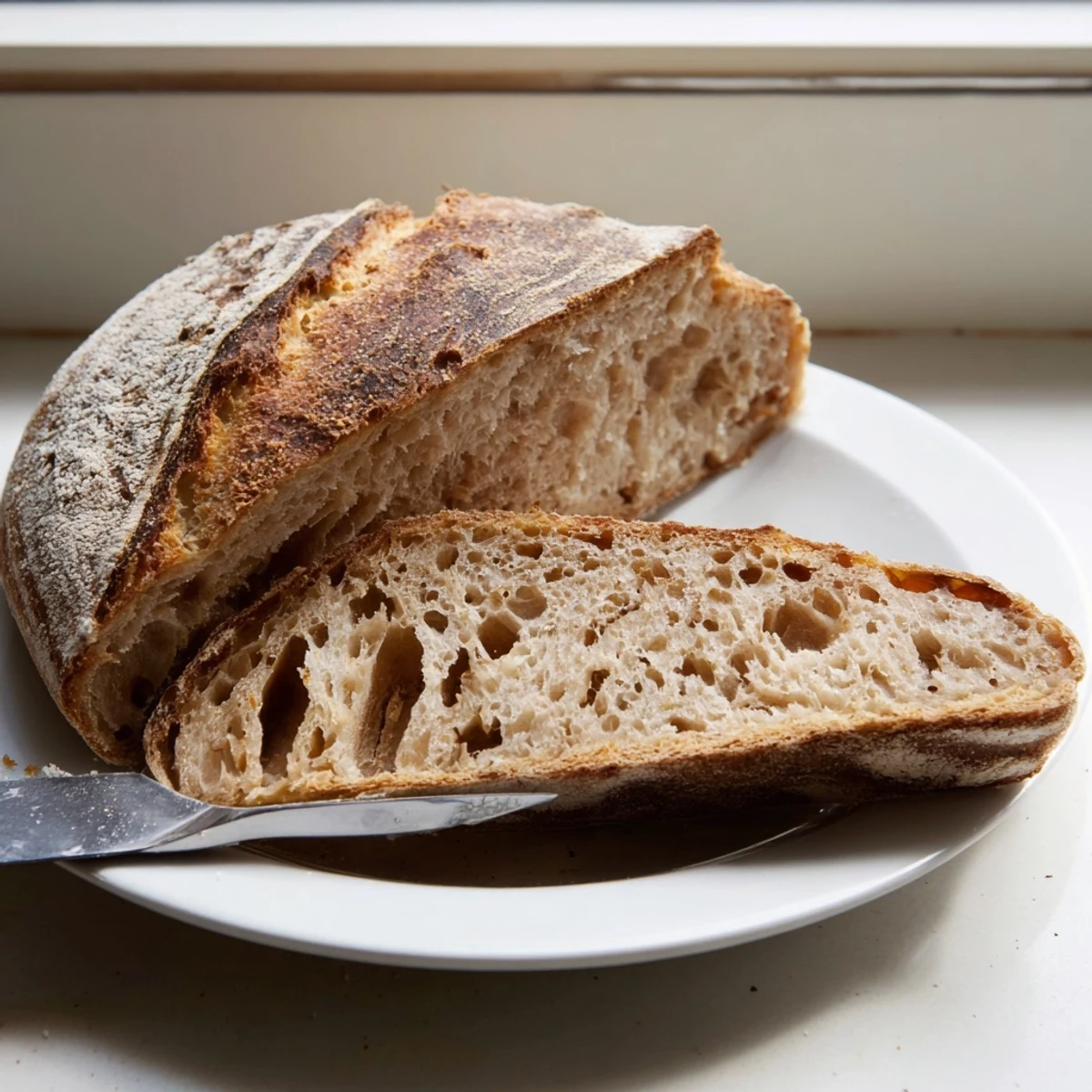
Save There is something almost meditative about the stretch and fold rhythm, watching a messy shaggy mass transform into smooth, elastic dough. My partner jokes that sourdough bakers are just patient people with floury hands and excellent timing.
Understanding Fermentation
Temperature dramatically affects how quickly your dough ferments. In summer, I bulk ferment on the coolest part of my kitchen, but winter requires finding the warmest spot near a radiator or oven light.
Scoring Your Dough
Your blade should be razor sharp, held at a 45 degree angle to create a beautiful ear. Nervous hands create shallow scores that do not open properly, so commit to each decisive, confident cut.
Storage and Freshness
This bread keeps well wrapped in a linen bag for up to three days, though it rarely lasts that long in my house.
- Freeze slices on a baking sheet before transferring to a bag for long term storage
- Revive stale bread by sprinkling with water and reheating at 180°C for 10 minutes
- Day old sourdough makes exceptional French toast or panzanella
 Save
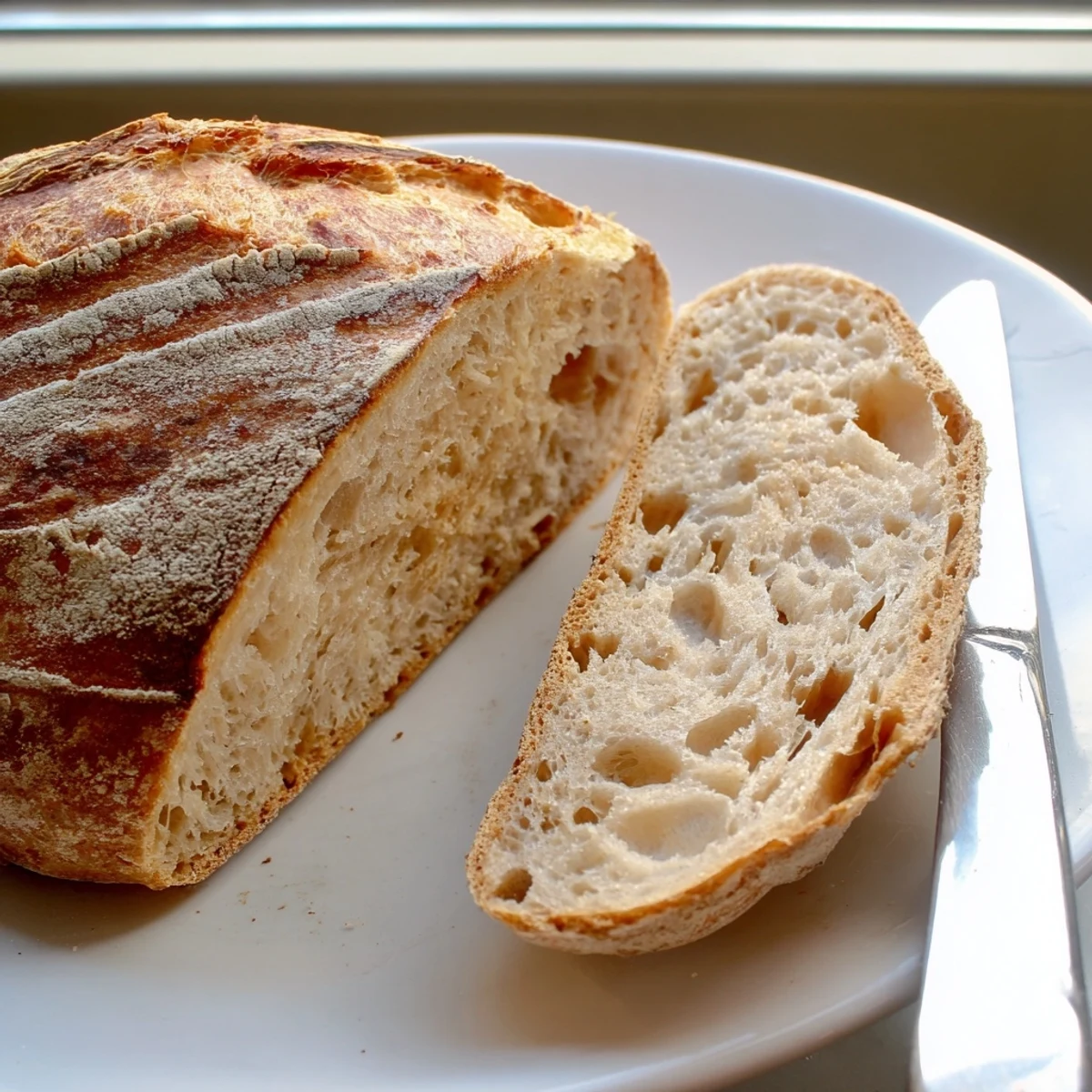
Save The true magic happens when you slice into that first loaf, steam rising from the tender crumb. Welcome to the sourdough journey.
Recipe Questions & Answers
- → What makes sourdough different from regular bread?
-
Sourdough uses wild yeast and beneficial bacteria instead of commercial yeast, creating natural fermentation that develops complex flavors, improves digestibility, and yields a characteristic tangy taste and chewy texture that can't be replicated with standard methods.
- → How do I know when my starter is ready?
-
Your starter should be fed 8–12 hours before baking, appear bubbly and doubled in volume, pass the float test (a small spoonful floats in water), and have a pleasant slightly sour aroma indicating active fermentation.
- → Can I skip the Dutch oven?
-
While a Dutch oven creates ideal steam for crust development, you can use a heavy pot with a tight-fitting lid or create steam in your oven by placing a tray of ice cubes on the bottom rack just before baking.
- → Why is cold fermentation recommended?
-
Overnight refrigeration slows fermentation, allowing more complex flavors to develop while making the dough easier to handle and shape. The extended cold proof also enhances the characteristic tangy sourdough taste.
- → How do I store fresh sourdough?
-
Wrap completely cooled bread in a clean cloth or paper bag at room temperature for 2–3 days. For longer storage, slice and freeze in an airtight container—toast individual slices directly from frozen for best results.