
 Save
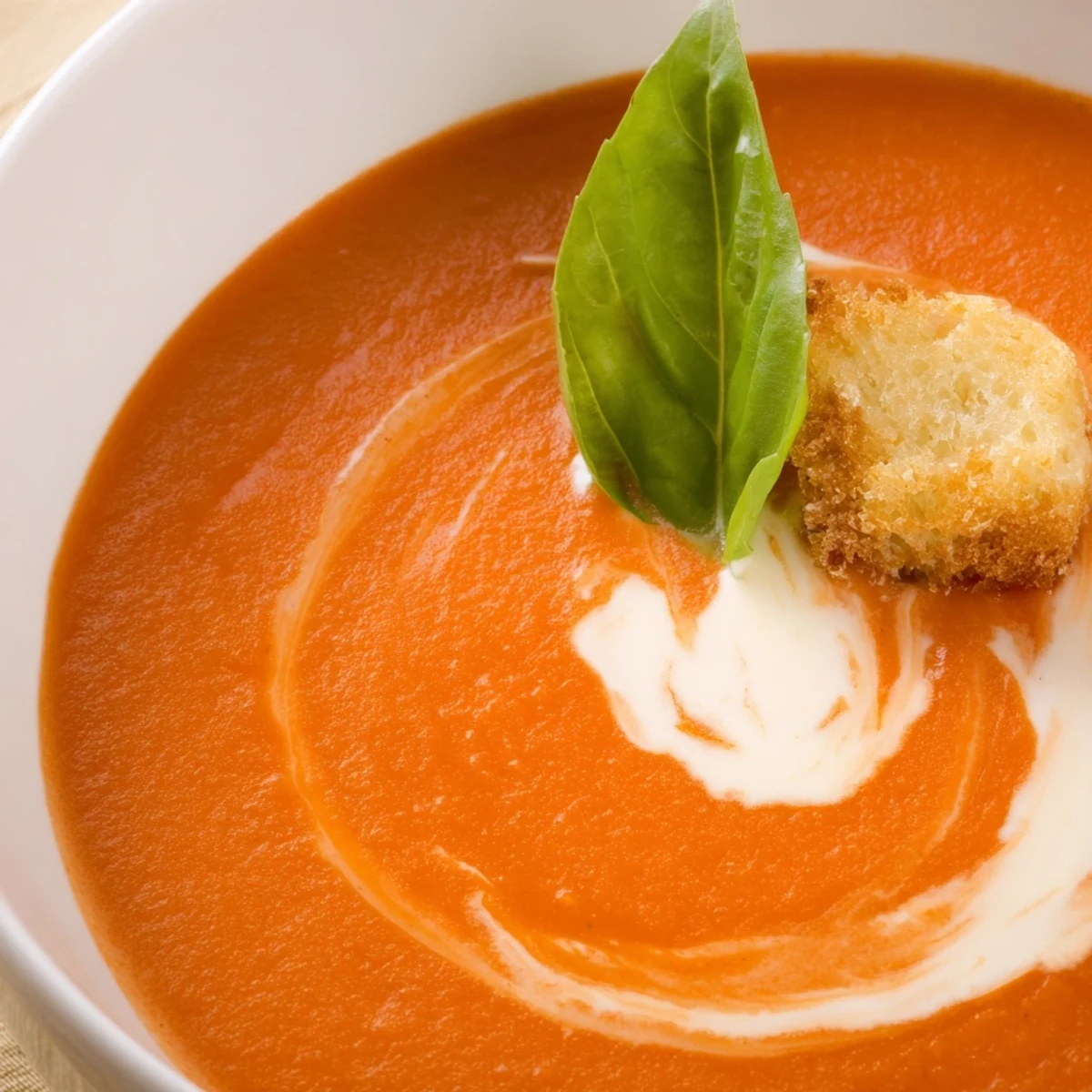
Save This velvety tomato bisque blends ripe tomatoes, fresh vegetables, and aromatic herbs into a smooth, comforting dish. Butter-sautéed onion, garlic, carrot, and celery build a flavorful base enhanced by tomato paste and herbs like thyme and basil. After simmering, the bisque is pureed until silky, then enriched with a touch of heavy cream for softness. Served warm with optional fresh basil, cream drizzle, and croutons, this bisque offers a cozy and satisfying meal ideal for cooler days or light dining.
There's something about the smell of tomatoes hitting hot butter that stops me mid-conversation every single time. Years ago, I was standing in my friend's kitchen on a chilly October afternoon when she tossed in a pile of tomatoes and suddenly the whole room smelled like late summer. That's when I understood bisque—it's not just soup, it's concentrate, the essence of tomato season captured in a bowl. Since then, I've made this version maybe a hundred times, and it never fails to make people pause and ask for the recipe.
I made this for my mom's book club on a rainy Wednesday, tripling the batch because I wasn't sure how many bowls to fill. They went back for seconds, and somehow the conversation shifted from their books to asking if I'd ever considered catering. The bisque had nothing to do with that—but it made the whole evening feel effortless on my end, which is maybe the best compliment a recipe can get.
Ingredients
- Unsalted butter: Two tablespoons is your silent foundation, carrying the flavor of everything that follows and making the soup taste like homemade, not canned.
- Yellow onion: Diced medium, it breaks down into sweet silence during those first few minutes of cooking—the kind of flavor you feel rather than identify.
- Garlic cloves: Two minced cloves add depth without shouting; any more and you're making garlic soup by accident.
- Carrot and celery: These are the trinity's quiet partners, adding subtle sweetness and body that cream alone can't manage.
- Tomatoes: 1.8 pounds of fresh ripe ones if you can get them, but honestly, a drained 28-ounce can of whole peeled tomatoes works just as well and nobody will know the difference.
- Vegetable broth: Two cups dilutes the richness to something you can actually drink rather than spoon.
- Heavy cream: Half a cup turns this from tomato soup into bisque—it's the luxury touch that makes it feel indulgent.
- Tomato paste: One tablespoon concentrates the tomato flavor so the soup doesn't taste watered down after blending.
- Sugar, thyme, basil, and bay leaf: The sugar cuts any acidic edge; the herbs add complexity without needing fresh versions if you don't have them on hand.
- Salt and black pepper: These should be tasted and adjusted at the very end, when you know exactly what you're working with.
Instructions
- Build your flavor base:
- Melt the butter in a large pot over medium heat, then add onion, garlic, carrot, and celery. Let them soften for 5 to 7 minutes, stirring occasionally—you'll know it's right when the kitchen smells like comfort and the vegetables look nearly translucent. The onion should be soft enough to break apart with a wooden spoon.
- Deepen with tomato paste:
- Stir in the tomato paste and cook it for exactly one minute, letting it caramelize slightly against the hot butter. This small step transforms it from a thin red stream into something with actual body.
- Simmer the soul of the soup:
- Add tomatoes, vegetable broth, sugar, thyme, basil, and bay leaf, then bring everything to a boil before dropping the heat to a gentle simmer. Leave it uncovered for 20 minutes, stirring every few minutes—the soup will deepen in color and the flavors will start talking to each other.
- Blend into velvet:
- Remove the bay leaf, then use an immersion blender to puree the soup directly in the pot, or carefully work in batches with a stand blender if you have one. Stop when it's smooth but still has a slight texture—completely silky bisque feels like eating cream, but a little body keeps it from feeling thin.
- Marry cream and heat carefully:
- Return the soup to low heat and pour in the heavy cream, stirring gently until it's fully incorporated. Taste as you go and add salt and pepper—this is the moment to find the right balance. Heat it through until steaming, but never let it boil or the cream can separate.
- Finish and serve:
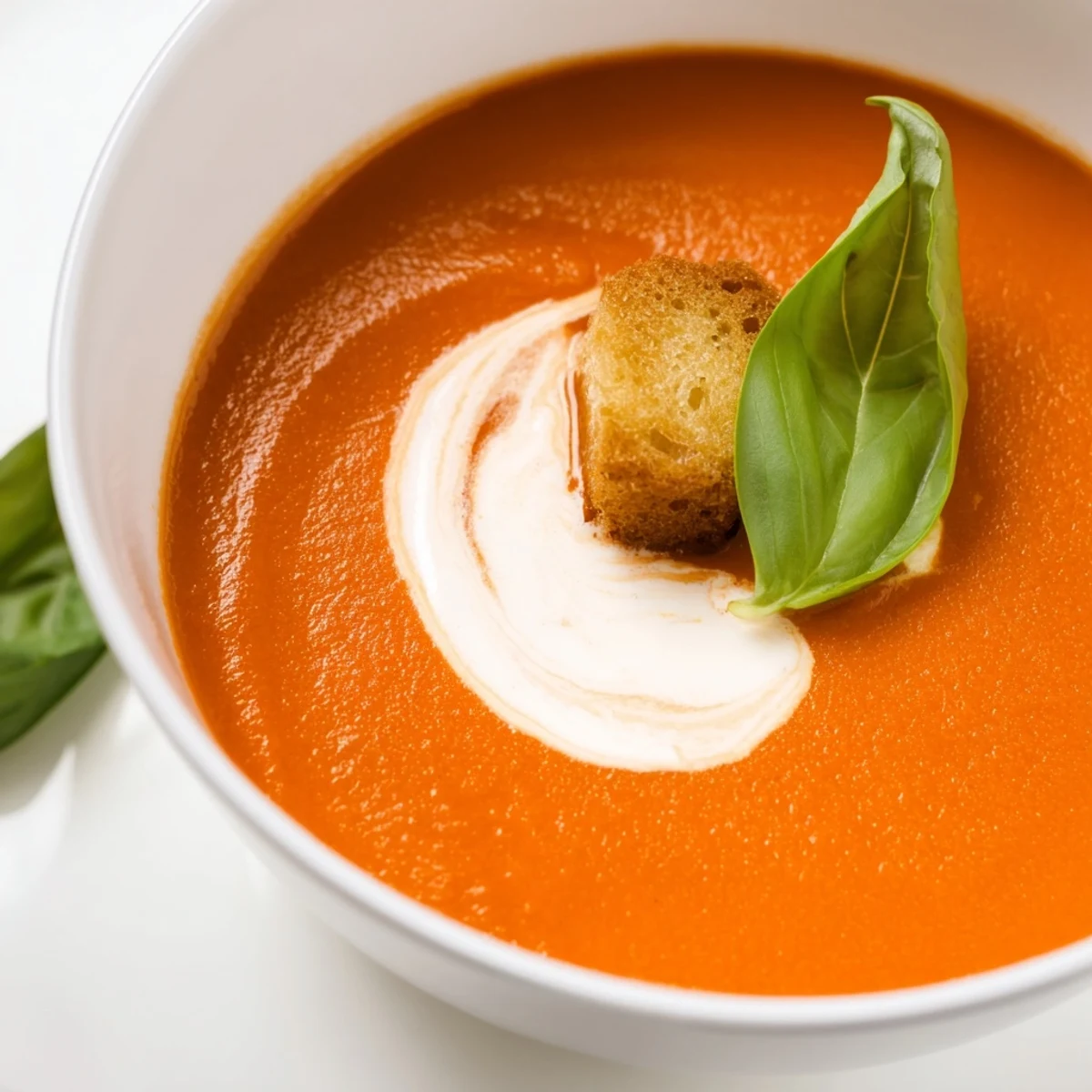
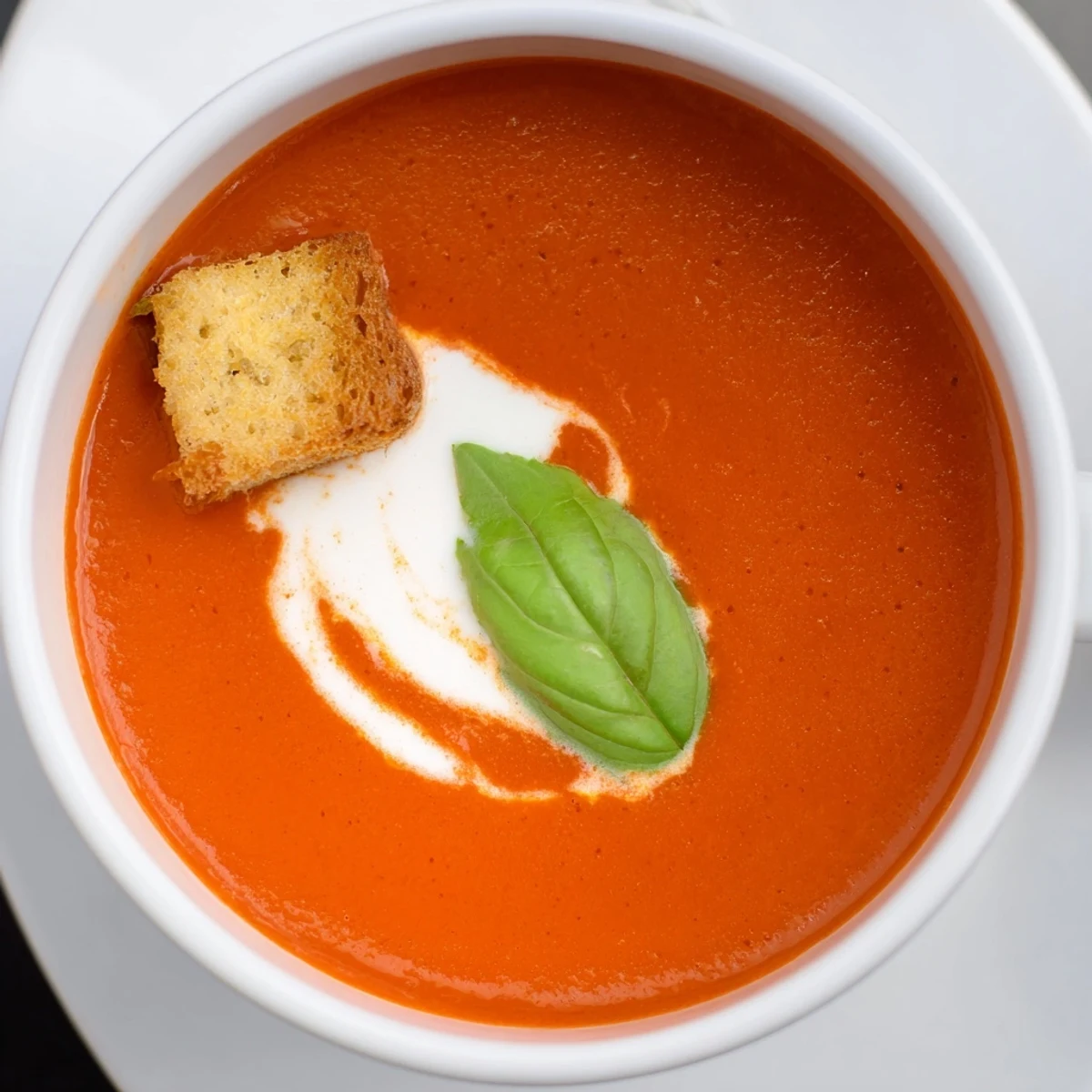
- Ladle into bowls and top with a few fresh basil leaves, a thin drizzle of cream if you're feeling it, or croutons for crunch. The soup should be silky, warm, and ready to eat immediately.
 Save
Save My neighbor came over on her first day back from the hospital, and I made this bisque because it felt gentle and nourishing without being fussy. She had seconds and told me it tasted like someone cared, which is exactly what this soup does—it whispers rather than shouts, but you feel every bit of it.
The Science of Velvety Texture
Blending tomato soup doesn't just make it smooth; it releases the natural pectin in tomatoes, which gives bisque that signature cling on the spoon. The fat in cream works alongside this pectin to create something thicker than broth but lighter than stew—you're not just mixing ingredients, you're building an emulsion. That's why the cream goes in at the end and on gentle heat; it's the final piece that holds everything together.
Variations and Swaps That Work
For vegan versions, coconut milk or cashew cream replaces heavy cream almost perfectly, though you'll lose that slight richness and gain a subtle sweetness instead. I've added roasted red peppers for brightness, a pinch of red pepper flakes for heat, or even swirled in a spoon of pesto at the end—each version feels like a new recipe but tastes like you planned it that way. The beauty of bisque is that it's forgiving enough to let you play around.
Serving Suggestions and Pairings
This bisque is naturally a starter but feels equally at home as a light lunch with bread and a salad, or as part of a soup course in a more formal dinner. Grilled cheese is the classic partner—the richness of melted cheese meets the silky tomato like they were always meant to find each other. I've also served it with a crisp garden salad, crusty garlic bread, or even poured it alongside roasted vegetables for something lighter.
- A generous crack of fresh black pepper on top adds finesse and keeps the flavors from feeling flat.
- If you're making this ahead, store it in the fridge for up to four days and gently reheat on the stove without letting it boil.
- Freeze portions for up to three months, though cream-based soups can separate slightly when thawed—just whisk well and heat gently to bring them back together.
 Save
Save Bisque is one of those recipes that teaches you to trust your instincts as you cook—taste it constantly, adjust fearlessly, and remember that the best version is the one that feels right to you. Once you've made it once, you'll make it a hundred more times because it's simple enough to not think about but special enough to feel like a gift.