
 Save
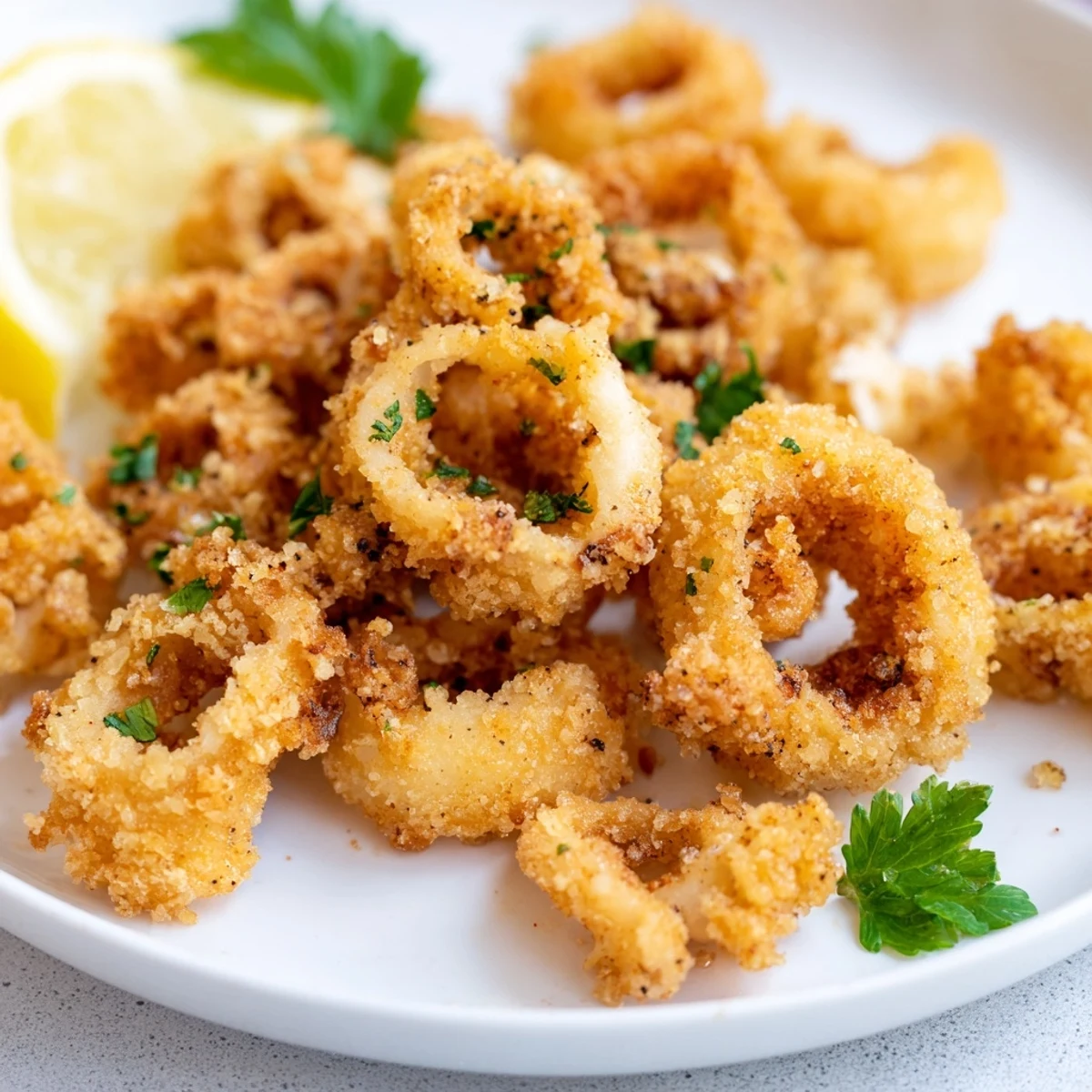
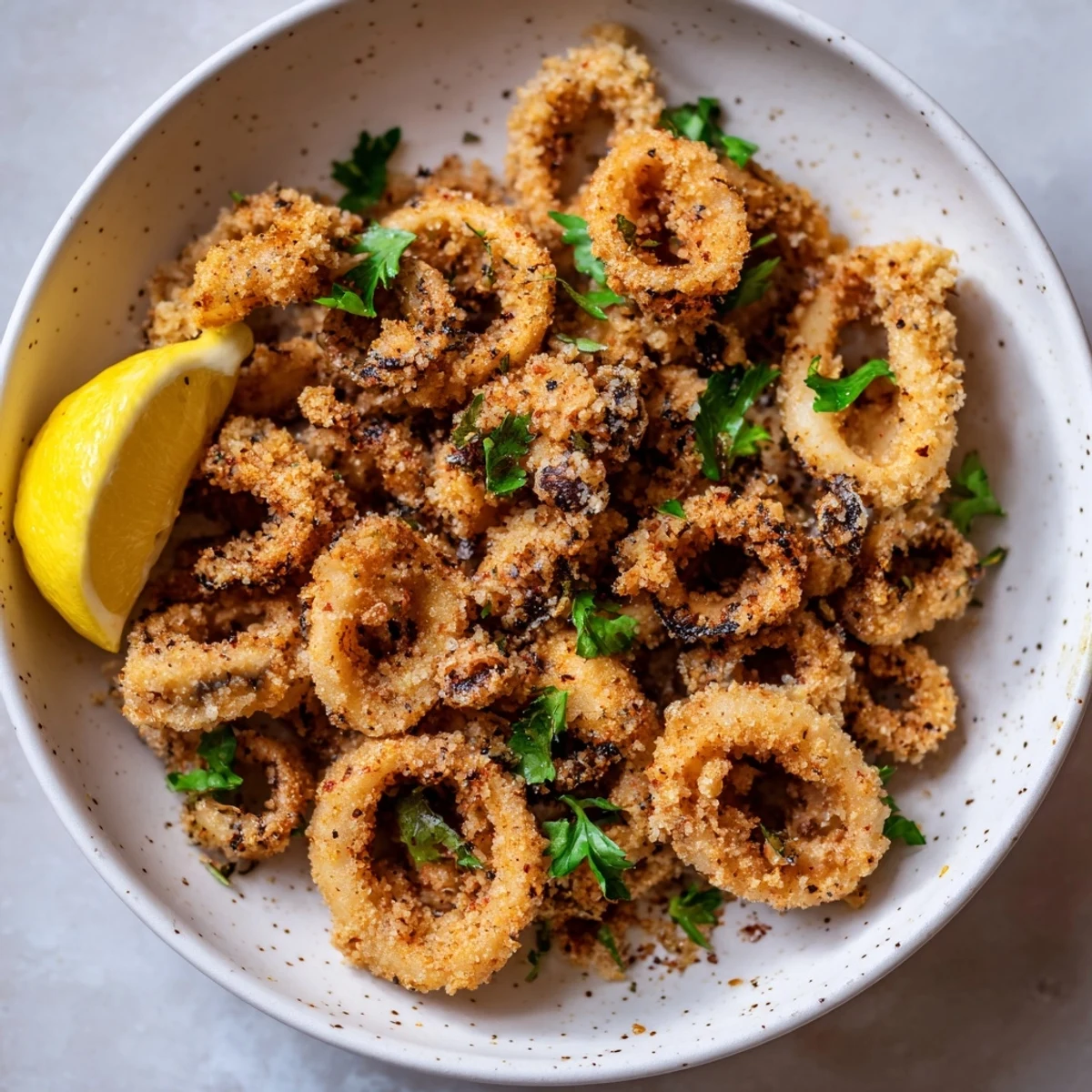
Save This dish features tender calamari rings and tentacles lightly coated in a seasoned flour and cornstarch mix, then fried until golden and crisp. The frying process seals in a delicate texture complemented by a zesty dipping sauce such as aioli or marinara. Garnished with lemon wedges and fresh parsley, this quick and easy appetizer brings Mediterranean flavors to your table in under 30 minutes.
I still remember the first time I bit into perfectly crispy calamari at a tiny seaside trattoria in Sicily. The way the golden exterior shattered between my teeth, giving way to tender, delicate squid inside, was pure magic. I spent the next two years trying to recreate that exact moment in my own kitchen, and after countless batches and a few burnt attempts, I finally cracked the code. Now, whenever I make this dish, I'm transported right back to that Mediterranean afternoon, the salt air mixing with the aroma of hot oil and lemon.
The moment I knew this recipe was a keeper was when my usually skeptical brother took one bite and looked at me with genuine surprise, asking if I'd somehow smuggled these back from Italy. That simple gesture of recognition meant everything, because calamari had always felt like restaurant food, something too fancy or intimidating to make at home. Now it's become our go-to appetizer for dinner parties.
Ingredients
- Fresh or thawed squid, 500 g (1.1 lb), cleaned and sliced into 1 cm rings: The quality of your calamari makes all the difference here. If possible, source it from a fishmonger who cleans it fresh, as it tends to be more tender. Frozen squid works beautifully too; just thaw it slowly in the refrigerator overnight for best texture.
- All-purpose flour, 120 g (1 cup): This is your foundation. It creates structure in the coating and helps lock in the crispness you're after.
- Cornstarch, 60 g (½ cup): This is the secret weapon. The cornstarch absorbs moisture and fries up extra crispy. Don't skip it.
- Sea salt, 1 tsp: Better than table salt because of its clean, pure flavor. It seasons both the calamari and the coating evenly.
- Black pepper, ½ tsp: Fresh cracked is always better if you have a grinder. It adds gentle heat without overwhelming the delicate squid.
- Smoked paprika, ½ tsp: This brings a whisper of smokiness that hints at Mediterranean kitchens and wood-fired ovens.
- Cayenne pepper, ¼ tsp (optional): Only if you like a little kick. I usually add it because life is short and spice is fun.
- Vegetable oil, 750 ml (3 cups), for deep frying: Use an oil with a high smoke point. Vegetable, canola, or peanut oil all work beautifully. Avoid olive oil for frying; save that for finishing.
- 1 lemon, cut into wedges: The brightness of fresh lemon cuts through the richness of the fried coating and makes every bite sing.
- Fresh parsley, chopped (optional): It adds color and a fresh herbal note that feels like you've put thought into plating.
- Dipping sauce (aioli or marinara): This is where you can play. Spicy aioli brings richness; marinara brings familiarity. Pick your poison.
Instructions
- Start with dry calamari:
- This is non-negotiable. Pat your calamari rings and tentacles completely dry with paper towels. Any moisture clinging to the surface will create steam pockets that make your batter soggy instead of crispy. Take your time here; it's the difference between crackling gold and limp disappointment.
- Build your seasoning blend:
- In a shallow bowl, combine the flour, cornstarch, salt, black pepper, smoked paprika, and cayenne if you're using it. Give it a good stir so the spices distribute evenly. This moment is oddly meditative—you're creating the flavor layer that will define the entire dish.
- Heat your oil to temperature:
- This is where a thermometer becomes your best friend. Heat your vegetable oil to exactly 180°C (350°F). If it's too cool, you'll get greasy calamari. If it's too hot, the outside will char before the inside cooks through. Bring it up to temperature slowly and give it time to stabilize before you start frying.
- Coat in batches:
- Take a handful of calamari pieces and toss them in your flour mixture, making sure each piece gets coated evenly. Then shake off any excess flour over the bowl. You want a light, delicate coating, not a thick crust. Work quickly so your drying efforts don't go to waste.
- Fry with intention:
- Carefully lower your coated calamari into the hot oil. Don't overcrowd the pan; you need space between each piece so they fry evenly and don't steam each other. Listen for that satisfying sizzle as they hit the oil. This is the sound of transformation happening. Fry for 1½ to 2 minutes, watching as they turn from pale to deep golden. They should be floating and slightly puffed when they're ready.
- Drain and cool:
- Use a slotted spoon to lift your golden calamari from the oil and transfer them immediately to a paper towel-lined plate. Let them sit for a minute so the paper can absorb excess oil. This brief rest helps them stay crispy and cool down just enough to eat.
- Repeat and serve:
- Work through the remaining calamari in batches, keeping your oil temperature consistent. As each batch finishes, arrange it on a serving platter. Everything should be served immediately while it's still crackling and warm. Scatter with fresh lemon wedges and parsley, set out your dipping sauce, and watch them disappear.
 Save
Save The night I served this to my Italian grandmother was the night I knew I'd finally understood something important about cooking. She took a piece, closed her eyes as she chewed, and then looked at me and nodded. No words needed. That small gesture of approval from someone who grew up with the real thing made every failed batch, every moment standing over hot oil, completely worthwhile.
The Art of the Perfect Coating
The magic here lies in that flour-and-cornstarch combination. The cornstarch is what separates amateur calamari from restaurant-quality. It fries up lighter and crispier than flour alone, creating that delicate, shattering texture. Some people use just cornstarch, but I find the flour provides structure so your pieces stay intact. It's a partnership, really. The smoked paprika and cayenne aren't just for flavor; they give the coating a professional appearance that makes you feel like you know what you're doing, even if you're making this for the very first time.
Beyond Basic Dipping Sauce
While marinara is always welcome and aioli is always elegant, consider what you're in the mood for. I make a quick spicy garlic oil by warming olive oil with smashed garlic and red pepper flakes. Pour it into a shallow bowl and dip each hot calamari ring into it. The heat hits your tongue, then the savory garlic takes over, and suddenly you're eating something that tastes like you spent hours preparing it. Other nights, I whisk together mayo, fresh lemon juice, minced garlic, and a tiny pinch of smoked paprika for a house-made aioli that steals the show.
Make It Memorable
Fried calamari is restaurant food, yes, but it's also the kind of dish that transforms a casual dinner into something that feels special. The effort is minimal, but the impression is maximum. Serve it hot, with cold wine or sparkling water to cut the richness. Gather people around while it's still crispy. This is food meant to be shared, talked about, and finished too quickly because everyone wants just one more piece.
- If you want to prep ahead, you can make your seasoning blend hours in advance and clean your calamari the night before. Just keep it refrigerated and pat it dry again before cooking.
- Leftover calamari can be reheated in a 200°C oven for a few minutes to restore crispiness, though honestly, it's best eaten fresh.
- Double or triple this recipe without fear. Calamari cooks so quickly that once you have your oil at temperature, you can serve a crowd in minutes.
 Save
Save This is the appetizer that taught me that simple, done right, beats complicated every time. Once you master this, you'll make it again and again.
Recipe Questions & Answers
- → What is the best way to prepare calamari for frying?
-
Pat calamari rings and tentacles dry before coating to ensure the batter adheres well and fries crisp.
- → How do I achieve a crispy coating on fried calamari?
-
Coating calamari in a blend of flour and cornstarch helps create a light, crunchy exterior when fried in hot oil.
- → What oil is recommended for frying calamari?
-
Use a neutral oil with a high smoke point like vegetable oil and heat to 180°C (350°F) for best frying results.
- → Can I add spices to the coating mix?
-
Yes, smoked paprika, black pepper, sea salt, and optional cayenne add depth and mild heat to the coating.
- → How should fried calamari be served?
-
Serve immediately with lemon wedges, fresh parsley, and a zesty dipping sauce such as aioli or marinara for balance.
- → Are there gluten-free options for the coating?
-
Substitute all-purpose flour with gluten-free flour blends to accommodate dietary restrictions without sacrificing crispiness.