
 Save
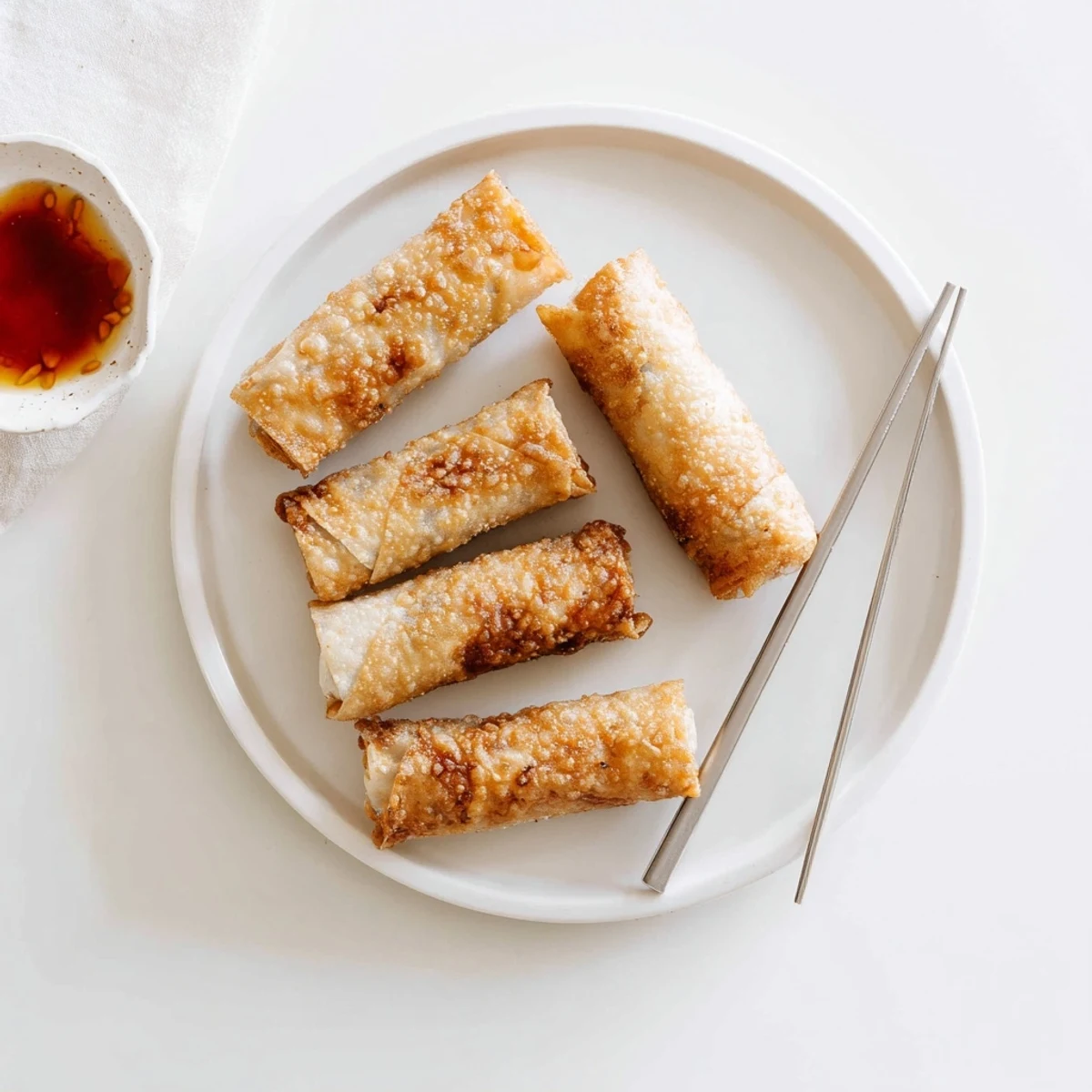
Save These Vietnamese-inspired rolls feature a satisfyingly crunchy exterior wrapped around a flavorful vegetable medley. The filling combines shredded carrots and cabbage with meaty shiitake mushrooms and fresh bean sprouts, seasoned with aromatic garlic, green onions, soy sauce, and toasted sesame oil.
After preparing the filling, you'll soften rice paper wrappers and roll them into neat parcels before frying until golden and irresistibly crispy. The result is a delightful contrast between the shattering exterior and tender, savory interior.
Each batch yields twelve rolls, perfect for sharing as an appetizer or enjoying as a light meal. Pair with your favorite dipping sauce—nuoc cham or sweet chili work beautifully—for an authentic touch.
The first time I attempted these spring rolls, my kitchen counter looked like a disaster zone of torn wrappers and scattered vegetables. My Vietnamese neighbor saw my struggle through the window and came over with a simple tip: work with slightly drier hands and don't soak the rice paper too long. Those three minutes of neighborly guidance transformed my rolling technique forever.
Last summer, I made these for a potluck and watched them disappear in under ten minutes. Someone asked for the recipe, and when I explained how simple they were, they looked genuinely skeptical. Now that same friend makes them every Tuesday for her family dinner rotation.
Ingredients
- Shredded carrots and cabbage: These form the crunchy backbone of the filling. Use a box grater or food processor for even shreds that cook uniformly.
- Shiitake mushrooms: Fresh mushrooms give better texture, but rehydrated dried ones work beautifully. Slice them thinly so they blend seamlessly with the vegetables.
- Bean sprouts: Add these last so they maintain their snap. They provide a fresh contrast to the cooked vegetables.
- Soy sauce and sesame oil: This simple seasoning combination creates depth without overwhelming the vegetables' natural flavors.
- Rice paper wrappers: Look for 22 cm wrappers at any Asian market. They're surprisingly forgiving once you get the soaking timing right.
- Vegetable oil for frying: Canola, peanut, or vegetable oil all work. The oil needs to be hot enough to immediately sizzle when you add the rolls.
Instructions
- Cook the aromatic base:
- Heat a nonstick skillet over medium heat with a teaspoon of oil. Sauté the minced garlic and chopped green onions for about 1 minute until fragrant but not browned.
- Soften the main vegetables:
- Add the shredded carrots, cabbage, and sliced mushrooms to the pan. Stir-fry for 3 to 4 minutes until the vegetables wilt and soften slightly.
- Season and finish the filling:
- Stir in the bean sprouts, soy sauce, sesame oil, and black pepper. Cook for 2 more minutes, then transfer to a bowl and let cool completely.
- Prepare the rice paper:
- Fill a wide, shallow dish with warm water. Dip each wrapper for 10 to 15 seconds until pliable, then lay it on a damp towel.
- Roll the spring rolls:
- Place 2 to 3 tablespoons of filling on the lower third of each wrapper. Fold the bottom over the filling, tuck in the sides, and roll tightly.
- Heat the frying oil:
- Pour 1/2 inch of oil into a large skillet or wok. Heat over medium-high until shimmering but not smoking.
- Fry until golden:
- Cook the spring rolls in batches, seam-side down first. Turn occasionally and fry for 2 to 3 minutes per side until deep golden brown.
- Drain and serve:
- Transfer finished rolls to a paper towel-lined plate. Serve immediately with your favorite dipping sauce while they're at maximum crispiness.
 Save
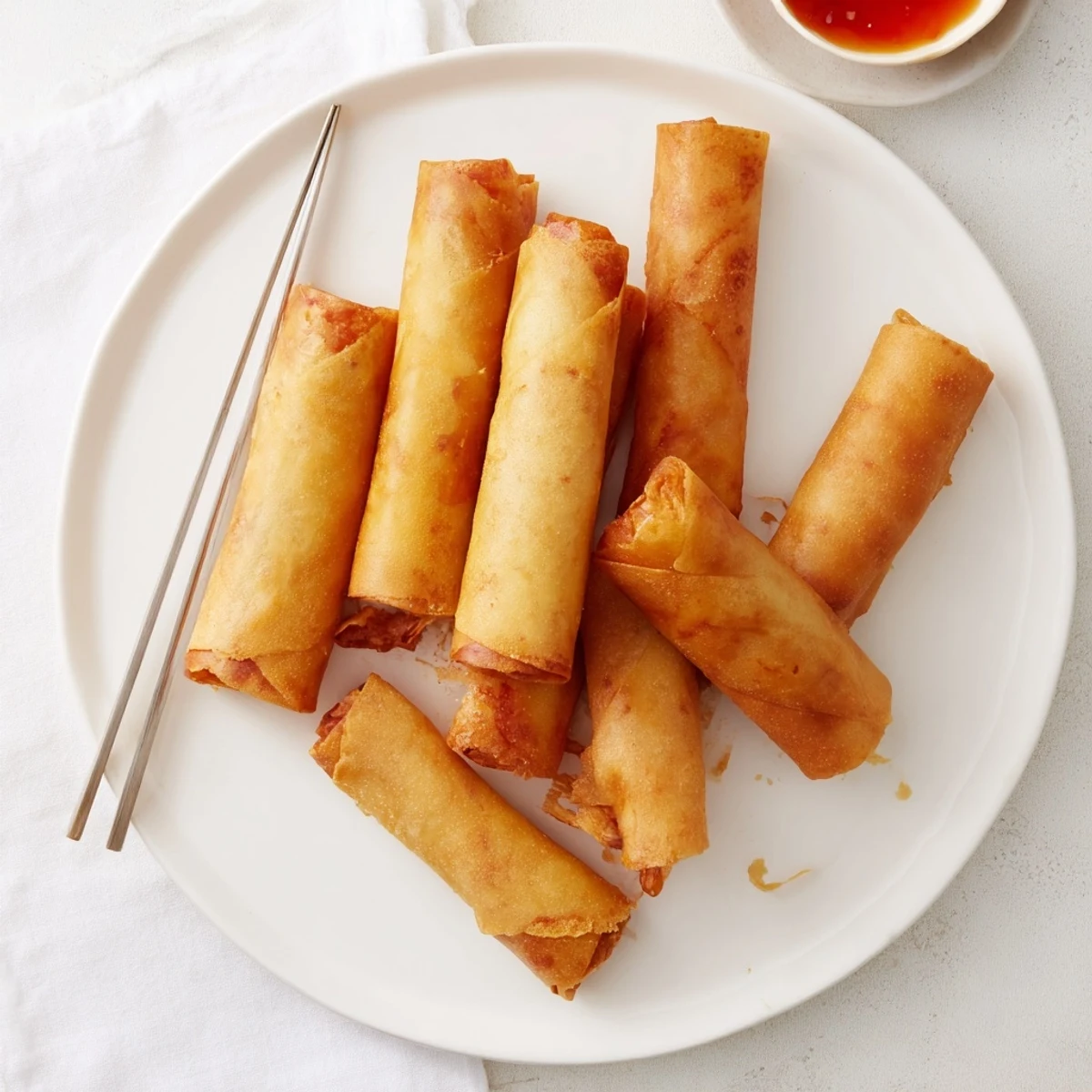
Save My daughter now helps me roll these every Sunday afternoon. Her technique isn't perfect yet, but her enthusiasm more than makes up for the occasionally lopsided spring roll. Those imperfect ones always taste the best.
Getting The Wrapper Texture Right
The trick to perfectly pliable rice paper is timing. Too short and it remains stiff and crackly. Too long and it becomes a fragile, sticky mess that tears at the slightest pressure. I've found that 10 to 15 seconds in warm water, followed by 30 seconds on a damp towel, hits the sweet spot every time. The wrapper continues to soften as you work with it, so err on the side of slightly firmer.
Oil Temperature Secrets
Getting your oil to the right temperature makes the difference between soggy, greasy spring rolls and perfectly crispy ones. I drop a small piece of rice paper into the oil as a test. If it immediately sizzles and rises to the surface, the oil is ready. If it sinks and bubbles lazily, give it another minute. Medium-high heat usually maintains the ideal temperature for shallow frying without burning the wrappers before the filling heats through.
Make-Ahead Mastery
These spring rolls can be assembled up to 4 hours before frying. Layer them between sheets of parchment paper and cover with a barely damp towel to prevent drying out. When you're ready to serve, fry them fresh for that restaurant-quality crunch. Uncooked rolls can also be frozen for up to 2 months. Thaw in the refrigerator overnight before frying.
- Freeze uncooked rolls in a single layer first, then transfer to a freezer bag
- If frying frozen rolls, lower the oil temperature slightly and cook for an extra minute
- Never refrigerate cooked spring rolls or they'll lose their signature crispiness
 Save
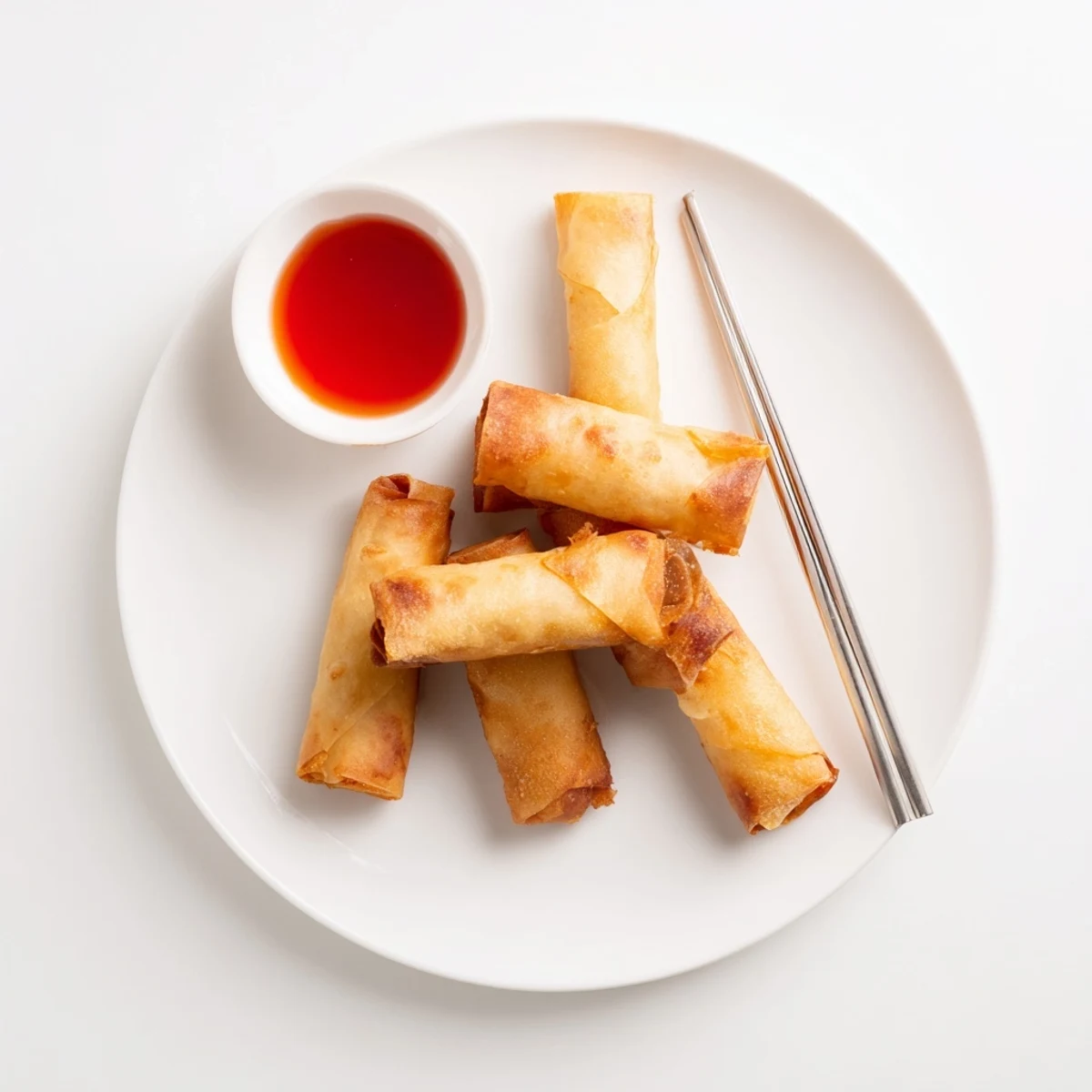
Save Whether you're serving them at a party or enjoying them as a quiet weekend snack, these spring rolls have a way of making any moment feel special and delicious.
Recipe Questions & Answers
- → How do I prevent rice paper from tearing when rolling?
-
Soak wrappers for just 10–15 seconds until pliable but not overly soft. Work on a damp towel to prevent sticking and handle gently. Fill and roll immediately while still flexible.
- → Can I bake these instead of frying?
-
Absolutely. Brush rolled spring rolls lightly with oil and bake at 400°F (200°C) for 20–25 minutes, turning halfway through. The texture will be slightly less crispy but still delicious.
- → What dipping sauces work best?
-
Nuoc cham (fish sauce dipping sauce) offers traditional Vietnamese flavor. Sweet chili sauce provides a fruity heat, or try a simple soy-vinegar dip with fresh herbs and minced garlic.
- → Can I add protein to the filling?
-
Yes. Finely chopped firm tofu, cooked vermicelli noodles, or even seasoned ground meat can be incorporated. Adjust cooking time to ensure any added protein is fully cooked before filling.
- → How long do these stay crispy after frying?
-
Best enjoyed immediately while hot and crispy. If needed, keep fried rolls in a 200°F oven for up to 30 minutes. Room temperature rolls lose their crunch within an hour.
- → Can I freeze uncooked spring rolls?
-
Yes. Place uncooked rolls on a baking sheet until firm, then transfer to an airtight container. Freeze for up to 1 month. Fry from frozen, adding 1–2 extra minutes per side.