
 Save
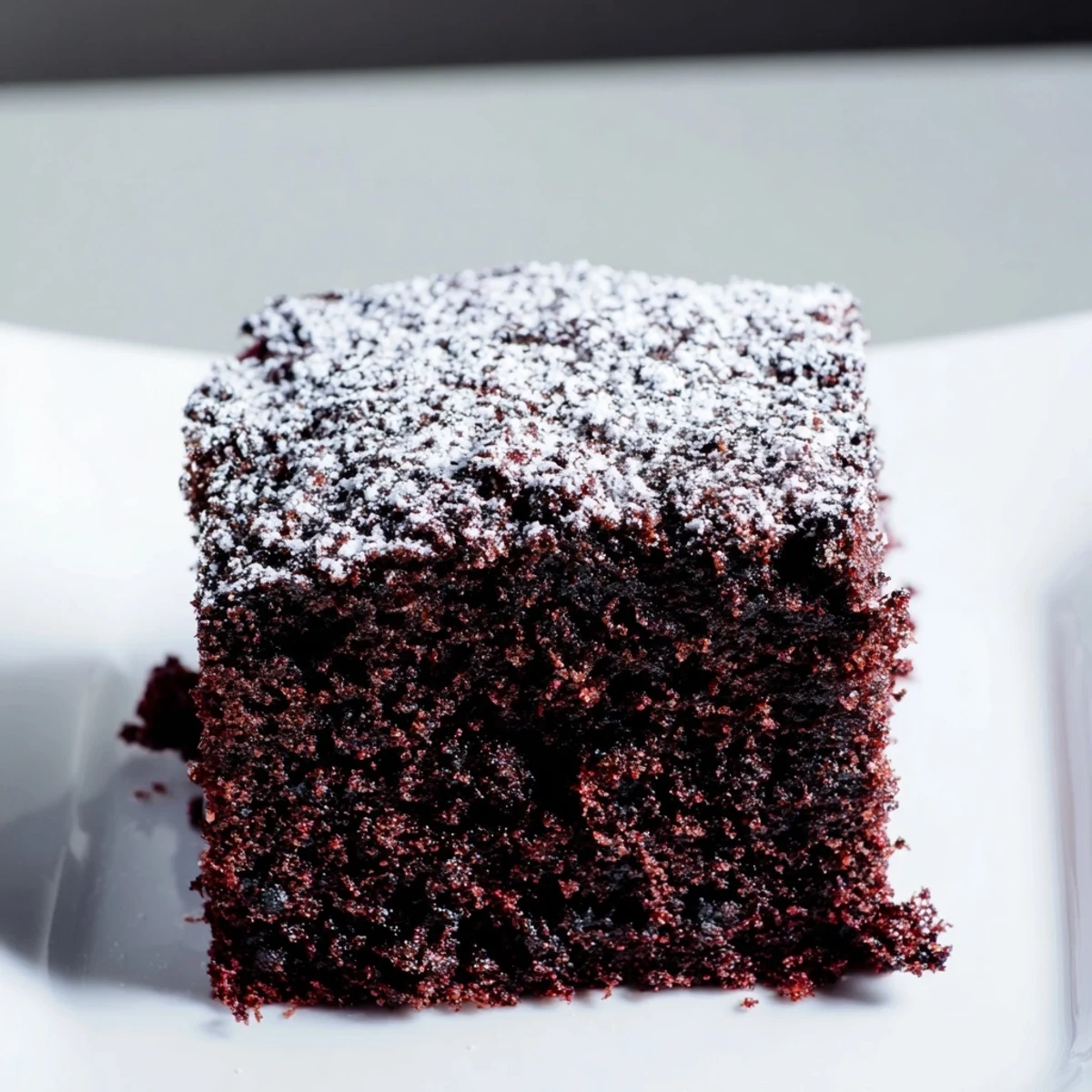
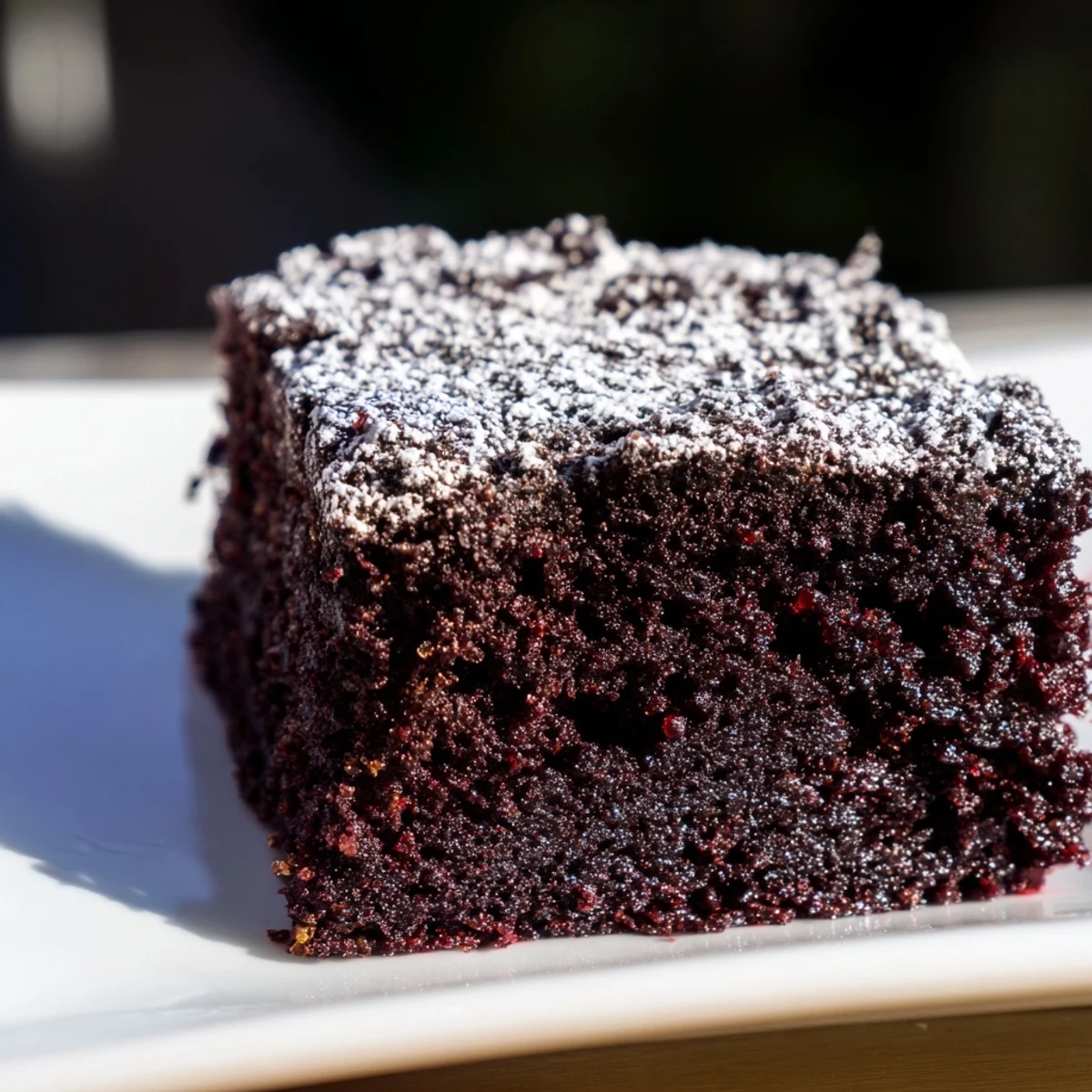
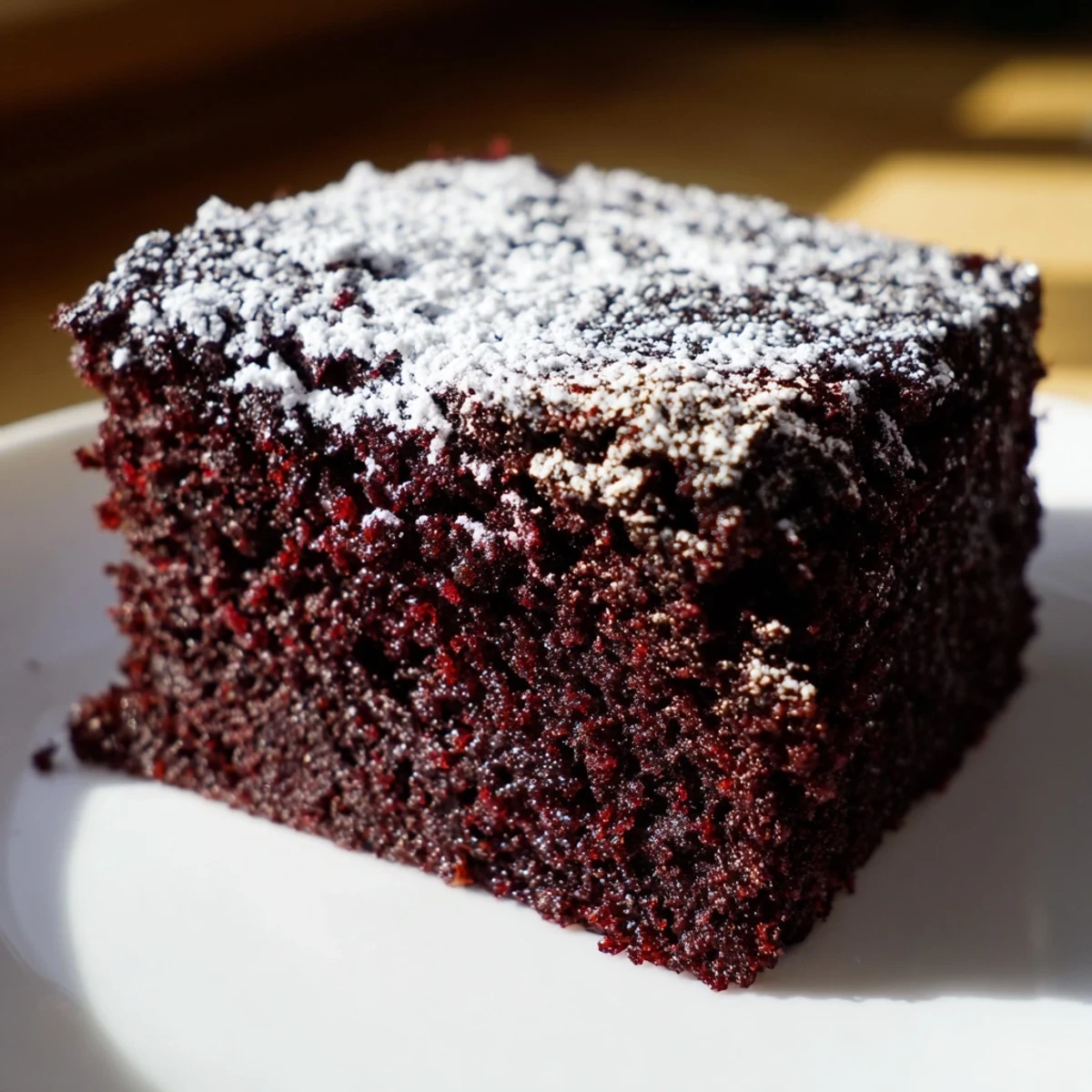
Save This moist and rich snack highlights the natural earthiness of beetroot balanced with intense dark chocolate. Combining dry ingredients like cocoa and flour with grated beetroot and melted dark chocolate creates a surprising depth of flavor and moisture. Lightly sweetened and enriched with eggs and oil, the batter bakes into tender, chocolatey squares perfect for enjoying as a nutritious treat. The method encourages gentle folding to maintain a delicate crumb and can be paired with a dusting of powdered sugar or rich ganache for extra decadence.
I stumbled onto this cake entirely by accident when a friend left a container of roasted beetroots on my kitchen counter after a farmers market run. I'd been craving something chocolate, something rich, but the beets sitting there seemed like a puzzle waiting to be solved. That afternoon, I mixed them into a dark chocolate batter almost on instinct, and what emerged from the oven was this impossibly moist, earthy-sweet cake that somehow felt both indulgent and wholesome at once.
I brought this cake to a dinner party where one guest spent ten minutes trying to figure out what made it taste so complex and slightly mineral. When I finally told her about the beetroot, she laughed and immediately asked for the recipe, saying it tasted like a secret ingredient finally revealed. That moment reminded me why I love baking for people—those tiny surprises that make someone pause mid-bite and really taste what they're eating.
Ingredients
- All-purpose flour (1 cup): Use standard white flour here; it gives you a tender crumb that won't fight with the beetroot's moisture.
- Unsweetened cocoa powder (1/2 cup): Buy decent cocoa powder because this is where your chocolate flavor lives, and cheap cocoa tastes thin and bitter.
- Baking powder and baking soda (1 tsp and 1/2 tsp): They work together to lift the cake, but don't double them thinking you'll get extra rise—you'll just get a bitter, soapy taste.
- Fine sea salt (1/4 tsp): This tiny amount amplifies the chocolate and keeps the sweetness from becoming cloying.
- Granulated sugar (2/3 cup): Measure it by weight if you can; it'll give you consistency that volume measurements can't always guarantee.
- Large eggs (3): Cold eggs from the fridge will seize your oil slightly when you add them, so let them sit out for fifteen minutes beforehand.
- Vegetable oil (1/2 cup): This keeps the cake tender; butter would make it more cakey and less moist, so don't swap it out.
- Pure vanilla extract (1 tsp): Use real vanilla, not imitation, because you're only using a teaspoon and imitation will taste metallic at this concentration.
- Cooked beetroot (1 1/2 cups grated or puréed): Roasted or steamed beetroots work beautifully; just avoid pickled ones, which will introduce vinegar and throw off your balance.
- Dark chocolate 70% cocoa (3 oz melted and cooled): Melting and cooling it first prevents it from scrambling the eggs when you fold it in.
Instructions
- Set your stage:
- Preheat your oven to 350°F and line an 8-inch square pan with parchment paper, pressing it into the corners so it stays put. A greased pan under the parchment keeps everything anchored and makes turning the cake out later almost effortless.
- Build your dry foundation:
- Whisk together flour, cocoa powder, baking powder, baking soda, and salt in a medium bowl. This mixing aerates the cocoa and distributes the leaveners evenly, so you won't end up with hidden pockets of baking soda.
- Cream your sugar and eggs:
- In a large bowl, whisk sugar and eggs until the mixture turns pale and thickens slightly—this takes about two minutes and means you've incorporated enough air for a tender crumb. You'll know it's right when you lift the whisk and the mixture forms ribbons.
- Emulsify with oil and vanilla:
- Add the oil and vanilla to your egg mixture and whisk until it's completely combined and looks like pale cream. This step seems simple but it's building an emulsion that keeps the cake from becoming dense.
- Fold in beetroot and chocolate:
- Stir in the grated beetroot and cooled melted chocolate until everything is evenly distributed and you don't see any streaks. The batter will look dark and almost muddy, which is exactly what you want.
- Marry wet and dry gently:
- Using a spatula, fold the dry ingredients into the wet mixture with as few strokes as possible—overmixing develops gluten and turns your cake tough and springy instead of tender and moist. Stop when you see no visible streaks of flour.
- Bake until barely done:
- Pour the batter into your prepared pan and smooth the top gently with a spatula. Bake for 30 to 35 minutes, checking at 30 with a toothpick inserted in the center—it should come out with a few moist crumbs clinging to it, not clean and not wet.
- Cool with patience:
- Let the cake cool completely in the pan, which allows the crumb to set and makes slicing so much cleaner. I usually cool mine for at least two hours, or even overnight if I'm not in a hurry.
 Save
Save Years later, my friend texted me a photo of this cake she'd baked for her own dinner party, and suddenly I understood how recipes become part of someone else's life. It's not just about following instructions; it's about discovering something that genuinely tastes good and becoming confident enough to bake it again and again until it feels like your own.
Why Beetroot Works in Chocolate Cake
Beetroot adds moisture and natural earthiness that dark chocolate actually needs. The two flavors don't compete—instead, the beetroot deepens the chocolate's complexity and adds a subtle minerality that keeps the cake from tasting one-note. I used to think vegetables in desserts were a gimmick until I tasted how they actually improve the texture and finish.
Storage and Make-Ahead
This cake keeps beautifully wrapped in plastic at room temperature for three days, and wrapped even better in the fridge for up to five. I've found that it actually tastes better on day two, when the flavors have had time to meld and the texture is still perfectly moist. You can also freeze it unfrosted for up to three months, then thaw it overnight and decide whether to dust it with powdered sugar or top it with chocolate ganache.
Finishing Touches and Variations
A simple chocolate ganache takes this from a snack cake to something almost fancy, but honestly, a light dusting of powdered sugar lets the chocolate-beetroot flavor shine without distraction. Some people add a pinch of cinnamon or a half teaspoon of espresso powder to the dry ingredients, and while I haven't gone there myself, I've tasted versions that were extraordinary.
- For extra decadence, make a quick ganache by pouring warm heavy cream over chopped dark chocolate, letting it sit for a minute, then stirring until glossy and smooth.
- Swap out half the cocoa powder for Dutch-process cocoa if you want a deeper, slightly less acidic flavor.
- Try a gluten-free 1:1 flour blend if you need to, and the cake will be equally tender and moist.
 Save
Save There's something about a cake that tastes indulgent but also honest that keeps me coming back to it. This one is proof that the best recipes often come from happy accidents and a willingness to trust unusual combinations.
Recipe Questions & Answers
- → What does beetroot add to the snack?
-
Beetroot provides natural moisture and a subtle earthy flavor, enhancing the cake's richness and texture.
- → Can I use a different type of chocolate?
-
Dark chocolate with high cocoa content works best for balance and intensity, but semi-sweet alternatives can be used for milder taste.
- → How can I ensure the snack stays moist?
-
Incorporating puréed beetroot and avoiding overmixing helps retain moisture and a tender crumb in the finished product.
- → Is this suitable for gluten-free diets?
-
Yes, substituting all-purpose flour with a 1:1 gluten-free flour blend will accommodate gluten-free preferences.
- → What toppings pair well with this snack?
-
Simple chocolate ganache or a light sprinkle of powdered sugar complement the flavors without overpowering them.