
 Save
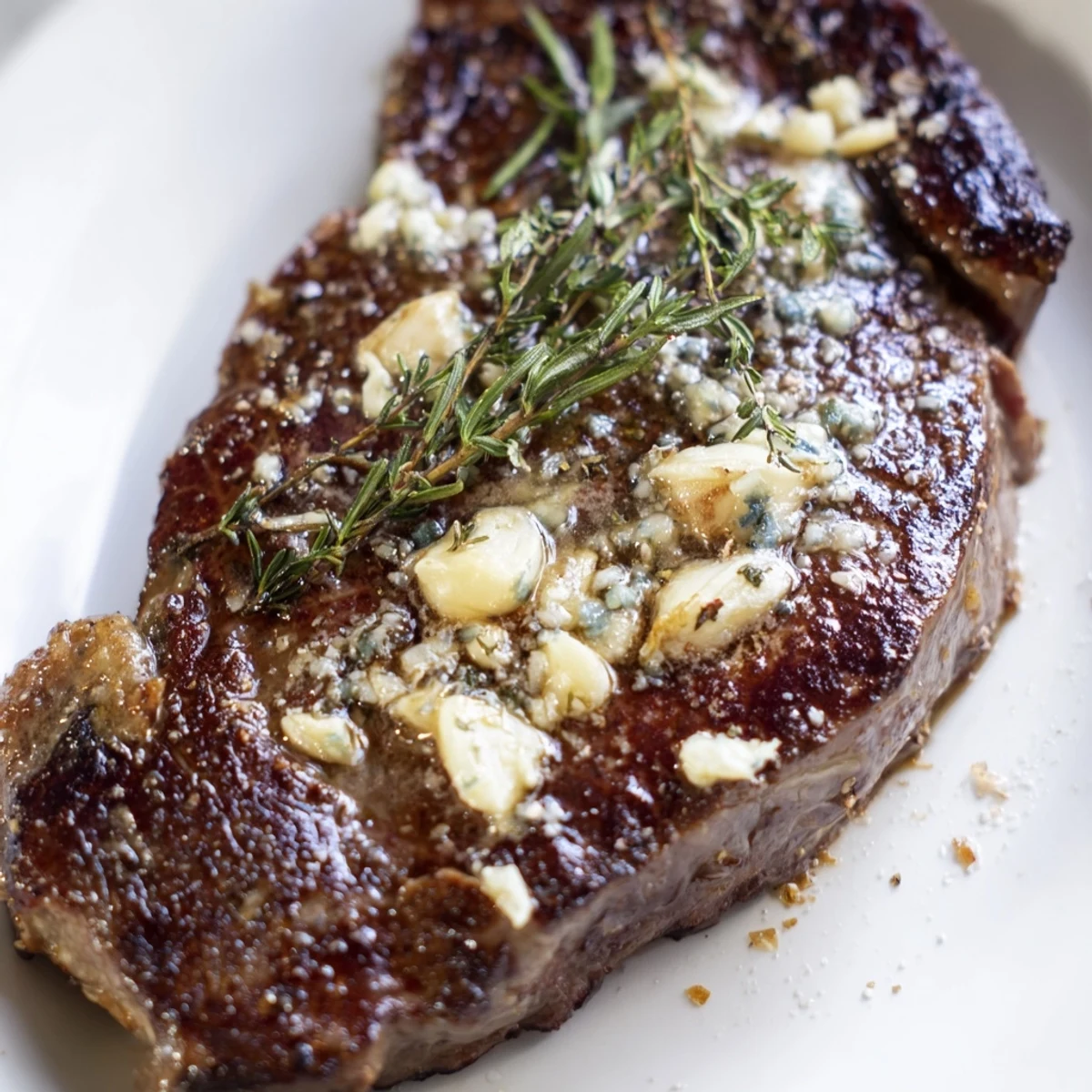
Save This method delivers a perfectly seared ribeye with a deep caramelized crust and juicy interior. The cast iron skillet creates optimal high heat for developing flavor, while the garlic butter basting adds aromatic richness throughout cooking.
Key technique involves bringing meat to room temperature first, then searing undisturbed to form the crust. The continuous basting with infused butter ensures every bite remains moist and flavorful.
Resting the finished steaks allows juices to redistribute, resulting in tender, succulent meat. The finishing touch of pan juices and optional flaky salt elevates the dish to steakhouse quality.
My dad used to cook Sunday steaks on our back porch, the smell of searing meat drifting through the neighborhood until neighbors started showing up with their own plates. He swore by his cast iron skillet that he seasoned for thirty years, claiming it held the memory of every good meal wed ever made together. This garlic butter version takes that simple tradition and elevates it into something restaurant worthy while keeping that same rustic, comforting soul.
Last winter my partner came home exhausted after a brutal week at work, and I decided to attempt this recipe on a whim. The sizzle of the steak hitting that hot pan filled our tiny apartment, and watching their face light up at that first bite made all the smoke detector drama completely worth it. Now its our celebration meal for everything from promotions to just making it through a Tuesday.
Ingredients
- Ribeye steaks (12 oz each, 1 1.5 inches thick): The thickness matters tremendously here, giving you that perfect contrast between seared exterior and rosy interior. Ribeyes marbling melts during cooking, self basting the meat as it rests.
- Kosher salt (1 1/2 teaspoons): The coarse flakes cling better to the meat surface than table salt, creating that gorgeous crust were after. Season generously, then step back and trust the process.
- Freshly ground black pepper (1 teaspoon): Grind it right before you season, the volatile oils make all the difference in the final flavor profile.
- Unsalted butter (3 tablespoons): Using unsalted lets you control exactly how much salt goes into your garlic butter finale.
- Fresh garlic (3 cloves, crushed): Crushing instead of mincing releases more of those aromatic oils into the butter as it melts.
- Fresh thyme (2 sprigs) and rosemary (1 sprig): Woody herbs stand up to high heat better than delicate ones, infusing the butter with earthy, floral notes that complement the rich beef.
- Olive oil (1 tablespoon): Higher smoke point than butter, perfect for getting that initial sear without burning.
- Flaky sea salt (optional): The finishing touch that adds bursts of salty crunch against the tender meat.
Instructions
- Bring steaks to room temperature:
- Pull the meat from the fridge thirty minutes before cooking and pat thoroughly dry with paper towels. This simple step ensures even cooking and helps the salt stick properly.
- Season generously:
- Sprinkle kosher salt and pepper over both sides, pressing gently to help it adhere. Dont be shy with the seasoning, some will fall off during searing anyway.
- Get your pan screaming hot:
- Heat the cast iron over high heat for three to five minutes until it radiates warmth from several inches away. A properly hot pan creates the crust that makes restaurant steaks so distinctive.
- Sear to perfection:
- Add olive oil and place steaks in the pan, then resist every urge to move them. Let them develop that deep mahogany crust for two to three minutes, the sound should be a steady aggressive sizzle.
- Flip and add the magic:
- Turn the steaks and immediately drop in butter, garlic, and herbs. The pan will roar with activity as butter foams and garlic perfumes the air.
- Baste like a pro:
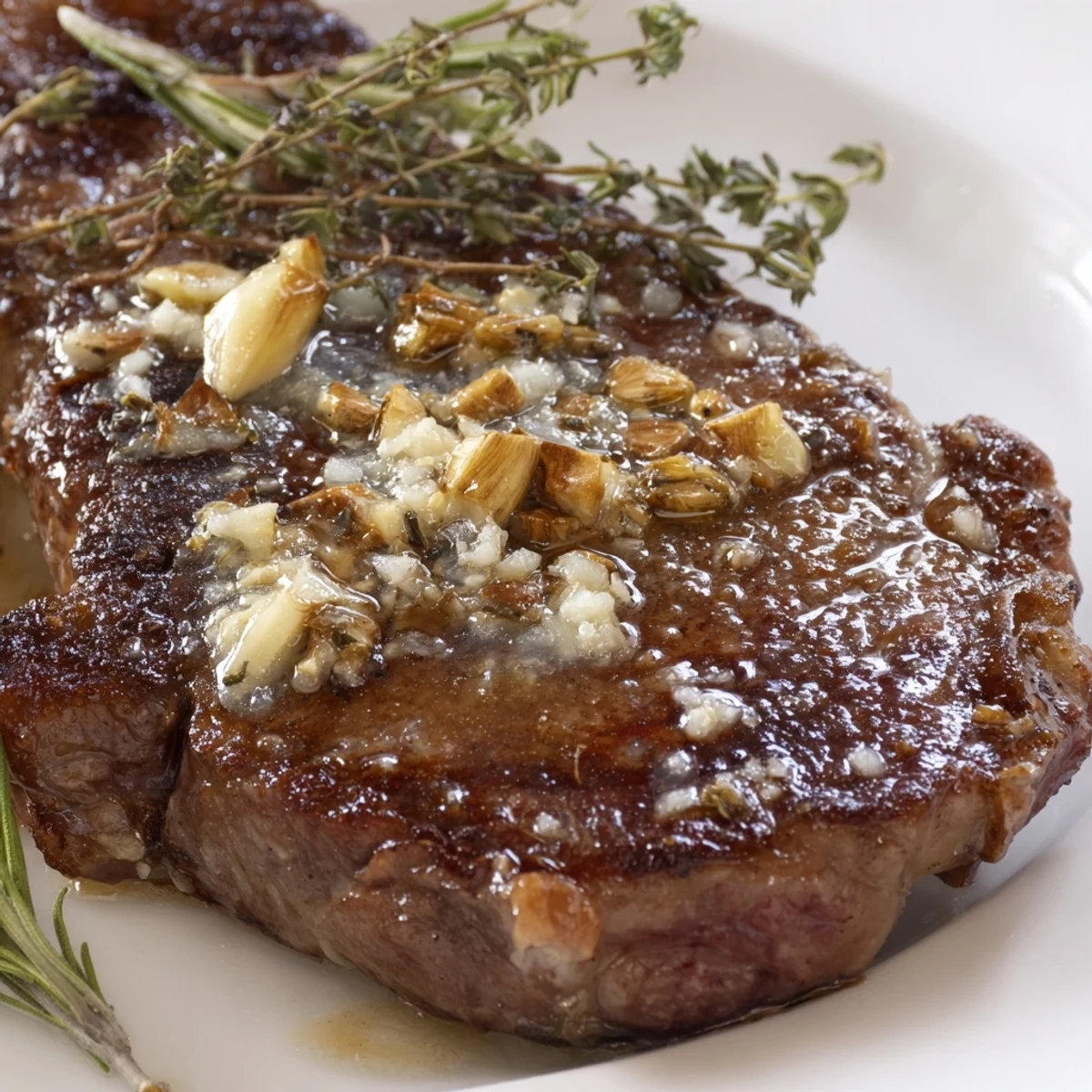
- Tilt the pan slightly and spoon that melting garlic butter over the steaks continuously for two to three minutes. The butter will brown and take on incredible flavor while it cooks the meat from above.
- Let it rest:
- Move steaks to a plate and tent loosely with foil for five minutes. This pause allows juices to redistribute throughout the meat instead of running out onto your cutting board.
- Finish and serve:
- Slice against the grain and spoon any remaining pan butter over the top. A final sprinkle of flaky salt sends it over the edge.
 Save
Save This recipe converted my steak skeptic friend who claimed they only well done meat from chain restaurants. Watching them nervously cut into that pink center and then immediately ask for seconds was a personal victory I still think about.
Getting The Perfect Sear
That restaurant quality crust comes from patience and high heat, two things most home cooks rush. The pan needs time to get properly hot, and the steak needs time to make contact with that heat uninterrupted. When you see that deep brown color developing, youll understand why this method works, its creating flavor through the Maillard reaction, essentially transforming the proteins and sugars on the meats surface.
Mastering The Baste
Basting feels intimidating but its simply tilting your pan and spooning hot butter over the meat repeatedly. The garlic and herbs infuse the butter as it melts, which then continuously flavors and helps cook the top of your steak while the pan heat works on the bottom. I burned my first few attempts trying to go too fast, but slow and steady wins this particular race.
Choosing The Right Steak
Thickness is your friend in this recipe, anything thinner than an inch will overcook before developing proper color. Look for even marbling throughout the meat, those white streaks of fat will melt and keep everything juicy during cooking. If your butcher is anything like mine, they will appreciate you asking for the right cut instead of grabbing whatever is pre wrapped.
- Buy the best quality meat your budget allows, this recipe highlights the ingredient
- Ask your butcher to cut steaks at least 1.5 inches thick if not available
- Avoid wet aged meat in cryovac packages when possible, dry aged is worth the upgrade
 Save
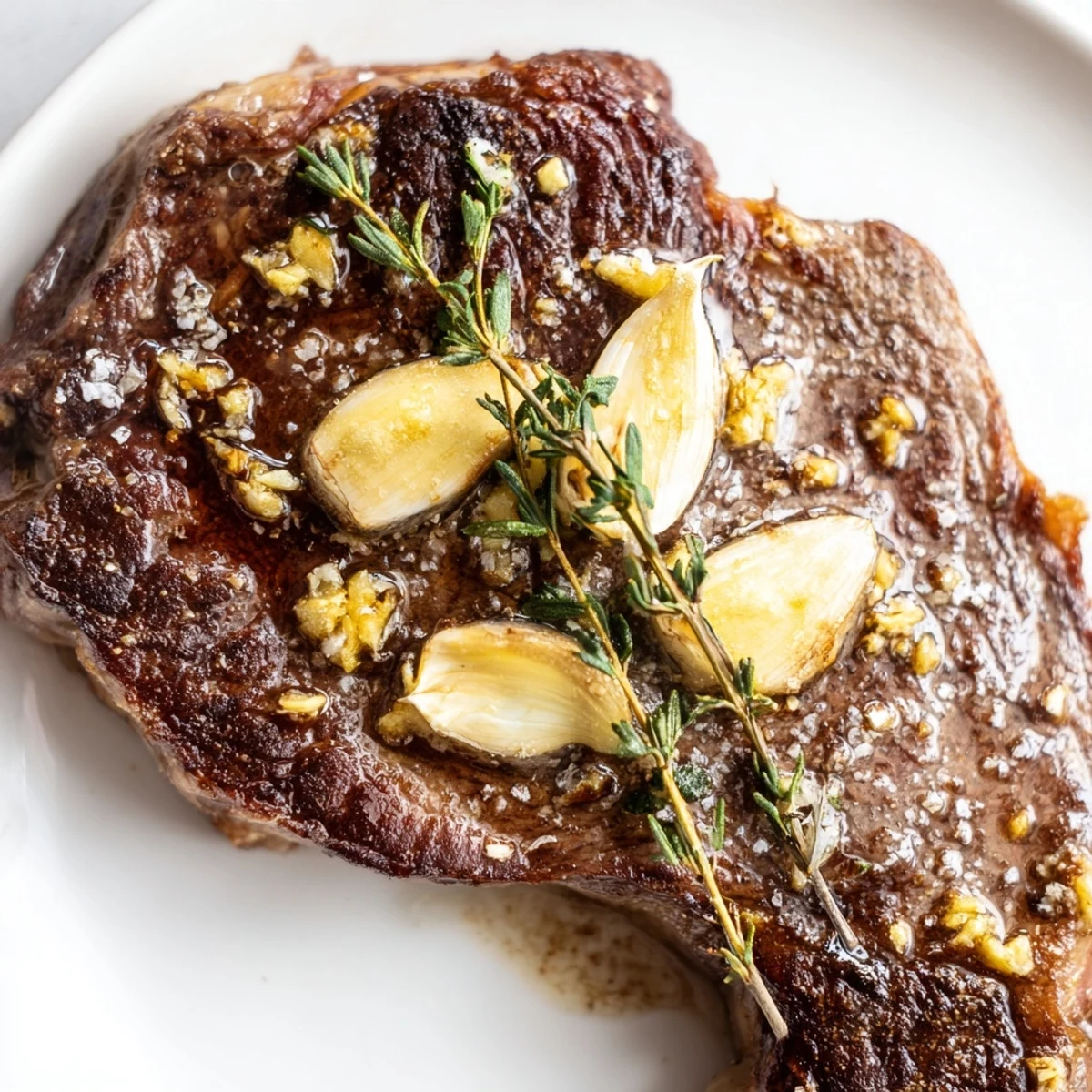
Save There is something profoundly satisfying about cooking a perfect steak at home, proving you do not need a reservation to eat like royalty. Grab your cast iron and show your dinner what real food tastes like.
Recipe Questions & Answers
- → Why bring steaks to room temperature before cooking?
-
Room temperature steaks cook more evenly, allowing the heat to penetrate properly without overcooking the exterior before the center reaches desired doneness.
- → How do I know when the steak is done?
-
Use a meat thermometer to check internal temperature. Medium-rare reaches 125°F/52°C. The touch test also works—firm but with some give indicates medium-rare.
- → Can I use other cuts of meat?
-
While ribeye offers ideal marbling and flavor, you can use New York strip, filet mignon, or sirloin. Adjust cooking times based on thickness.
- → Why rest the meat after cooking?
-
Resting allows juices to redistribute throughout the steak. Cutting immediately releases flavorful liquids, resulting in drier meat.
- → What if I don't have fresh herbs?
-
Dried herbs work in a pinch—use 1/3 the amount. Alternatively, skip herbs and focus on the garlic butter for classic flavor.
- → Can I finish in the oven?
-
Yes, after searing both sides, transfer the skillet to a 400°F oven for 3-5 minutes to finish cooking without excessive browning.