
 Save
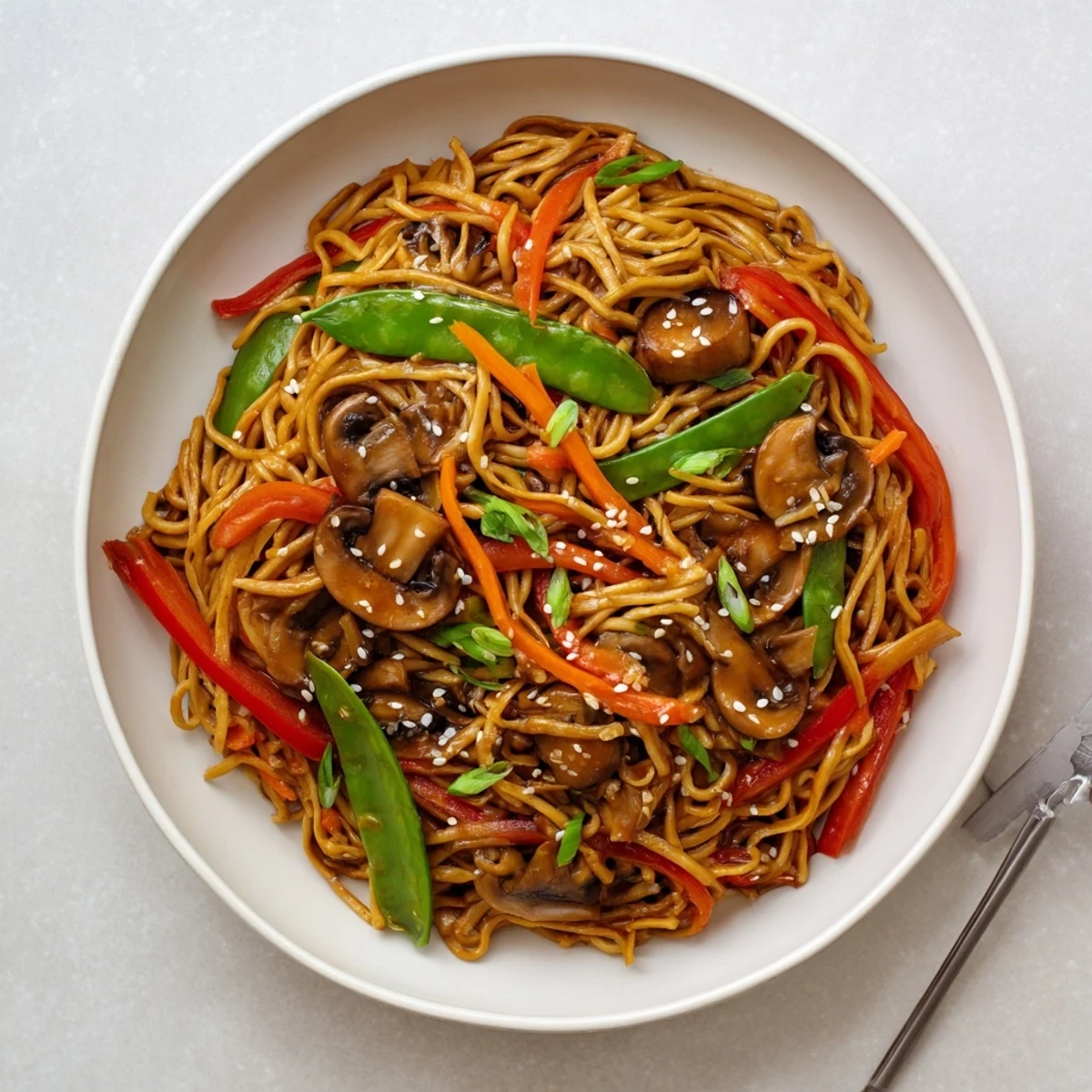
Save This aromatic noodle dish brings together earthy mushrooms, fragrant garlic, and colorful vegetables for a satisfying 30-minute meal. The noodles are coated in a rich, savory sauce combining soy sauce, vegetarian oyster sauce, and sesame oil for authentic Chinese restaurant flavor at home.
Perfect for busy weeknights, this vegetarian chow mein delivers restaurant-quality results with minimal effort. The vegetables maintain their crisp-tender texture while the noodles absorb all the delicious flavors of the sauce.
My tiny apartment kitchen smelled like garlic and sesame oil for three days straight after I first attempted chow mein. The wok was too small, the noodles stuck together in a clump, but somehow that slightly messy bowl of noodles tasted like absolute victory. Now I make this garlic mushroom version whenever I need something fast, satisfying, and completely vegetarian.
Last Tuesday my roommate walked in mid stirfry, dropped her bag on the floor, and immediately grabbed a fork. We ended up eating standing up around the stove, too hungry to bother with plates. That is the kind of recipe this is.
Ingredients
- 250 g dried egg noodles: These soak up the sauce beautifully while keeping their springy texture
- 250 g mushrooms: Button or cremini work best and develop incredible depth when browned properly
- 1 red bell pepper: Adds sweetness and that gorgeous pop of color against the noodles
- 1 medium carrot: Julienned thin so it cooks quickly and stays crisp
- 100 g sugar snap peas: Bring fresh crunch and a bright green element
- 2 spring onions: One for cooking, one for fresh garnish at the end
- 4 cloves garlic: Do not skimp here, this is garlic chow mein after all
- 2 tbsp soy sauce: The foundation of that classic savory flavor
- 1 tbsp dark soy sauce: Gives the noodles their rich caramel color
- 1 tbsp vegetarian oyster sauce: Mushroom sauce works perfectly for deep umami notes
- 1 tbsp sesame oil: Divide this, using half for the noodles and half for finishing
- 1 tsp sugar: Balances the saltiness and helps vegetables caramelize
- ½ tsp ground white pepper: Subtle warmth that does not overpower
- 2 tbsp vegetable oil: High smoke point oil is essential for proper stirfry technique
- 1 tbsp toasted sesame seeds: For that restaurant style finish and nutty crunch
Instructions
- Cook the noodles:
- Boil them according to the package, drain well, rinse with cold water, and toss with a splash of sesame oil so they do not turn into a sticky mess
- Whisk the sauce:
- Mix both soy sauces, oyster sauce, sugar, and white pepper in a small bowl until the sugar completely dissolves
- Heat your wok:
- Get the vegetable oil smoking hot over high heat, then add the garlic and stirfry for thirty seconds until your kitchen smells amazing
- Brown the mushrooms:
- Add them to the wok and let them cook undisturbed for a minute before stirring, repeating until they are golden and have released their moisture
- Add the vegetables:
- Toss in the bell pepper, carrot, and sugar snap peas, stirfrying for two to three minutes until they are vibrant but still crunchy
- Combine everything:
- Add the cooked noodles, pour the sauce over top, and toss vigorously for two to three minutes until every strand is coated and glossy
- Finish with freshness:
- Stir in most of the spring onions right at the end, then serve hot with sesame seeds and remaining onions scattered on top
 Save
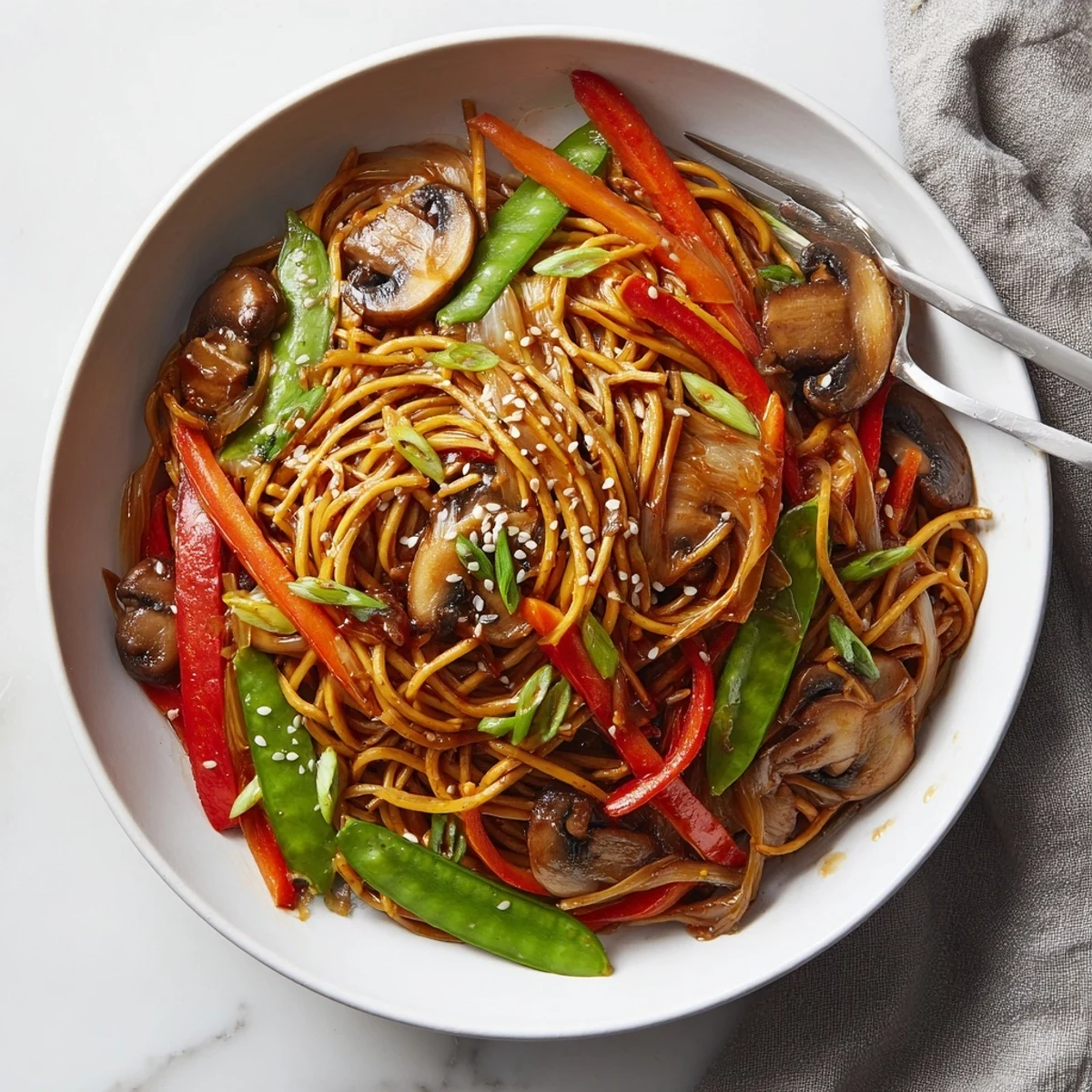
Save This recipe became my go to after a particularly long day when takeout felt like too much effort but cereal felt like too little. Now it is the meal I make when I need something comforting but do not want to compromise on flavor.
Getting That Restaurant Texture
The secret is cooking over high heat and not overcrowding the wok. If you add too many vegetables at once, they will steam instead of fry, and you will miss out on those tasty caramelized edges.
Making It Your Own
Sometimes I add cubed firm tofu when I want extra protein, or a handful of baby spinach at the very end for more greens. The sauce base works with almost any vegetable you have in the crisper drawer.
Perfecting The Noodles
Dried egg noodles are traditional, but rice noodles work if you need gluten free. Just soak them according to the package and adjust the cooking time since they are more delicate than wheat noodles.
- Taste your sauce before adding it and adjust the sugar or soy sauce to your preference
- Keep your ingredients moving in the wok to prevent burning
- Have your serving bowls ready because this dish is best eaten immediately
 Save
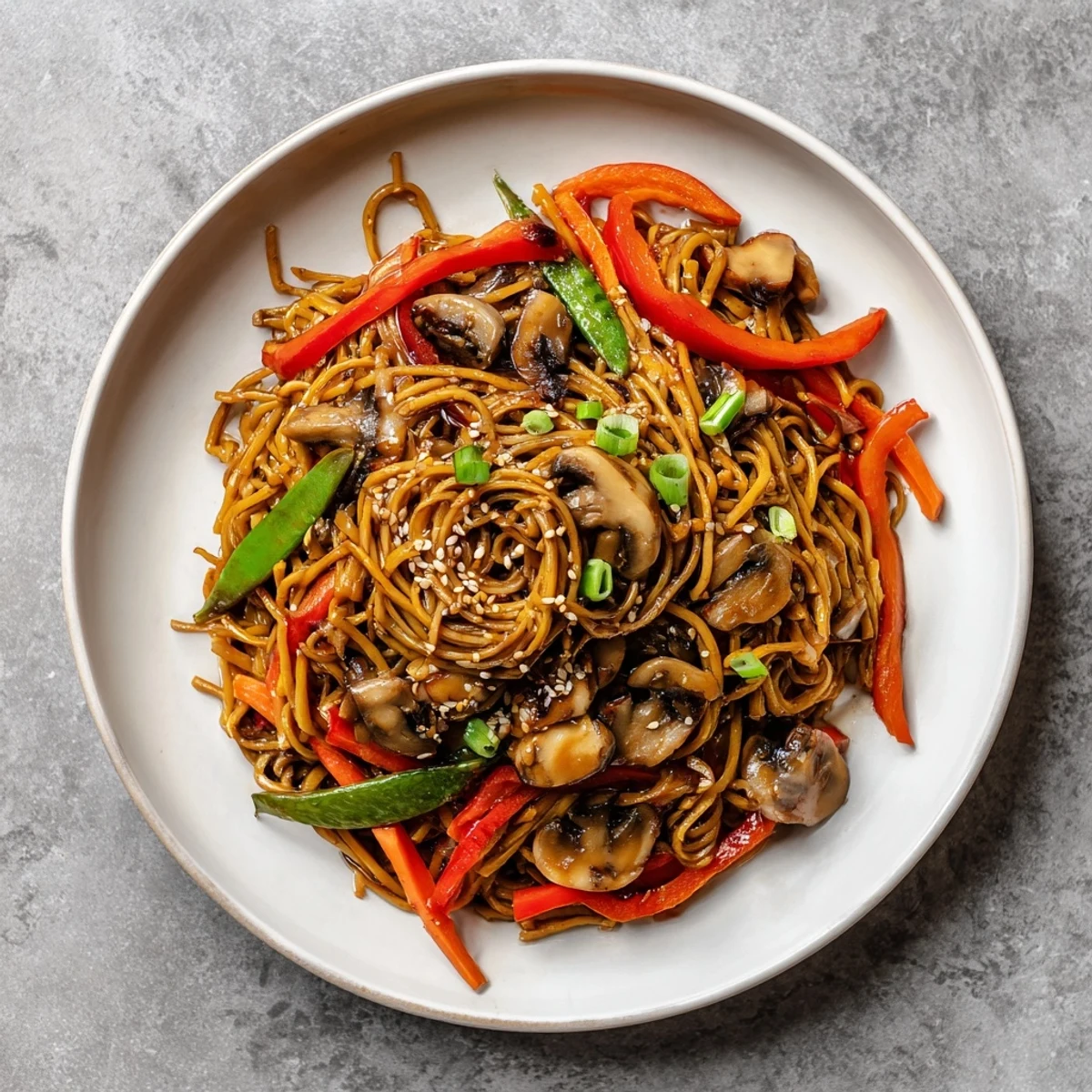
Save Grab your chopsticks and dig in while it is still steaming hot. That first bite of slippery noodles coated in savory sauce is exactly what weeknight dinners should taste like.
Recipe Questions & Answers
- → Can I use different noodles for this dish?
-
Yes, you can substitute dried egg noodles with wheat noodles, udon noodles, or even rice noodles. Just adjust cooking time according to package instructions since different noodles require varying cooking times.
- → How do I prevent the noodles from sticking together?
-
After cooking and draining, rinse the noodles under cold water and toss them with a small amount of sesame oil. This prevents sticking and adds extra flavor. Keep them separate until you're ready to add them to the wok.
- → Can I make this chow mein vegan?
-
Absolutely. Replace the egg noodles with wheat or rice noodles, use vegan-friendly vegetarian oyster sauce or mushroom sauce, and ensure your soy sauce brands are vegan. The dish remains just as delicious and satisfying.
- → What vegetables work best in this stir-fry?
-
Button or cremini mushrooms are ideal for their meaty texture, but you can also add bok choy, bean sprouts, or shredded cabbage. The key is to use vegetables that cook quickly and maintain some crunch in the final dish.
- → How can I add more protein to this dish?
-
Firm cubed tofu, edamame, or cashews work beautifully as protein additions. Add tofu when you add the mushrooms so it gets lightly browned, or stir in edamame during the last minute of cooking to warm through.