
 Save
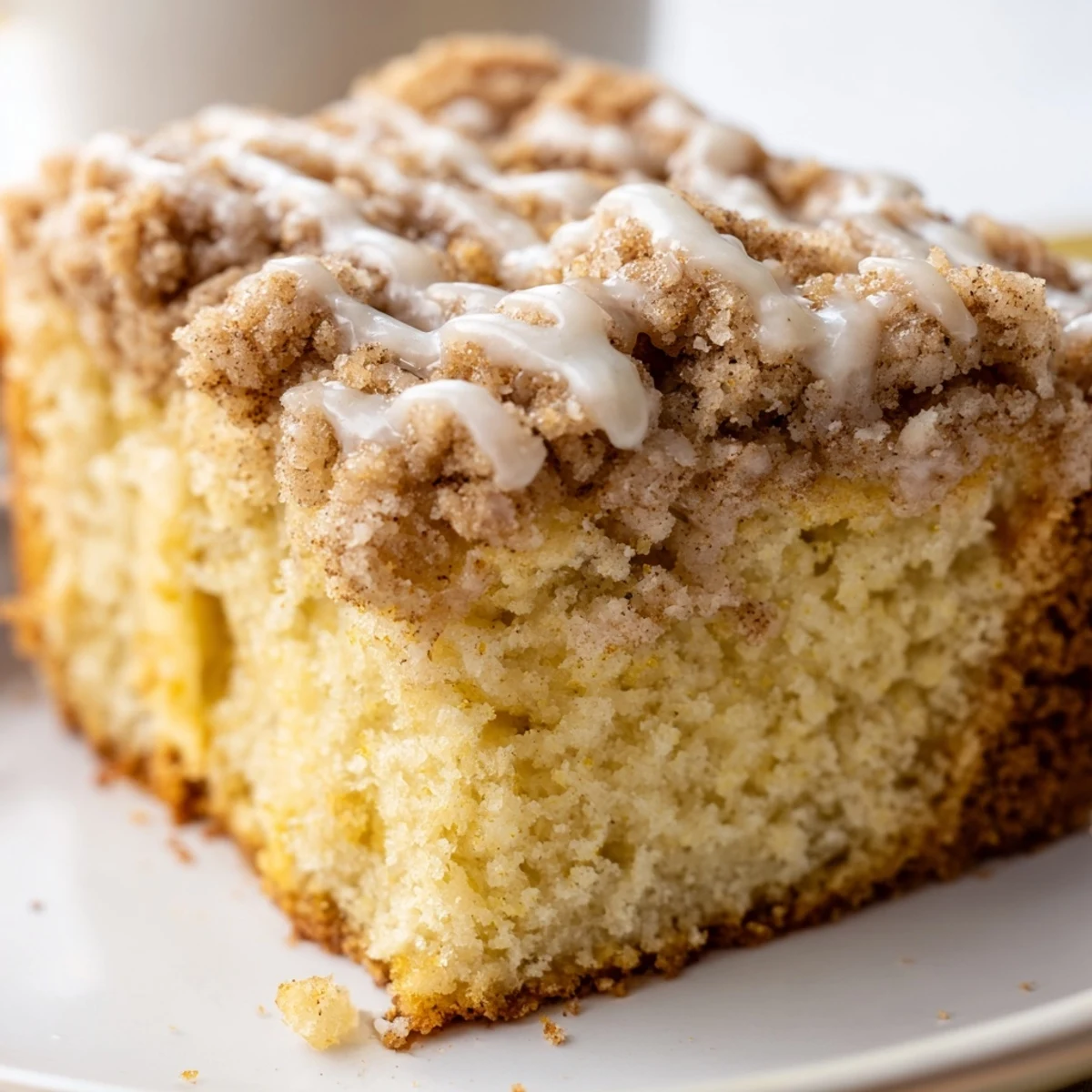
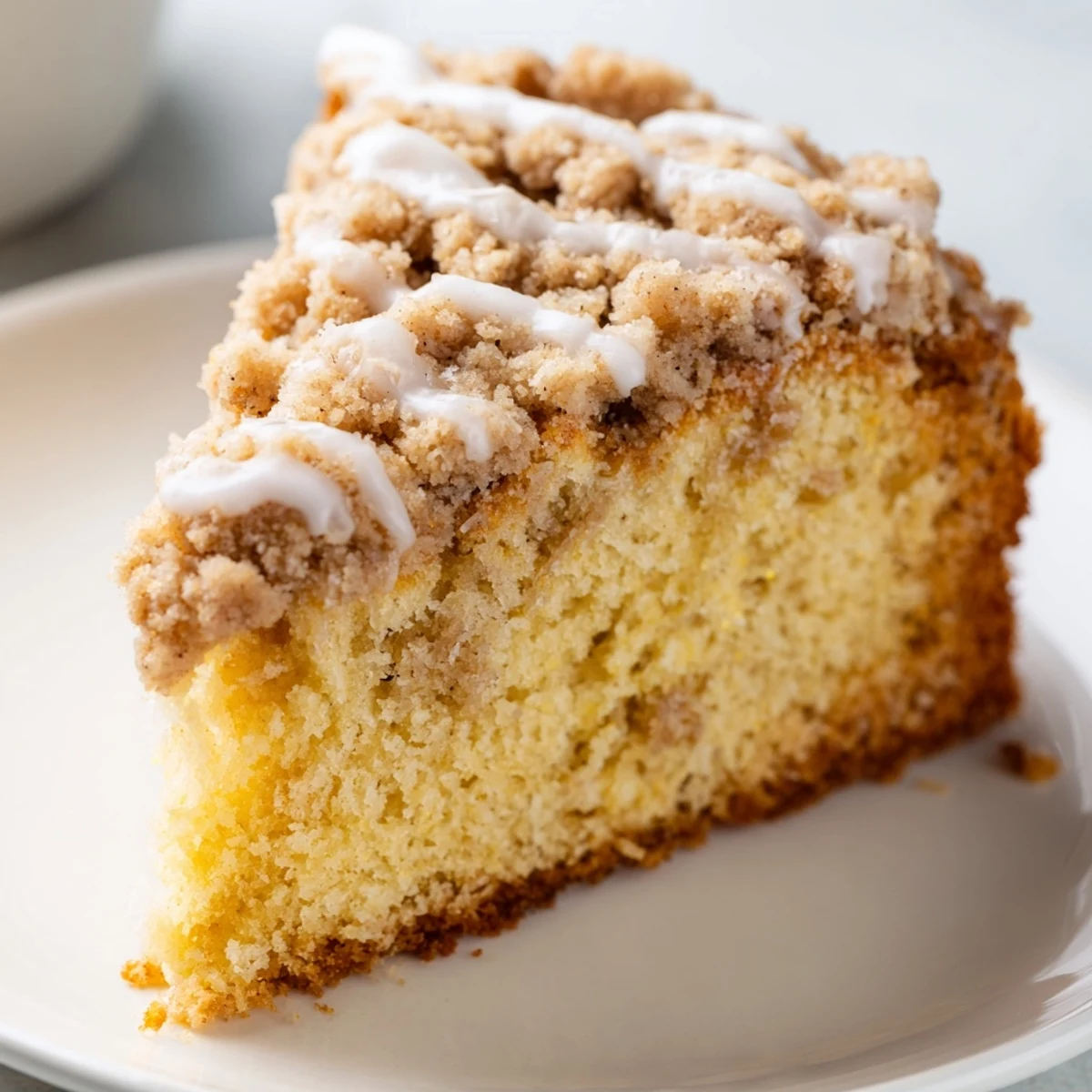
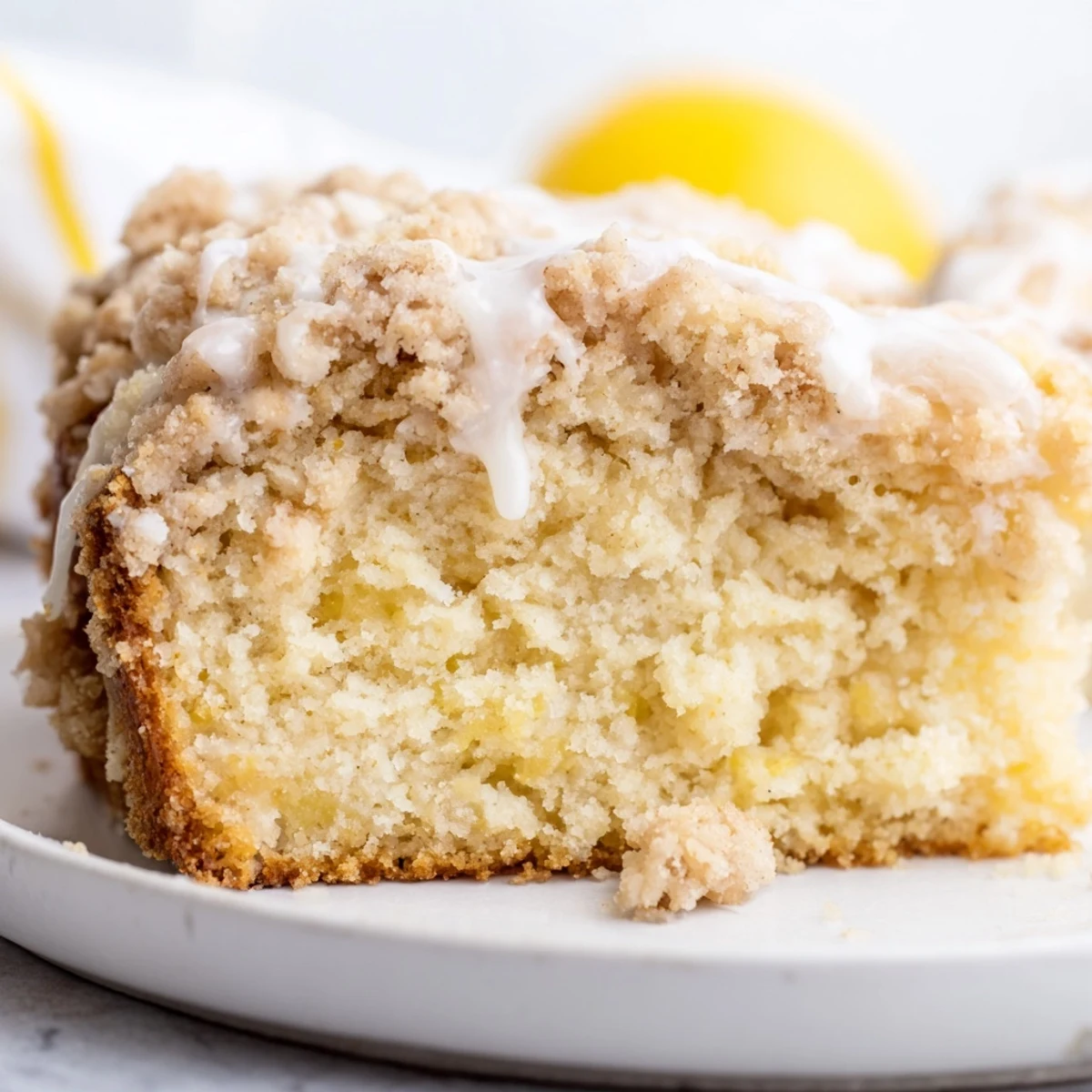
Save This lemon coffee cake offers a moist, tender crumb infused with fresh lemon zest and juice for vibrant citrus flavor. The buttery crumble topping adds a crispy, sweet contrast. The batter blends softened butter and sugar, eggs, sour cream, and milk for richness, then combined with flour and leavening agents to create a light texture. Baking until golden, it’s perfect for breakfast, brunch, or an afternoon treat. Optional lemon glaze enhances the citrus brightness. Variations with blueberries or toppings like whipped cream elevate the experience.
There's something about the smell of lemon zest hitting a hot pan that makes you feel like you've got your life together, even if you're still in your pajamas at noon on a Sunday. I discovered this cake completely by accident, actually—I'd bought way too many lemons at the farmers market and was determined not to waste them. The result was this impossibly tender crumb studded with bright, zesty flavor and topped with a buttery crumble that somehow stays crispy even after a day or two.
I made this cake for my neighbor's book club last spring, and I watched someone take that first bite and their whole expression change—like they'd just experienced something they didn't expect to find at a casual Tuesday afternoon gathering. She asked for the recipe immediately, and I realized this wasn't just a nice cake; it was the kind of thing that makes people pause and actually taste what they're eating.
Ingredients
- All-purpose flour (2 cups for cake, 1/2 cup for crumble): The foundation that keeps everything tender—don't sift unless you're feeling fancy, just spoon and level for consistency.
- Granulated sugar (3/4 cup for cake, 1/3 cup for crumble): This gets beaten with butter to create air, which is what makes the cake light instead of dense.
- Unsalted butter (1/2 cup softened, plus 1/4 cup cold cubed): Softened butter creams beautifully with sugar; the cold butter for the crumble is non-negotiable for that coarse, sandy texture.
- Large eggs (2): Room temperature eggs mix in more smoothly and create a more even crumb—take them out of the fridge 20 minutes before baking.
- Sour cream (1/2 cup): This adds tang and tenderness; don't substitute yogurt here, as the fat content matters.
- Whole milk (1/4 cup): It keeps the batter from getting too thick and helps the cake stay moist longer.
- Lemon zest (2 tbsp) and fresh lemon juice (1/4 cup): The zest carries the most flavor and aroma; a microplane zester changes everything compared to a box grater.
- Baking powder and baking soda: The baking powder does most of the lifting, while a touch of baking soda helps with browning and tang.
- Vanilla extract (1 tsp): A small amount that rounds out the lemon without announcing itself.
- Cinnamon (1/2 tsp in crumble, optional): I include it because it whispers against the lemon in the most elegant way.
- Salt (1/4 tsp in cake, pinch in crumble): Salt is the secret amplifier that makes lemon taste more like itself.
- Powdered sugar and lemon juice (for glaze, optional): A simple glaze that adds shine and one more hit of brightness.
Instructions
- Set up and get ready:
- Preheat your oven to 350°F and grease your 9-inch pan thoroughly—I use a combination of butter and a light flour dusting. This step takes just two minutes and prevents that heartbreaking moment when your cake sticks to the sides.
- Build the crumble:
- Combine flour, sugar, cinnamon, and salt in a small bowl, then cut in the cold butter with a fork or your fingertips until it looks like coarse breadcrumbs. Stick it in the fridge while you work on the batter—the cold helps it stay crispy while baking.
- Cream the butter and sugar:
- Beat the softened butter and sugar together for about 2-3 minutes until it's pale and fluffy, which means you've incorporated enough air. This is the backbone of a tender cake.
- Bring in the eggs and flavorings:
- Add eggs one at a time, letting each one get completely mixed in before adding the next, then add the zest, lemon juice, sour cream, milk, and vanilla. The mixture should look smooth and combined, not separated.
- Mix in the dry ingredients:
- Whisk your flour, baking powder, baking soda, and salt together, then fold them into the wet mixture just until you don't see any streaks of flour. Overmixing here creates a tough cake, so stop as soon as things come together.
- Assemble and bake:
- Pour the batter into your prepared pan and smooth the top gently, then sprinkle that cold crumble topping evenly across the surface. Bake for 38-42 minutes, until a toothpick inserted into the center comes out clean or with just a few moist crumbs.
- Cool with patience:
- Let the cake rest in the pan for 10 minutes, then turn it out onto a wire rack to cool completely. This transition prevents condensation from making the crumble soggy.
- Glaze if you'd like:
- If you're using the glaze, whisk powdered sugar and lemon juice until it's smooth and drizzle it over the completely cooled cake in whatever pattern feels right.
 Save
Save I think about how my kid, who normally picks every spice off his food, asked for another slice of this cake without hesitation. That moment when something you made becomes so obviously worth eating that even the pickiest person at your table just goes for it—that's what this recipe delivered.
The Lemon Truth
Lemon baking is about balance; you want the brightness without the harshness that comes from too much acid. Using both zest and juice gives you complexity—the zest brings fragrance and floral notes, while the juice adds that clean tartness. The sour cream and milk soften any sharpness, which is why substituting with buttermilk alone can tip things too tangy. I've learned that the best lemon cakes feel like they contain the entire essence of the fruit, not just a single dimension of it.
Making It Your Own
This cake is flexible enough to adapt without losing its identity. A handful of fresh blueberries stirred into the batter adds tartness and texture, or you could swap the milk for coconut milk for a subtle tropical undertone. Some people add a pinch of cardamom to the crumble, which feels almost Scandinavian and pairs beautifully with the lemon. The glaze is genuinely optional—sometimes I skip it because I love the simplicity of the naked crumble top.
- If you want more pronounced lemon flavor, zest an extra lemon and mix it into the crumble along with a touch more sugar.
- A thin layer of lemon curd between the cake and crumble is worth trying if you're feeling ambitious.
- Toast the crumble mixture in a dry pan for two minutes before using it for deeper, nuttier flavor.
Storing and Serving
This cake actually improves slightly on the second day as the flavors settle and deepen, and the crumble stays remarkable crispy if you keep it in an airtight container at room temperature. Serve it with whipped cream or vanilla ice cream, or just eat it plain with a cup of strong coffee. It's equally good for a casual breakfast, a proper brunch moment, or an unexpected afternoon snack.
 Save
Save This cake has become the thing I make when I want to feel like I'm taking care of people without it feeling like a big production. It's honest and straightforward, which somehow makes it feel more generous than something fancy.
Recipe Questions & Answers
- → How is the crumble topping made?
-
The crumble is prepared by mixing flour, sugar, cinnamon, and salt with cold butter cut in until coarse crumbs form, which is then sprinkled over the batter before baking.
- → What gives the cake its lemon flavor?
-
Fresh lemon zest and lemon juice are added to the batter, lending a bright and refreshing citrus taste throughout the cake.
- → Can I add fruit to the batter?
-
Yes, adding a handful of fresh blueberries into the batter provides a fruity twist and complements the lemon flavor nicely.
- → What is the role of sour cream in the cake?
-
Sour cream adds moisture and tenderness, helping produce a soft crumb and a slightly tangy undertone.
- → How do I know when the cake is fully baked?
-
Bake until a toothpick inserted into the center comes out clean, usually about 38-42 minutes at 350°F (175°C).
- → Is the lemon glaze necessary?
-
The lemon glaze is optional; it adds an extra layer of citrus sweetness when drizzled over the cooled cake before serving.