
 Save
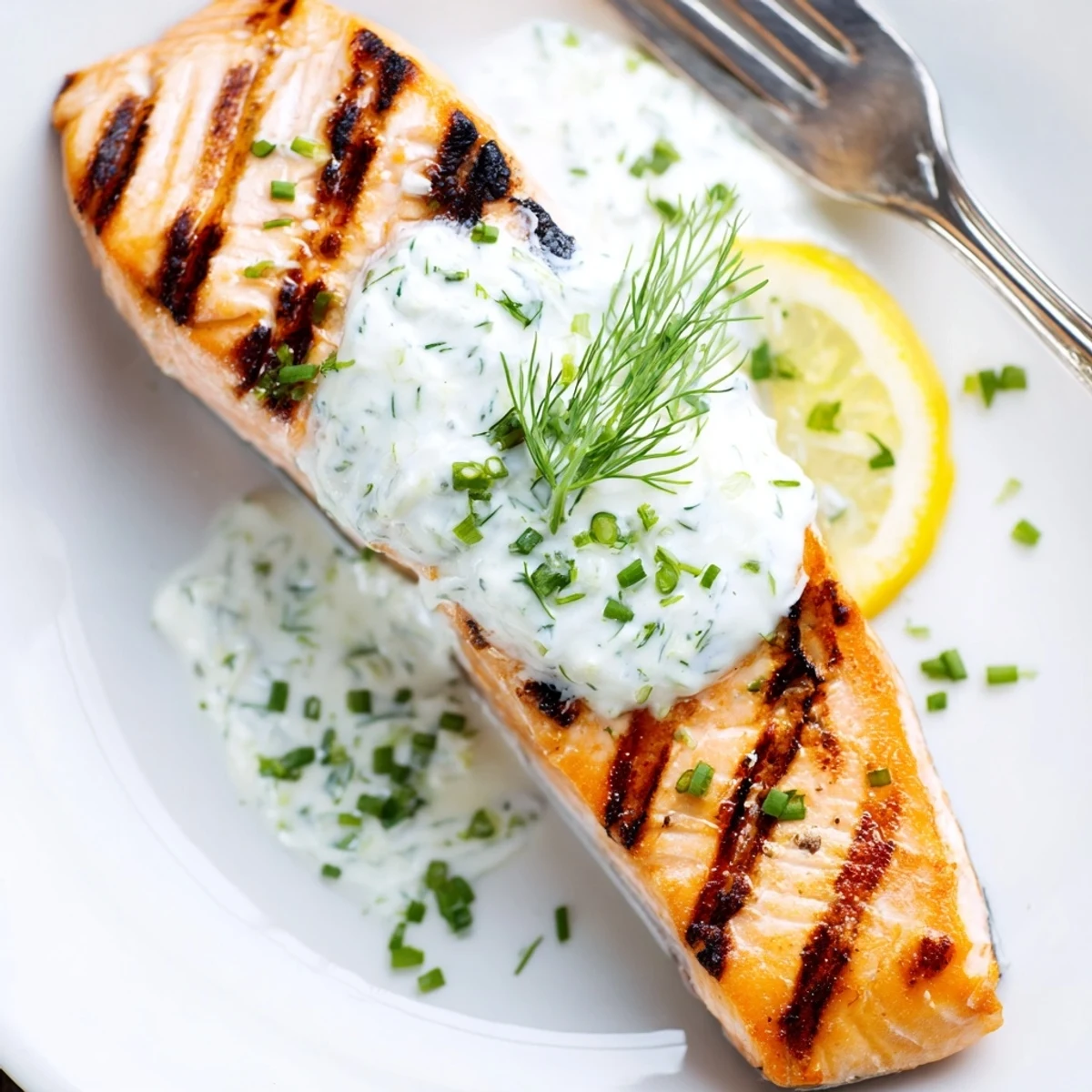
Save This vibrant summer dish features juicy salmon fillets marinated in olive oil, fresh lemon, dill, parsley, and garlic, then grilled to perfection with beautiful char marks. The cooling cucumber dill yogurt sauce balances the bright citrus notes, creating a harmonious flavor profile. Ready in under 30 minutes, this light yet satisfying main dish serves four and pairs beautifully with roasted vegetables, rice, or a crisp green salad for a complete meal.
My neighbor Dave knocked on my door one July evening holding a fishing cooler and a grin wider than his face. He had caught four beautiful salmon fillets and had no idea what to do with them. The sun was still warm on the back porch and the herbs in my garden were practically begging to be used. That impromptu dinner turned into the best thing I cooked all summer.
We sat outside until the mosquitoes chased us indoors, plates still half full, talking about everything and nothing. Dave has shown up at my door every summer since with another cooler, and I always make this exact recipe. Some dishes earn a permanent spot in your life without even trying.
Ingredients
- Salmon fillets (4, about 170 g each, skin on): The skin protects the fish during grilling and gets wonderfully crispy.
- Olive oil (2 tablespoons): Helps the marinade cling to the fish and prevents sticking on the grill.
- Fresh lemon juice (1 tablespoon): Brightens everything and tenderizes the salmon gently.
- Lemon zest (1 teaspoon): Packs more lemon punch than the juice itself, so do not skip it.
- Fresh dill, chopped (1 tablespoon): The signature herb that ties the fish and the sauce together.
- Fresh parsley, chopped (1 tablespoon): Adds a clean, grassy note that balances the richness of the salmon.
- Garlic, minced (1 clove): Just one clove is enough to add depth without overpowering the delicate fish.
- Salt (1/2 teaspoon) and black pepper (1/4 teaspoon): Season the fish properly and the rest of the flavors fall into place.
- Greek yogurt (1/2 cup, plain): Creates a creamy, tangy base for the sauce that cools the palate.
- Cucumber, finely diced (1/2 cup): Adds crunch and freshness to every spoonful of sauce.
- Fresh chives, chopped (1 tablespoon): A mild onion flavor that plays nicely with dill and lemon.
Instructions
- Whisk the marinade together:
- In a small bowl, combine the olive oil, lemon juice, lemon zest, dill, parsley, garlic, salt, and pepper until the mixture smells like a summer garden. Give it a good whisk so everything emulsifies into a unified, fragrant liquid.
- Coat the salmon:
- Lay the fillets in a shallow dish and pour the marinade over them, using your hands or a spoon to rub it into every surface. Cover and tuck them into the fridge for at least 15 minutes so the flavors settle in.
- Build the cucumber dill sauce:
- While the fish rests, stir together the yogurt, cucumber, dill, chives, lemon juice, salt, and a generous crack of black pepper in a bowl. Taste it and adjust the salt if needed, then cover and chill until the salmon is ready.
- Fire up the grill:
- Preheat your grill or grill pan to medium high heat until you can hold your hand over the grates for only a few seconds. A hot grill gives you those beautiful, restaurant quality marks.
- Grill the salmon:
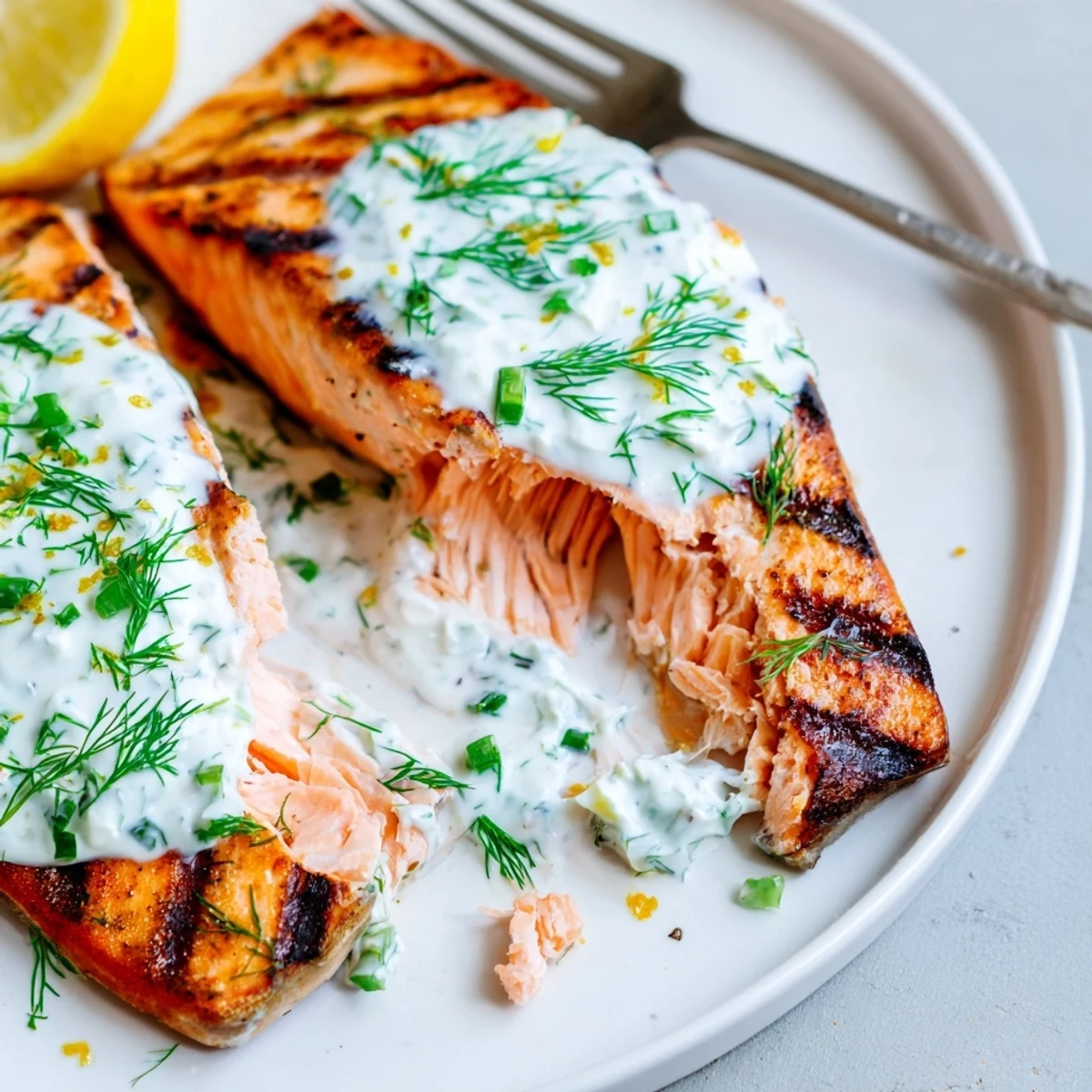
- Shake off excess marinade and place the fillets skin side down on the grates, then cook for 4 to 6 minutes per side until the fish flakes easily with a fork. Resist the urge to move them around and let the grill do its work.
- Plate and serve:
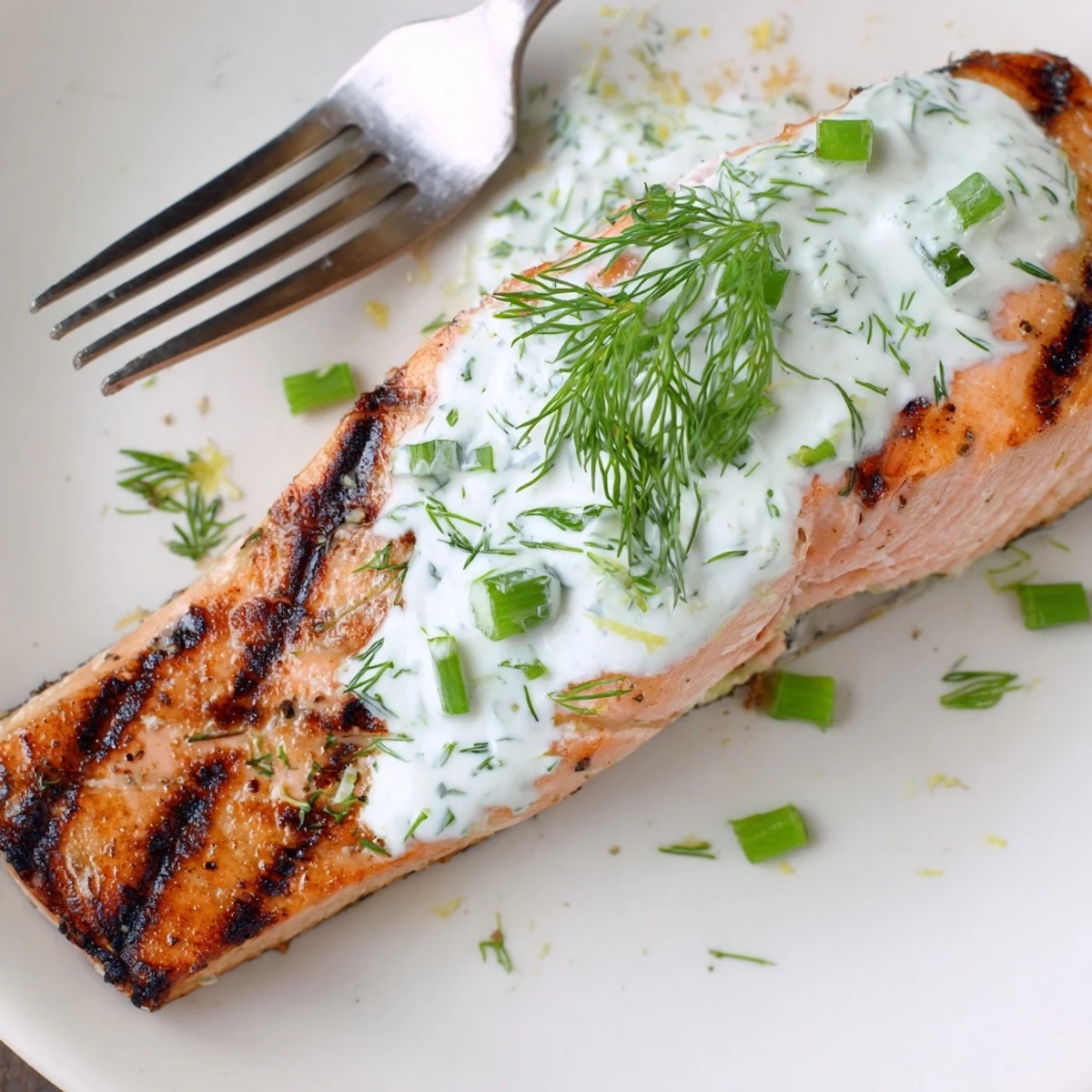
- Transfer the salmon to warm plates and spoon the cucumber dill sauce generously over each fillet, or serve it alongside in a small bowl for dipping. The contrast of hot, smoky fish and cool sauce is everything you want.
 Save
Save That night with Dave reminded me that cooking does not need a special occasion to feel extraordinary. Good fish, fresh herbs, and a little bit of laughter are genuinely all you need.
What to Serve Alongside
Lemon rice absorbs the extra sauce beautifully, and roasted potatoes give you something hearty to round out the plate. A crisp green salad with a light vinaigrette also works wonders when you want to keep things feeling light and summery.
Making It Dairy Free
Swap the Greek yogurt for a thick, plain dairy free yogurt and the rest of the recipe stays exactly the same. I have tested this with coconut based yogurt and the results were surprisingly delicious.
Wine Pairing and Leftovers
A chilled Sauvignon Blanc or Pinot Grigio is practically mandatory with this dish, as the citrus notes in the wine mirror the lemon in the marinade. Leftover salmon keeps well in the fridge for up to two days and makes an incredible cold lunch the next day.
- Flake leftover salmon over a grain bowl with the remaining sauce drizzled on top.
- Reheat gently in a low oven to avoid drying out the fish.
- Always let the salmon rest for a minute after grilling before serving.
 Save
Save Every time I fire up the grill and smell that lemon dill marinade hitting the heat, I think of warm evenings and good company. This is the kind of recipe that makes summer taste like it should.
Recipe Questions & Answers
- → How long should I marinate the salmon?
-
Marinate for at least 15 minutes up to 1 hour for maximum flavor absorption. Longer marinating time allows the lemon and herbs to penetrate the fish more deeply.
- → Can I use frozen salmon fillets?
-
Yes, thaw completely in the refrigerator before marinating. Pat dry with paper towels to remove excess moisture for better searing.
- → What temperature should the grill be?
-
Preheat to medium-high heat, approximately 375-400°F. This creates nice grill marks while cooking the salmon through without drying.
- → Can I make the sauce ahead of time?
-
Absolutely. Prepare the cucumber dill sauce up to 24 hours in advance and store covered in the refrigerator. Flavors meld beautifully over time.
- → What sides pair well with this dish?
-
Lemon rice, roasted potatoes, grilled asparagus, or a crisp green salad complement the bright flavors. A light white wine like Sauvignon Blanc works perfectly.
- → Is this suitable for meal prep?
-
Yes, cooked salmon stores well for 2-3 days. Keep sauce separate and add just before serving to maintain texture. Reheat gently to avoid overcooking.