
 Save
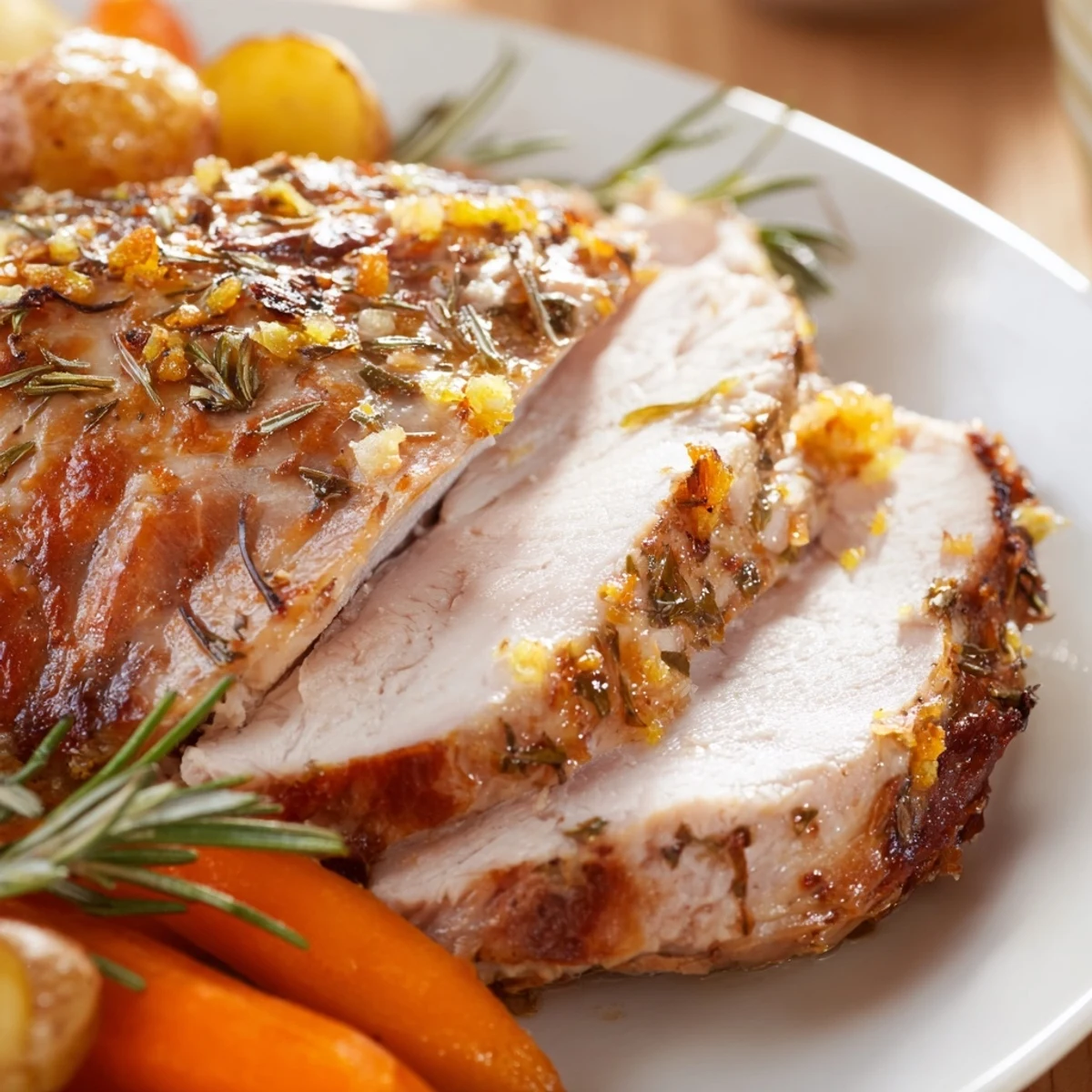
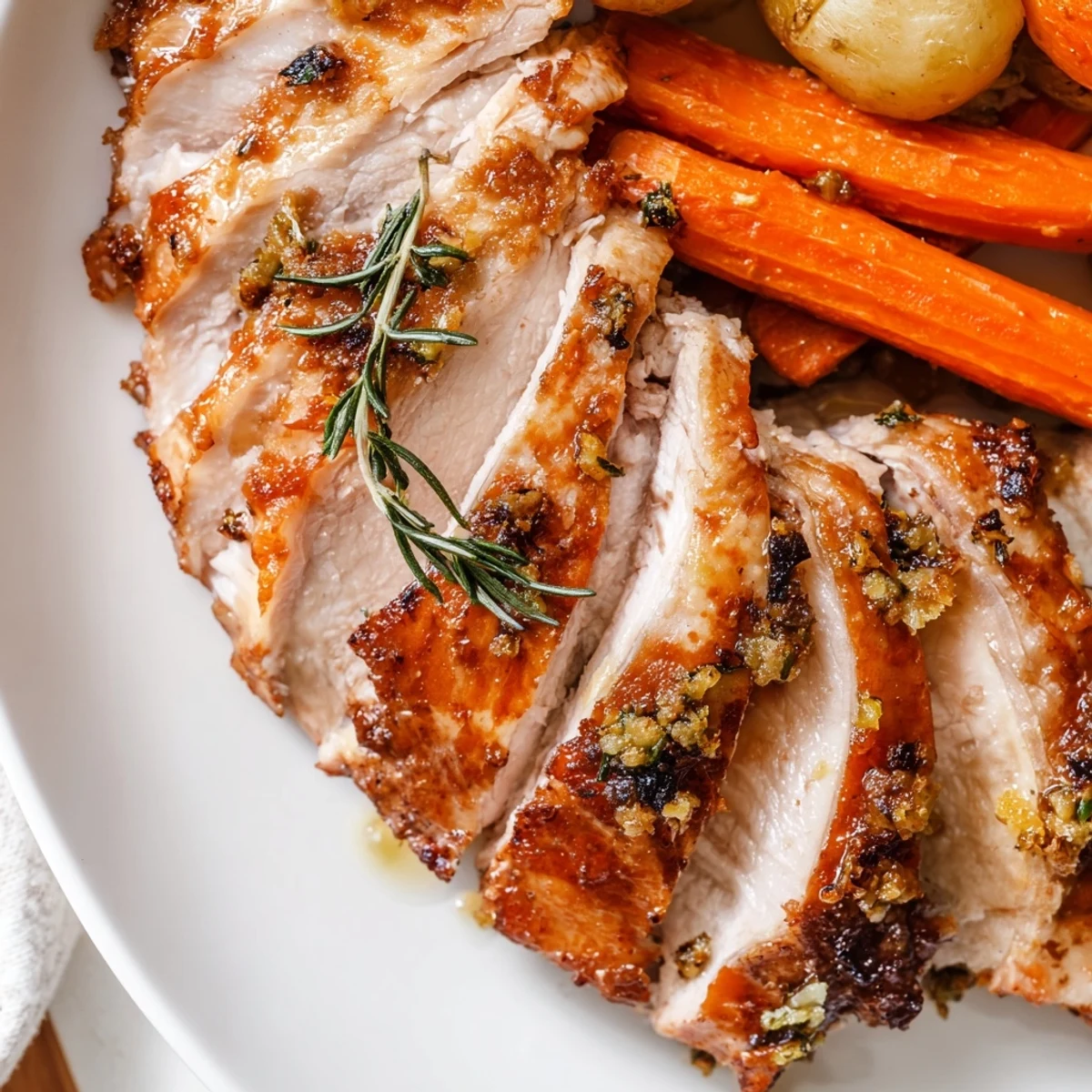
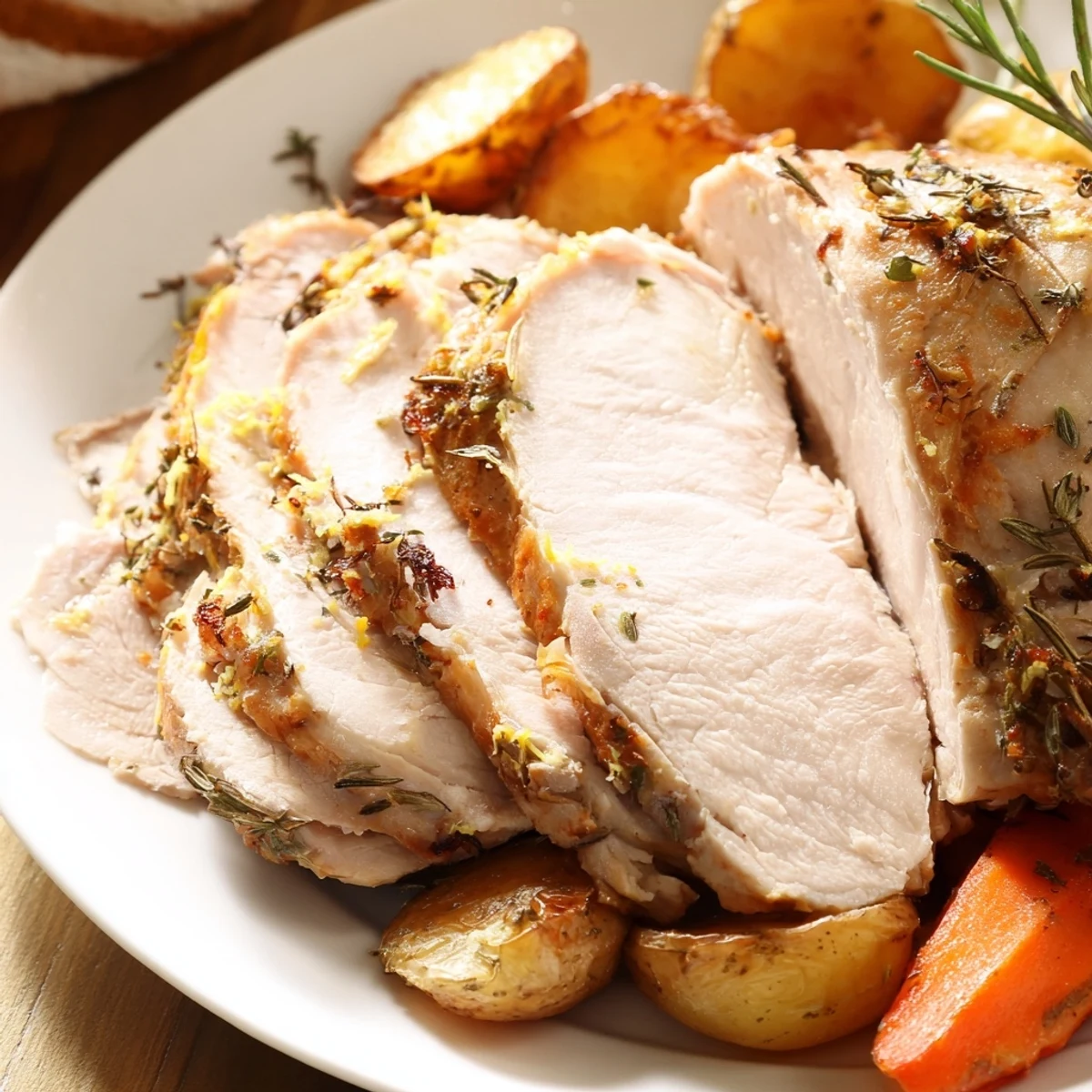
Save This dish features a boneless turkey breast seasoned with zesty lemon, garlic, rosemary, and thyme. Roasted alongside a vibrant mix of carrots, baby potatoes, and red onion on a single sheet pan, it creates a flavorful and easy-to-prepare main course. The turkey finishes with crispy skin and tender meat, complemented by caramelized vegetables. Minimal cleanup makes this ideal for busy weeknights or casual gatherings. Optional broiling at the end adds extra crispness to the skin, and leftovers work well in sandwiches or salads.
There's something magical about the way a kitchen smells when lemon and fresh herbs hit hot turkey skin—it happened to me on a random Tuesday when I was tired of complicated dinners. I'd grabbed a turkey breast from the market without a plan, and decided to throw everything on one sheet pan with whatever vegetables I had lounging in the crisper drawer. That single pan became my secret weapon for looking like I'd spent hours in the kitchen when I really hadn't. Now, whenever I need to feed people without stress, this is what I reach for.
I made this for my sister's surprise dinner last spring, and I remember her walking in, pausing in the kitchen doorway, and just saying, "That smells incredible." The lemon brightness cut through everything in the best way, and the roasted potatoes were golden and soft. She ate three servings and asked for the recipe before dessert even happened—that's when I knew this dish had staying power.
Ingredients
- Boneless, skin-on turkey breast (2 to 2.5 lbs): The skin-on part is crucial because it renders down and gets crispy, sealing in all the moisture underneath. If you can only find boneless, skinless, keep a closer eye on timing so it doesn't dry out.
- Olive oil (4 tbsp total): Split between the herb rub and the vegetables—it's your emissary of flavor, so don't skimp on decent quality.
- Fresh lemon: The zest and juice brighten everything and prevent the dish from feeling heavy, no matter how rich the roasted vegetables get.
- Garlic cloves (2, minced): They mellow and sweeten as they roast, becoming almost nutty and caramel-like rather than sharp.
- Fresh rosemary and thyme (1 tbsp each): Dried works in a pinch, but fresh herbs add a kind of living quality that transforms the whole thing. If you can grow these on a windowsill, your future self will thank you.
- Kosher salt and black pepper: Season generously—turkey needs it, and the vegetables deserve it too.
- Carrots, baby potatoes, and red onion: These are your supporting cast, but they're not just filler. The carrots get sweet, the potatoes become creamy inside and crispy outside, and the onion melts into the pan juices.
Instructions
- Preheat and prep your stage:
- Get your oven to 400°F and line a sheet pan with parchment or foil—this is the only move that saves you from scrubbing for twenty minutes later. One pan, one moment of forethought, and you're golden.
- Build your herb paste:
- Mix olive oil, lemon zest, lemon juice, garlic, rosemary, and thyme in a small bowl until it looks like a loose paste. This is your magic wand—rub it all over the turkey breast, and if you can work your fingers gently under the skin, tuck some in there too. That's where the real flavor happens.
- Toss and arrange the vegetables:
- Coat your carrots, potatoes, and red onion in olive oil, salt, and pepper, then spread them across your pan in a single layer. They need room to breathe and roast, not steam.
- Center your turkey:
- Nestle the turkey breast skin side up right in the middle of everything. It's the star, so let it sit where everyone can see it.
- Roast with patience:
- Pop everything in the oven for 50 to 60 minutes, stirring the vegetables once halfway through so they brown evenly. The turkey is done when an instant-read thermometer reads 165°F in the thickest part. If your oven runs hot, start checking around 45 minutes.
- Rest and serve:
- Let the turkey sit for 10 minutes after it comes out—this keeps all the juices inside where they belong. Slice it thick, pile the roasted vegetables on the plate, and squeeze fresh lemon over everything if you want to gild the lily.
 Save
Save My nephew once asked why turkey breast was "fancy" when I served this, and I realized he'd only ever had the tough, stringy turkey from holiday meals where someone forgot to cover it and let it roast for four hours. One dinner changed his mind entirely. Now he requests this when he comes over, which might be the highest compliment a home cook can get.
The Secret to Crispy Skin
Pat your turkey breast dry with paper towels before rubbing it with the herb mixture—any moisture on the surface will steam rather than crisp. If you really want to push it, let the rubbed turkey sit uncovered in the fridge for a couple of hours before roasting. The drier air in your refrigerator is your accomplice here, pulling surface moisture away and helping the skin brown faster once it hits the oven's heat.
Timing and Temperature Tricks
Oven temperatures vary wildly, and some run 25 degrees hotter than they claim. The internal thermometer is your only true guide—don't rely on time alone or you'll stress yourself out. If your turkey is browning too fast before the vegetables are tender, loosely tent it with foil and lower the heat to 375°F. The vegetables can always use a few extra minutes; the turkey cannot.
Flexibility and Variations
This recipe is a canvas, not a rule book. I've made it with parsnips instead of carrots in the fall, added Brussels sprouts halved and tossed in the pan with everything else, and swapped in baby gold potatoes when the reds were gone. The constants are the turkey breast, the lemon, and the herbs—everything else bends to what's in your kitchen or what sounds good that day.
- Broil the turkey skin for 2 to 3 minutes at the very end if you want it extra crispy and golden.
- Leftovers shred beautifully for sandwiches the next day, especially piled onto crusty bread with a smear of mayo and fresh lettuce.
- If you accidentally overbuy turkey breast, slice the leftovers thin and layer them into salads with the roasted vegetables and a bright lemon vinaigrette.
 Save
Save This meal has become my answer to "what should I make?" on nights when I'm tired but want to feel like I showed up in the kitchen. It's simple enough for a weeknight, impressive enough for unexpected guests, and leaves your kitchen in a state of grace rather than chaos.
Recipe Questions & Answers
- → What internal temperature should be reached for the turkey breast?
-
The turkey breast should reach 165°F (74°C) internally to ensure it is fully cooked and safe to eat.
- → Can I substitute other vegetables for the ones listed?
-
Yes, vegetables like parsnips, sweet potatoes, or Brussels sprouts can be used as alternatives or additions to the original mix.
- → How do I get extra crispy skin on the turkey?
-
Broil the turkey breast for 2–3 minutes at the end of roasting to crisp up the skin nicely.
- → Is it necessary to use a rimmed sheet pan?
-
A rimmed sheet pan helps contain juices and vegetables during roasting, preventing spills and making cleanup easier.
- → Can this dish be prepared gluten-free?
-
Yes, all ingredients listed are naturally gluten-free, but always verify that any additional spices or broths used are gluten-free certified.
- → How long should the turkey rest before slicing?
-
Let the turkey breast rest for 10 minutes after roasting to allow juices to redistribute, ensuring moist and tender slices.