
 Save
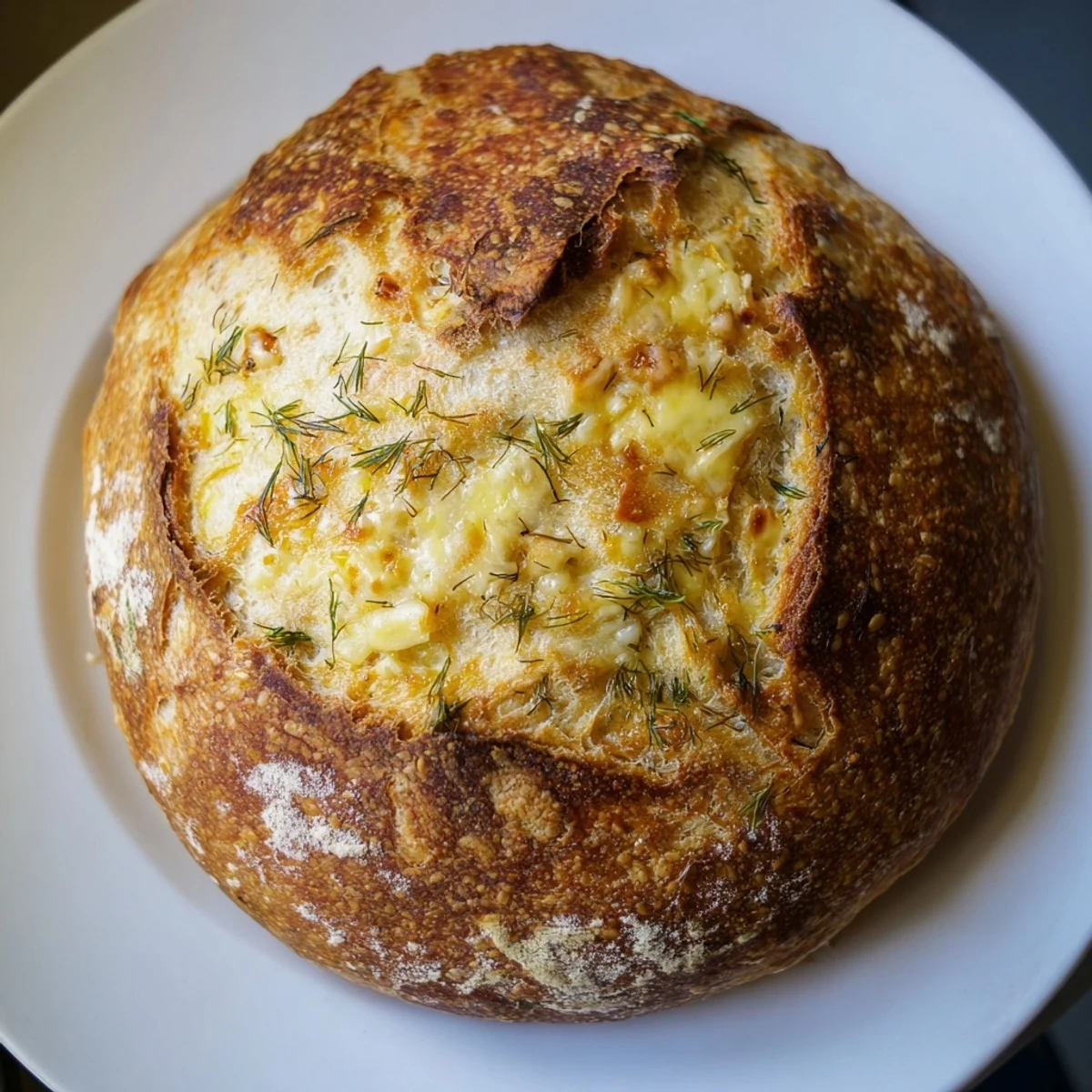
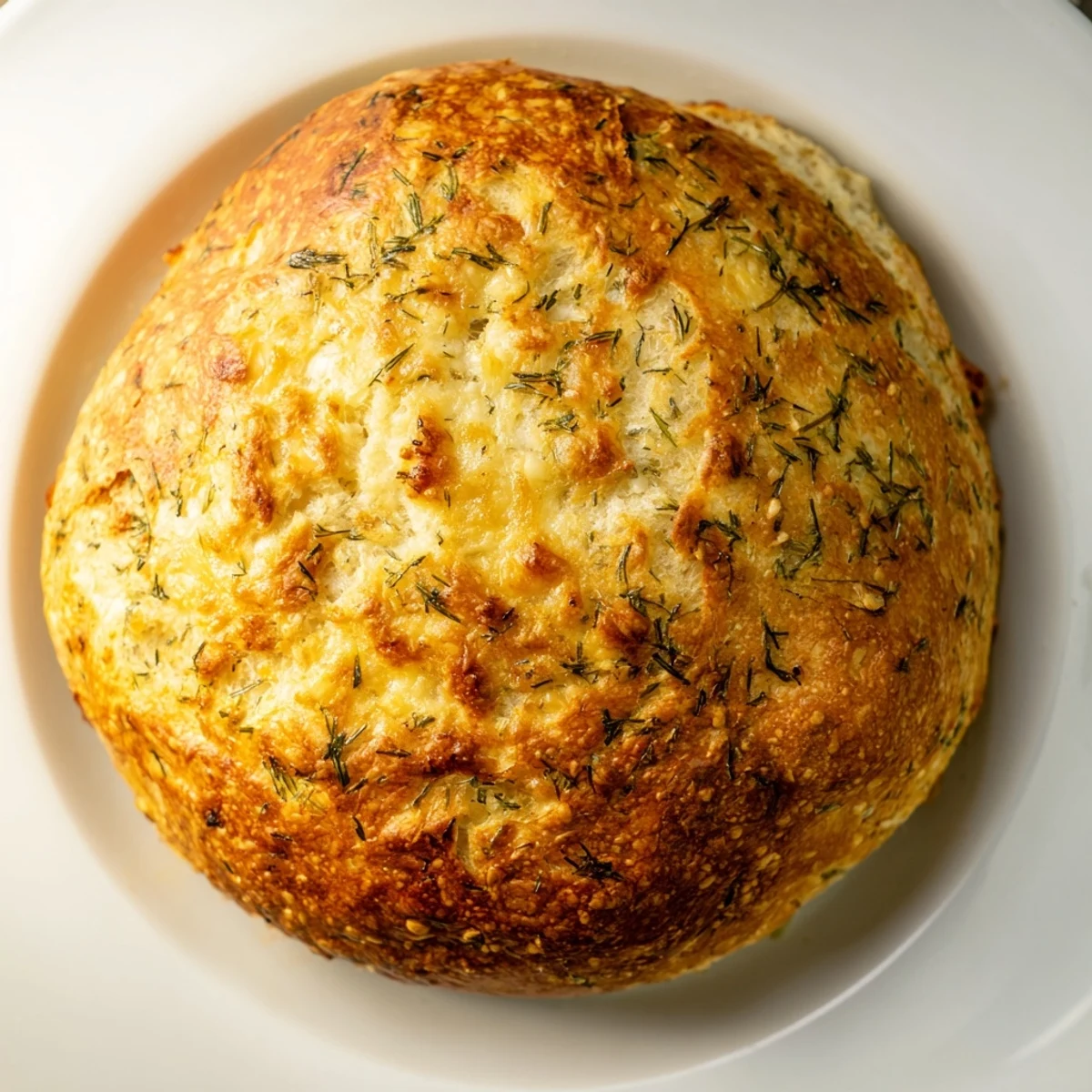
Save This rustic loaf showcases the aromatic freshness of dill paired with the creamy richness of Gouda cheese. Made without the fuss of kneading, the dough rests overnight to develop flavor and texture. A simple mix of bread flour, salt, yeast, and lukewarm water is combined with the flavorful additions, then baked in a Dutch oven to produce a crisp, golden crust and tender crumb. Perfect for pairing with soups, salads, or sandwiches, this bread offers both ease and gourmet appeal.
The smell of dill always pulls me back to my grandmother's kitchen window, where she kept small pots of herbs growing. This bread came from one of those rainy Sunday experiments where I had leftover Gouda and a bundle of dill that needed using. Now it's become my go-to for dinner parties, and honestly, nothing beats that moment when you lift the Dutch oven lid and reveal the golden crust.
I once made this for a friend who claimed she couldn't bake bread to save her life. She watched the whole process, skeptical about the shaggy dough and hands-off approach. When we broke into that loaf an hour later, steaming and fragrant, she actually texted me the next day saying she'd already bought a Dutch oven.
Ingredients
- Bread flour: Higher protein content gives structure to support all that cheese
- Salt: Enhances both the Gouda richness and dill brightness
- Instant yeast: No proofing needed, it activates during the long rest
- Gouda cheese: Dice it coarsely so you find actual cheese pockets, not just flavor
- Fresh dill: Its delicate flavor survives baking better than hardier herbs
- Lukewarm water: Think bath temperature, around body heat for ideal yeast activation
Instructions
- Mix the dry foundation:
- Whisk flour, salt, and yeast in a large bowl until everything looks completely uniform
- Introduce the stars:
- Fold in diced Gouda and chopped dill until they're scattered evenly throughout the flour mixture
- Create the shaggy dough:
- Pour in lukewarm water and stir with a wooden spoon until no dry flour remains, but don't worry about smoothness
- The magic resting period:
- Cover tightly and walk away for 8 to 12 hours while bubbles form and the dough rises dramatically
- Shape with gentleness:
- Turn dough onto a floured surface, then fold edges toward the center several times to create a round
- Second rise preparation:
- Place your shaped loaf seam side down on parchment paper, cover loosely, and let it puff for about an hour
- Preheat your Dutch oven:
- Put your Dutch oven and lid in a cold oven, then crank to 450°F and wait 30 minutes for it to get screaming hot
- The transfer moment:
- Carefully lift the hot Dutch oven out, then use the parchment like a sling to lower your dough inside
- Lidded baking phase:
- Bake covered for 30 minutes, allowing steam to create that signature crackling crust
- Reveal and finish:
- Remove the lid and continue baking 15 more minutes until the surface turns deep golden brown
- Cool completely before slicing:
- Let the bread rest on a wire rack for at least an hour, or the crumb will be gummy
 Save
Save This bread has become my default housewarming gift. There's something so personal about handing someone a warm loaf you've nurtured through a long fermentation, and the dill and Gouda combination feels like something from a proper European bakery.
Cheese Variations
Emmental brings those classic nutty holes and melts beautifully into the crumb. Mild cheddar gives you sharper flavor and a bit more tang, while young Gruyère adds subtle sweetness that pairs unexpectedly well with dill.
Timing Wisdom
Mix the dough before bed and bake first thing in the morning for fresh bread with breakfast. The long overnight rest develops complex flavor that short rises can't achieve, plus your kitchen will smell incredible all day.
Serving Suggestions
This bread pairs perfectly with tomato soup or alongside a green salad with vinaigrette. It makes exceptional grilled cheese without adding any additional cheese, and toasted slices topped with a soft cooked egg create breakfast magic.
- Wrap cooled loaves tightly in freezer safe bags for up to three months
- Revive day old bread with a quick 5 minute stint in a 350°F oven
- The crust stays crispiest when stored in paper rather than plastic
 Save
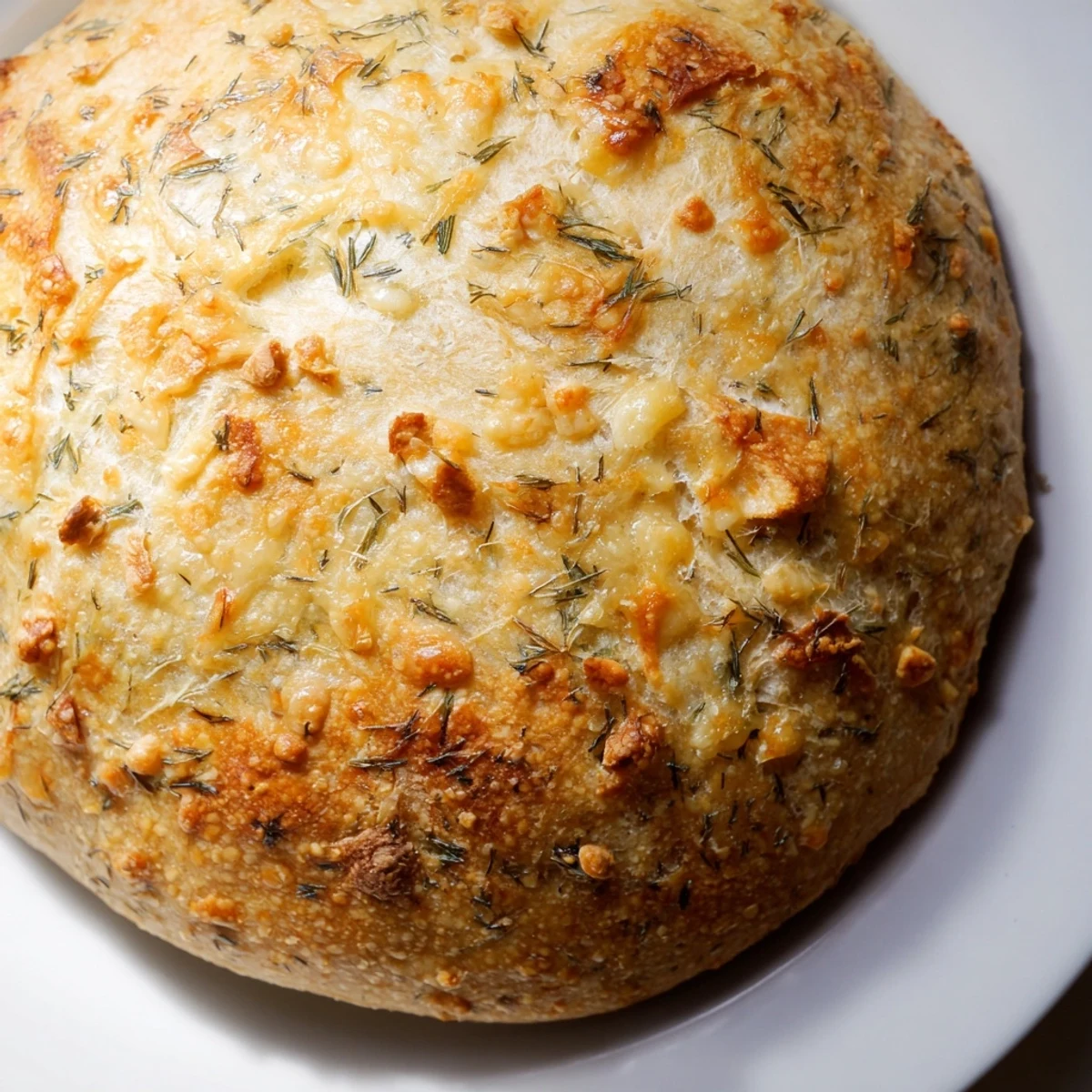
Save There's genuine satisfaction in pulling this loaf from the oven, knowing you created something this beautiful with your own hands and minimal fuss.
Recipe Questions & Answers
- → How does the no-knead method affect the bread’s texture?
-
The extended resting time allows gluten to develop naturally, resulting in a chewy crumb and crispy crust without manual kneading.
- → Can I substitute Gouda with other cheeses?
-
Yes, mild cheeses like Emmental or Cheddar work well and provide different flavor profiles while maintaining creaminess.
- → What is the purpose of resting the dough for 8–12 hours?
-
Long fermentation enhances flavor complexity and improves dough structure, yielding a light and airy loaf.
- → Why use a Dutch oven for baking?
-
Baking in a covered Dutch oven traps steam, which helps create a crisp crust and even oven spring.
- → Can I add ingredients to make the bread tangier?
-
Adding a tablespoon of yogurt to the wet ingredients introduces mild acidity, contributing to a tangier taste.