
 Save
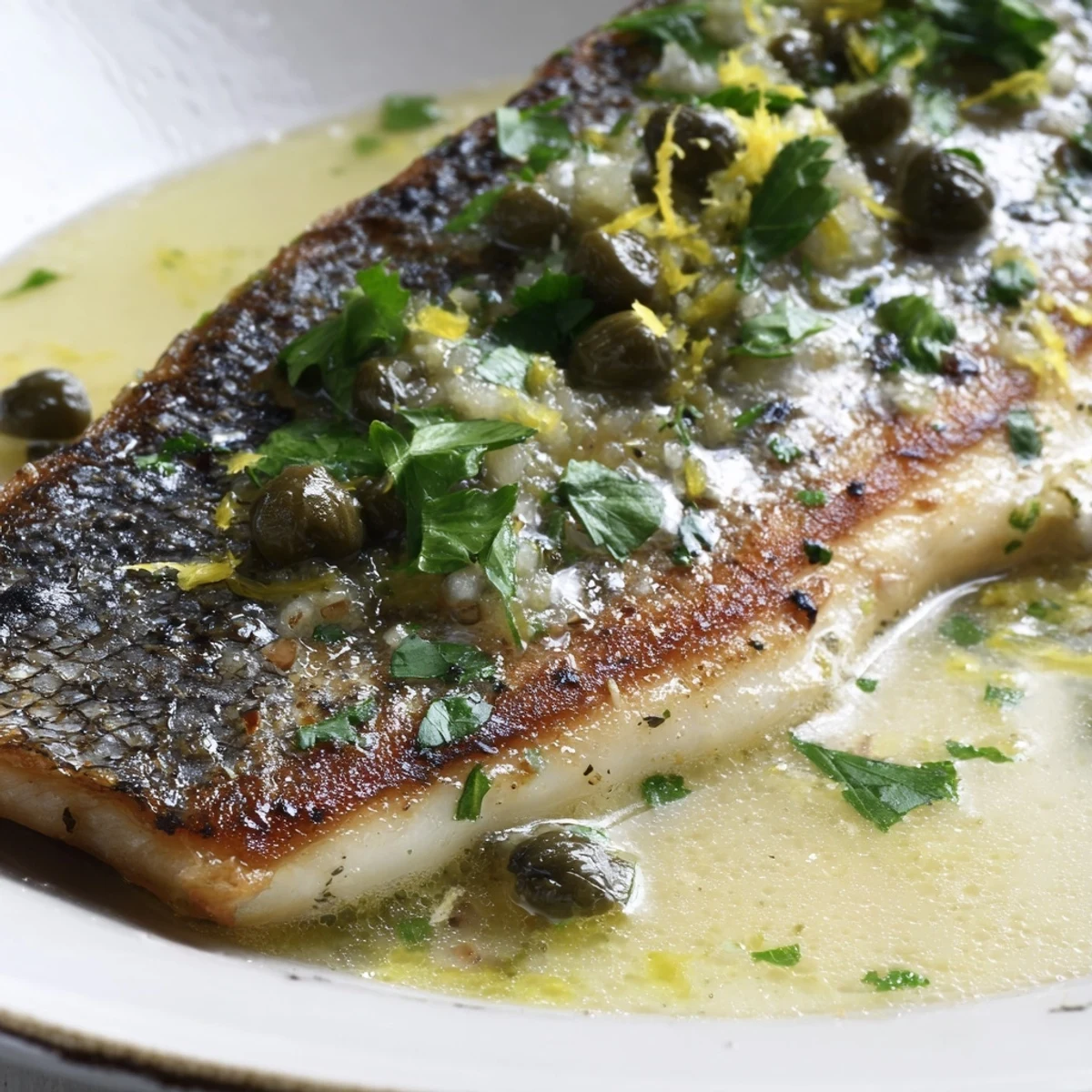
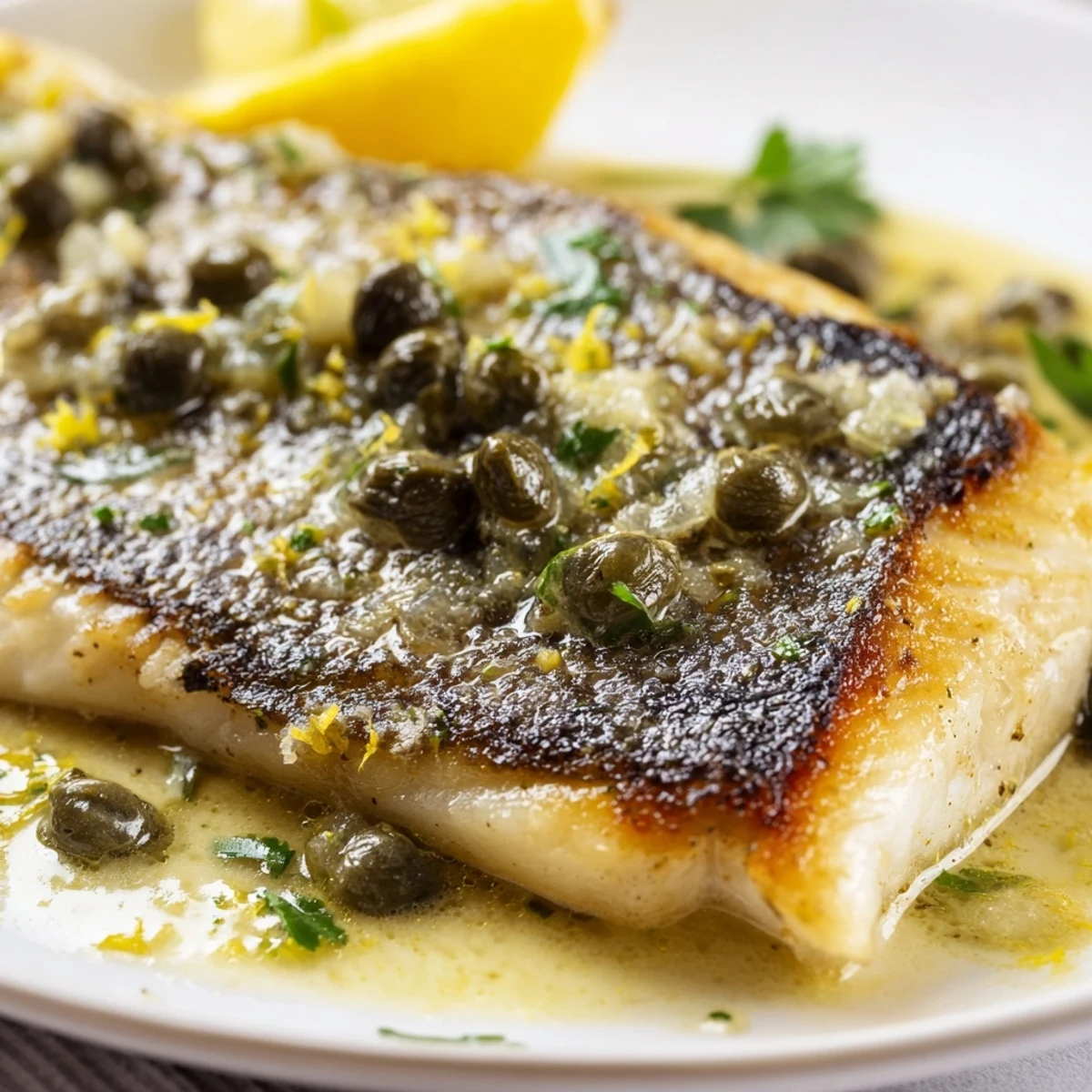
Save This dish features skin-on sea bass fillets seared to a golden crisp in olive oil, delivering a satisfying texture. The bright and tangy lemon caper butter sauce is crafted by sautéing shallots and garlic, then blended with fresh lemon juice, capers, and butter for a silky finish. Garnished with parsley and lemon zest, it pairs well with sautéed greens or roasted potatoes. Perfect balance of flavors and textures makes it ideal for a refined meal.
There's something about the moment when a sea bass fillet hits hot oil that makes me pause—that quiet sizzle is a promise. Years ago, I was intimidated by cooking fish at home, convinced it required restaurant-level precision, until a friend casually made this in her tiny kitchen and it came out perfect. What struck me wasn't the technique, but how she tasted everything as she went, adjusting with confidence. Now, whenever I make this dish, I'm reminded that cooking fish isn't about perfection—it's about listening to what's happening in the pan.
I made this for my partner on an ordinary Thursday, and they looked at the plate like I'd done something elaborate—but it took less than thirty minutes from start to finish. The lemon caper butter pooling around the fish, the parsley catching the light, somehow it felt like more than dinner. That's the quiet magic of this dish: it elevates an evening without demanding your entire afternoon.
Ingredients
- Sea bass fillets, skin on, patted very dry: This is the detail that matters most—a damp surface won't crisp no matter how hot your pan is, so pat them just before cooking and don't skip this step.
- Kosher salt and freshly ground black pepper: Season generously on both sides; the fish will taste flat if you hold back here.
- Olive oil: Use a good quality one you'd actually taste, since it's a star ingredient and not hidden in a long cook.
- Unsalted butter: Cold butter stirred in at the end creates that silky, emulsified sauce that clings to the fish.
- Capers, rinsed: Rinsing removes excess salt and brine, letting their briny pop shine without overwhelming the dish.
- Shallot and garlic, finely minced: Small pieces distribute flavor evenly and cook through quickly—no raw garlic bitterness.
- Lemon juice and zest: The juice goes into the sauce for brightness, the zest finishes the dish for aroma and fresh punch.
- Fresh parsley, chopped: Add this at the very end so it stays vibrant green and tastes alive, not cooked down to shadow.
Instructions
- Season and prepare the fish:
- Season both sides of the fillets with salt and pepper just before you plan to cook them. Pat the skin very dry with paper towels—moisture is the enemy of crispness, and you'll feel the difference immediately when it hits the hot pan.
- Get the pan singing:
- Heat olive oil in a large nonstick skillet over medium-high heat until it's shimmering and almost smoking at the edges. The moment of shimmer is when the oil is ready; rushing this step means skin that steams instead of sears.
- Sear the fish skin-side down:
- Lay the fillets skin-side down in the hot oil and press gently with a fish spatula for the first few seconds—this ensures the skin makes full contact with the heat and stays there for the whole 3 to 4 minutes. You'll hear the sizzle quiet down slightly and smell a toasty note when the skin is done; that's your cue that it's crispy and golden.
- Flip and finish cooking:
- Flip carefully and cook the flesh side for 2 to 3 minutes, just until the flesh turns opaque and flakes gently when you nudge it with the spatula. Don't overcook here—the fish will keep cooking gently even after you move it to a plate, and there's no recovering from overdone fish.
- Build the sauce in the same pan:
- Reduce heat to medium, add a tablespoon of butter and the minced shallot, and let it soften for about a minute until it's fragrant and softened. The same pan that crisped the fish still has all those flavorful browned bits clinging to the bottom, and they'll dissolve into the butter and create depth.
- Add the bright elements:
- Stir in the minced garlic and rinsed capers, cooking for about 30 seconds—just long enough for the garlic to soften and release its sweetness, not so long that it turns bitter. You're building layers of flavor here: browned capers pop, garlic sweetens, and it all comes together in seconds.
- Melt and emulsify:
- Pour in the lemon juice and add the remaining cold butter, then swirl the pan gently off the heat so the butter melts into the sauce and creates a silky, slightly emulsified texture. If you stir too vigorously or keep it on high heat, the butter will separate and look greasy instead of luxurious.
- Finish with freshness:
- Remove from heat, stir in the chopped parsley and lemon zest, and taste it—add a tiny pinch of salt if needed, since the capers bring saltiness and you want to balance it. This final taste moment is where you claim the dish as your own.
- Plate and serve:
- Spoon the lemon caper butter sauce over each fillet while everything is still warm, so the fish and sauce are unified on the plate. Serve immediately, because this dish is best when the fish is still hot and the butter sauce is glossy and warm.
 Save
Save My mother used to say that fish was the most honest food in the kitchen—you couldn't hide behind technique or sauce, and that's exactly why it mattered to learn it well. Making this dish now, I understand what she meant: there's no pretense here, just clear flavors and the care you take in the moment.
Choosing and Storing Sea Bass
Fresh sea bass should smell like the ocean, clean and mineral, not fishy or sour—that's how you know it's truly fresh and will taste delicate rather than strong. If you can't find sea bass, snapper or halibut will work beautifully and cook in nearly the same time, though snapper's slightly more delicate so reduce the cooking time by a minute if using it.
Building Depth in the Sauce
The capers do so much heavy lifting here: they're brined and tangy, they add texture and visual interest, and they wake up your palate with each bite. If you want to deepen the sauce even more, add a splash of dry white wine after sautéing the garlic and let it reduce by half before adding the lemon juice—it adds a subtle sweetness that rounds out the brightness.
What to Serve Alongside
This fish sings with something green and something starchy to soak up the sauce, so think sautéed spinach with garlic or roasted potatoes tossed in fleur de sel and fresh thyme. A light arugula salad dressed simply with lemon and olive oil works too, if you want to keep the meal bright and lean.
- Cook any side dish ahead so you can focus entirely on the fish and sauce when you're at the stove.
- Sautéed spinach takes only 3 to 4 minutes, so you can start it while the fish cooks and have everything ready at the same moment.
- The sauce is so good that you'll want extra bread nearby to wipe the plate clean—don't feel shy about it.
 Save
Save This is the dish I make when I want to feel like I'm taking care of someone, including myself. It asks for attention but not stress, and it arrives at the table looking and tasting like something worth celebrating.