
 Save
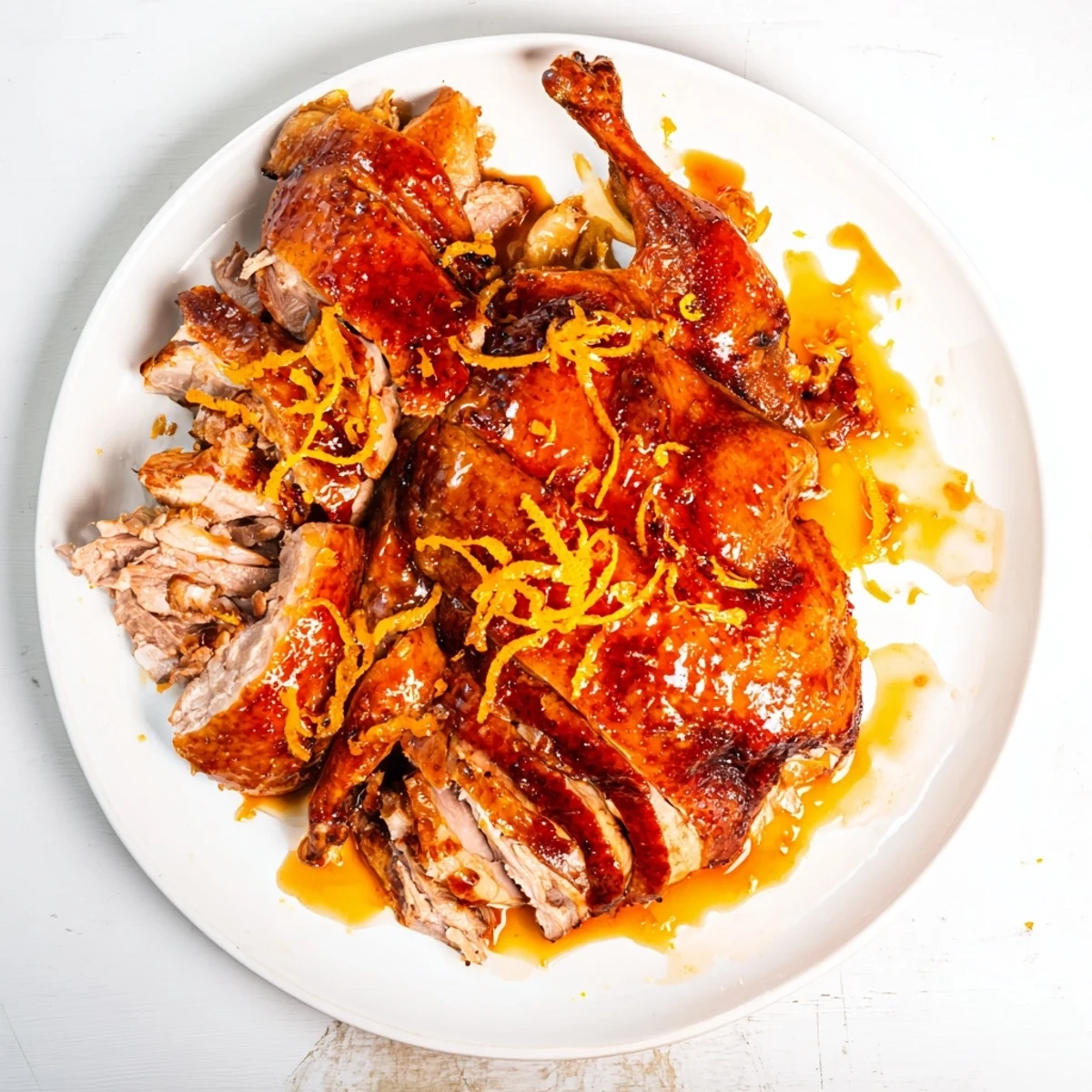
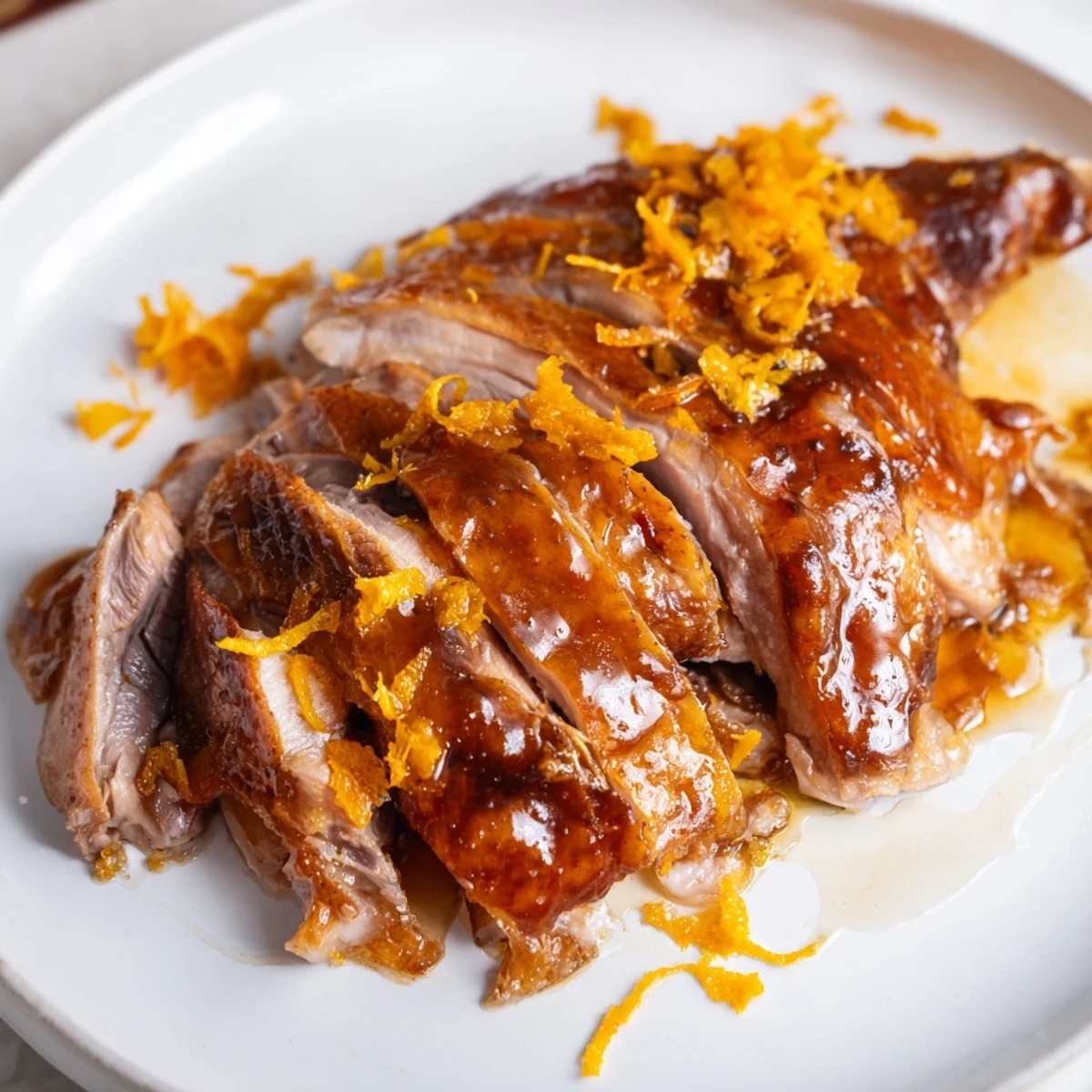
Save This dish features a whole duck expertly roasted to achieve crispy skin and tender meat, infused with aromatic herbs. A syrupy glaze made from fresh orange juice, zest, honey, soy sauce, and grated ginger adds a vibrant sweet and tangy character. The bird is seasoned and stuffed with orange quarters, onion, and thyme, then glazed during roasting to build a glossy, flavorful crust. Perfect for an elegant, gluten-free main course served alongside vegetables or mashed potatoes.
There's something about roasting a whole duck that makes you feel like a proper chef. I remember the first time I attempted this, nervously pricking the skin and wondering if I'd ruin such an expensive bird. But when that glossy orange and ginger glaze caught the light in the oven, I knew I'd discovered something special. Now it's my go-to when I want to impress without spending all day in the kitchen.
I'll never forget the afternoon when unexpected guests called to say they'd be stopping by at six. Instead of panicking, I remembered this recipe and realized I could deliver something that looked far more impressive than the scrambled excuse I was about to serve. Roasted duck has been my secret weapon ever since.
Ingredients
- 1 whole duck (about 2 kg), giblets removed: Look for a duck that feels hefty for its size, with skin that's relatively unblemished. Many butchers will sell them already gutted, which saves you a step. If you can find Pekin or Moulard duck, they roast beautifully.
- Salt and black pepper: Keep these simple and use freshly ground pepper if you have it. The seasoning gets trapped under the skin, so don't hold back.
- 200 ml fresh orange juice (about 2 large oranges): Fresh is truly the only way here. Bottled juice loses something in the processing that keeps the glaze from being as bright and alive.
- Zest of 1 orange: That zest becomes these little flavor bombs when the glaze reduces. A microplane makes this effortless.
- 2 tbsp honey: This rounds out the sharp notes and gives you that gorgeous sheen. Dark honey works beautifully if that's what you have.
- 2 tbsp soy sauce (use gluten-free if needed): This adds savory depth that keeps the glaze from becoming cloyingly sweet. It's the secret nobody suspects.
- 1 tbsp grated fresh ginger: Freshly grated makes all the difference. The heat mellows as it cooks, leaving this wonderful warm undertone.
- 2 garlic cloves, minced: These soften into the glaze and add another layer of complexity.
- 1 tbsp rice vinegar or white wine vinegar: A touch of acidity to cut through the richness and keep everything balanced.
- 1/2 tsp chili flakes (optional): These add a whisper of heat at the end. Leave them out if you prefer pure sweetness.
- 1 orange, quartered, 1 small onion, quartered, 2 sprigs fresh thyme: These stuff the cavity and perfume the bird from within while it roasts. They're not meant to be eaten, just working their magic.
Instructions
- Get Everything Ready:
- Preheat your oven to 180°C (350°F). This gentle temperature lets the duck cook through without the outside burning. Pat the duck completely dry with paper towels. This step is crucial because damp skin steams instead of crisps. Now comes the part that feels a bit daunting: prick the skin all over with a sharp knife or skewer, really going over every inch of that fatty skin, but stop right before you hit the meat. You're creating pathways for the fat to escape as it renders. Don't be timid here.
- Season and Stuff:
- Season the cavity and the skin generously with salt and black pepper. Slide those orange quarters, onion, and thyme sprigs into the cavity. They'll fill the duck with fragrance as it cooks. Place the duck breast-side up on a rack in a roasting pan. The rack matters because it lets heat circulate underneath, helping that bottom cook properly.
- The First Long Roast:
- Roast for a full hour. Every 30 minutes, open the oven and carefully drain the fat that's pooled in the pan. Save that liquid gold if you're planning roasted potatoes later. As the duck roasts, the kitchen fills with this amazing smell. You'll know it's working when you see the skin beginning to turn golden.
- Make the Glaze:
- While the duck's doing its first hour, combine the orange juice, zest, honey, soy sauce, ginger, garlic, vinegar, and chili flakes in a small saucepan. Bring everything to a simmer over medium heat and let it bubble away, stirring now and then, for about 10 to 12 minutes. You're watching for the moment when it becomes syrupy and glossy, coating the back of a spoon. This glaze is where the magic happens.
- The Glazing Phase:
- After that first hour, pull the duck out. It should look like it's coming along nicely, perhaps a bit pale. Brush it all over with your glaze using a pastry brush, getting every surface you can reach. Return it to the oven for another 30 to 40 minutes, glazing every 10 to 15 minutes. Each time you brush it on, the glaze catches and caramelizes, building layers of flavor and that deep mahogany color. Use a cooking thermometer to check the thickest part of the thigh, aiming for 74°C (165°F) for perfectly cooked, slightly rosy duck.
- Rest and Serve:
- When it's done, pull it out and cover loosely with foil. Let it rest for 15 minutes. This resting time is when the juices redistribute and the meat becomes even more tender. Your knife will glide through it. Carve it up, drizzle with any remaining glaze, and serve with pride.
 Save
Save The first time someone at my table took a bite, closed their eyes, and just smiled without saying anything, I understood why duck has been celebrated in kitchens for centuries. This dish stopped being about showing off and became about creating a moment worth remembering.
Keeping It Fresh
Roasted duck has a beautiful way of tasting even better the next day. Store any leftovers in an airtight container in the refrigerator for up to three days. The meat shreds beautifully and becomes perfect for salads, sandwiches, or even fried rice. You can reheat gently in a 160°C oven with a splash of water, covering it loosely with foil to keep it moist.
When You're Missing Something
Life happens, and sometimes you don't have exactly what the recipe calls for. If fresh orange juice isn't available, a blend of orange concentrate and a little water works. No fresh ginger? Ground ginger at about half the amount brings similar warmth, though less brightness. Can't find rice vinegar? White wine vinegar, apple cider vinegar, or even a squeeze of lemon will do the job. The beauty of this recipe is that it's forgiving once you understand what each ingredient is doing.
Serving Ideas That Clicked
The richness of duck demands thoughtful sides. I've found that roasted root vegetables with a little char bring textural contrast, while steamed greens cut through the richness beautifully. Buttery mashed potatoes are pure comfort alongside the elegant duck. For something different, serve with couscous tossed with fresh herbs and a squeeze of that remaining glaze drizzled over everything.
- That extra crispy skin trick: in the final 10 minutes, boost the oven to 220°C (430°F) and watch it transform into something truly crackly.
- If you find yourself with leftover duck fat, save every drop. It's liquid gold for cooking potatoes or roasting vegetables.
- Maple syrup swaps beautifully for honey if that's what lives in your pantry, bringing a deeper, earthier sweetness to the glaze.
 Save
Save Roasting a duck is one of those kitchen moments that feels more complicated than it actually is. Once you've done it once, it becomes your go-to for impressing people or simply treating yourself to something special.
Recipe Questions & Answers
- → How do I ensure the duck skin becomes crispy?
-
Prick the skin all over before roasting to release fat and roast at a higher temperature during the last 10 minutes for an extra-crispy finish.
- → Can I substitute the honey in the glaze?
-
Yes, maple syrup can be used as an alternative to maintain sweetness and complement the citrus and ginger flavors.
- → What internal temperature should the duck reach?
-
The duck should reach an internal temperature of 74°C (165°F) to ensure it is safely cooked and juicy.
- → Are there any allergens in this dish?
-
It contains soy from the soy sauce; choose gluten-free soy sauce if needed. Citrus is also present in the glaze and stuffing.
- → What sides pair well with the duck?
-
Roasted root vegetables, steamed greens, or buttery mashed potatoes complement the rich flavors beautifully.