
 Save
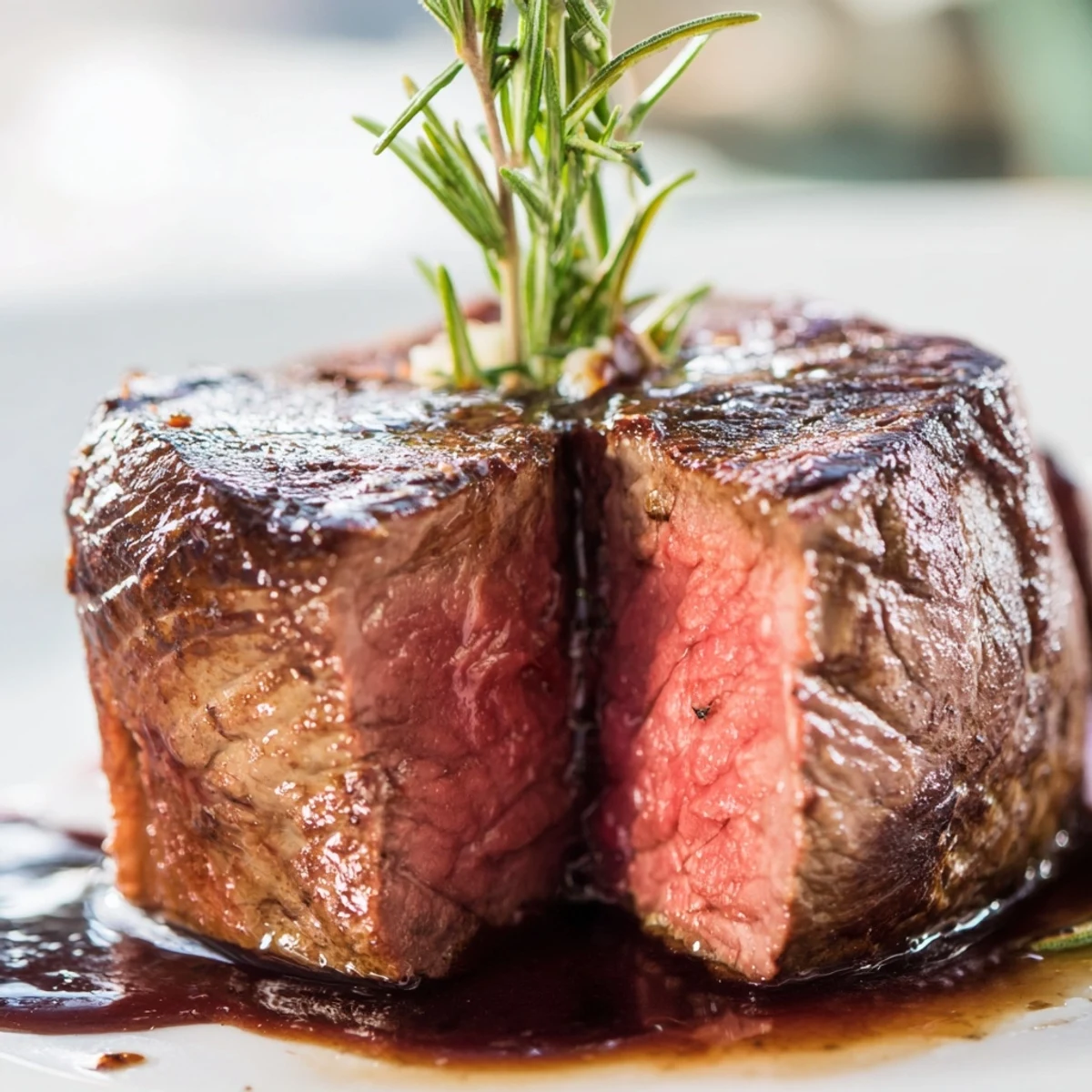
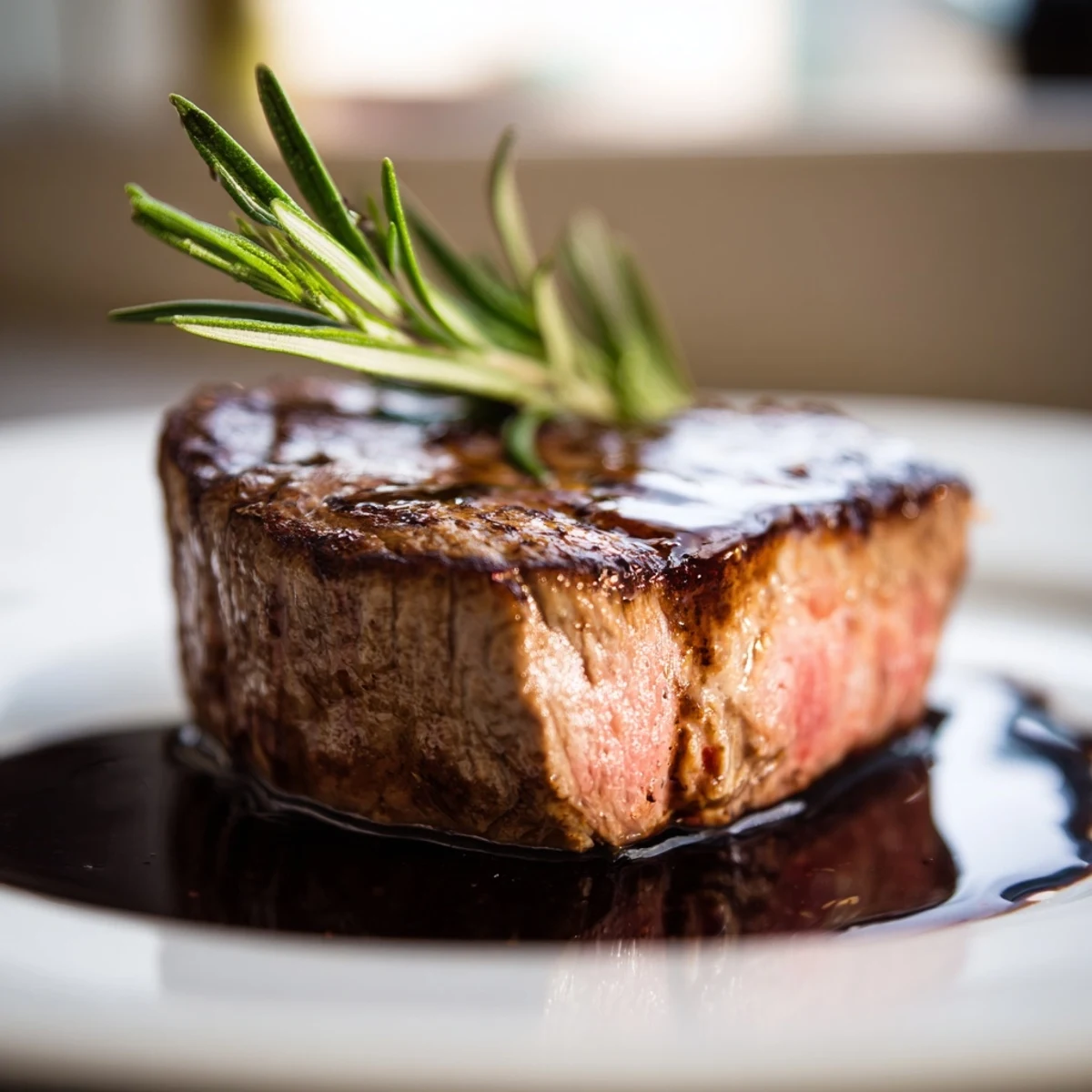
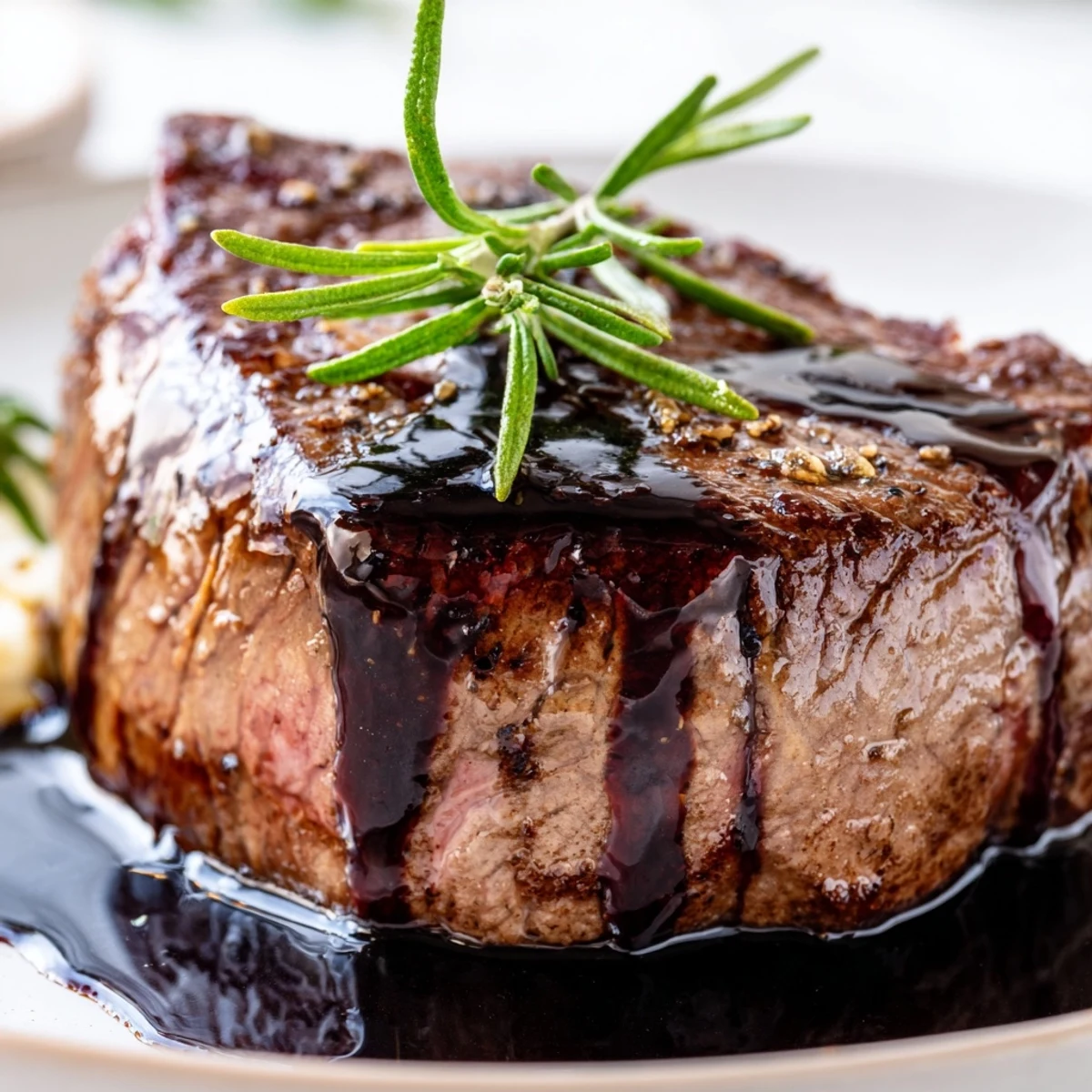
Save This elegant dish features tender filet mignon steaks, perfectly seared to develop a beautiful crust, then finished in the oven for ideal doneness. The beef is accompanied by a sweet and tangy balsamic reduction, simmered with honey to a syrupy consistency, creating a rich glaze. It's a surprisingly straightforward preparation for such an impressive meal.
Begin by bringing the steaks to room temperature and seasoning well. Sear them quickly in a hot skillet, basting with butter, before transferring to a preheated oven. While the steaks rest, prepare the luscious reduction. This method ensures maximum flavor and tenderness, making it perfect for a special occasion. Serve with simple sides like roasted vegetables or a light salad. It's naturally gluten-free and suitable for a romantic dinner.
The first time I attempted filet mignon, I was convinced it would be a disaster&a dish reserved only for fancy restaurants. But armed with a good cut of beef and a simmering balsamic, I decided to take the plunge for a quiet Friday night in. The aroma of searing beef mingled with the sweet-tart vinegar was utterly intoxicating, instantly transforming our kitchen into something wonderfully elegant. It proved that a special meal doesn't need a reservation, just a little intention.
I remember making this for my friend Sarah's birthday last year; she's notoriously hard to impress with cooking, always preferring to eat out. When she took her first bite, her eyes widened, and she just slowly nodded, murmuring, 'Okay, *this* is why people rave about filet.' It was a quiet acknowledgment, but that satisfied smile was a far greater compliment than any elaborate praise.
Ingredients
- 2 filet mignon steaks (6 oz&170 g each), about 1.5 inches thick: This cut is the star, and its thickness is crucial for that perfect sear and tender interior. Don't skimp on quality here&it truly makes a difference.
- 1 tbsp olive oil: Just enough to get that beautiful crust started without overpowering the rich beef flavor. Choose a good quality extra virgin for its higher smoke point.
- 1 tbsp unsalted butter: Added toward the end of searing, butter brings a nutty richness and helps develop an even deeper crust. Unsalted is key so you can control the seasoning.
- Kosher salt and freshly ground black pepper, to taste: These aren't just seasonings&they create the flavor foundation and contribute to that coveted crispy crust. Be generous&the meat can handle it.
- 1/2 cup (120 ml) balsamic vinegar: The backbone of our luxurious reduction, providing that signature sweet-tart tang. A decent quality balsamic will reward you with depth of flavor.
- 2 tbsp honey: This balances the vinegar's acidity and helps create that beautiful, syrupy consistency for the reduction. You can adjust slightly based on your preference.
- 1 tsp fresh rosemary, finely chopped (optional): A tiny touch of fresh rosemary in the reduction adds an aromatic, woodsy note that elevates the whole dish. If you don't have it, don't sweat it.
- Fresh rosemary sprigs or microgreens (optional): A final flourish that makes the plate look as exquisite as it tastes. Visual appeal is half the experience, after all.
Instructions
- Prep Your Steaks:
- Take your beautiful filet mignons out of the fridge at least 30 minutes before you plan to cook them; this helps them cook more evenly. Then, pat them thoroughly dry with paper towels&this is a critical step for a good sear.
- Get the Oven Ready:
- Preheat your oven to 400°F (200°C) now, so it's waiting patiently for your steaks. Having it ready means a smooth transition from stovetop to oven.
- Season Generously:
- Liberally season both sides of your steaks with kosher salt and freshly ground black pepper. Don't be shy; this isn't just for flavor, it helps form that gorgeous crust.
- Heat the Skillet:
- Place your heavy oven-safe skillet, ideally cast iron, over medium-high heat and add the olive oil. You want the oil shimmering, almost smoking, before the steaks go in.
- Sear for a Golden Crust:
- Carefully place the seasoned steaks into the hot skillet. Sear them for 2–3 minutes per side, letting that magnificent golden-brown crust develop. Resist the urge to move them too soon!
- Butter Baste for Flavor:
- Add the butter to the skillet, and as it melts, spoon the glorious buttery goodness over the searing steaks. This basting infuses them with rich flavor.
- Finish in the Oven:
- Transfer the skillet directly to your preheated oven. Roast for 5–7 minutes for a perfect medium-rare, or adjust the time to reach your preferred doneness.
- Rest Your Steaks:
- Remove the skillet from the oven and immediately transfer the steaks to a clean plate. Tent them loosely with foil and let them rest for at least 5 minutes; this is crucial for juicy results.
- Craft the Balsamic Reduction:
- While the steaks rest, combine balsamic vinegar, honey, and optional rosemary in a small saucepan. Bring it to a gentle boil, then reduce the heat to a simmer, stirring occasionally, until it's beautifully thick and syrupy&about half its original volume.
- Plate and Serve:
- Slice or present your perfectly cooked filet mignon on plates. Drizzle generously with that warm, glistening balsamic reduction, and add a sprig of fresh rosemary or microgreens if you're feeling fancy.
 Save
Save One chilly evening, my partner and I decided to skip our usual takeout ritual and instead, transformed our dining table into a cozy little bistro right at home. With candles lit and some soft jazz playing, that filet mignon felt like more than just dinner; it was a deliberate choice to create a beautiful, shared experience, proving that elegance can be found in the simplest of homemade meals.
The Magic of the Maillard Reaction
That beautiful, deep brown crust on your steak isn't just for looks; it's a symphony of flavor called the Maillard reaction. This chemical transformation only happens when you have high heat and a dry surface, which is why patting your steaks dry is such a non-negotiable step. It develops hundreds of new flavor compounds, giving your filet that complex, savory depth you crave.
Navigating Doneness Without a Thermometer
While an instant-read thermometer is your best friend for precise doneness, you can also learn to gauge it by touch. For medium-rare, your steak should feel like the fleshy part of your hand below your thumb when your thumb and middle finger are touching. Practice makes perfect, but err on the side of undercooking a little, as you can always cook it more, but you can't undo it.
Perfecting Your Balsamic Reduction
The key to a truly fantastic balsamic reduction is patience and a watchful eye. Don't walk away from it! It can go from perfectly syrupy to burnt in a matter of seconds once it's close to done. If it gets too thick, you can always thin it slightly with a tiny splash of water or more vinegar off the heat.
- For an extra layer of complexity, try adding a sliver of shallot to the reduction.
- Taste the reduction as it cooks; you might want a touch more honey for sweetness.
- Don't let it boil too vigorously, or it might reduce too quickly and become overly sharp.
 Save
Save This recipe consistently proves that sometimes, the simplest ingredients, handled with care, can create the most memorable and delicious moments. Enjoy crafting your own special dinner.
Recipe Questions & Answers
- → How do I achieve the perfect doneness for the filet mignon?
-
For medium-rare, aim for an internal temperature of 130°F (54°C) after resting. Use an instant-read thermometer for accuracy. Remember, the temperature will rise a few degrees as the meat rests.
- → Can I make the balsamic reduction ahead of time?
-
Yes, you can prepare the balsamic reduction a few hours in advance. Reheat it gently over low heat, adding a tiny splash of water or vinegar if it's too thick, before serving.
- → Why is it important to rest the steaks after cooking?
-
Resting the steaks allows the juices, which have been drawn to the center during cooking, to redistribute evenly throughout the meat. This results in a more tender, succulent, and flavorful bite.
- → What are good side dishes to serve with this elegant beef?
-
Classic pairings include roasted asparagus, garlic mashed potatoes, creamy polenta, or a fresh green salad. A full-bodied red wine like Cabernet Sauvignon or Merlot would complement it beautifully.
- → Are there any substitutions for honey in the balsamic reduction?
-
Maple syrup or brown sugar can be used as alternatives to honey, though they will subtly alter the flavor profile of the reduction. Adjust to your taste preferences.
- → How do I know if my balsamic reduction is the right consistency?
-
The reduction should be syrupy enough to coat the back of a spoon, but still pourable. It will thicken further as it cools. If it becomes too thick, you can thin it with a tiny bit of water or balsamic vinegar.