
 Save
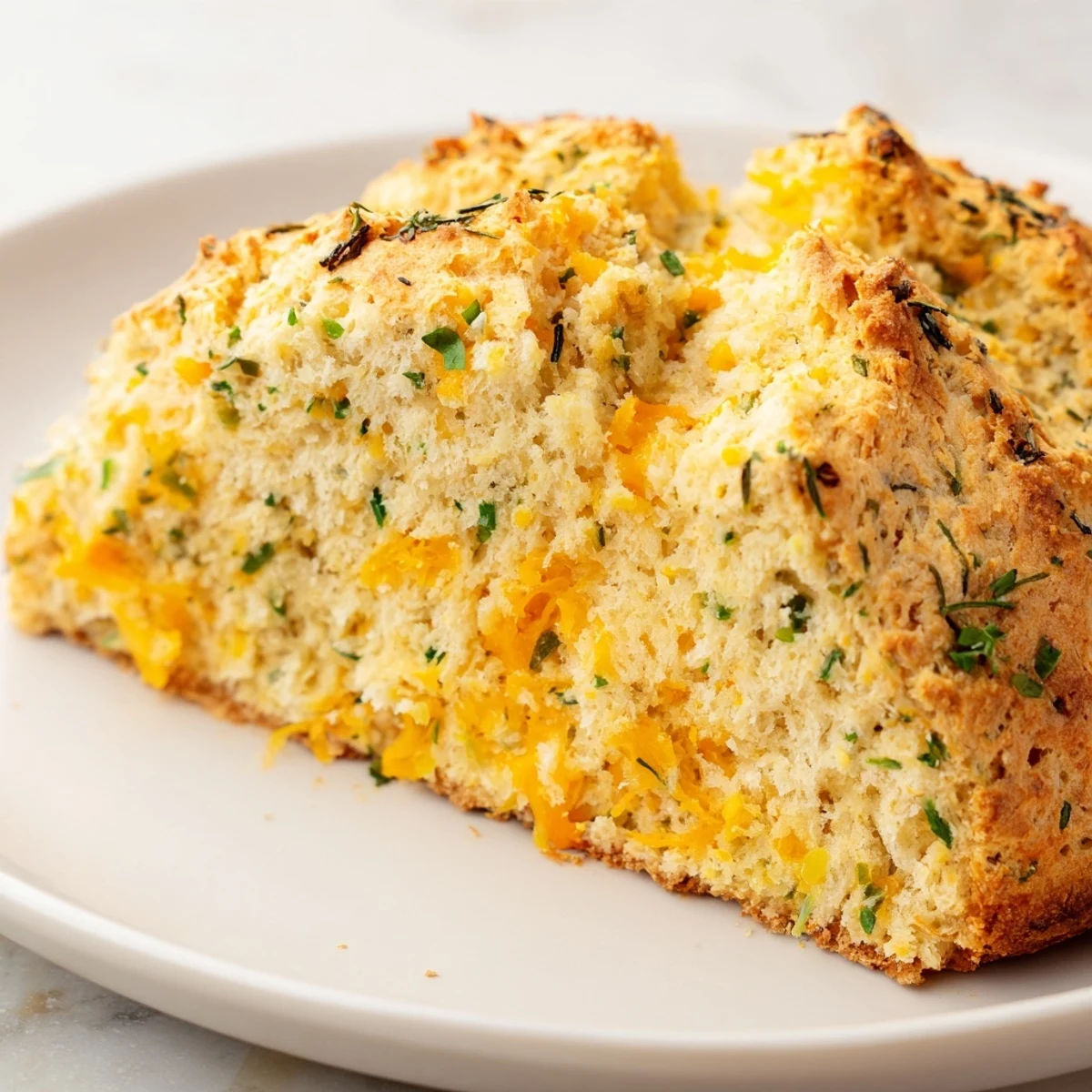
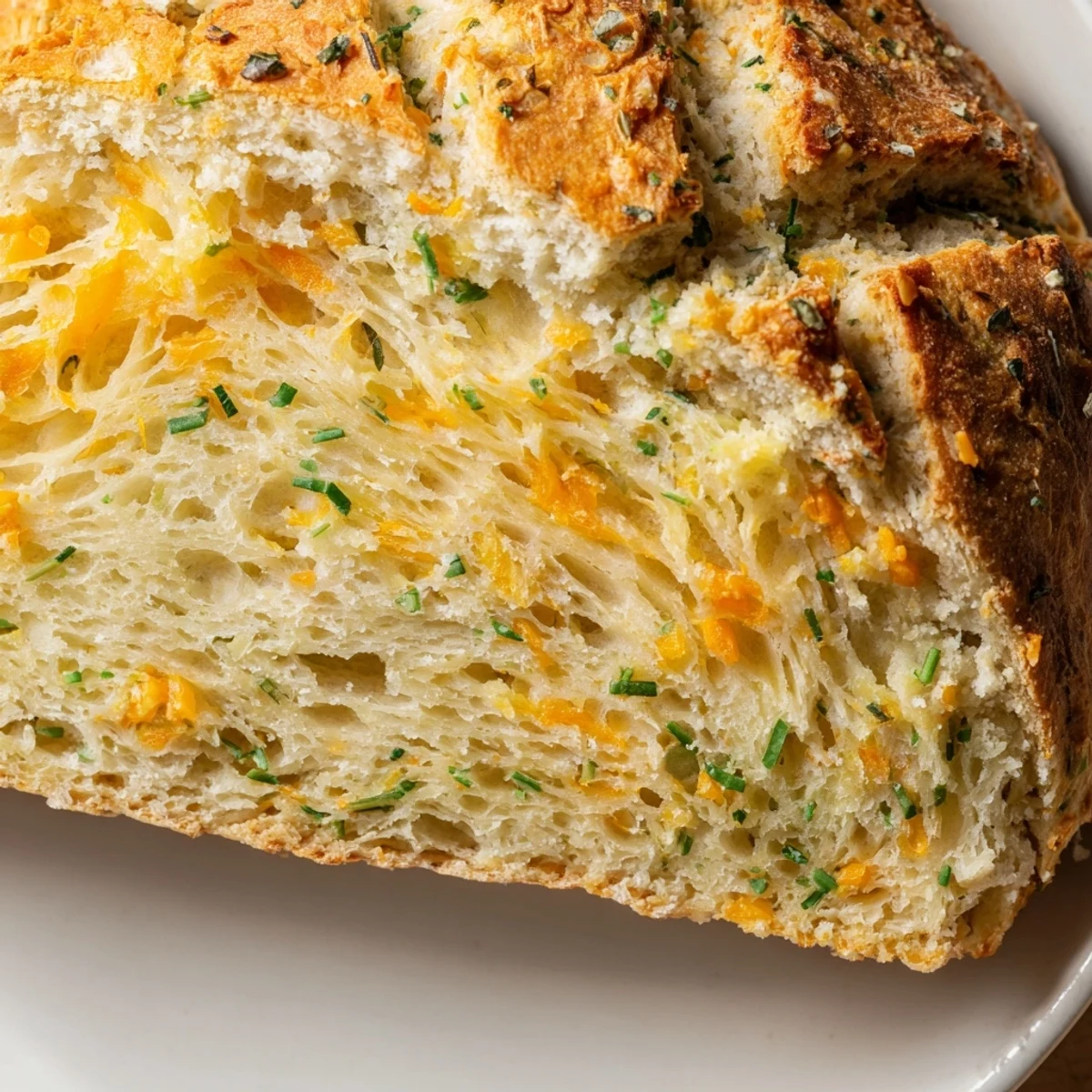
Save This loaf blends sharp cheddar with fragrant herbs like chives, parsley, and thyme, creating a rustic bread with a golden crust. Quick to prepare, it combines dry and wet ingredients gently for a tender crumb. Baking yields a flavorful loaf that pairs wonderfully with creamy soups or stews, making it a satisfying treat any time.
The first time I made this bread, I was rushing to get dinner on the table for unexpected guests. I threw everything together without measuring properly, crossing my fingers that soda bread chemistry would work its magic. When I pulled that golden loaf from the oven, the smell of melting cheddar and fresh herbs filled my entire kitchen. My friend asked for the recipe before she even took her first bite.
Last winter, I started baking this every Sunday afternoon. My family began gathering in the kitchen before the timer even went off, drawn by the incredible aroma. Now it has become our weekend tradition, warm slices disappearing as soon as they are cool enough to handle.
Ingredients
- All purpose flour: The foundation of any good soda bread, providing structure and that classic tender crumb
- Sharp cheddar cheese: Use a block you grate yourself for better melting and more intense flavor than pre shredded
- Fresh chives and parsley: These add bright, fresh notes that cut through the richness of the cheese
- Dried thyme: Brings an earthy undertone that pairs beautifully with the cheddar
- Buttermilk: Essential for activating the baking soda and keeping the bread tender
- Unsalted butter: Melted into the dough for extra richness and a softer texture
- Baking soda: The leavening agent that reacts with buttermilk to create rise
- Sea salt: Enhances all the flavors and balances the cheese
Instructions
- Prepare your oven and baking surface:
- Preheat your oven to 400°F (200°C) and line a baking sheet with parchment paper for easy cleanup and to prevent sticking
- Whisk together the dry ingredients:
- In a large mixing bowl, combine the flour, sugar, baking soda, and salt until everything is evenly distributed
- Add the cheese and herbs:
- Stir in the grated cheddar, chives, parsley, and thyme until they are coated with flour and evenly scattered throughout
- Mix the wet ingredients separately:
- In a separate bowl, whisk together the cold buttermilk, slightly cooled melted butter, and beaten egg until combined
- Bring the dough together:
- Pour the wet ingredients into the dry mixture and mix with a wooden spoon just until a shaggy, rough dough forms
- Shape the loaf gently:
- Turn the dough onto a lightly floured surface, knead it 4 or 5 times just to bring it together, then shape into a round loaf about 7 inches across
- Score and bake:
- Transfer to your prepared baking sheet, cut a deep X across the top with a sharp knife, and bake for 35 to 40 minutes until deeply golden
- Cool before slicing:
- Let the bread rest on a wire rack for at least 20 minutes to allow the crumb to set before cutting into it
 Save
Save This bread has become my go to when I need to bring something comforting to a gathering. People always assume it took hours to make, but I know the truth. It has saved me more times than I can count when I need something impressive without the fuss.
Making It Your Own
I have discovered that swapping in different herbs creates entirely new experiences. Dill and cracked black pepper turn it into something perfect for brunch. Rosemary and garlic make it an ideal companion for tomato soup. The base formula is so forgiving that experimentation almost always yields delicious results.
Storage and Reheating
This bread keeps remarkably well wrapped in foil at room temperature for up to two days. I actually think it slices better on the second day when the crust has softened slightly. For reheating, a quick 10 minute toast at 350°F brings back that just baked texture and makes the cheese melty again.
Serving Suggestions
The most memorable way I have served this was alongside a rich potato leek soup on a rainy evening. The bread soaked up every drop of broth, and the combination became an instant favorite in my house. It also works beautifully for breakfast, toasted and topped with a soft scrambled egg.
- Try spreading salted butter on warm slices for the ultimate comfort food experience
- Cubes of leftover bread make incredible croutons for salads or soup toppings
- Freeze individual slices wrapped tightly for quick weekday breakfasts
 Save
Save There is something deeply satisfying about making bread that requires such little effort but delivers such incredible results. This recipe reminds me that sometimes the simplest things in the kitchen bring the most joy.
Recipe Questions & Answers
- → Can I substitute the herbs?
-
Yes, dill or rosemary can replace the herbs listed, adding your preferred flavor profile to the bread.
- → What is the best way to check doneness?
-
Insert a skewer into the center; it should come out clean when the loaf is fully baked and golden brown.
- → How should this bread be served?
-
It’s delicious warm, especially with a smear of salted butter or alongside savory soups and stews.
- → Is overmixing the dough a concern?
-
Yes, mix gently until just combined to maintain a tender, flaky texture without toughness.
- → Can garlic powder be added?
-
Adding half a teaspoon of garlic powder to dry ingredients can boost flavor without overpowering the herbs and cheese.