
 Save
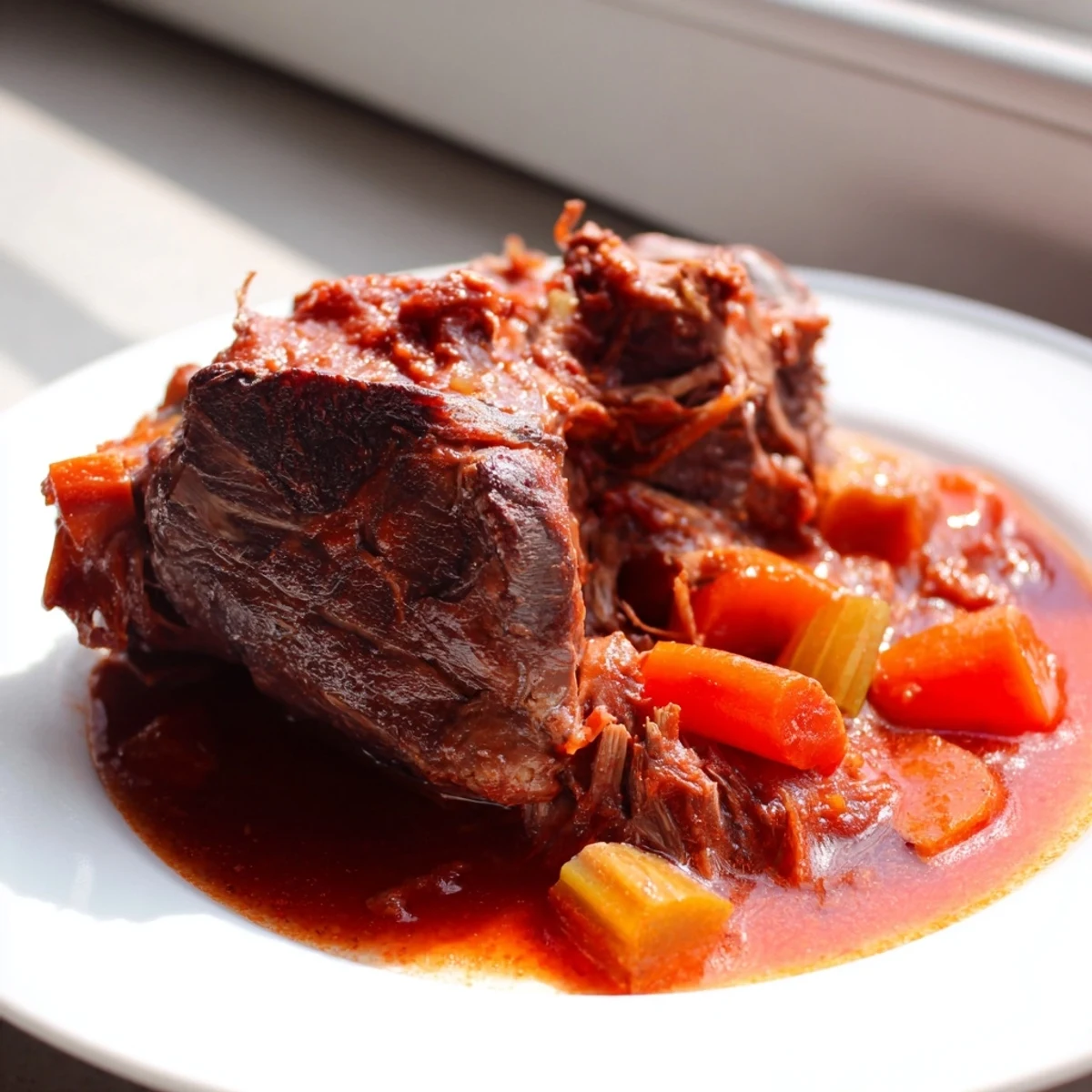
Save This dish features beef shank slowly braised to tender perfection alongside aromatic rosemary and thyme. Carrots, celery, onion, and garlic create a flavorful base, enriched with red wine, tomato paste, and beef stock. Cooking low and slow allows the meat to become fork-tender, releasing rich flavors that meld with the herbs and vegetables. Ideal for cozy dinners, it pairs well with mashed potatoes, polenta, or crusty bread to soak up the savory sauce.
There's something about the smell of beef shank braising in red wine that makes you feel like you've done something important in the kitchen. I learned this years ago when a friend brought me to a small bistro tucked away on a rainy Sunday, and the chef casually mentioned that their signature dish spent most of the day becoming tender in a low oven. That conversation stuck with me, and I've been making this version ever since—it's become my answer to anyone asking what to cook when you want to feel like you've accomplished something magnificent.
I made this for my partner's family one autumn evening, and watching them slow down mid-conversation to savor each bite told me everything I needed to know. The kitchen had smelled incredible for hours, and by the time we sat down, everyone was already halfway convinced they were at a real restaurant.
Ingredients
- 4 beef shanks (about 300 g each), bone-in: The bone is your secret—it releases collagen that turns the braising liquid into something silky and rich, so don't even consider boneless.
- Salt and freshly ground black pepper: Don't skip the generous seasoning step; it's the foundation for everything that follows.
- 2 large carrots, peeled and sliced: These soften into the sauce and add natural sweetness that balances the wine's acidity.
- 2 celery stalks, sliced: Celery builds depth without announcing itself, which is exactly what you want here.
- 1 large onion, chopped: It dissolves almost entirely into the braising liquid, creating a subtle backbone of flavor.
- 4 garlic cloves, minced: Fresh garlic matters here because you're not cooking it to death—it stays present and aromatic.
- 2 sprigs fresh rosemary and 2 sprigs fresh thyme: Fresh herbs make an enormous difference in a long braise; dried will taste like you're cooking with cardboard.
- 2 bay leaves: They add a subtle earthiness that you might not consciously notice but would definitely miss.
- 400 ml beef stock and 250 ml dry red wine: The combination creates complexity—the wine adds acidity and richness, while the stock grounds everything.
- 2 tbsp tomato paste: This small amount deepens the sauce without making it taste tomatoey.
- 2 tbsp olive oil: You need enough to get a proper sear; don't be shy.
Instructions
- Get your oven ready:
- Preheat to 160°C (320°F)—this low temperature is what transforms the shank into something tender rather than tough.
- Prepare and season your meat:
- Pat the beef shanks completely dry with paper towels, then season boldly on all sides with salt and pepper. Moisture is the enemy of browning, so don't skip the patting step.
- Sear for color and flavor:
- Heat your olive oil until it shimmers, then place each shank in the pot carefully—listen for that satisfying sizzle. Brown each side for 3–4 minutes, letting a deep crust form before flipping. The darker the color, the more flavor you're building.
- Sauté your vegetables:
- Once the meat is resting on a plate, add the onion, carrots, and celery to the same pot without washing it. Those browned bits are liquid gold, so work the vegetables around them for 5 minutes, then add the garlic and cook for one more minute until fragrant.
- Add tomato paste and let it deepen:
- Stir it in and cook for a minute so it caramelizes slightly and loses any raw taste.
- Deglaze with wine:
- Pour in the red wine and use a wooden spoon to scrape up every stuck bit from the bottom of the pot. Let it bubble gently for 2 minutes—you're concentrating the flavors.
- Return the meat and add remaining ingredients:
- Place the shanks back in, then pour in the beef stock and tuck in the rosemary, thyme, and bay leaves. Bring everything to a simmer.
- Transfer to the oven and braise:
- Cover the pot and slide it into the oven. Set a timer for 1.5 hours, then turn each shank—this ensures even cooking and keeps the meat moist. Continue for another 1.5 hours until the meat is so tender it barely holds together.
- Finish and serve:
- Remove the herbs and bay leaves, skim excess fat if you like (or leave it for richness), and taste for seasoning. Adjust salt and pepper as needed. Spoon the meat, vegetables, and sauce into bowls together.
 Save
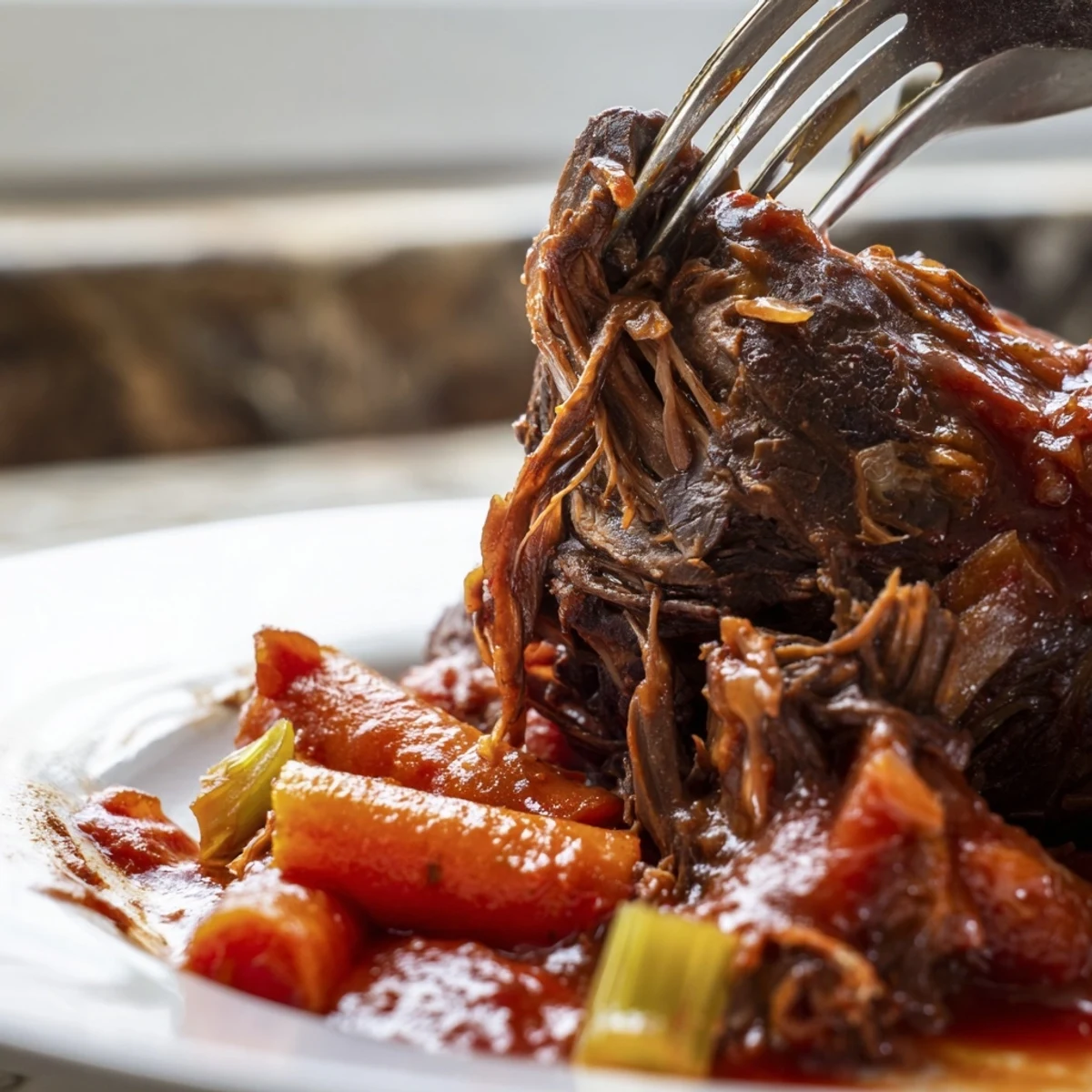
Save There's a moment near the end of cooking when you lift the lid and steam escapes, and you realize what you've created—it's not just dinner, it's an experience. That's when I know I've done something right.
Why This Braise Works
Low, slow cooking is the only way a beef shank transforms from tough to transcendent. The bone-in cut is full of collagen and connective tissue that needs time to break down into gelatin—you can't rush this with higher heat. The gentle oven temperature keeps everything moving slowly enough that the meat stays moist while it softens, and the vegetables have time to dissolve into the braising liquid rather than just cook alongside it.
Building Layers of Flavor
Every step in this recipe is intentional about creating depth. The searing browns the meat and creates fond in the pot. The vegetables soften and contribute sweetness. The wine adds acidity and complexity. The tomato paste deepens everything without making itself obvious. By the time the pot goes into the oven, you've built a flavor foundation that will only get better as it braises.
Serving Suggestions and Storage
This dish is generous and wants to be shared. Spoon the meat, vegetables, and sauce over mashed potatoes or creamy polenta—something soft that can soak up that silky braising liquid. Crusty bread works beautifully too if you want something to soak up every last bit. The leftovers refrigerate beautifully for up to four days and actually taste better the next day when the flavors have had time to settle.
- Store the beef shank and sauce together in an airtight container so the meat stays moist.
- Reheat gently on the stovetop over medium-low heat rather than the microwave, which can make the meat tough.
- This recipe doubles easily if you're cooking for more people, though you may need to extend the braising time slightly for a full pot.
 Save
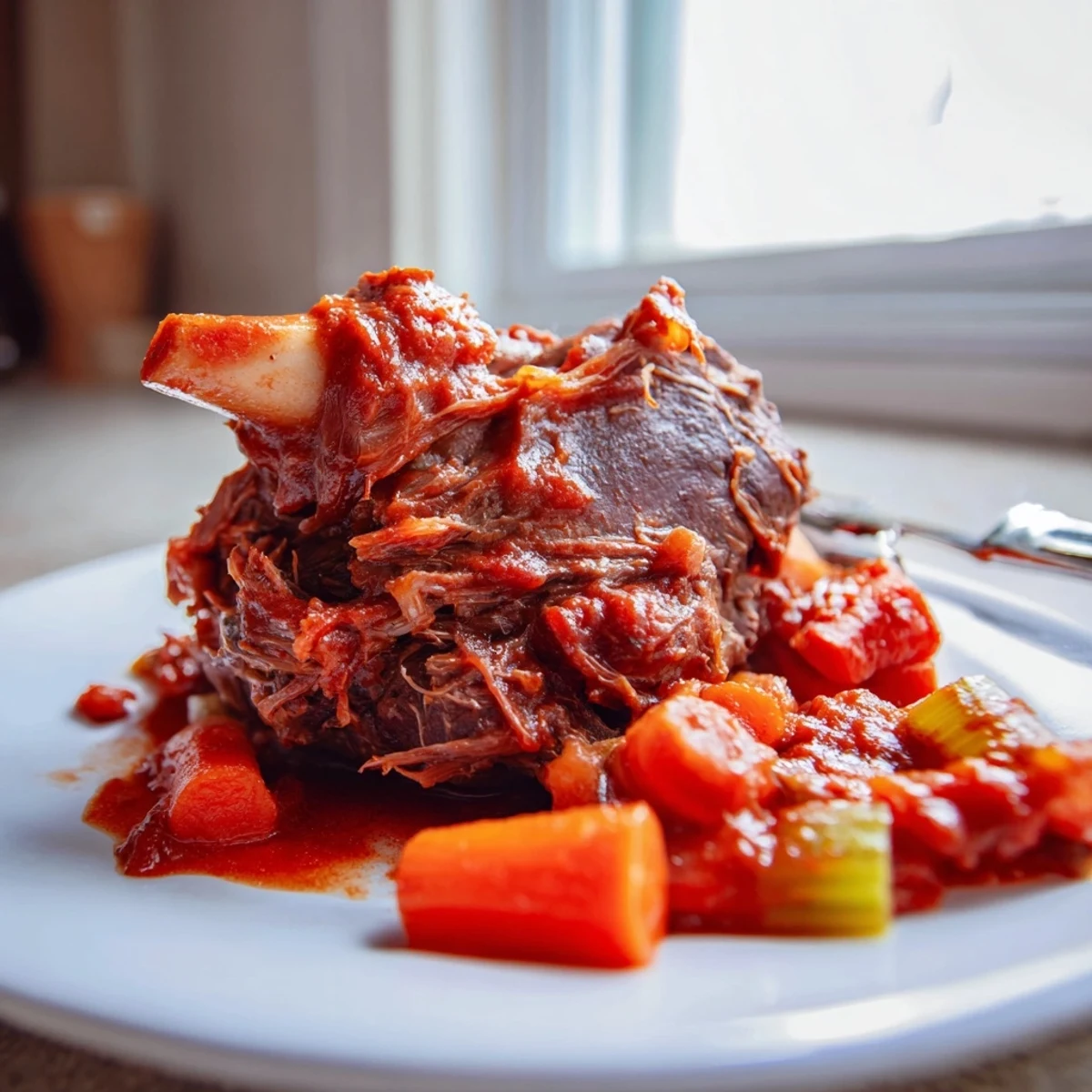
Save This is the kind of dish that transforms an ordinary evening into something memorable, the sort of cooking that makes people pause and actually taste what they're eating. Once you've made it, you'll understand why it's been a restaurant favorite for generations.
Recipe Questions & Answers
- → What is the best cut for this slow cooking method?
-
Beef shank with bone-in is ideal as it becomes tender and flavorful during the long, slow braise.
- → How long should I braise the beef shank?
-
Approximately 3 hours at 160°C (320°F) until the meat is fork-tender and falling off the bone.
- → Can I adjust the sauce consistency?
-
Yes, remove the meat and reduce the cooking liquid on the stovetop for 10-15 minutes to thicken.
- → Which herbs complement the meat's flavor?
-
Fresh rosemary, thyme, and bay leaves add aromatic depth to the braising liquid.
- → What side dishes pair well with this dish?
-
Mashed potatoes, polenta, or crusty bread are great for soaking up the rich sauce.
- → Can I substitute the beef stock?
-
Chicken stock can be used as a substitute but will alter the flavor slightly.