
 Save
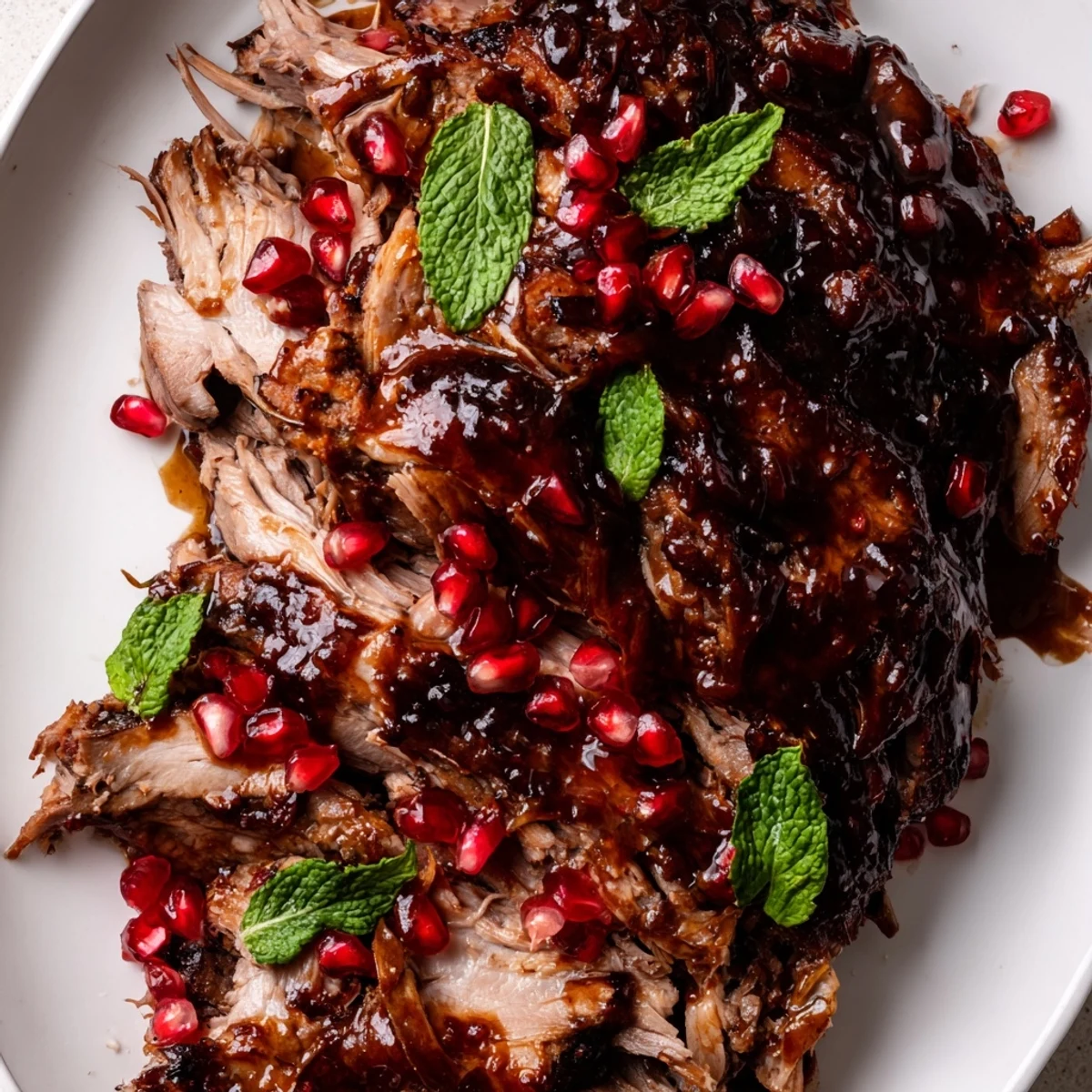
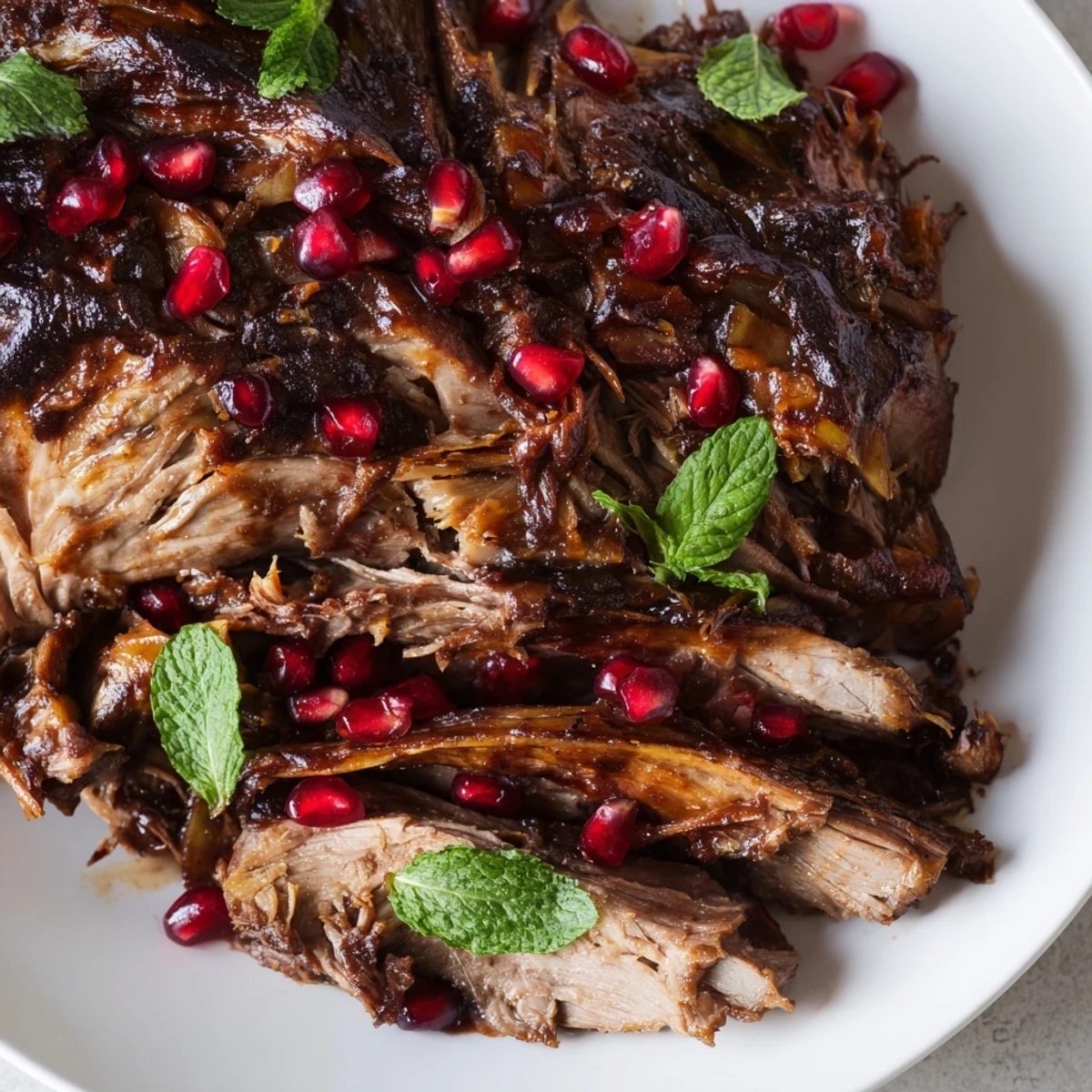
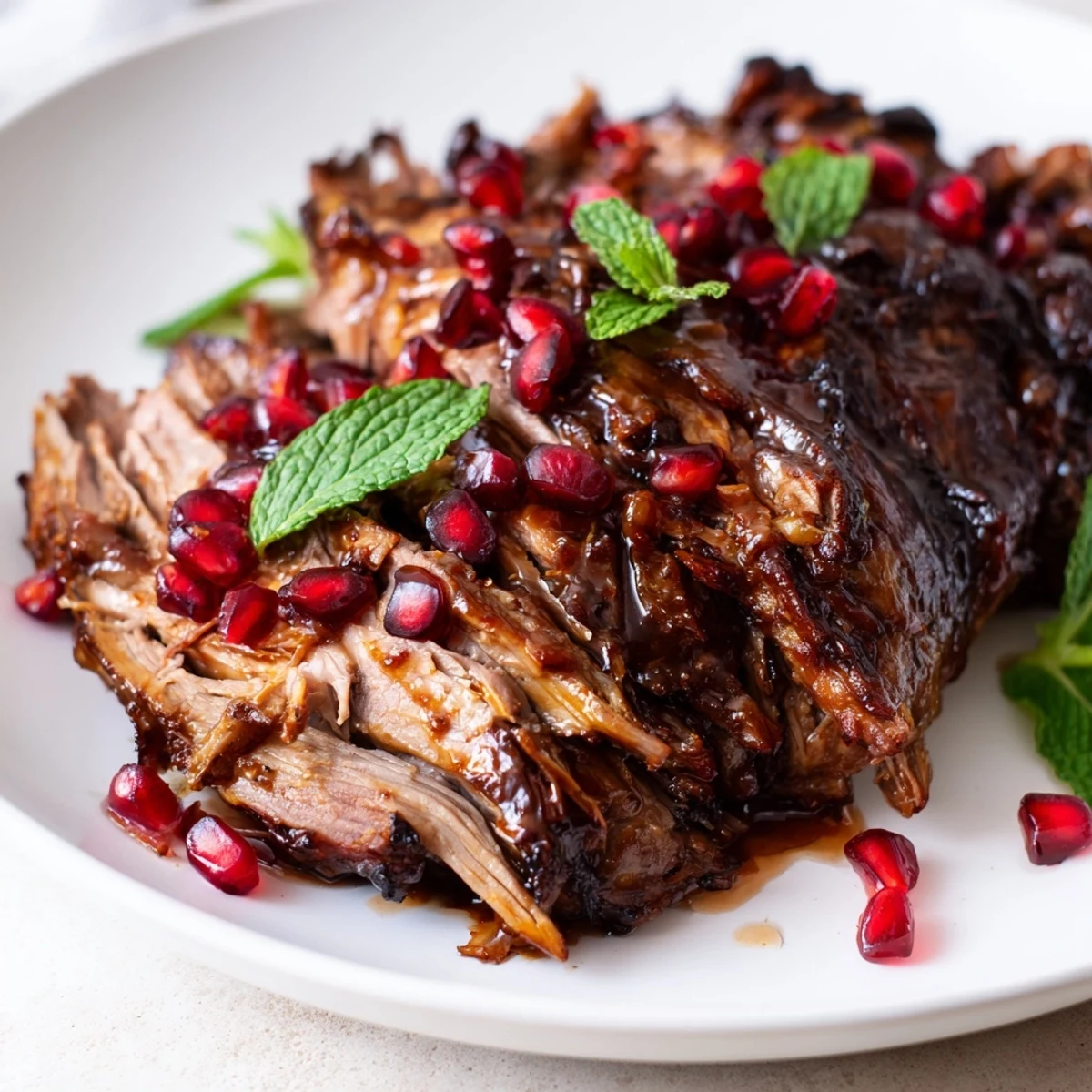
Save This Middle Eastern main dish features a bone-in lamb shoulder (2kg) rubbed with a fragrant spice blend of cumin, coriander, cinnamon, and smoked paprika, then slow-roasted for 3½ hours on a bed of vegetables. The meat is finished with a glaze of pomegranate molasses, honey, and lemon juice, caramelized at higher heat for 20-30 minutes until sticky and golden. After a 15-20 minute rest, it's carved and served with pomegranate seeds, fresh mint, and lemon wedges. Perfect for sharing with 6 people, this elegant dish pairs beautifully with flatbreads, rice, or roasted vegetables.
The first time I attempted a lamb shoulder, I placed the roast in the oven, turned up the music, and danced around my kitchen with my daughters, the scent of warming spices filling the air. Four hours later, when we finally carved into that pomegranate-glazed meat, the silence around our table said everything words couldn't. The meat pulled apart with just the gentlest pressure from a fork, and those Middle Eastern spices transported us somewhere between Beirut and Damascus, though we'd never left our dining room.
Last December, when my brother visited from overseas, I prepared this lamb shoulder as our reunion meal. The kitchen windows fogged up from the steam as we caught up on years of stories, the lamb slowly transforming in the oven. When we finally gathered around the table, pulling apart the succulent meat and scooping up the sticky glaze with warm flatbread, I watched his expression soften with each bite, the familiar flavors bridging the years we'd spent apart.
Ingredients
- Bone-in lamb shoulder (2 kg): The bone adds tremendous flavor and helps maintain moisture throughout the long cooking process, so resist the temptation to go boneless.
- Pomegranate molasses: This thick, tangy-sweet reduction transforms from a simple ingredient into a glaze that makes people ask what your secret is.
- Spice blend (cumin, coriander, cinnamon, paprika): These warming spices create layers of flavor that penetrate deep into the meat during the slow roast.
- Fresh rosemary and lemon zest: These bright notes cut through the richness of the lamb, keeping the dish from feeling heavy.
- Vegetables for the roasting bed: Those onions, carrots and halved garlic bulb might look humble going in, but they transform into gold beneath the roasting meat, soaking up all those magnificent drippings.
Instructions
- Prepare the aromatic rub:
- Mix the cumin, coriander, cinnamon, smoked paprika, minced garlic, rosemary, lemon zest, salt, and pepper in a small bowl until well combined. The scent alone will transport you to a distant spice market.
- Set the foundation:
- Arrange those thick onion slices, carrot chunks, and halved garlic bulb in your roasting pan, creating a natural trivet that will lift the lamb and infuse it with flavor. Think of it as building a flavor platform for your star ingredient.
- Season the lamb:
- Massage the olive oil all over the lamb shoulder, getting into every nook and cranny. Then work the spice rub into the meat with your fingers, almost like giving it a spa treatment.
- Begin the slow transformation:
- Place the lamb on its vegetable bed, pour stock around (not over) the meat, and seal tightly with foil. This creates a gentle steam bath that helps break down the tough fibers.
- The long roast:
- Slide it into your preheated oven and let time work its magic for about 3½ hours. Your kitchen will slowly fill with an aroma that pulls family members in from all corners of the house.
- Create the sticky glaze:
- Mix the pomegranate molasses, honey, and lemon juice until smooth and glossy. This balance of sweet, tart, and acid will create that irresistible lacquer on the outside of the lamb.
- The final caramelization:
- Remove the foil, brush on that gorgeous glaze, and crank up the heat. Watch through the oven door as the surface transforms into a deep mahogany crust that will have everyone fighting for edge pieces.
- The crucial rest:
- Let the lamb shoulder rest under loose foil for at least 15 minutes after roasting. This isn't just tradition, the meat is actually still cooking and the juices redistributing throughout.
 Save
Save The first time I served this at our neighborhood potluck, our elderly neighbor Mrs. Abadi, who rarely comments on anything, quietly pulled me aside. With glistening eyes, she squeezed my hand and whispered that the lamb reminded her of Sunday feasts in her childhood home in Lebanon. For a moment, the busy gathering around us faded away as we connected over how food can bridge continents, generations, and hearts.
Make-Ahead Options
One rainy Saturday when friends were coming for dinner, I discovered the secret power of preparing this dish in stages. I rubbed the lamb with spices the night before, letting it marinate in the refrigerator overnight wrapped in plastic. The next morning, I arranged the vegetable bed and started the slow roast hours before guests arrived. The house smelled incredible when they walked in, and I looked completely relaxed rather than frazzled from last-minute cooking.
Serving Suggestions
After years of serving this lamb shoulder, Ive found that simple sides let it truly shine. Once, when I overthought the accompaniments with multiple elaborate side dishes, the meal felt fussy rather than festive. Now I stick to warm flatbreads for scooping, a bowl of thick yogurt with a swirl of olive oil, and perhaps a simple herb-flecked grain pilaf to catch those precious juices.
Troubleshooting & Variations
Through many Sunday roasts and holiday gatherings, Ive learned that this recipe is remarkably forgiving. Once, when my oven unexpectedly turned off mid-cooking (thank you, power outage), I simply resumed when electricity returned, and the lamb was still magnificent.
- For a spicier version, add a teaspoon of Aleppo pepper flakes to the spice rub.
- If pomegranate molasses is unavailable, reduce 1 cup of pomegranate juice with 2 tablespoons of honey and a splash of lemon until syrupy.
- For a summer variation, finish the glazed lamb on a hot grill for 5 minutes per side instead of the final oven roast.
 Save
Save This slow-roasted lamb shoulder isnt just a meal, its an experience that brings people together around a table and creates memories that linger long after the dishes are cleared. Each time I make it, I'm reminded that sometimes the most profound connections happen not through grand gestures, but through food prepared with care and shared with love.
Recipe Questions & Answers
- → How do I know when the lamb is cooked through?
-
The lamb should be tender enough to fall apart with minimal pressure after the full roasting time. Check with a fork or knife—the meat should shred easily. For medium-rare to medium doneness, follow the timing exactly (3½ hours at 160°C plus 20-30 minutes at 200°C).
- → Can I prepare the lamb ahead of time?
-
Yes. Apply the spice rub the night before and refrigerate. This allows the flavors to penetrate the meat deeply. Remove from the refrigerator 30 minutes before roasting to bring closer to room temperature for even cooking.
- → What if I don't have pomegranate molasses?
-
Mix equal parts balsamic glaze and fresh lemon juice as a substitute. This creates a similar tangy-sweet profile. Adjust the honey slightly if needed to balance the flavors to your preference.
- → Why is resting the lamb important?
-
Resting for 15-20 minutes allows the juices to redistribute throughout the meat, ensuring it stays moist and tender when carved. Without this step, the juices run out onto the plate, leaving the meat dry.
- → What wines pair well with this dish?
-
Bold, fruit-forward reds work beautifully. Try Shiraz, Grenache, or other full-bodied wines with good tannin structure. These complement the rich lamb and the tangy-sweet glaze perfectly.
- → Can this be made for fewer people?
-
Yes, you can halve the ingredients for 3 servings. Reduce the roasting time by 30-45 minutes depending on the size of the smaller shoulder. Use a smaller roasting pan to maintain proper liquid-to-meat ratio.