
 Save
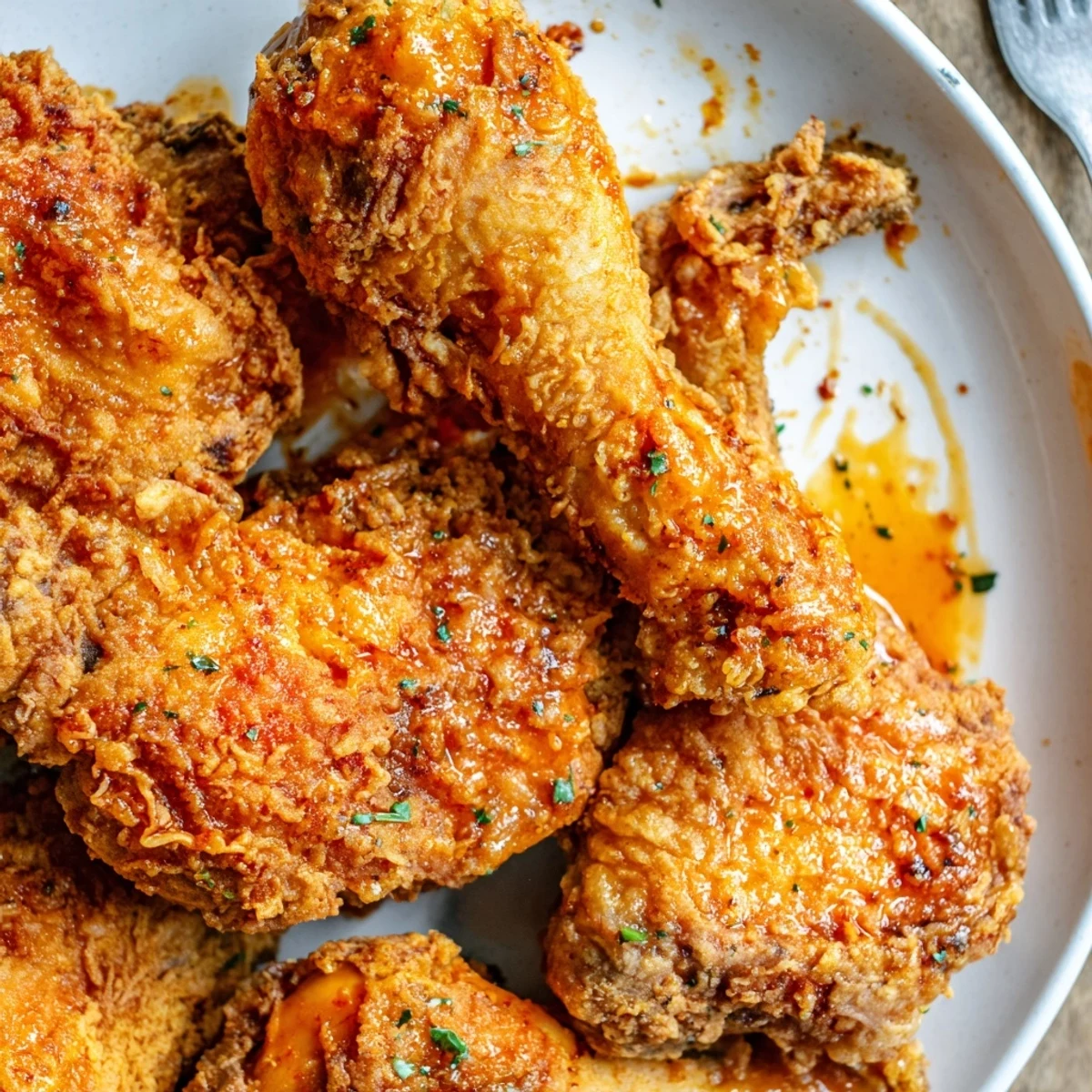
Save Marinated in tangy buttermilk and hot sauce to tenderize and add depth, the chicken is dredged in a seasoned blend of flour and cornstarch for extra crunch, rested briefly, then fried at 350°F until golden and 165°F internal. A glossy honey-butter glaze spiked with hot sauce and red pepper flakes is warmed and tossed with hot chicken, creating a sticky, juicy finish. Tips: double-dip for extra crunch, adjust cayenne to taste, and serve with coleslaw, cornbread, or pickles.
The sizzle of chicken hitting hot oil is a sound I once feared and now crave like a song I cannot stop humming. My first attempt at frying ended with a grease splatter that looked like modern art on my kitchen wall, but the reward beneath that golden crust was worth every cleanup. Spicy honey butter fried chicken became my Sunday project, the dish I make when excuses to be lazy fall away and hunger takes the wheel. There is nothing modest about it, and honestly, that is the whole point.
One summer evening I set a platter of this chicken on a picnic table and watched three grown adults abandon their forks entirely. Grease on chins, honey on fingertips, not a single apology between them. My neighbor Dave, who normally eats like a health textbook, went back for a fourth piece and pretended he was just helping me clear the plate. That silence around a table, broken only by crunching, is the highest compliment a cook can receive.
Ingredients
- 8 bone in, skin on chicken thighs or drumsticks: Bone in pieces hold their moisture far better than boneless cuts during the long fry, and the skin is where all your crunch lives.
- 1 cup buttermilk: This is your secret weapon for tenderness, and if you cannot find real buttermilk, a tablespoon of lemon juice stirred into regular milk and left for ten minutes works in a pinch.
- 1 teaspoon hot sauce (marinade): Just enough to wake the meat up without stealing the spotlight from the glaze later.
- 1 teaspoon sea salt and ½ teaspoon black pepper (marinade): Season the chicken before it ever sees flour and you will never have a bland bite.
- 1½ cups all purpose flour: The backbone of your coating, providing structure and that familiar fried chicken flavor.
- ½ cup cornstarch: This is the difference between good crunch and crunch that echoes across the room.
- 2 teaspoons paprika, 1 teaspoon garlic powder, 1 teaspoon onion powder: These three build a savory base that makes the coating taste like more than just fried flour.
- 1 teaspoon cayenne pepper: Adjust to your courage level, but remember the honey will temper whatever heat you build.
- ½ teaspoon salt and ½ teaspoon black pepper (coating): Double seasoning in the coating ensures every shatter of crust delivers flavor.
- Vegetable oil for frying: You need two full inches of oil in a heavy skillet, and please do not try to shortcut this with less.
- ⅓ cup unsalted butter: The luxurious foundation of your glaze, melting into the honey like they were always meant to find each other.
- ¼ cup honey: Use a good one here because its flavor shines through loud and clear.
- 1 to 2 tablespoons hot sauce (glaze): This is where you tune the heat to your audience, tasting as you go.
- ¼ teaspoon crushed red pepper flakes (optional): A finishing touch of texture and warmth for those who want a little extra fire in the finish.
- Pinch of salt (glaze): Just a whisper to pull all the sweet and spicy elements into focus.
Instructions
- Marinate the chicken:
- Whisk the buttermilk, hot sauce, salt, and pepper together in a large bowl until blended. Submerge every piece of chicken, press plastic wrap directly against the surface, and tuck it into the refrigerator for at least two hours or preferably overnight so the tang and tenderness can really develop.
- Build your coating station:
- In a wide bowl, whisk the flour, cornstarch, paprika, garlic powder, onion powder, cayenne, salt, and pepper until evenly combined with no pale streaks of flour hiding anywhere. Set a wire rack over a sheet pan beside it so you have a landing zone ready.
- Dredge with intention:
- Shake off the excess buttermilk from each piece, then press it firmly into the flour mixture, packing the coating on with your hands and getting into every crease of the skin. Let the coated pieces rest on the wire rack for ten minutes so the flour can bond and you avoid that heartbreaking moment when the crust slides off in the oil.
- Heat the oil:
- Pour two inches of vegetable oil into a heavy skillet or deep fryer and bring it to 350°F, checking with a thermometer rather than guessing because fried chicken is not the place for optimism.
- Fry in batches:
- Lower chicken pieces into the oil carefully, leaving space between them so the temperature does not crash, and fry for twelve to fifteen minutes, turning occasionally, until the crust is deeply golden and the internal temperature reads 165°F. Transfer to paper towels and let them drain while you fry the remaining pieces.
- Make the glaze:
- In a small saucepan over medium heat, melt the butter and stir in the honey, hot sauce, red pepper flakes if using, and salt. Let it simmer for one minute, stirring constantly, until it comes together into a glossy, fragrant sauce that smells like a kitchen you never want to leave.
- Glaze and serve:
- Drizzle the warm glaze over the fried chicken or toss the pieces gently in a large bowl to coat them evenly, then serve immediately while the contrast between the crisp crust and the sticky glaze is at its peak.
 Save
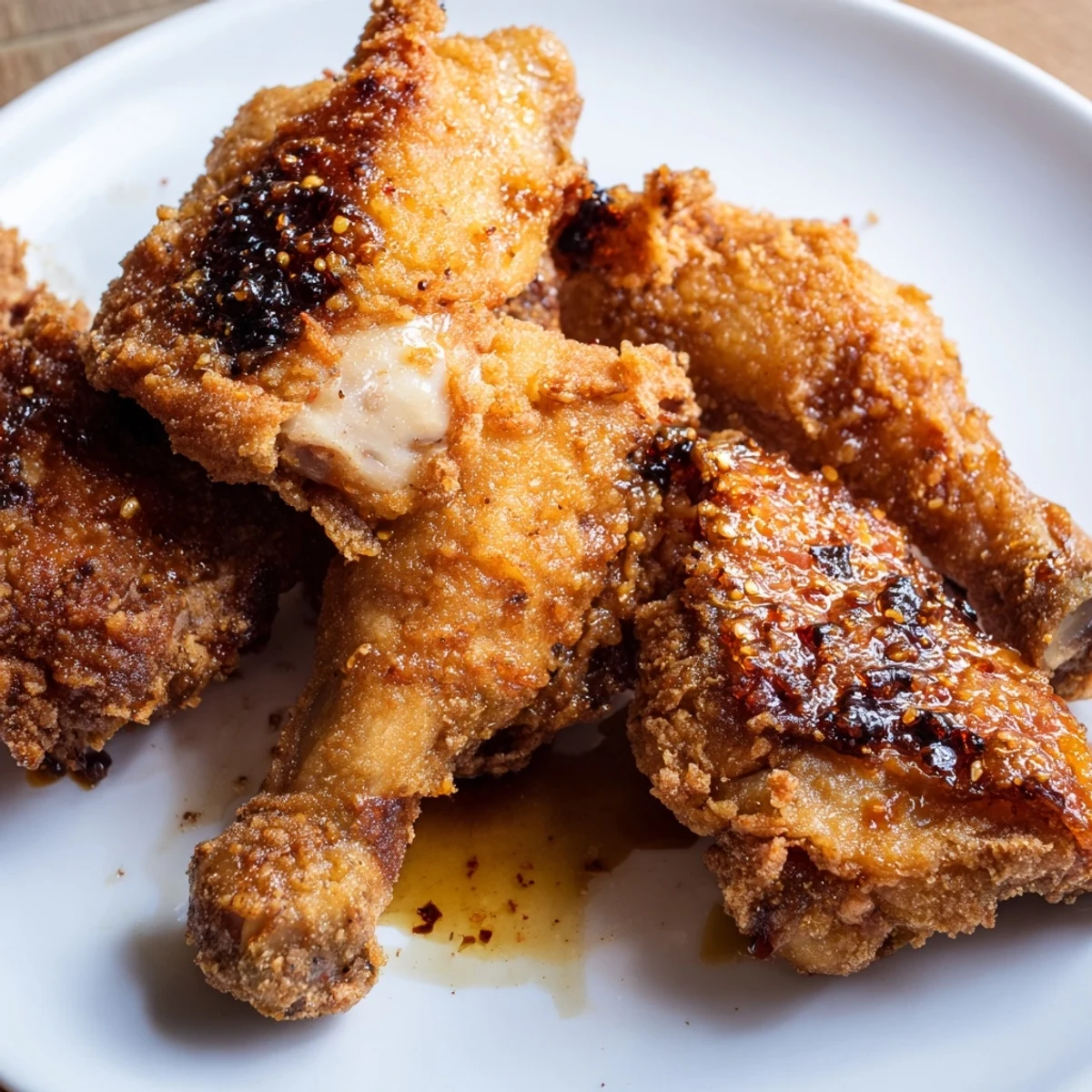
Save The first time I got the glaze right, I stood alone in my kitchen licking honey butter off my thumb and wondering if restaurant fried chicken had always been this unnecessary. Making it yourself changes the relationship entirely, from something you order to something you earned.
What to Serve Alongside
Coleslaw is the obvious partner and for good reason, because that cool creamy crunch against hot sticky chicken is a contrast worth planning a meal around. Cornbread soaks up any glaze that escapes, and a handful of dill pickles cut straight through the richness with their briny snap. A cold drink is not optional.
Handling Leftovers
If you have leftover fried chicken, consider yourself lucky but do not expect it to stay that way for long. Reheat it on a wire rack in a 375°F oven for about ten minutes to bring back some of the crunch, then drizzle with glaze just before eating so the crust does not go soft on you. Microwaving will break your heart.
Making It Your Own
Once you have the base technique down, this recipe bends beautifully in whatever direction your pantry pulls you. Swap the hot sauce for gochujang and add a splash of rice vinegar to the glaze for a Korean inspired twist that hits different. Or try maple instead of honey with a pinch of smoked paprika in the coating for something that tastes like autumn in the South. The double dip method, dipping dredged chicken back into buttermilk then flour again, creates a crust so thick and dramatic it borders on ridiculous in the best way.
- For boneless pieces, reduce frying time to about eight minutes and check the temperature early.
- Keep your finished chicken on a wire rack, never a plate, if it needs to wait so the bottom does not steam itself sad.
- The glaze thickens as it cools, so warm it gently if you are working in batches.
 Save
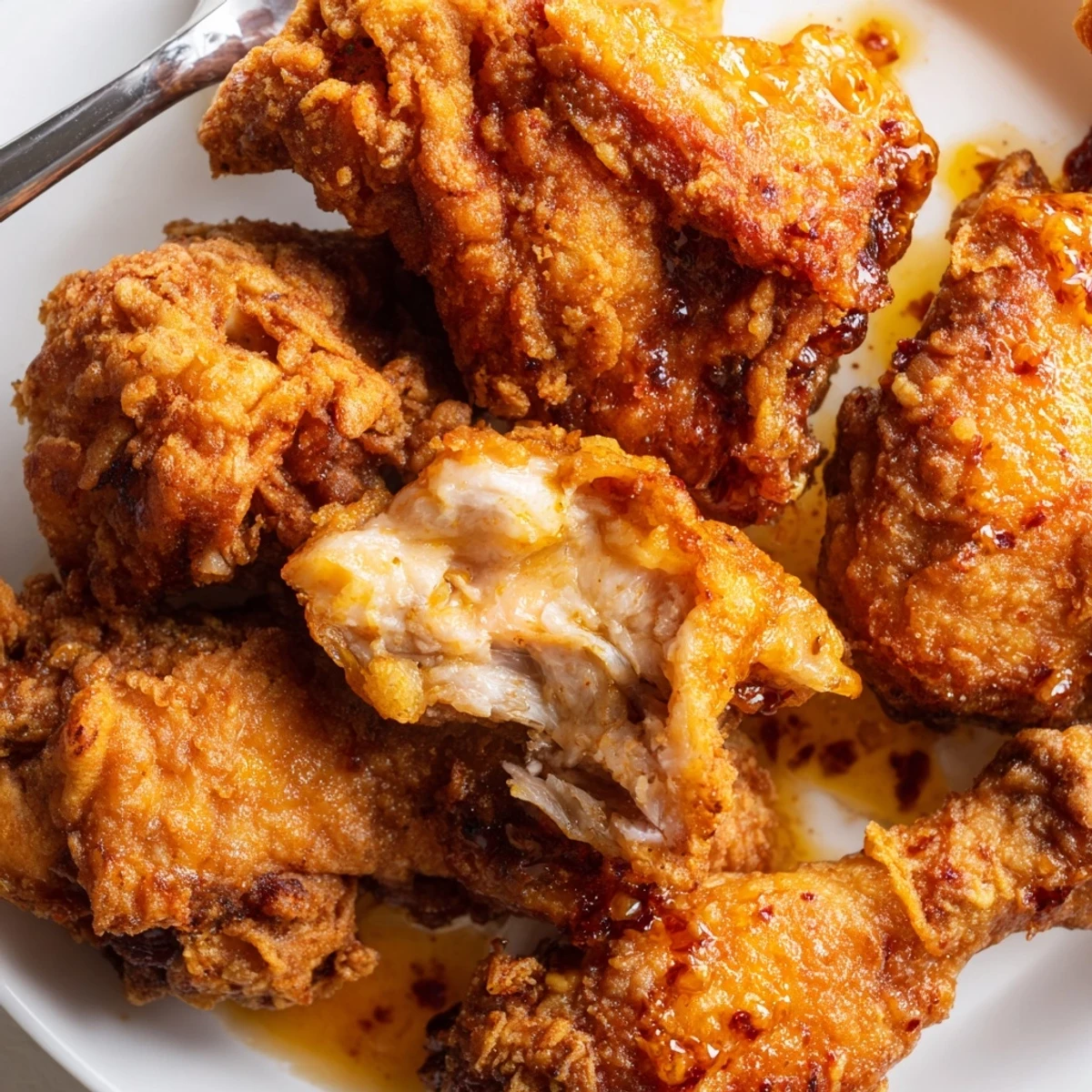
Save Fried chicken is never just dinner, it is a production, and this one earns its place at any table lucky enough to hold it. Make it once and you will find yourself looking for excuses to make it again.
Recipe Questions & Answers
- → How do I control the heat level?
-
Adjust the hot sauce in the marinade and glaze, reduce cayenne in the coating, or skip the red pepper flakes. Start with a mild amount and taste the glaze before tossing to find the right balance.
- → What gives the coating extra crunch?
-
Adding cornstarch to the flour mix, pressing the coating onto each piece, resting the coated chicken on a rack for 10 minutes, and frying at a steady 350°F all help create a crisp crust. Double-dip (buttermilk then flour again) for a thicker, crunchier shell.
- → Which chicken pieces work best here?
-
Bone-in, skin-on thighs or drumsticks stay juicy and hold up to frying and glazing. Boneless pieces can be used but will cook faster—reduce frying time and monitor internal temp to avoid drying out.
- → How should I reheat leftovers to keep them crisp?
-
Reheat in a 375°F oven on a wire rack over a baking sheet until warmed through, 10–15 minutes. This preserves crispness better than the microwave. If glazed, reapply a small amount of warm glaze after reheating.
- → Can the honey-butter glaze be prepared ahead?
-
Yes. Warm the butter and honey with hot sauce, then cool and refrigerate in an airtight container up to 3 days. Reheat gently before tossing with chicken; add a splash of water or more butter if it thickens too much.
- → What oil and temperature are best for frying?
-
Use a neutral high-smoke oil (vegetable, canola, or peanut) and maintain around 350°F. Fry in batches to avoid crowding—overcrowding drops oil temp and yields soggy crusts. Aim for 12–15 minutes for bone-in pieces.