
 Save
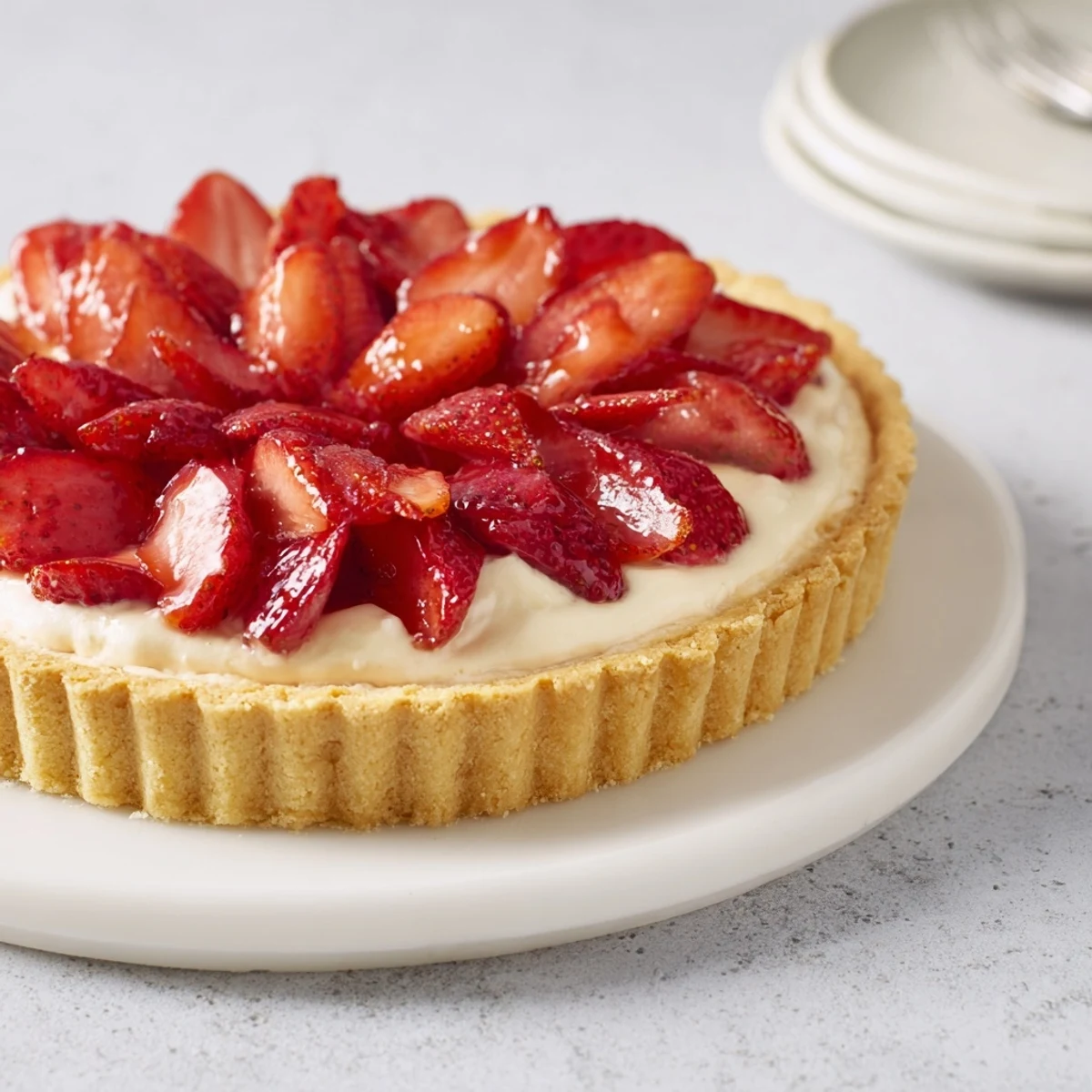
Save Cette tarte aux fraises classique marie une pâte sablée fondante, une crème pâtissière onctueuse et des fraises fraîches nappées d'une gelée d'abricot brillante. Travaillez la pâte rapidement, repose 30 minutes au froid, puis faites cuire à blanc 30 minutes pour une base croustillante. Pour la crème, chauffez le lait à la vanille, tempérez les jaunes, incorporez la maïzena et le beurre hors du feu. Garnissez la pâte refroidie, disposez les fraises harmonieusement et réfrigérez au moins 1 heure avant de servir.
Sometimes, the arrival of strawberry season is signaled not by the calendar but by the perfume that drifts through the market. The first time I tried making a tarte aux fraises, the windows were open and the kitchen filled with the subtle note of butter melting in my hands. There was a thrill in combining crisp pâte sablée and creamy vanilla pastry, then crowning it with fresh fruit. This tart embodies those bright, sweet days when dessert feels like a celebration of simple things.
One spring evening, I made this tarte for friends after a long walk in the park, and someone quietly asked for a second slice while scraping their plate with a fork. As the sunset painted the kitchen gold, the bright strawberries seemed almost too beautiful to eat. Watching everyone pause mid-conversation for their first bite made the whole baking process feel worthwhile.
Ingredients
- Farine: Use a good quality all-purpose flour so your pâte sablée has the right amount of tenderness. I’ve found sifting it first helps prevent lumps.
- Beurre doux: Cold, diced butter is essential—the secret to a crumbly, melt-in-the-mouth crust is handling it with quick, cool fingers.
- Sucre glace: Powdered sugar adds just enough sweetness while keeping the pastry delicate; a quick dusting removes any stubborn lumps.
- Œuf: One egg brings the dough together and, if you're ever unsure, just mix until all the flour disappears.
- Sel: A pinch sharpens the overall flavor, almost unnoticeably lifting everything else.
- Lait entier: Whole milk gives the crème pâtissière its rich, classic base—low-fat won’t do it justice.
- Gousse de vanille ou extrait: Both work; splitting a vanilla bean and scraping the seeds add flecks and fragrance I always notice.
- Sucre: Granulated sugar balances the tartness of fresh strawberries and provides sweetness without overpowering vanilla.
- Jaunes d’œufs: Yolks are what bring lush color and sublime texture to the pastry cream.
- Maïzena: Cornstarch thickens the custard smoothly—just whisk thoroughly so it stays lump-free.
- Beurre: Stirring in butter at the end gives the cream a velvety sheen.
- Fraises fraîches: Ripe, fragrant strawberries are the star—choose ones with vivid color and no soft spots for prettiest results.
- Confiture d’abricot: The apricot glaze adds gleam and a gentle tang; sieve if you prefer it perfectly smooth.
- Eau: A splash of water makes brushing on the glaze easier and gives it just the right consistency.
Instructions
- Bring the ingredients together:
- Mix flour, salt, and sugar in a large bowl, then quickly work in the cold butter with your fingertips until the mixture feels sandy.
- Make the dough:
- Add the egg and gently blend just until a dough forms; don’t worry if it’s not perfectly smooth.
- Chill and rest:
- Pat the dough into a ball, wrap in plastic, and let it rest in the fridge for at least 30 minutes.
- Shape and bake:
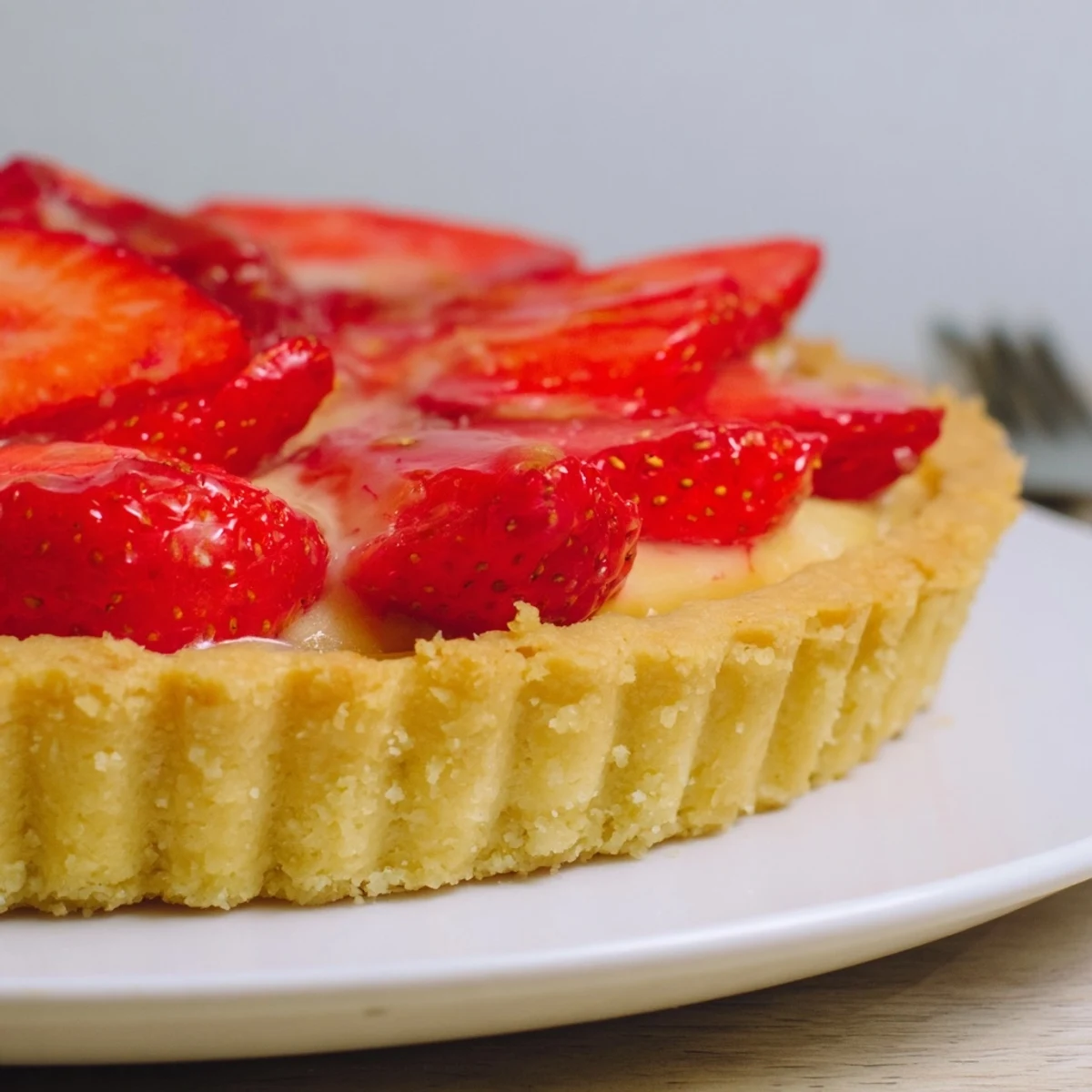
- Roll out your cooled dough and press it into a tart pan, trimming and patching as needed—perfection isn’t required. Prick the base, cover with parchment, add baking weights, and bake at 180°C for 20 minutes; then remove the weights and finish for 10 minutes until very lightly golden and dry to the touch.
- Prepare the pastry cream:
- Heat milk and vanilla until almost simmering and the aroma hits you. Whisk egg yolks with sugar and cornstarch, then pour in a bit of hot milk, return all to the pan, and stir over medium heat until it thickens.
- Finish the cream:
- Remove from heat, stir in butter, and press plastic wrap directly to the surface to cool without a skin forming.
- Prep the strawberries:
- Rinse, dry gently, and hull the strawberries—slice or leave whole as you like.
- Assemble the tart:
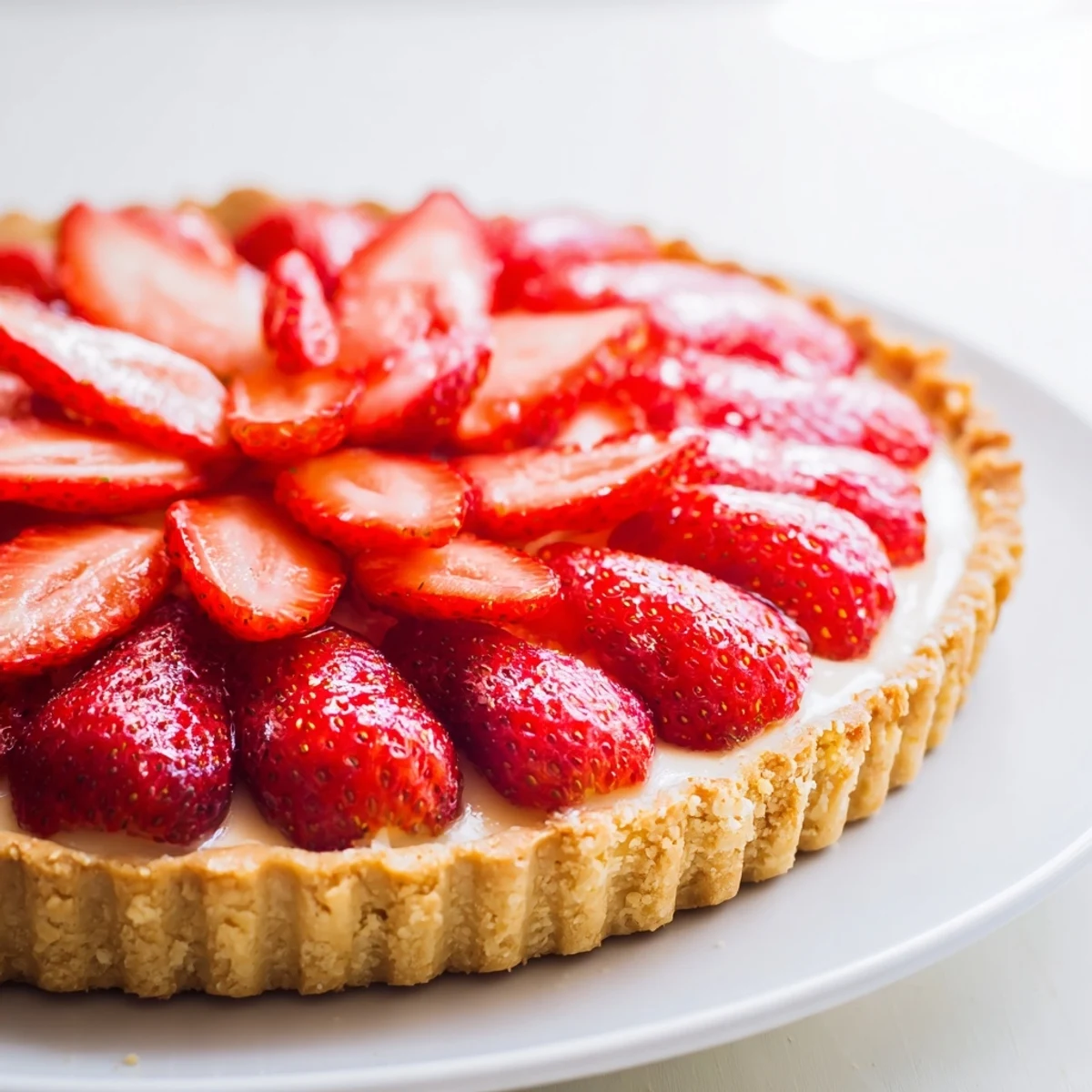
- Spoon the cooled pastry cream evenly into the crust, then arrange the strawberries in neat circles, or simply scatter for a rustic feel.
- Glaze to finish:
- Warm apricot jam with a splash of water, then brush or dab gently over the strawberries to give them that beautiful shine.
- Chill and enjoy:
- Refrigerate the tart for at least 1 hour before slicing, so everything sets and the flavors mingle.
 Save
Save The day this tarte aux fraises disappeared in minutes at a family gathering, my uncle tried justifying his third slice by saying fruit desserts aren't truly indulgent. I caught my cousin sneaking back for more custard, and that silly, shared delight in something homemade was suddenly more precious than even the taste itself.
Choosing Your Best Strawberries
After making this tart a few times, I learned local strawberries picked that morning taste sweeter and look more jewel-like than any supermarket carton. Their delicate, grassy scent and gentle firmness make each slice feel like spring on a plate. It’s worth the extra effort to seek them out—your tart will thank you.
Mastering the Pastry Cream
There’s a moment when the cream just turns from liquid to thick and glossy—don’t step away from the stove during this! Using a whisk with a comfortable grip kept me from getting tired when stirring constantly, and finishing with butter always glides the ladle clean.
Serving and Storing Tips
Letting the tart sit in the fridge an extra hour really brings the flavors together and makes slicing neater. Serve it straight from the pan for a rustic look, or transfer carefully for something a little fancier. If you have leftovers (rarely!) cover loosely to keep the pastry from going soggy.
- The glaze tastes best if applied while strawberries are chilled—not warm.
- Use a thin, sharp knife for perfectly clean slices.
- Remember to savor the first bite before passing it around—the tart goes fast.
 Save
Save May your kitchen be as bright as a bowl of strawberries any time you make this tarte. It’s one of those recipes that never fails to invite smiles back to the table.
Recipe Questions & Answers
- → Comment éviter une pâte détrempée ?
-
Cuisez la pâte à blanc avec poids pendant 20 minutes, retirez les poids et prolongez la cuisson pour bien sécher le fond. Laissez refroidir totalement avant de garnir pour éviter l'humidité.
- → Comment obtenir une crème pâtissière bien lisse ?
-
Tempérez les jaunes en ajoutant un peu de lait chaud avant de tout reverser dans la casserole, fouettez vigoureusement et passez la crème au tamis si nécessaire. Refroidissez au contact avec un film pour éviter la peau.
- → Peut-on remplacer la maïzena ?
-
Oui : la fécule de pomme de terre fonctionne de façon similaire. La farine épaissit aussi mais donnera une texture moins soyeuse ; ajustez la quantité pour éviter un épaississement trop prononcé.
- → Comment choisir et préparer les fraises ?
-
Privilégiez des fraises fermes et parfumées, équeutez et coupez selon la taille. Placez-les sur la crème bien froide pour une belle tenue et un contraste de textures.
- → Quel nappage pour un brillant durable ?
-
Chauffez doucement de la confiture d'abricot avec un peu d'eau, filtrez si besoin et badigeonnez les fruits au pinceau pour un glaçage brillant et léger.
- → Comment conserver la tarte et combien de temps ?
-
Réfrigérez la tarte couverte et consommez sous 48 heures pour préserver texture et fraîcheur. Évitez la congélation une fois garnie, la crème et les fruits perdraient leur tenue.