
 Save
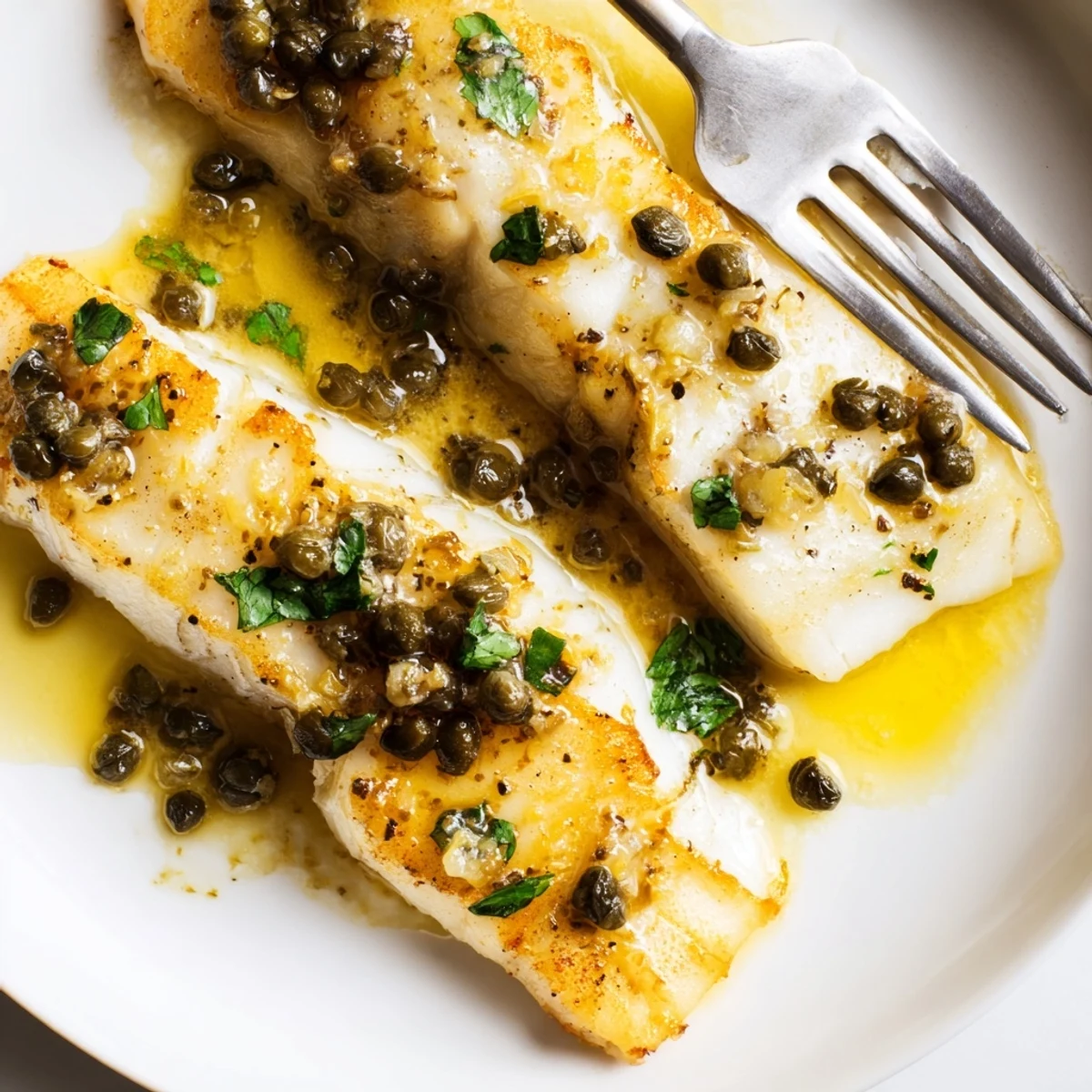
Save This dish features tender sea bass fillets pan-seared to achieve crispy skin and a juicy interior. The bright lemon caper sauce combines garlic, butter, white wine, and fresh parsley for a tangy, flavorful finish. Cooking is quick and straightforward, making it ideal for a special dinner or elegant weekday meal. Pair with sautéed greens, roasted potatoes, or steamed vegetables to complete the Mediterranean-inspired plate.
There's something about the sound of sea bass skin hitting a hot pan that signals dinner is about to get serious. Years ago, a friend cooked this for me on a random Tuesday, and I remember being struck by how something so elegant could come together in the time it took to pour a glass of wine. The crispy skin, the bright sauce—it felt like a small luxury that didn't require hours in the kitchen. Now I find myself making it whenever I want to feel like I've done something impressive without the stress.
I made this for someone I was trying to impress, and honestly, I was nervous about overcooking the fish. But the moment I flipped those fillets and saw the golden skin, I knew it was going to work. The sauce bubbled away while we talked, and by the time dinner was on the table, the nervousness had completely dissolved. There's something about cooking fish well that feels like a small victory.
Ingredients
- Sea bass fillets (150 g each, skin on, pin-boned): The skin is your secret weapon here—it crisps up to almost chip-like perfection if you treat it right, and the delicate flesh underneath stays impossibly tender.
- Kosher salt and freshly ground black pepper: Don't skip the freshly ground pepper; pre-ground loses its brightness, and brightness is what this dish is all about.
- Olive oil: Use good oil, but save the fancy stuff for drizzling—a regular extra virgin works perfectly for searing.
- Unsalted butter: This becomes the base of your sauce, so it needs to be good quality and unsalted so you control the salt level.
- Garlic, finely minced: Mince it small so it distributes evenly through the butter and doesn't overwhelm the delicate fish.
- Capers, drained: Those little briny pops are non-negotiable; they're what gives the sauce its personality and keeps it from being just another lemon butter situation.
- Dry white wine or fish stock: The wine adds complexity and acidity; if you go with stock, you lose a bit of brightness but gain depth.
- Lemon juice and zest: Fresh lemon is everything here—it cuts through the richness and makes the whole dish feel alive and bright.
- Fresh parsley, finely chopped: Add it at the very end so it stays vibrant green and doesn't turn into a tired herb dust.
Instructions
- Get your fish ready:
- Pat the fillets completely dry—this is what makes the skin crispy, not soggy. Season generously on both sides and let it sit for a minute so the seasoning sticks.
- Get the pan hot enough:
- Medium-high heat means your oil shimmers and moves when you tilt the pan. If it's not hot enough, the skin won't crisp; too hot and the flesh cooks before the skin has time to do its thing.
- Sear skin-side down without flinching:
- Place the fillets down and press gently with the spatula for the first minute, then leave them alone. You'll hear them sizzle; that's exactly what you want. After 3 to 4 minutes, the skin should release naturally and sound crispy when you move the pan.
- Flip with confidence:
- The second side doesn't need much time—just 2 to 3 minutes until the flesh turns opaque and feels barely firm to the touch. Transfer to a plate and tent loosely with foil to keep it warm while you make the sauce.
- Build the sauce in the same pan:
- Lower the heat to medium and add butter, letting it foam and smell nutty. Add the garlic and let it toast for just 30 seconds so it flavors the butter without turning bitter.
- Add capers and wine:
- Stir the capers around for a minute, then pour in the wine, scraping the bottom of the pan to release all those browned bits that taste like pure gold. Let it reduce for a couple of minutes until the raw wine smell mellows out.
- Finish with brightness:
- Stir in the lemon juice and zest, taste it, and you should immediately feel that zing. Remove from heat, add the parsley, adjust the salt and pepper, and you're done.
 Save
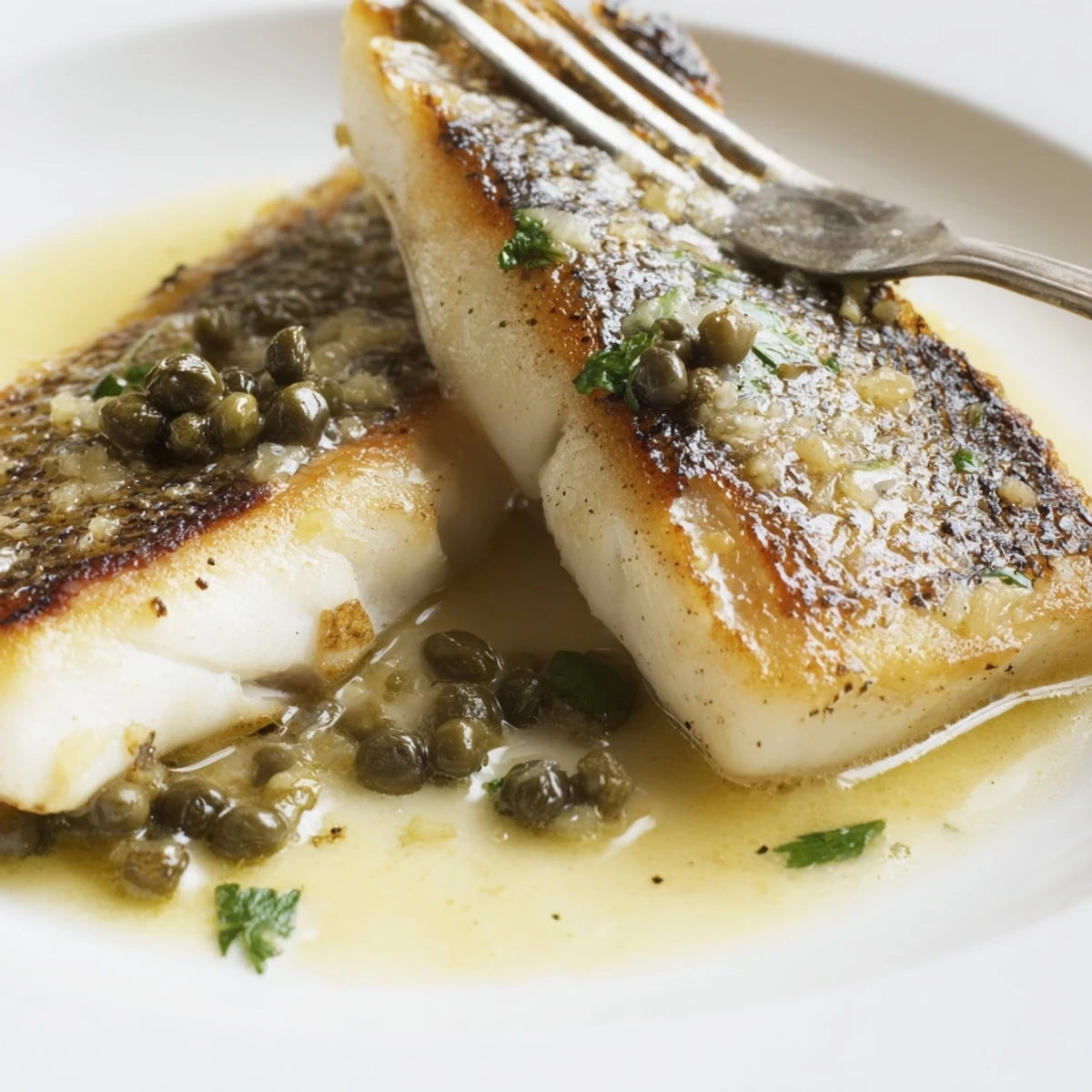
Save The best moment with this dish came when someone who claimed not to like fish asked for seconds. They were expecting something boring and instead got this perfect balance of crispy and tender with a sauce that actually made sense. That's when I realized this recipe isn't really about impressing people—it's about letting good ingredients do what they do best.
Choosing and Preparing Your Fish
Sea bass is perfect for this method because the skin is thick enough to get truly crispy without the flesh drying out underneath. But honestly, snapper or cod work beautifully too if that's what's fresh at your fishmonger. The key is making sure it's actually fresh—your nose knows the difference between fresh fish and fish that's been sitting around. Ask the person behind the counter when it came in, and don't be shy about looking at the eyes (they should be clear and bright) and smelling it (it should smell like the ocean, not fishy). If the fillets have pin bones, run your fingers along the flesh to find them and pull them out with tweezers or a small needle-nose plier; it takes two minutes and completely changes the eating experience.
Why This Sauce Works
Lemon caper sauce is one of those beautiful combinations that somehow makes the fish taste more like itself instead of covering it up. The capers add a briny, caper-y depth, the wine brings acidity and body, and the lemon zest at the end gives you this little burst of brightness that wakes up your whole mouth. It's simple enough to come together in the same pan while the fish rests, but it tastes like you actually planned something. The butter melts into it all and creates this silky, glossy finish that looks almost restaurant-level when you spoon it over the fish.
Sides and Serving
This fish doesn't need much accompaniment, but it loves having something green and something starchy on the plate. Sautéed spinach wilts in garlic and goes underneath the fish like a little nest, or roasted asparagus with salt and olive oil is perfect for soaking up any sauce that drips onto the plate. Roasted potatoes on the side are comforting without being heavy, and if you want to get fancy, some crusty bread to wipe the plate clean is never a bad idea.
- Steamed asparagus or snap peas bring a fresh crunch that complements the richness of the sauce without fighting for attention.
- A simple arugula salad with lemon vinaigrette on the side keeps things light and adds a peppery note that plays well with the capers.
- Warm crusty bread is almost mandatory—the sauce is too good not to wipe from the plate, and good bread makes that socially acceptable.
 Save
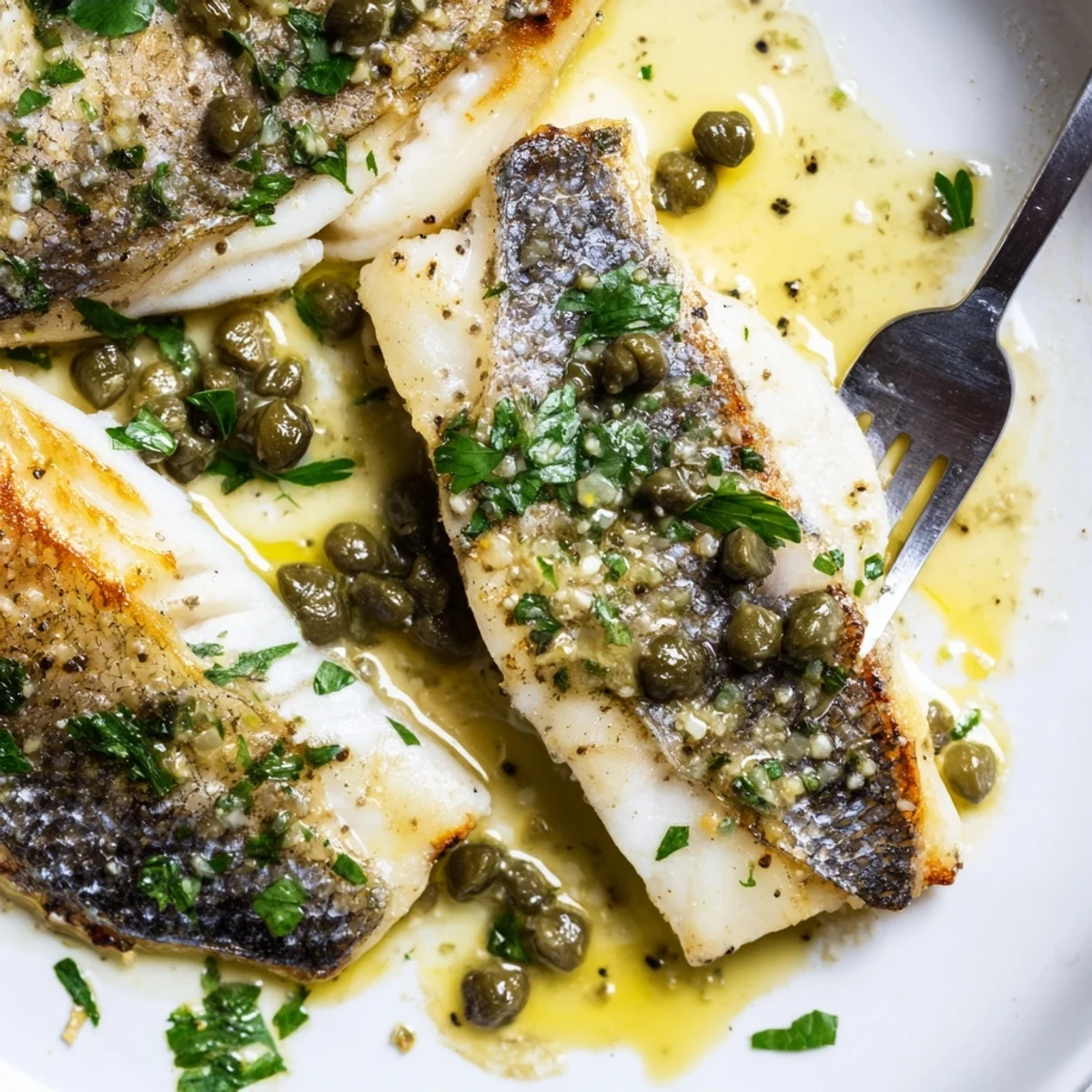
Save This is the kind of dish that makes you feel like you can actually cook, even if you've never done it before. Get good fish, don't overthink it, and trust that simplicity done well is always the answer.
Recipe Questions & Answers
- → How do I get the sea bass skin crispy?
-
Pat the fillets dry and cook skin-side down over medium-high heat without moving for 3-4 minutes until golden and crisp.
- → Can I substitute the white wine in the sauce?
-
Yes, fish stock or vegetable broth work well as a substitute, maintaining the sauce’s depth of flavor.
- → What sides pair well with this dish?
-
Sautéed spinach, roasted potatoes, or steamed asparagus complement the flavors beautifully.
- → How can I add spice to the lemon caper sauce?
-
A pinch of chili flakes added to the sauce brings a subtle heat without overpowering the dish.
- → Is the butter necessary in the sauce?
-
Butter adds richness and balances acidity, but a dairy-free alternative can be used if needed.