
 Save
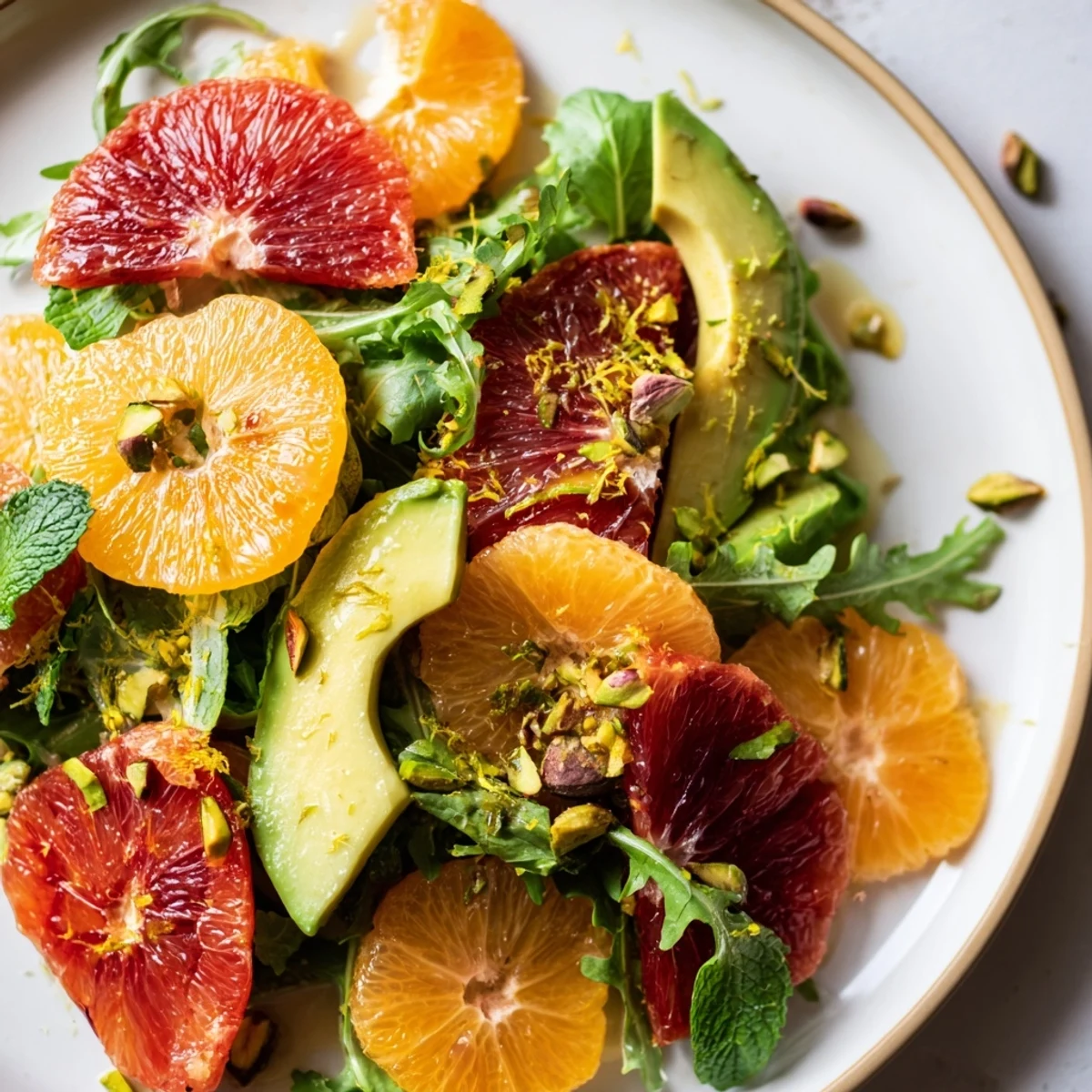
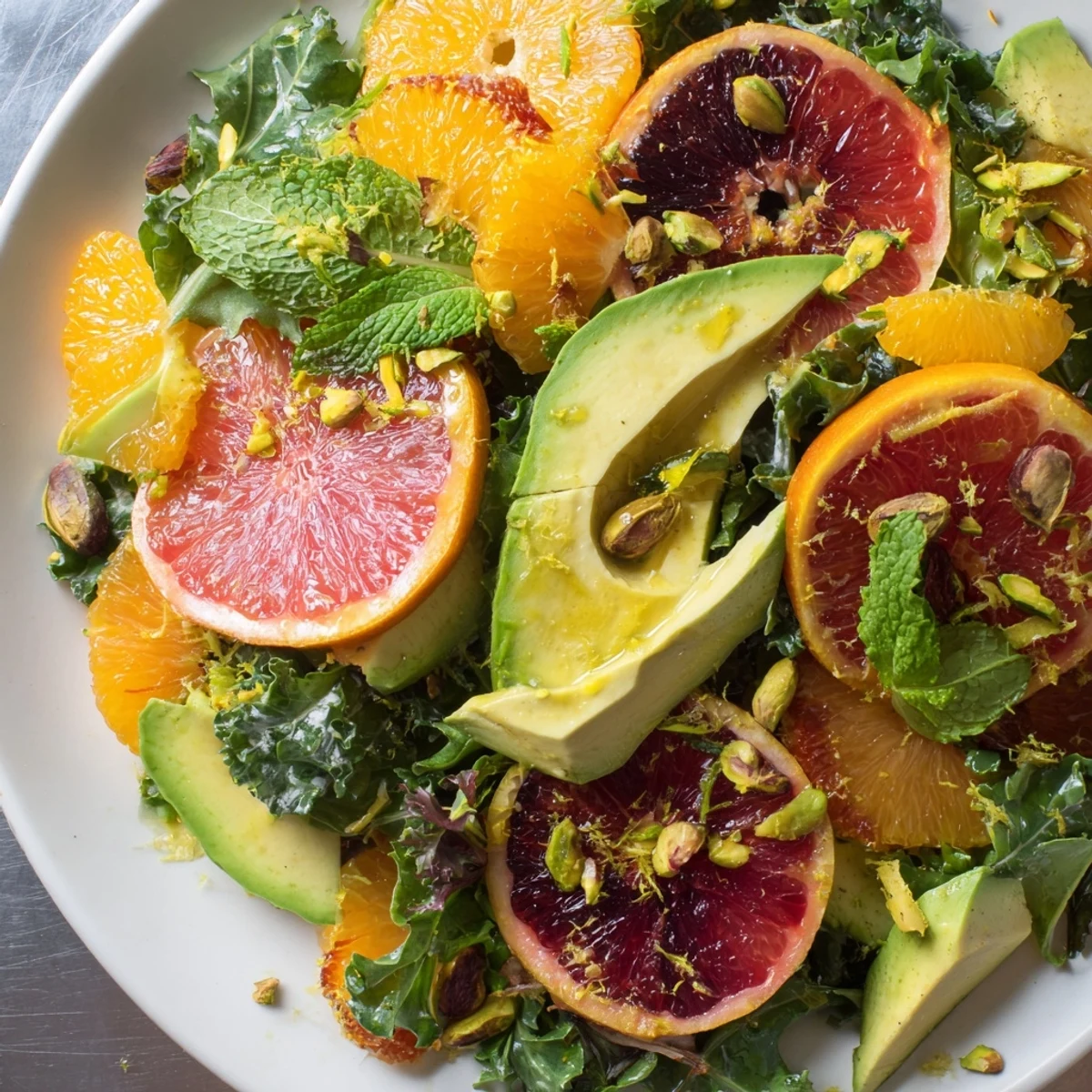
Save This winter salad blends juicy citrus segments, creamy avocado, and fresh mint atop mixed greens. The dressing of olive oil, lemon juice, honey, salt, and pepper adds a delicate balance, while toasted nuts and zest offer texture and aroma. Perfect for a light, refreshing dish with vibrant flavors and easy preparation.
There's something almost defiant about making a bright, refreshing salad in the middle of winter. I was standing in the farmers market on a gray January afternoon, surrounded by all these jewel-toned citrus fruits—blood oranges practically glowing under the fluorescent lights—and I realized I was tired of heavy winter food. So I grabbed a handful of oranges, some perfect avocados, and fresh mint that still smelled like spring, and built this salad right there in my head.
The first time I made this for people was for my mom's birthday dinner, and I watched her close her eyes after the first bite like she'd just tasted something she didn't know she needed. She asked for the recipe immediately, which is how I knew I'd made something worth repeating.
Ingredients
- Oranges and blood oranges: The regular oranges give you reliable sweetness, but the blood oranges are the show-offs—use them because their deep color and slightly tart edge make the whole salad feel intentional.
- Grapefruit: Pick one that feels heavy for its size; that means it's juice-filled and worth the effort to segment properly.
- Avocados: Ripe enough to slice cleanly but not so soft they fall apart—if you're not sure, buy them a day early and let them sit on the counter.
- Fresh mint: Tear it by hand rather than chopping it; the bruised leaves release more fragrance and it just tastes better that way.
- Mixed greens: Choose something with personality—arugula adds a peppery bite that plays beautifully against the citrus sweetness.
- Extra-virgin olive oil: This is where you don't compromise; use something you'd actually taste on its own.
- Lemon juice: Always freshly squeezed, never the bottled kind—you'll taste the difference in every bite.
- Honey or maple syrup: Either works, but maple adds an earthiness that honey doesn't quite offer.
- Toasted pistachios or almonds: Toast them yourself if you can; the moment they hit the hot pan and fill your kitchen with that nutty smell is worth it.
Instructions
- Free the citrus from its skin:
- Use a sharp knife to cut away the peel and white pith in sections, following the curve of the fruit. Slice the oranges and blood oranges into thin rounds; for the grapefruit, work over a bowl to catch the juice and carefully segment it between the membranes.
- Build your dressing:
- Whisk together the olive oil, lemon juice, honey, salt, and pepper in a small bowl. Taste it—it should make your mouth water a little, because this is your salad's personality in liquid form.
- Create your base:
- Arrange the mixed greens generously on a platter or individual plates, giving them room to breathe.
- Layer with intention:
- Arrange the avocado slices, citrus rounds, and grapefruit segments over the greens in a way that feels casual but looks intentional. There's no wrong way to do this, but overlapping things slightly makes it look less like you're following instructions and more like you're being creative.
- Dress and finish:
- Drizzle the dressing evenly across everything, scatter the mint leaves on top, and finish with toasted nuts and orange zest if you're using them. Serve right away before anything gets soggy.
 Save
Save I've learned that this salad works best when everyone at the table gets to taste the individual flavors before they all mingle together. That first bite should be a little moment of pause, where you notice the sweetness of the orange, the richness of the avocado, the bitter-bright snap of the arugula, all as separate things.
Why Winter Citrus Is Worth Celebrating
Winter is when citrus actually gets interesting—the cold nights intensify the sugars, which is why January oranges taste better than their summer cousins. There's a reason citrus festivals happen in February and March in California; this is when the fruit is at its peak. I used to think citrus was just an incidental winter ingredient, something to buy because it was there. Now I actively plan meals around whatever looks best at the market, and I've never regretted it.
The Avocado Question
Avocados in salads used to feel like something you added for creaminess and nutrition, like a healthy obligation. But in this salad, the avocado is a textural anchor—it stops the citrus from being too bright, too acidic, too much all at once. The richness of the avocado against the sharp lemon dressing is one of those perfect contrasts that makes you realize why these ingredients end up together so often. I learned this the hard way by leaving the avocado out once, thinking I'd keep it simple, and everyone asked where the avocado was.
Making It Your Own
The beauty of this salad is that it's honestly a template more than a rigid recipe. Some days I add thinly sliced fennel for crunch and an unexpected anise note; other times I scatter pomegranate seeds across the top because I want more tartness and texture. Once I added some crispy chickpeas because I had them leftover, and it became my new favorite version. The point is to start with the citrus, avocado, and mint as your foundation, then build from there based on what sounds good to you and what you have on hand.
- Try adding thinly sliced fennel if you want a subtle licorice note and extra crunch.
- Pomegranate seeds add brightness and a little burst of tartness if you want to lean into the acidic side.
- A handful of crispy chickpeas or toasted seeds can turn this into something more substantial if you're making it a main course.
 Save
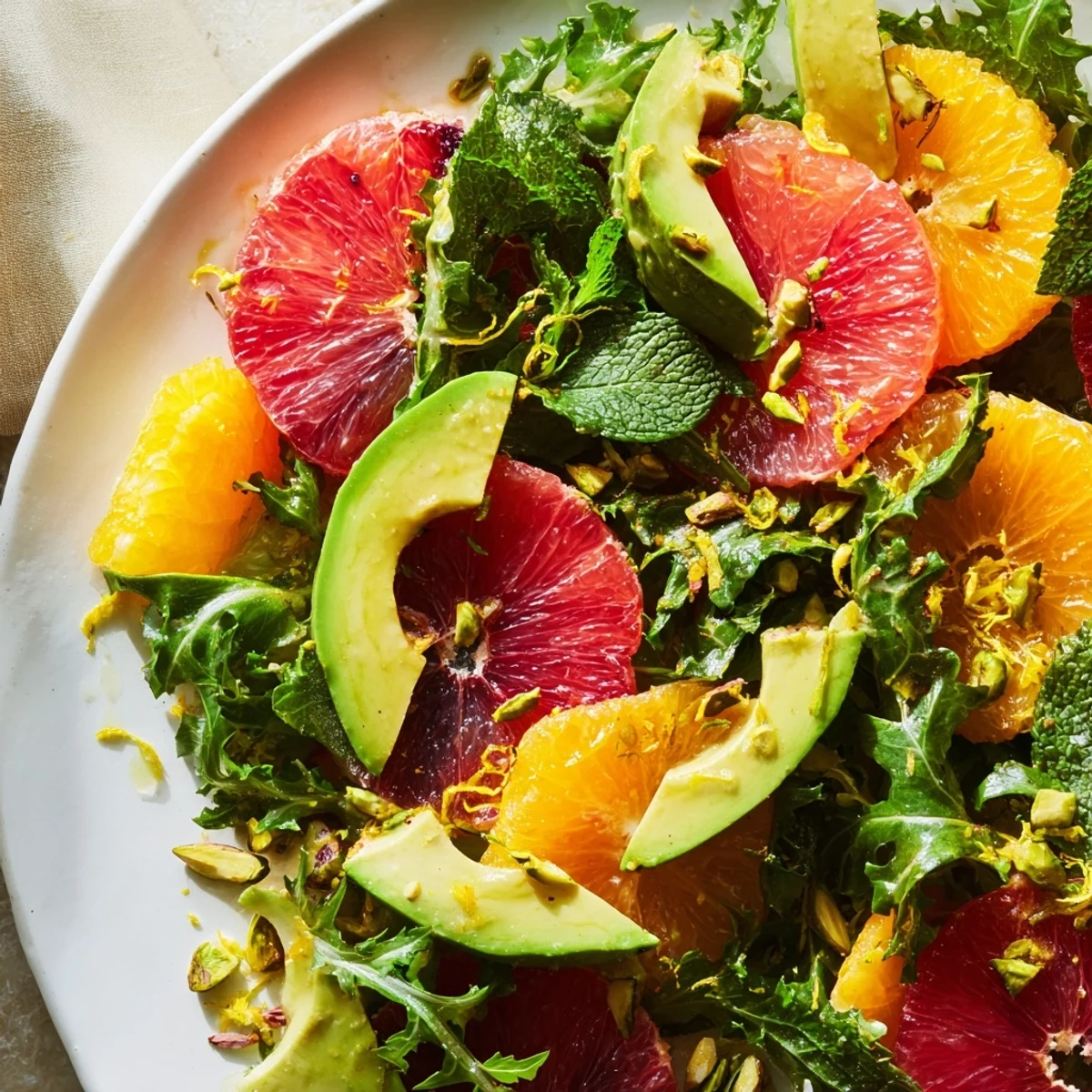
Save This salad has become my go-to when I need to remember that winter doesn't have to feel heavy and gray. It sits on the table looking like a stained-glass window, and somehow that's enough to change the mood of the whole meal.
Recipe Questions & Answers
- → How do I prepare the citrus for this salad?
-
Carefully peel the citrus fruits to remove the white pith, then slice oranges and blood oranges into rounds and segment the grapefruit for clean presentation.
- → Can I substitute different nuts for garnish?
-
Yes, toasted pistachios or sliced almonds complement the salad well; omit or substitute for nut-free options if needed.
- → What greens work best as a base?
-
Mixed greens such as arugula, spinach, or baby kale provide a fresh, peppery, and mild foundation ideal for this salad.
- → Is there a recommended dressing for the salad?
-
A simple dressing made from extra-virgin olive oil, lemon juice, honey or maple syrup, sea salt, and freshly ground black pepper enhances the flavors.
- → How can I add extra texture or flavor?
-
Adding thinly sliced fennel or substituting pomegranate seeds can provide added crunch and bursts of color for variety.