
 Save
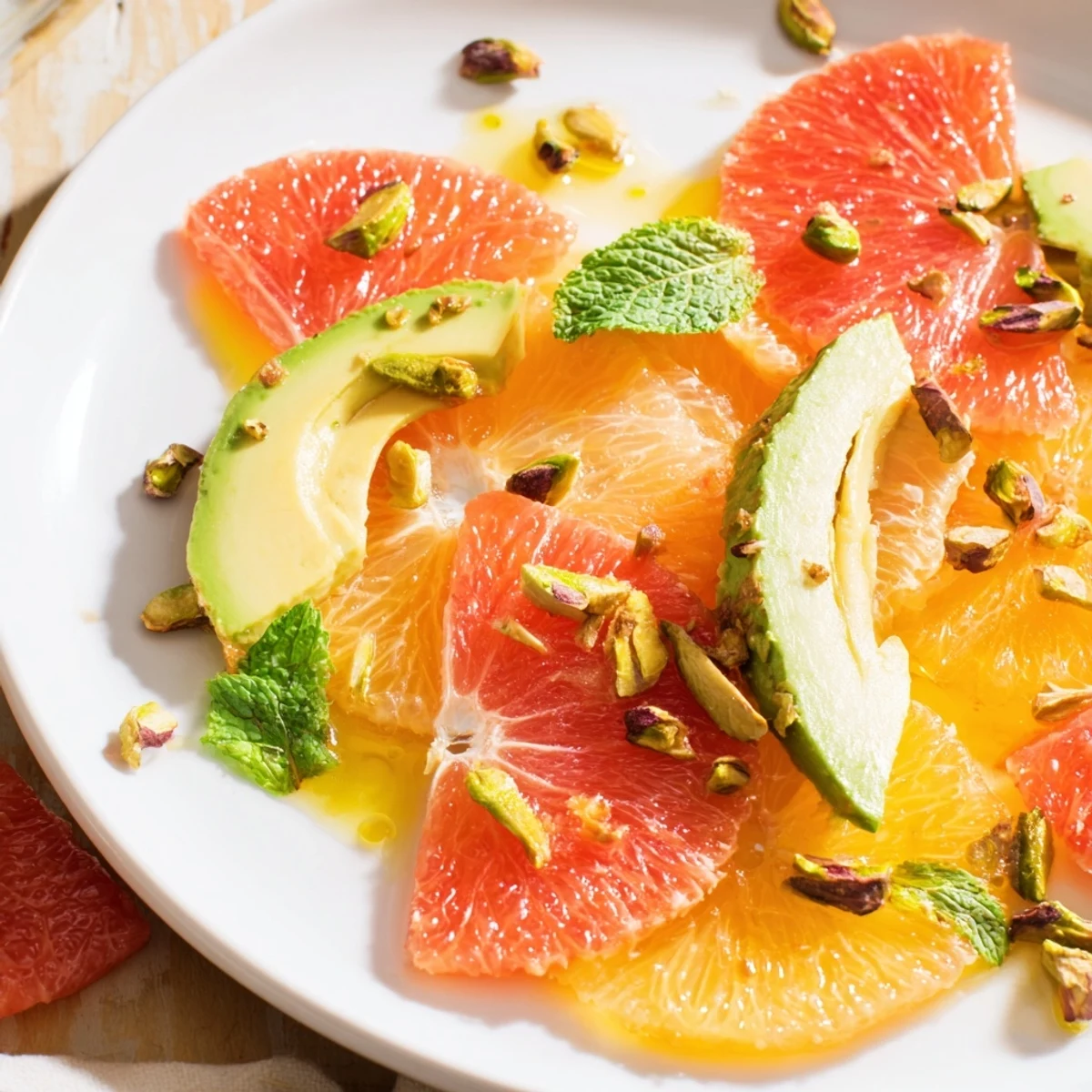
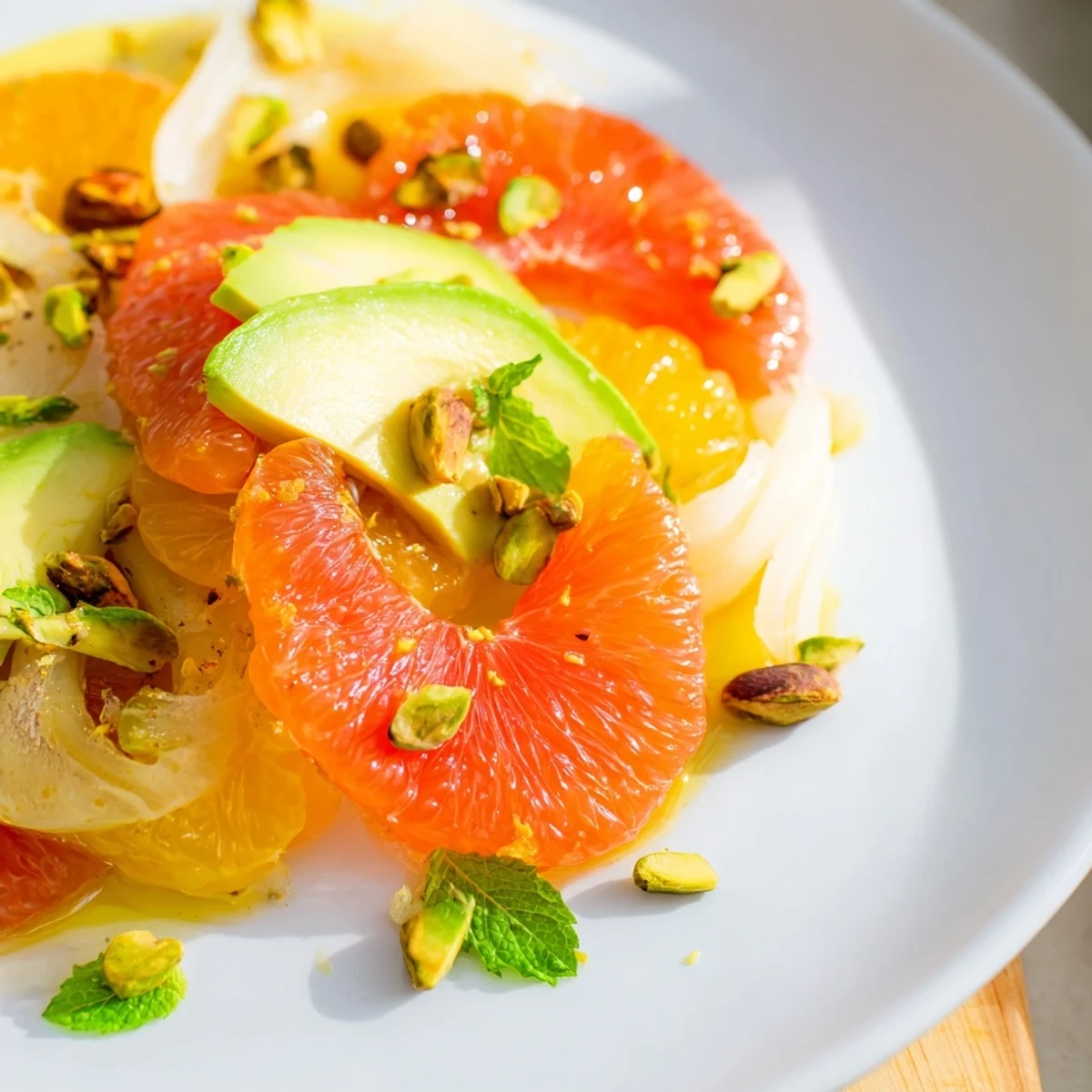
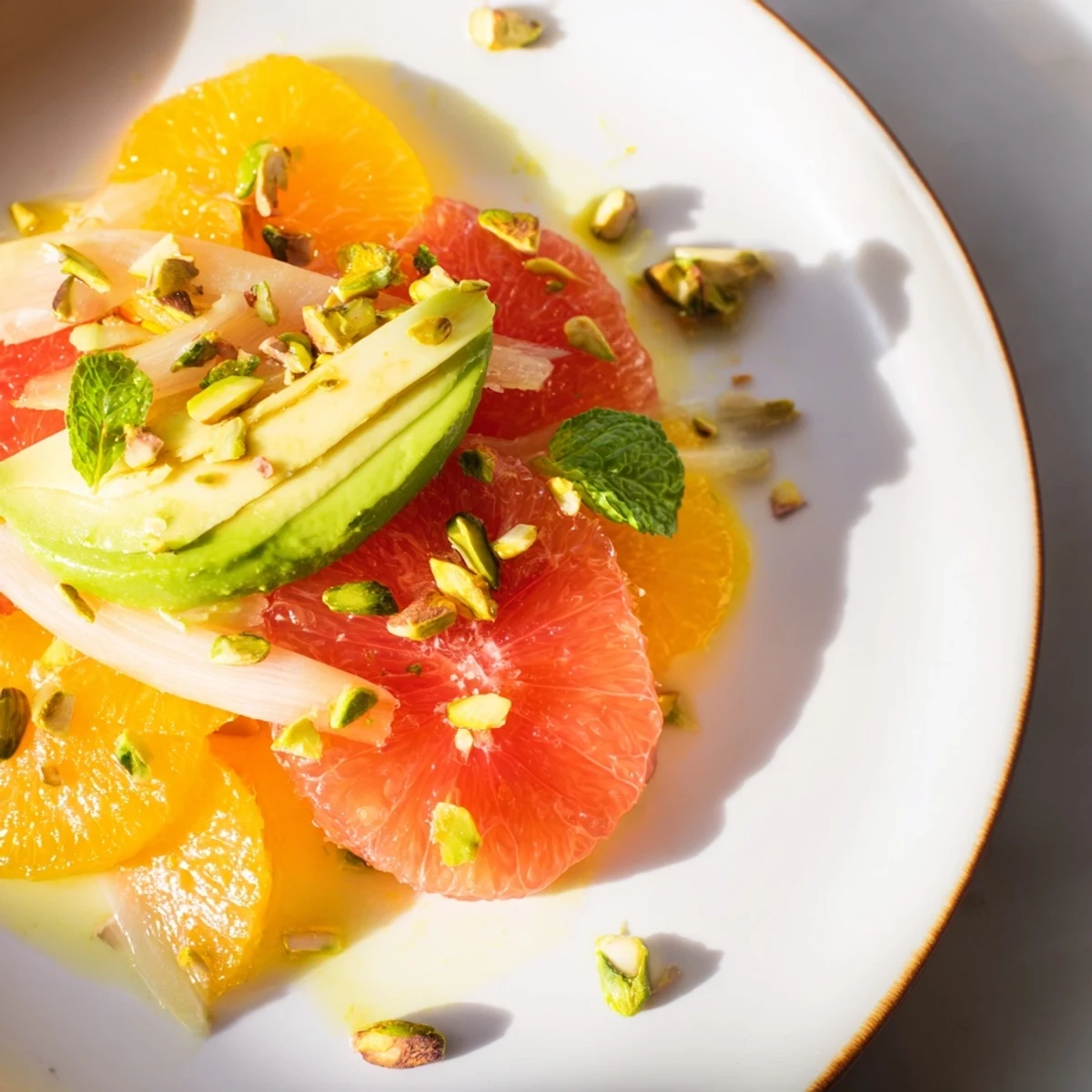
Save This winter salad combines juicy oranges and grapefruit with thinly sliced fennel and ripe avocado for a refreshing bite. Tossed with peppered olive oil and lemon dressing, it’s topped with fresh mint and toasted nuts to add texture and aroma. Perfect for a light, vibrant meal that captures the essence of seasonal produce with Mediterranean flair.
There's something about January that makes me crave brightness, and this salad appeared on my table almost by accident one grey afternoon when I had blood oranges sitting on the counter and a fennel bulb that needed using up. The crisp, cold crunch paired with the warm sweetness of the citrus felt like a small rebellion against the season, and somehow it became the thing I made whenever I needed to remember that winter doesn't have to taste heavy.
I made this for a friend who'd been under the weather, and watching her face brighten when she tasted it was worth more than any complicated recipe could offer. She asked for it again the next week, and that's when I knew it wasn't just about the food—it was about the small act of putting something alive and colorful in front of someone and saying, without words, that things get better.
Ingredients
- Blood or Cara Cara oranges (2 large): These varieties have a deeper sweetness and almost floral notes that regular oranges can't quite match; if you can't find them, any sweet orange works, though the flavor will be a touch more straightforward.
- Grapefruit (1 large): Choose one that feels heavy for its size, which means it's packed with juice and less likely to be bitter or dry.
- Fennel bulb (1 small): Slice it paper-thin with a sharp knife or mandoline; the thinner it is, the less aggressive it tastes and the better it plays with everything else.
- Avocado (1 ripe): Cut it open just before assembly or toss the slices in a bit of lemon juice to keep them from browning too quickly.
- Arugula or mixed baby greens (2 cups): The peppery bite of arugula is ideal here, but use whatever greens you have if you're making this on a whim.
- Fresh mint leaves (2 tablespoons): Tear them by hand rather than chopping; it releases the oils more gently and the salad tastes brighter for it.
- Extra-virgin olive oil (2 tablespoons): Don't skip the good stuff here—it's one of only a handful of ingredients, so let it shine.
- Fresh lemon juice (1 tablespoon): Use a fresh lemon, squeezed by hand, not the bottled kind; the difference is real.
- Honey or maple syrup (1 teaspoon, optional): A tiny pinch of sweetness balances the acidity and makes the whole thing feel rounder.
- Sea salt (1/4 teaspoon) and black pepper (1/8 teaspoon): Taste as you go; you might need more or less depending on your ingredients and preferences.
- Toasted pistachios or almonds (2 tablespoons): Toast them yourself if you can, even just in a dry pan for a few minutes; the difference between toasted and raw is the difference between a garnish and an actual component.
- Orange zest (optional): A microplane is the tool for this job; it makes the zest fluffy and bright rather than harsh.
Instructions
- Make the dressing first:
- Whisk the olive oil, lemon juice, honey, salt, and pepper together in a small bowl until they've come together and taste balanced on your tongue. Let it sit while you prep everything else so the flavors can start to know each other.
- Build your base:
- Spread the arugula or greens across a large platter in a loose, casual way, not packed tight or fussy. This is where everything else will live, so make sure it's arranged in a way that feels inviting to you.
- Layer the citrus:
- Arrange the orange and grapefruit slices over the greens so they overlap slightly, like roof shingles; this makes the salad look intentional and beautiful, not random.
- Add fennel and avocado:
- Scatter the fennel slices and avocado over the top with a loose hand, letting them nestle into the spaces between the citrus rather than arranging them in a grid. This is the moment where the salad starts to feel like something real.
- Dress it lightly:
- Drizzle the dressing over everything in a thin, even stream, but don't use every drop—a salad is better slightly underdressed than sitting in a puddle. Toss gently if you'd like, or leave it be for people to mix as they eat.
- Finish with the good things:
- Top with the torn mint, toasted nuts, and orange zest if you're using it, and serve right away while everything is still cold and crisp and exactly as you intended it to be.
 Save
Save A moment I keep returning to: my mother tasted this salad and said it was the kind of thing she wished she'd discovered years ago, something that proved salads didn't have to be an obligation or a diet sentence but could actually be a joy. That shift in how she thought about salads happened in one bite, and it made me realize how much power there is in choosing the right ingredients and letting them speak for themselves.
Why This Salad Feels Special
There's a quiet sophistication in this salad that has nothing to do with effort or expense and everything to do with paying attention. The citrus brings juice and brightness, the fennel brings structure and a whisper of licorice, the avocado brings creaminess and richness, and the greens and mint bring life. Together, they're greater than any of them alone, which is the whole promise of cooking well.
Variations and Additions
The beauty of this salad is that it bends easily to what you have and what you're craving. If you want protein, crumbled feta or goat cheese is beautiful, or a handful of toasted seeds if you're keeping it vegan. Pomegranate seeds add jewel-like pops of tartness, thinly sliced red onion adds a mild bite, and candied nuts take it toward something richer and more indulgent.
Serving and Pairing
This salad is at its best when served cold and immediately after assembly, so everything stays crisp and the flavors haven't had time to blur together. It pairs beautifully with a crisp Sauvignon Blanc or a light sparkling wine that won't fight with the citrus, and it's perfect as a starter for something hearty or as a complete meal on a day when you need something that feels nourishing without being heavy.
- Serve on a large platter so people can see and appreciate all the elements before they eat.
- Make the dressing in advance if you'd like, but slice everything else just before serving to preserve texture and color.
- You can double the recipe easily if you're feeding more people, though honestly a single batch never seems to go very far.
 Save
Save This salad taught me that sometimes the simplest things, the ones that require the least fussing, are the ones that matter most. Make it when you need brightness, when you want to feed someone with care, or when you just need to remember that winter is temporary and good food is always a reason to celebrate.
Recipe Questions & Answers
- → What citrus fruits work best in this salad?
-
Blood oranges, Cara Cara oranges, and grapefruit deliver the best balance of sweetness and tang.
- → Can I substitute fennel with another vegetable?
-
Thinly sliced celery or cucumber offer mild crunch but fennel’s anise flavor complements the citrus uniquely.
- → How should the dressing be prepared?
-
Whisk extra-virgin olive oil with fresh lemon juice, honey or maple syrup, salt, and ground pepper until emulsified.
- → Are toasted nuts necessary for topping?
-
Toasted pistachios or almonds add a delightful crunch and nutty richness, enhancing the overall texture.
- → What greens pair well in this salad?
-
Arugula or mixed baby greens provide a peppery and fresh base that complements the citruses and avocado.