
 Save
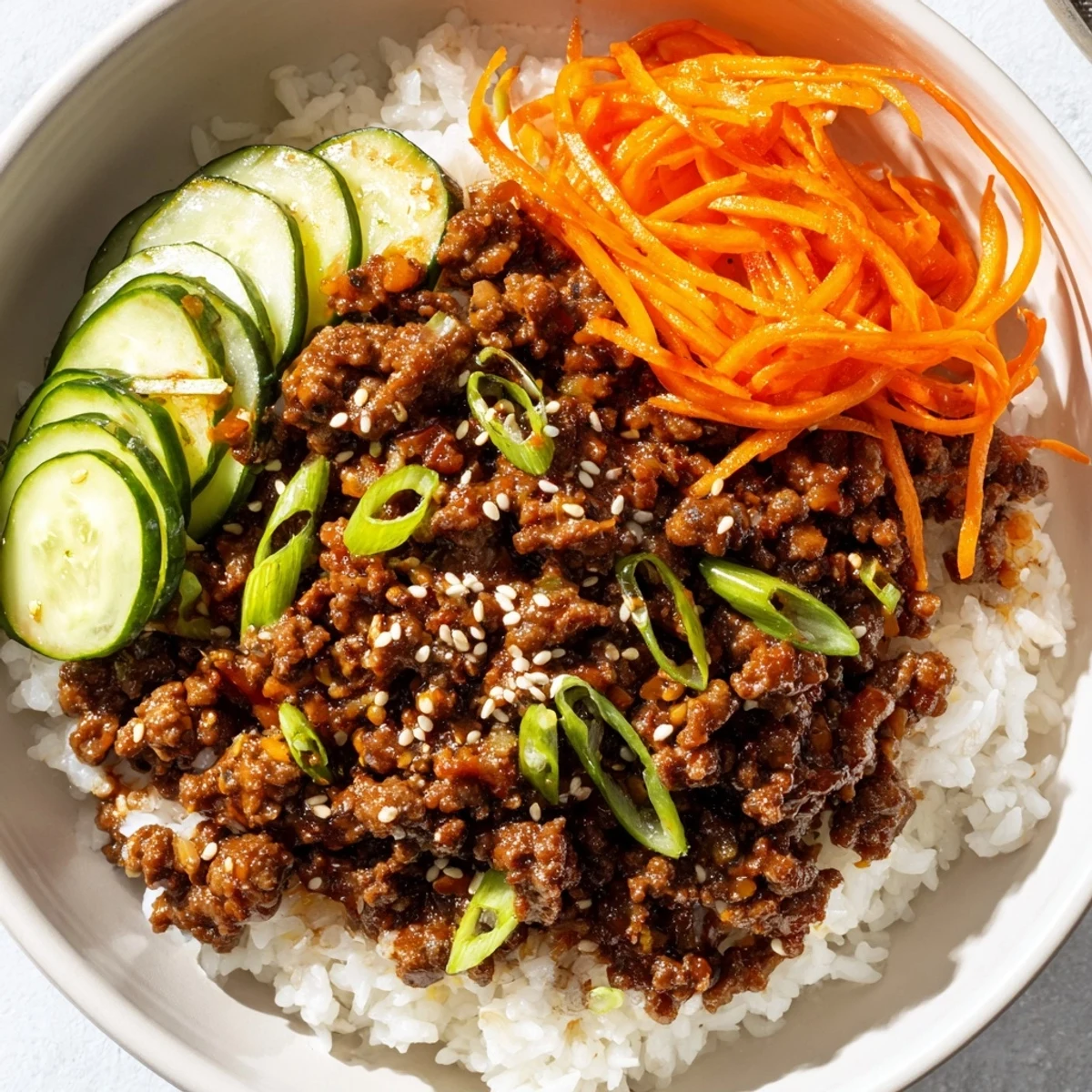
Save These satisfying Korean-inspired bowls feature seasoned ground beef cooked with soy sauce, sesame oil, garlic, and gochujang. The beef gets a quick cook in a hot skillet until browned and coated in the thickened glaze. Serve over fluffy jasmine rice alongside julienned carrots, crisp cucumber slices, and scallions. Top with toasted sesame seeds for nuttiness and kimchi for extra tang.
The first time I made Korean beef bowls, I was rushing to get dinner on the table before a friend came over. The smell of garlic and ginger hitting the hot pan made me pause, and I realized this would become a regular weeknight rotation. There's something deeply satisfying about how quickly everything comes together while still feeling special enough for company.
Last Tuesday, my youngest asked if we could have 'that brown rice bowl thing' again. I'd made it the week before when I was too tired to cook anything elaborate, and somehow it had made more of an impression than the elaborate Sunday dinner I spent hours on. Sometimes the simplest meals are the ones that stick.
Ingredients
- 500 g (1 lb) lean ground beef: Ground beef absorbs the bold sauce flavors beautifully and cooks up quickly. I've found that 85/15 lean ratio gives the best balance of flavor without too much excess fat to drain.
- 60 ml (1/4 cup) low-sodium soy sauce: Starting with low-sodium soy sauce lets you control the salt level since the sauce reduces as it cooks. Regular soy sauce can make the final dish overwhelmingly salty.
- 2 tbsp light brown sugar: The molasses in brown sugar adds depth that white sugar can't match. It helps create that gorgeous caramelized glaze on the beef as it finishes cooking.
- 1 tbsp sesame oil: Toasted sesame oil is the secret ingredient that makes everything taste restaurant-quality. A little goes a long way, so don't be tempted to add more.
- 4 garlic cloves, minced: Fresh garlic is non-negotiable here. The intense aroma when it hits the pan is half the reason this dish smells so incredible while cooking.
- 1 tbsp freshly grated ginger: I've tried using pre-minced ginger in a pinch, but freshly grated has a bright, spicy kick that wakes up the whole dish. Peel it with a spoon to avoid wasting any.
- 1 tbsp gochujang: This Korean chili paste adds subtle heat and a slight fermentation depth that's hard to replicate. If you can't find it, red pepper flakes work but you'll miss that complexity.
- 2 tsp rice vinegar: A splash of acidity cuts through the rich beef and sweet sauce, brightening every bite. Apple cider vinegar makes an acceptable substitute in a pinch.
- 300 g (1 1/2 cups) jasmine rice: Jasmine rice has a natural floral aroma that complements the Asian flavors beautifully. Short-grain rice works too if you prefer something stickier.
- 2 medium carrots, julienned: The carrots add essential crunch and sweetness that balances the savory beef. Use a julienne peeler if you have one, or just cut thin matchsticks by hand.
- 1 small cucumber, thinly sliced: Cucumber's cool, crisp texture provides relief from the spiced beef. English cucumbers work well since they have fewer seeds and thinner skin.
- 4 scallions, thinly sliced: I use both the white and green parts for different flavors and colors. The whites add mild onion bite while the greens bring fresh brightness.
- 2 tbsp toasted sesame seeds: Toasting the sesame seeds in a dry pan for 2 minutes before serving brings out their nutty flavor. It's a small step that makes a big difference.
Instructions
- Start the rice first:
- Rinse the jasmine rice under cold water until it runs clear, then add it with 480 ml water to a saucepan. Bring to a boil, reduce to a gentle simmer, cover tightly, and cook for 12 to 15 minutes until all the water is absorbed. Remove from heat and let it steam undisturbed for 5 minutes before fluffing with a fork.
- Mix the sauce:
- Whisk together the soy sauce, brown sugar, sesame oil, minced garlic, grated ginger, gochujang, and rice vinegar in a small bowl until the sugar completely dissolves. The mixture should be smooth and glossy.
- Brown the beef:
- Heat a large skillet over medium-high heat and add the ground beef. Use a spatula to break it into small crumbles as it cooks, letting it develop a nice brown color all over, about 5 minutes. Pour off any excess fat if there's more than a tablespoon in the pan.
- Add the sauce:
- Pour the sauce mixture over the browned beef and stir to coat everything evenly. Let it bubble gently for 2 to 3 minutes until the sauce thickens slightly and clings to the meat. The beef should look glossy and fragrant.
- Assemble the bowls:
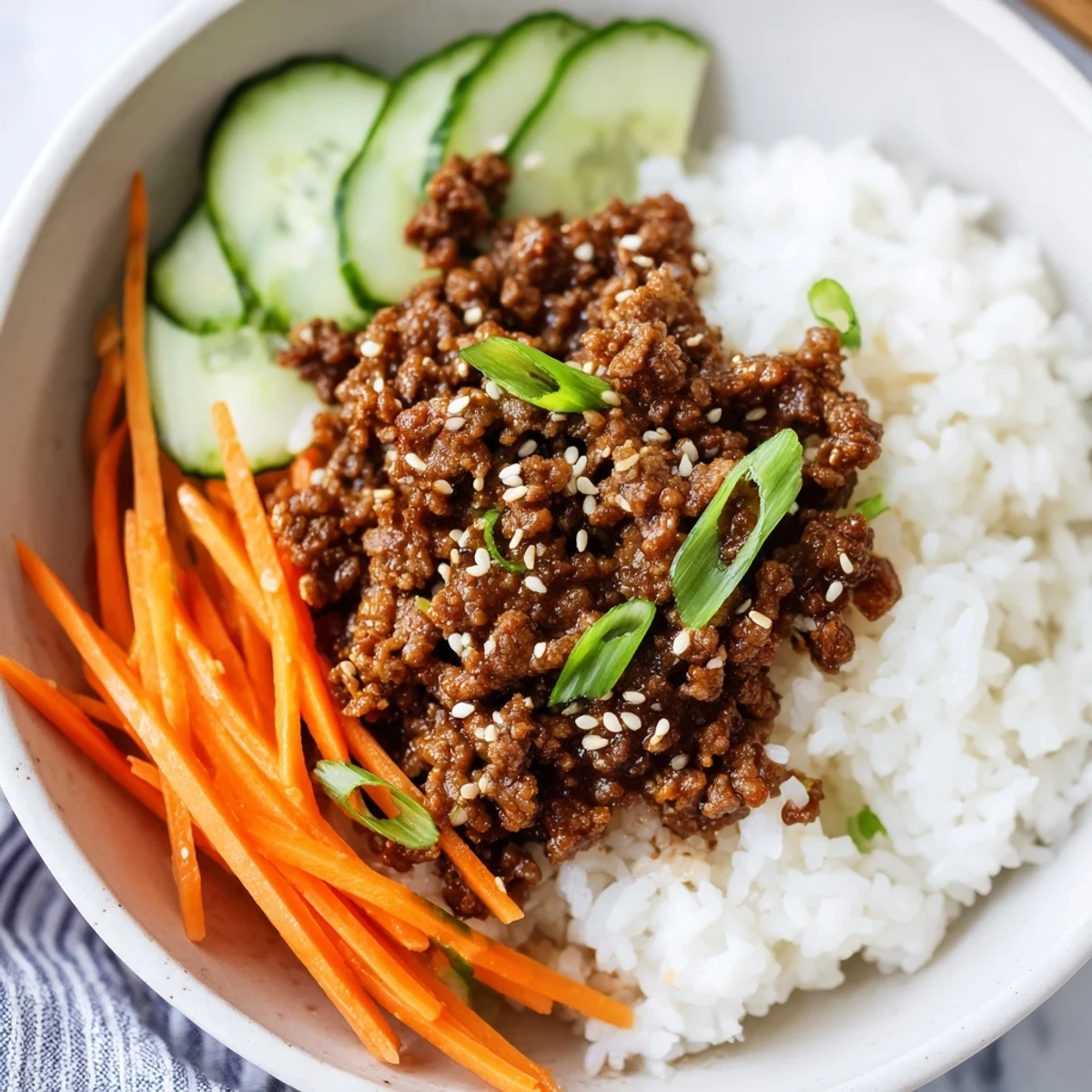
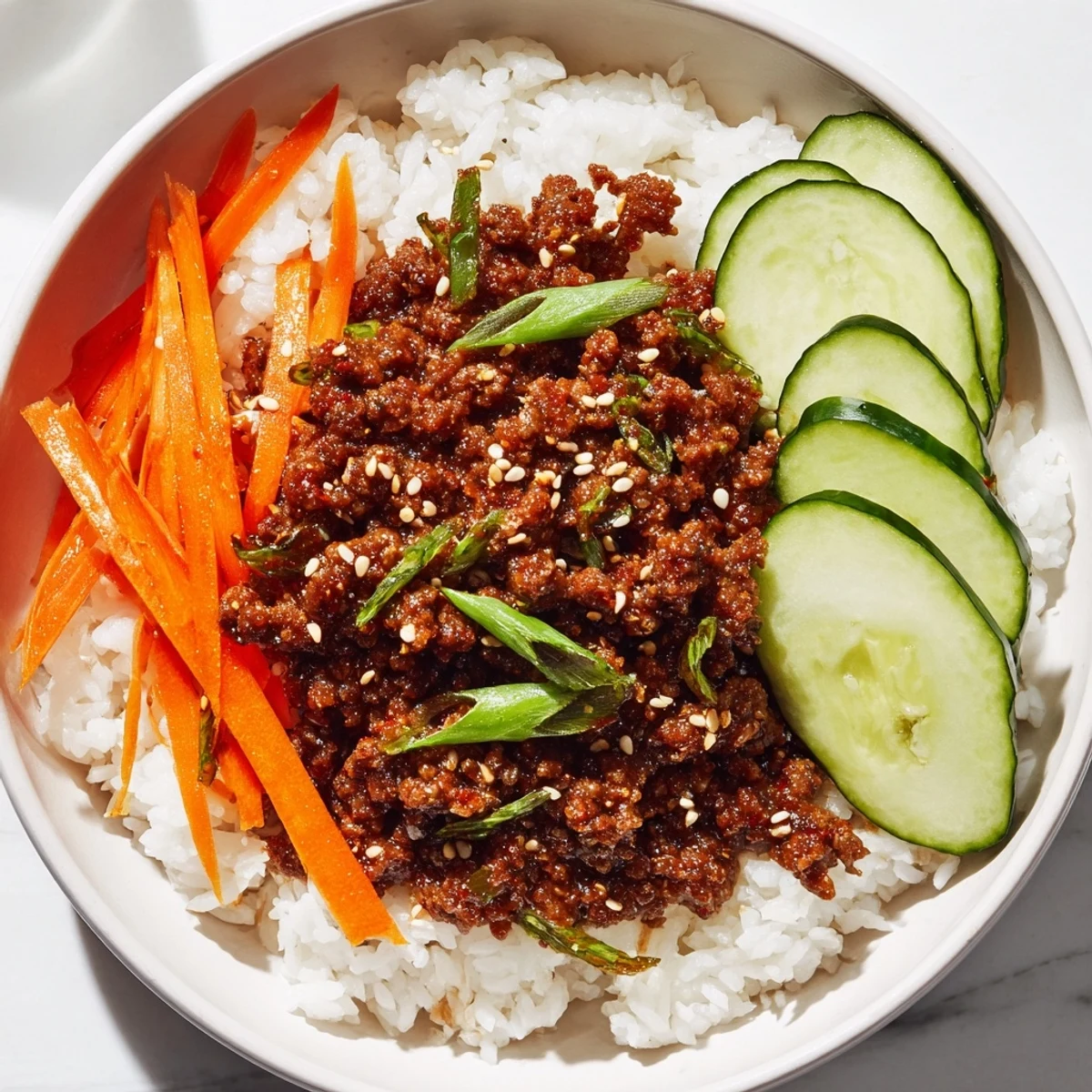
- Divide the steamed rice among four bowls. Spoon the saucy beef over the rice, then arrange the carrots, cucumber, scallions, and sesame seeds on top. Add kimchi or cilantro if you're using them, and serve while everything is still warm.
 Save
Save My husband took one bite and announced this was better than the Korean place downtown. We've been making it weekly ever since, and the best part is how easily it scales for leftovers the next day. The flavors actually meld together even more overnight.
Making It Your Own
I've started playing with different proteins based on what's on sale at the grocery store. Ground turkey works surprisingly well, and I once used crumbled tofu when we had a vegetarian friend over for dinner. The sauce is versatile enough that it transforms whatever protein you choose into something crave-worthy.
Perfect Rice Every Time
The key to restaurant-quality rice at home is not lifting the lid while it simmers. Every time steam escapes, the cooking becomes uneven. I set a timer and walk away, and the rice comes out perfectly fluffy every single time. It's become my go-to method for all rice dishes now.
Serving Suggestions
Sometimes I'll quick-pickle the carrots and cucumber in rice vinegar for 10 minutes while the beef cooks. The tangy crunch takes these bowls to another level. I also like to serve extra gochujang on the table so everyone can adjust their own heat level.
- Fry an egg to place on top for extra protein and richness
- Add sautéed spinach or bok choy for more vegetables
- Keep extra lime wedges on hand for squeezing over the finished bowl
 Save
Save I hope these bowls become a weeknight staple in your kitchen like they have in mine. There's something deeply comforting about a meal that comes together so easily yet tastes so special.
Recipe Questions & Answers
- → Can I make this bowl gluten-free?
-
Yes, simply replace the soy sauce with tamari and verify your gochujang is gluten-free. The rest of the ingredients are naturally gluten-free.
- → What protein alternatives work well?
-
Ground turkey, chicken, or crumbled tofu all work beautifully. Adjust cooking time slightly—turkey and chicken may need an extra minute or two to brown thoroughly.
- → How spicy is the gochujang sauce?
-
Gochujang adds mild to medium heat depending on the brand. Start with 1 tablespoon and add more gradually. Red pepper flakes offer a sharper heat if you prefer.
- → Can I prepare the components ahead?
-
The sauce can be whisked together and refrigerated up to 3 days in advance. Vegetables can be prepped a day ahead and stored in airtight containers. Cook the beef fresh for best texture.
- → What other toppings work well?
-
Fresh cilantro, pickled radishes, soft-boiled eggs, or sautéed spinach make excellent additions. Drizzle with extra sesame oil or sriracha for extra flavor.
- → How should I store leftovers?
-
Keep rice, beef, and vegetables in separate airtight containers in the refrigerator for up to 3 days. Reassemble bowls when ready to eat and reheat beef gently on the stove or microwave.