
 Save
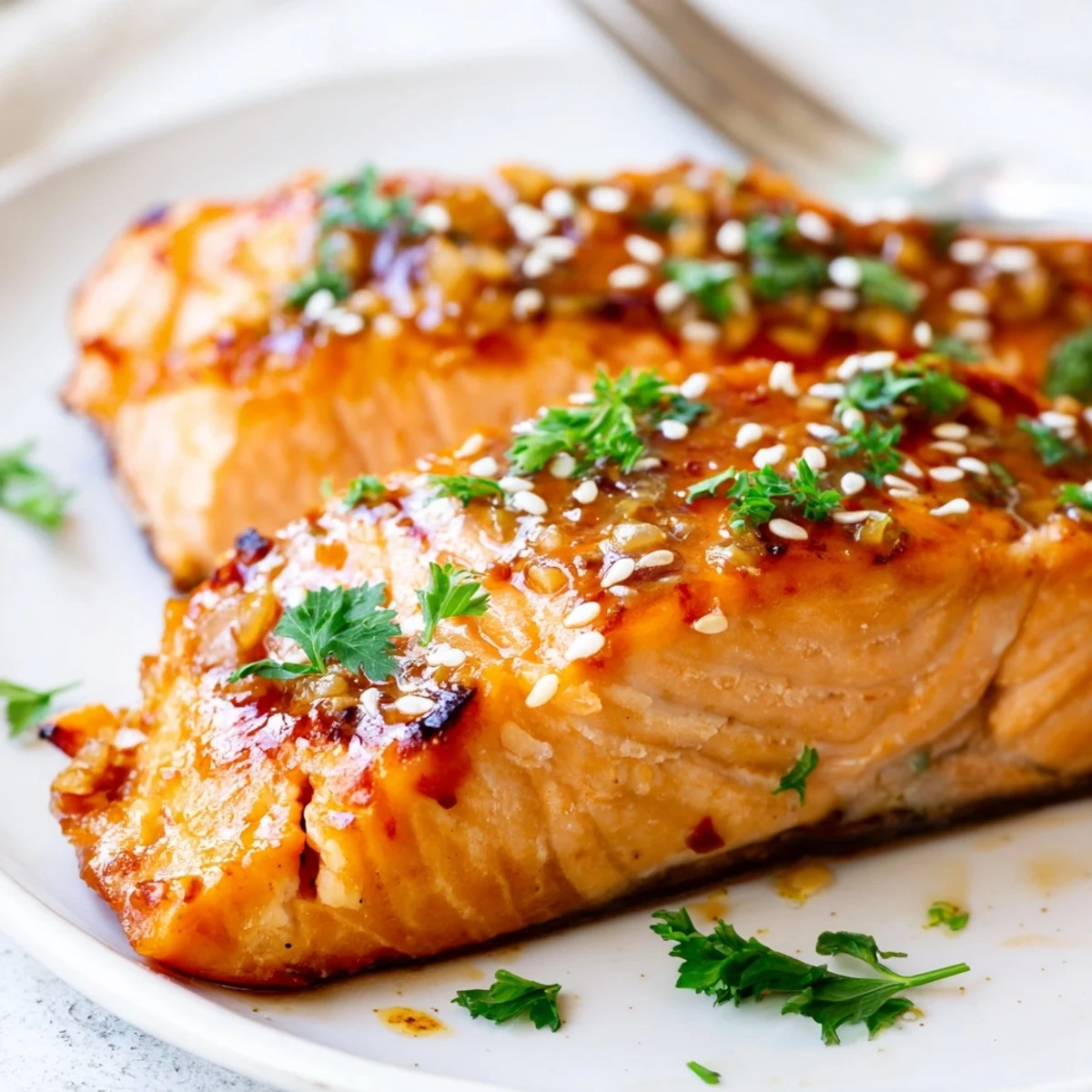
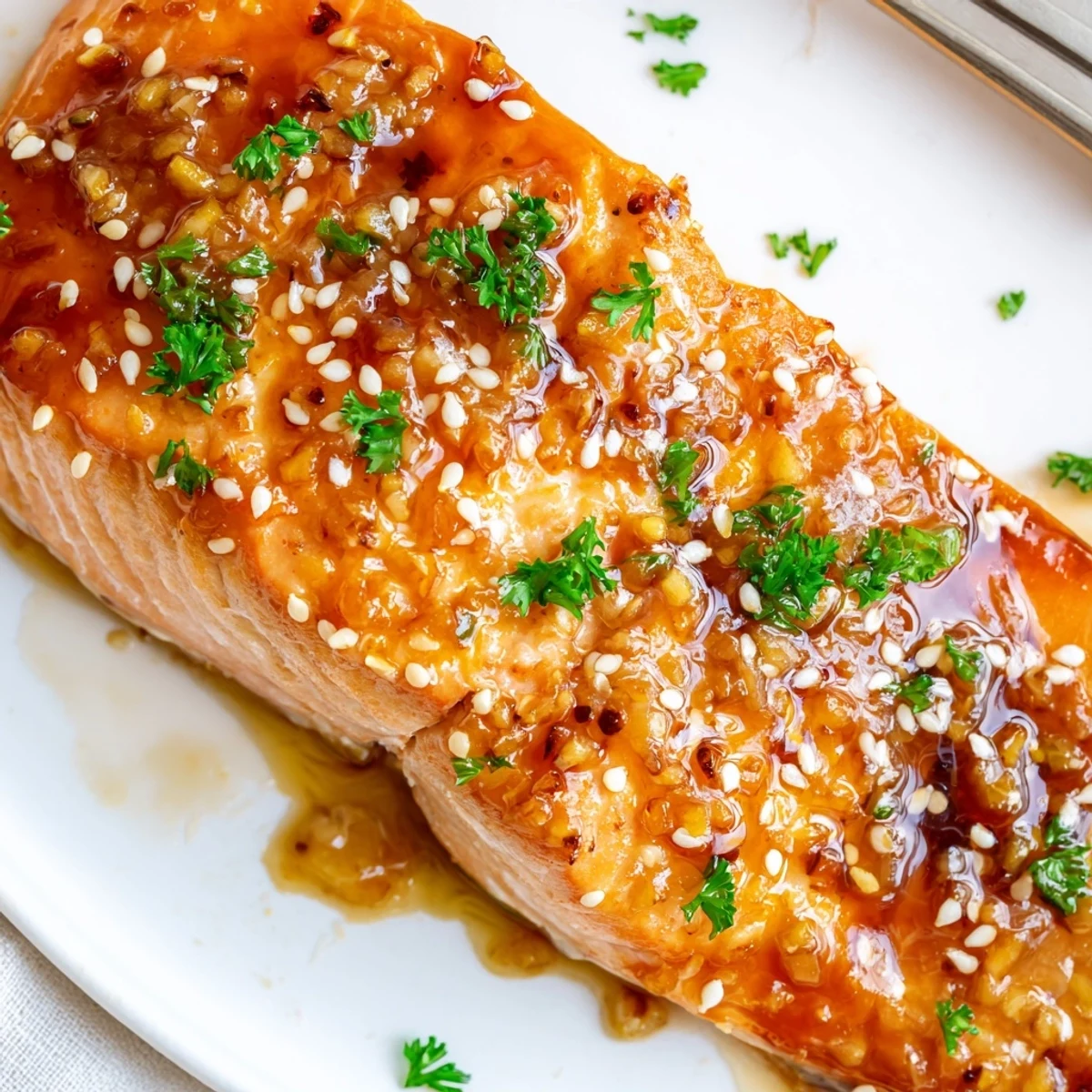
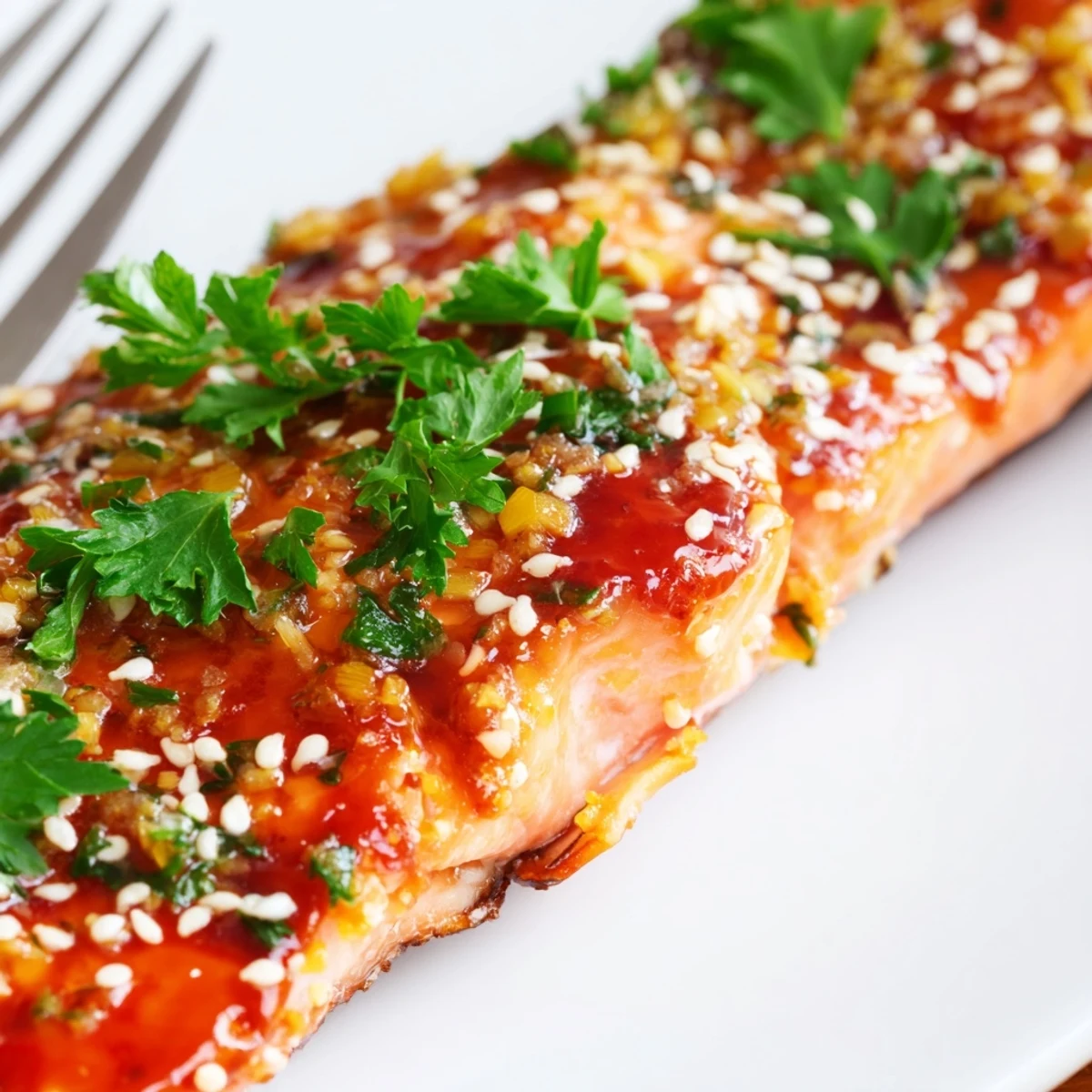
Save This dish features tender salmon fillets baked with a balanced honey garlic glaze combining sweetness, acidity from lemon juice, and savory soy sauce. Quick to prepare, the glaze enhances the natural flavor of salmon, which is broiled briefly for a caramelized finish. Garnished with fresh parsley and sesame seeds, it pairs well with grains or vegetables for a wholesome meal. Ideal for easy weeknight dinners that deliver bright, savory notes with minimal effort.
There's something about the smell of salmon hitting a hot pan that makes me pause whatever I'm doing. I discovered this honey garlic glaze one weeknight when I was determined to make dinner feel special without spending hours in the kitchen, and it became my secret weapon for those moments when I wanted impressive food but not the stress. The glaze caramelizes just enough to taste like you tried much harder than you actually did, and the kitchen fills with this warm, savory-sweet aroma that makes everyone ask what you're making.
I made this for my partner during a stretch where we'd fallen into the rut of ordering takeout three times a week, and watching their face when they tasted that first bite was the moment I realized how much depth a simple glaze could bring. They asked if I'd been secretly taking cooking classes, which made me laugh because I'd literally just thrown honey and soy sauce together that afternoon out of pure desperation to use what was in the pantry.
Ingredients
- Salmon fillets (4, about 150 g each): Look for ones with even thickness so they cook at the same rate. The skin protects the delicate flesh underneath, so keep it on unless you really prefer it off.
- Honey (3 tablespoons): This is your sweetness and your glaze all at once. It caramelizes on high heat and creates that glossy, sticky coating that makes everything taste better than it should.
- Soy sauce (3 tablespoons): The umami anchor that stops this from tasting like overglazed ham. Use gluten-free if you need to, and don't skip it even if you think you're not a soy sauce person.
- Fresh lemon juice (2 tablespoons): This keeps the glaze from becoming cloying and brightens everything. Actual fresh lemon matters more here than you'd think.
- Minced garlic (3 cloves): Mince it fine so it cooks through in the oven and doesn't leave you with bitter chunks.
- Olive oil (1 tablespoon): Helps the glaze come together and keeps the salmon from drying out.
- Black pepper and salt (½ teaspoon and ¼ teaspoon): Season generously because underseasoned salmon is a quiet tragedy.
- Fresh parsley and sesame seeds (optional garnish): These aren't essential but they catch the light on the plate and make you feel like you actually plated something thoughtful.
Instructions
- Set your oven to the right temperature:
- Preheat to 200°C (400°F) and line your baking tray with parchment paper or give it a light grease. This temperature is the sweet spot where the salmon cooks through without drying out, and the glaze caramelizes without burning.
- Whisk your glaze together:
- In a small bowl, combine the honey, soy sauce, lemon juice, minced garlic, olive oil, pepper, and salt. Whisk until everything is blended and the garlic is distributed evenly so you don't end up with pools of honey in some spots.
- Arrange and coat the salmon:
- Place fillets skin-side down on your prepared tray and spoon the glaze generously over each one. Don't be shy with it—this is where all your flavor comes from, and you want an even coating on every piece.
- Bake until just cooked through:
- Pop it in the oven for 12 to 15 minutes, depending on how thick your fillets are. You'll know it's done when the flesh flakes easily with a fork and looks opaque all the way through, but still looks moist inside when you check it.
- Optional caramelized finish:
- If you want that extra layer of sticky glaze (and honestly, why wouldn't you), switch the oven to broil for the last 2 minutes. Watch it the entire time because broilers are wild and can go from perfect to burnt in about 30 seconds.
- Rest and finish:
- Let the salmon sit for 2 minutes out of the oven so it keeps its moisture. Scatter parsley and sesame seeds on top if you're using them, add a squeeze of fresh lemon, and plate it while everything's still warm.
 Save
Save The moment this recipe became more than just dinner was when my mom asked for it after tasting it once at my house, and suddenly I was the person known for this salmon. It's nice to have something in your repertoire that feels impressive but doesn't ask you to spend your whole day cooking.
Variations and Swaps That Work
I've played with this glaze enough times to know what doesn't break it and what actually makes it better. Maple syrup instead of honey gives it an earthier depth if that's more your thing, and a tiny pinch of red pepper flakes adds just enough heat to make you notice the flavor waking up. I've also experimented with ginger—half a teaspoon of minced fresh ginger alongside the garlic creates this bright, almost Asian-inspired version that pairs beautifully with jasmine rice.
What to Serve Alongside This
Steamed jasmine rice is my go-to because it catches every drop of glaze that escapes, and there will be drops because this salmon is not shy. Roasted broccoli or bok choy feels at home on the same plate and keeps things light, while roasted baby potatoes if you want to make it more of a complete meal. I've learned not to pair this with anything too heavy because the glaze and lemon are already doing so much flavor-wise that you want something on the side that lets them shine instead of competing.
Making Ahead and Storage
You can make the glaze up to a day in advance and keep it in the fridge, which is honestly one of my favorite reasons to make this meal. Just let it come to room temperature before brushing it on the salmon so it spreads evenly. Leftover cooked salmon keeps for about three days in an airtight container, and while it's great cold over a salad, I usually just reheat it gently in a 160°C oven for five minutes because the cold version loses some of its charm.
- Make the glaze the night before and you've eliminated half the work on busy weeknights.
- Store leftover salmon in an airtight container in the fridge, not sitting out at room temperature.
- Don't freeze cooked salmon—it changes the texture in a way that's honestly not worth it.
 Save
Save This recipe taught me that weeknight dinner doesn't have to feel rushed or repetitive, and that sometimes the simplest combinations make the most satisfying meals. If you try this once, you'll understand why it became my answer every time someone asks what they should cook when they want to impress someone without the stress.
Recipe Questions & Answers
- → What type of salmon is best for this dish?
-
Fresh or thawed salmon fillets with or without skin work well, balancing moistness and ease of cooking.
- → Can I adjust the sweetness of the glaze?
-
Yes, you can reduce honey or substitute with maple syrup for a different sweetness profile.
- → Is it necessary to broil after baking?
-
Broiling briefly caramelizes the glaze for additional flavor but can be skipped for a softer finish.
- → How do I prevent the salmon from drying out?
-
Baking at moderate heat and monitoring cooking time ensures tender, flaky salmon without dryness.
- → What sides complement this salmon preparation?
-
Steamed rice, quinoa, or roasted vegetables provide a balanced accompaniment to the glaze’s sweet-savory notes.