
 Save
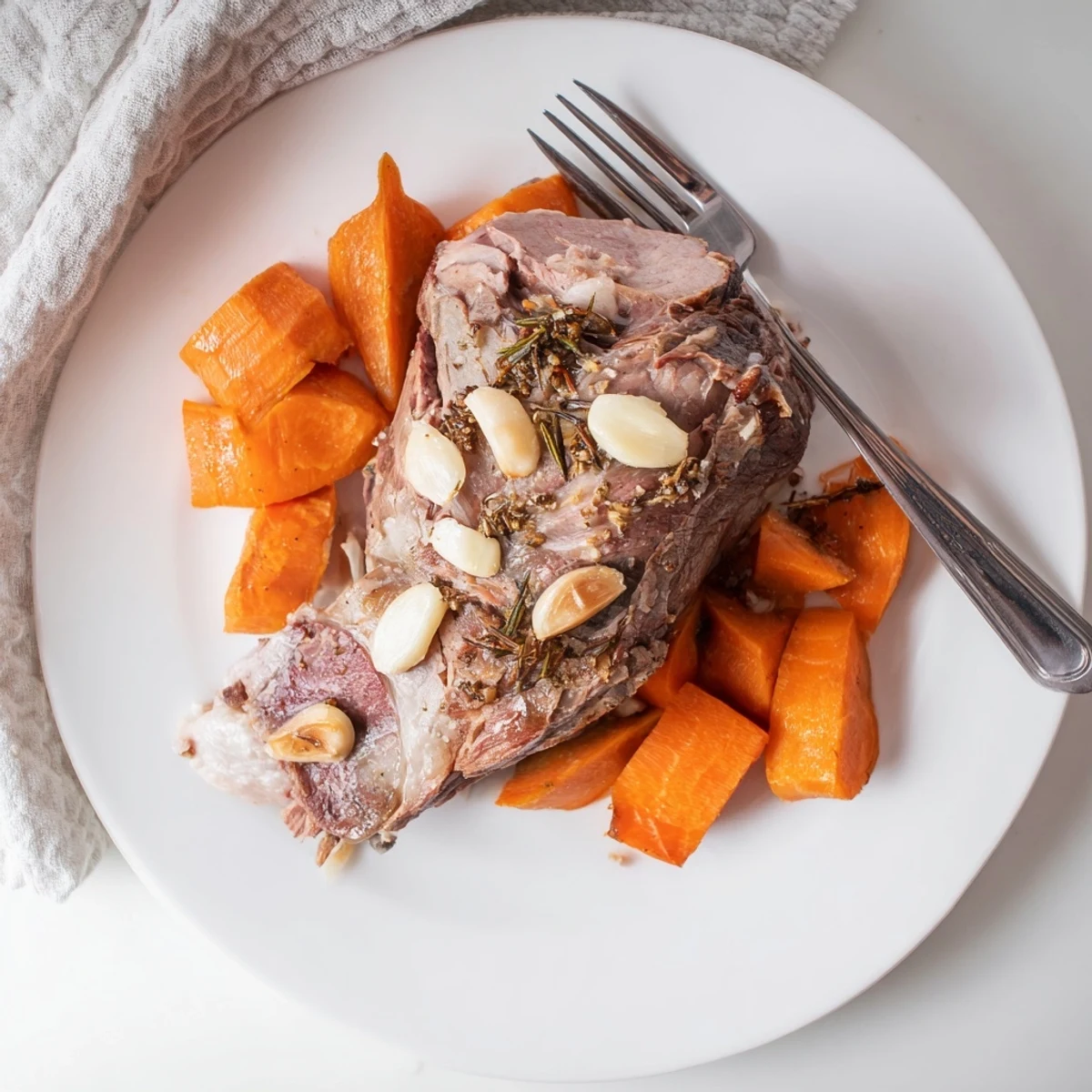
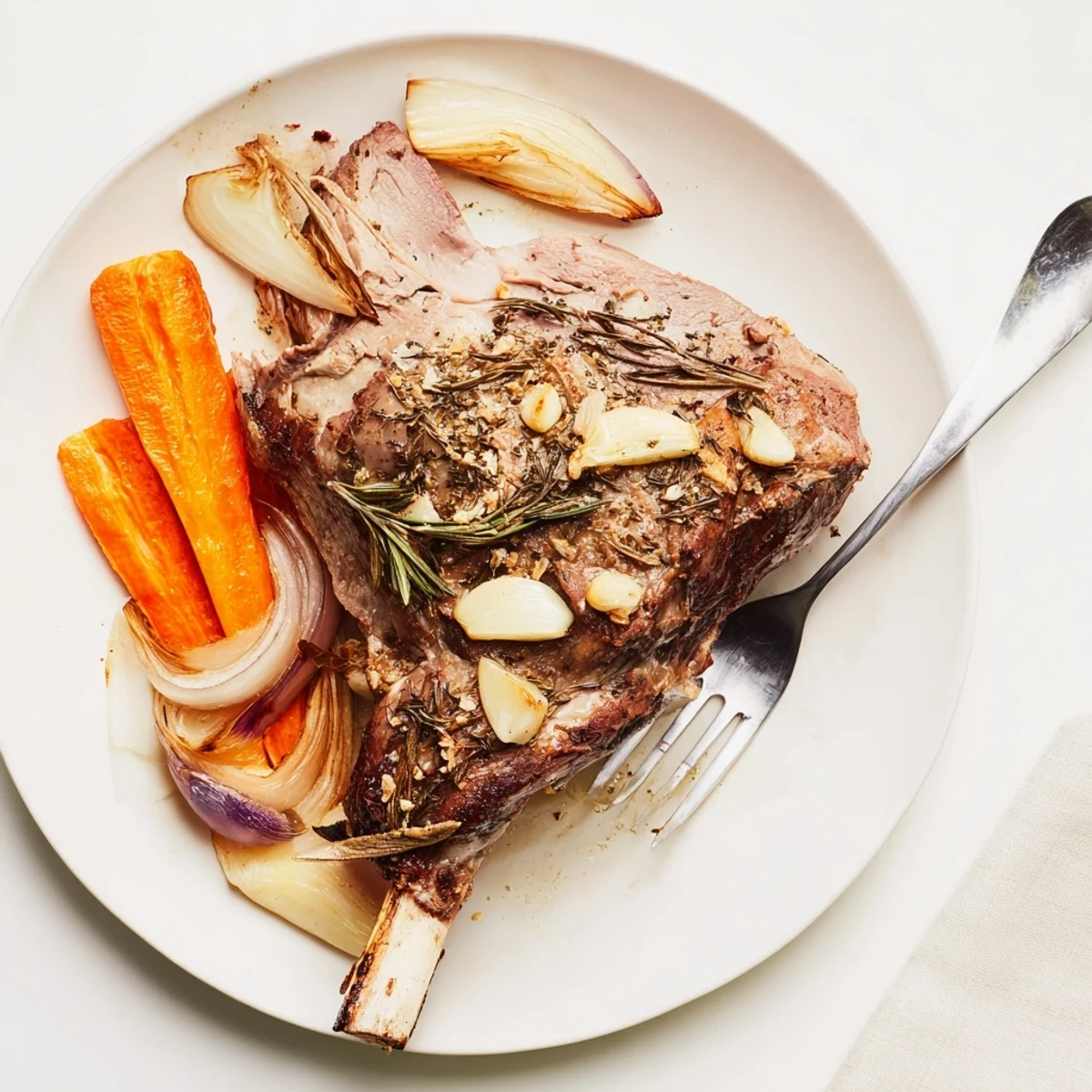
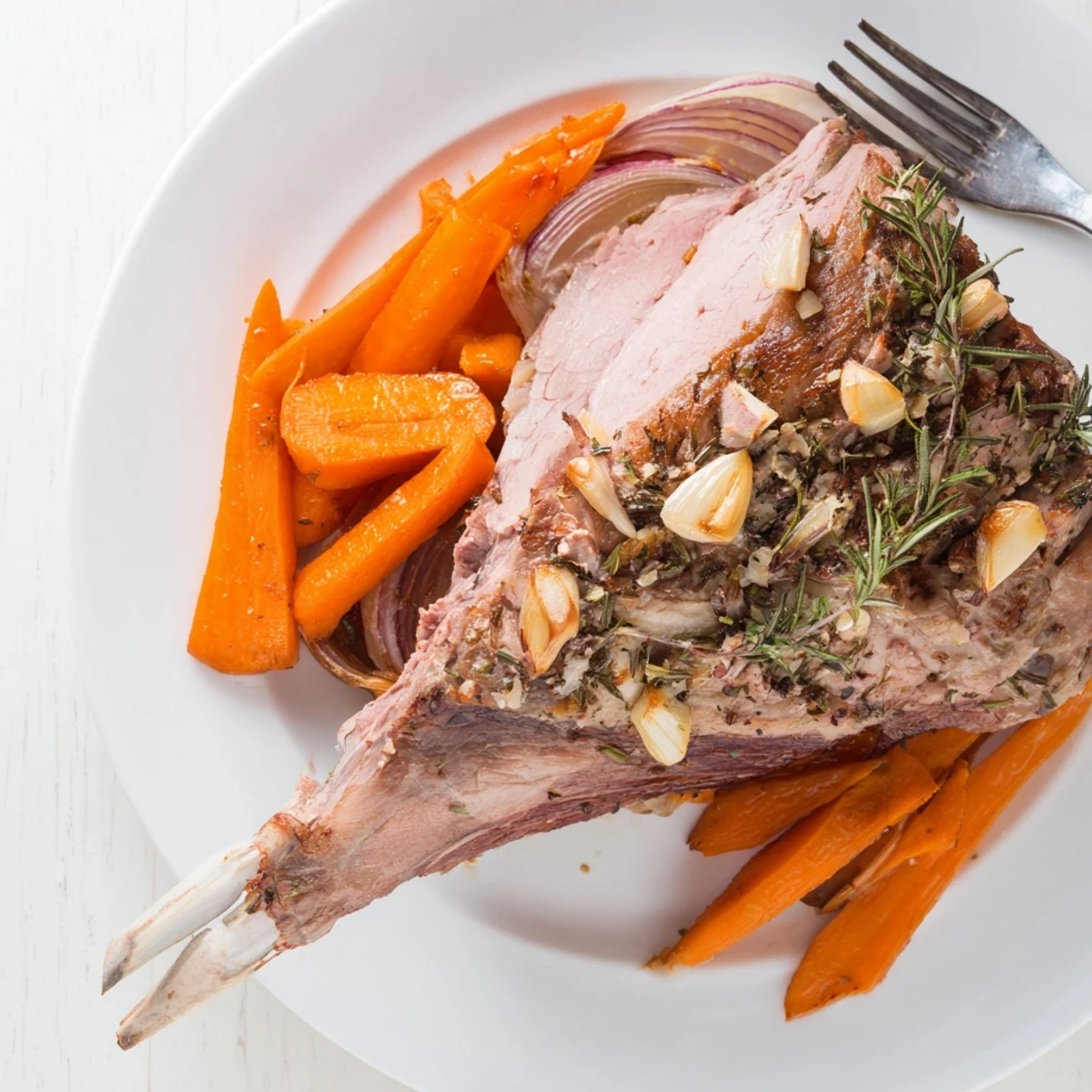
Save This slow-roasted leg of lamb combines garlic, lemon zest, and fresh herbs like rosemary and thyme for a tender, flavorful result. The lamb is marinated and cooked slowly over several hours, developing rich aromas and a crisp golden exterior. Served atop roasted onions and carrots with pan juices, it offers a satisfying and hearty centerpiece perfect for gatherings or special occasions.
The kitchen filled with rosemary and garlic at seven on a Saturday morning, earlier than I ever intended to be awake, because my neighbor had mentioned offhand that her Greek grandmother never let lamb sit for less than six hours with lemon. I was skeptical. I am often skeptical. But I tried it anyway, grumbling through the zesting, and by dinner I understood why some recipes demand patience rather than skill.
I made this for my sister's birthday two years ago, convinced I had overcooked it, watching the thermometer like it might lie to me. She stopped mid-sentence when she tasted it, fork frozen halfway to her mouth, and said nothing for several seconds. That silence was better than any compliment.
Ingredients
- Bone-in leg of lamb (2.5–3 kg): The bone conducts heat gently and flavors the meat from within; ask your butcher to trim excess fat but leave the silver skin intact.
- Garlic cloves, sliced: Thin slices slip easily into incisions and mellow into sweetness during the long roast.
- Two lemons, zested and juiced: The zest perfumes the meat while the juice begins the tenderizing work early.
- Fresh rosemary and thyme: Woody herbs survive the heat without turning bitter; chop them roughly so their oils release slowly.
- Olive oil: Creates the paste that carries flavor into every crevice of the meat.
- Onions and carrots: These become your side dish and your sauce base, absorbing lamb drippings until they are unrecognizably good.
- Dry white wine or chicken broth: Keeps the pan humid and builds the foundation for pan juices you will want to spoon over everything.
Instructions
- Wake up your oven:
- Set it to 150°C (300°F), low and patient, the temperature of a afternoon nap. This is not a race.
- Prepare the lamb:
- Pat the meat completely dry with paper towels, then use a sharp knife to stab shallow pockets all over. Tuck garlic slices into each one like small secrets.
- Build your paste:
- Mix lemon zest, juice, chopped herbs, salt, pepper, and olive oil in a small bowl. Rub this aggressively over every surface, working it into the incisions.
- Layer the foundation:
- Scatter onions and carrots across the bottom of your roasting pan. They will catch the drippings and prevent scorching.
- Position and pour:
- Set the lamb directly on the vegetables, then add wine or broth to the pan. It should steam, not swim.
- The long cover:
- Seal the pan tightly with foil and slide it into the oven. Set a timer for two and a half hours and walk away.
- The final blast:
- Remove the foil, crank the heat to 200°C (400°F), and roast uncovered until the exterior turns golden and slightly crackled.
- The waiting:
- Let the lamb rest under loose foil for fifteen minutes. The juices will redistribute; the meat will relax.
 Save
Save My father, who measures affection through practical gestures, once drove forty minutes with a container of these leftovers because he knew I was working late and had nothing in my refrigerator. I ate them cold, standing at the counter, and called him the next morning to say nothing in particular.
What the Wine Does
Alcohol carries volatile compounds that water cannot, lifting the herb aromas into the meat fibers and then evaporating to leave complexity behind. If you must substitute broth, add a tablespoon of vinegar to mimic that brightness.
Reading Your Lamb
Internal temperature matters less than time and texture here, but if you insist: 60°C (140°F) for pink, 65°C (150°F) for medium. The meat will continue cooking as it rests, so pull it five degrees early.
The Morning After
Cold lamb sandwiches with sharp mustard and peppery arugula might be the true purpose of this recipe. The fat solidifies into creamy pockets that melt against warm bread.
- Slice leftovers thin against the grain for sandwiches.
- Pan juices gel into excellent stock for soup.
- The bone, scraped clean, still has enough flavor for a small pot of beans.
 Save
Save Some meals are about showing off, and others are about showing up. This one manages both without trying very hard.
Recipe Questions & Answers
- → How do I prepare the lamb before roasting?
-
Pat the lamb dry and make small incisions to insert garlic slices. Then rub with a mixture of lemon zest, juice, herbs, salt, pepper, and olive oil for full flavor infusion.
- → Why is the lamb cooked slowly at a low temperature?
-
Slow roasting at a low temperature ensures the meat becomes tender and juicy while allowing flavors to develop deeply without drying out.
- → Can I substitute the white wine used in the roasting liquid?
-
Yes, you can replace the white wine with low-sodium chicken broth or another mild cooking liquid to suit your preferences.
- → How do the vegetables enhance this dish?
-
Onions and carrots arranged under the lamb roast absorb juices and aromatics, becoming flavorful and complementing the meat perfectly.
- → What herbs work best with this leg of lamb?
-
Fresh rosemary and thyme provide aromatic earthiness that pairs beautifully with garlic and lemon, elevating the roasted lamb’s taste.