
 Save
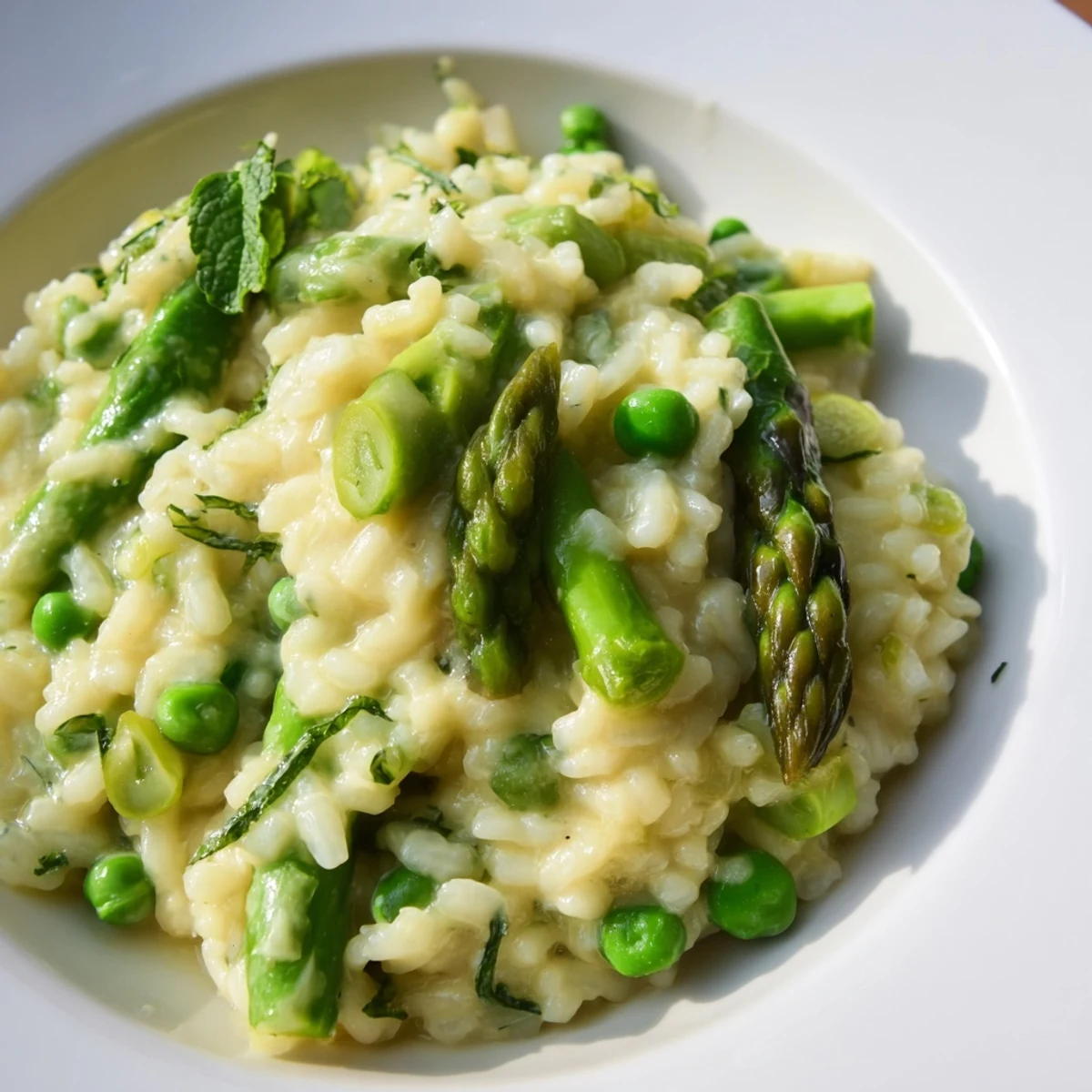
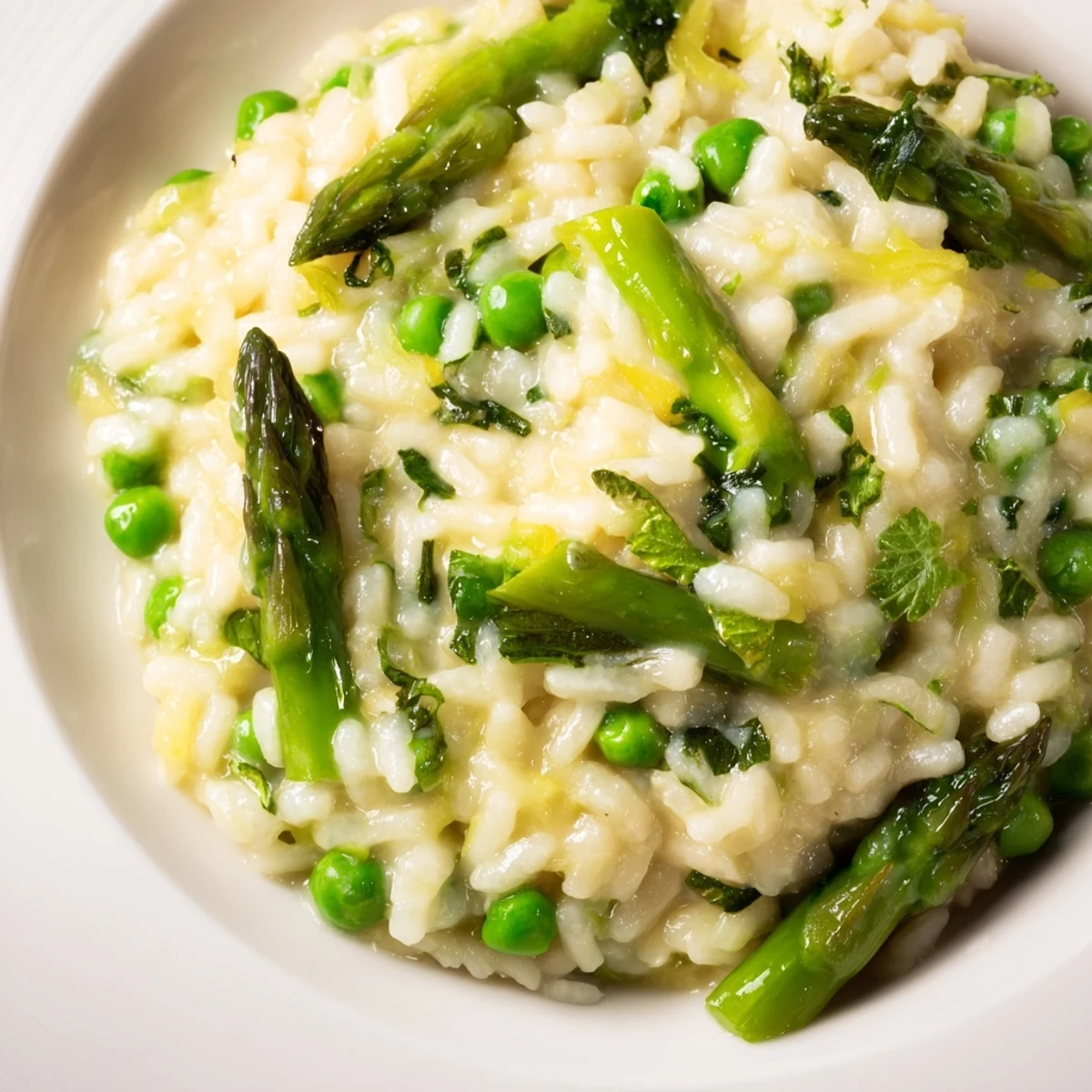
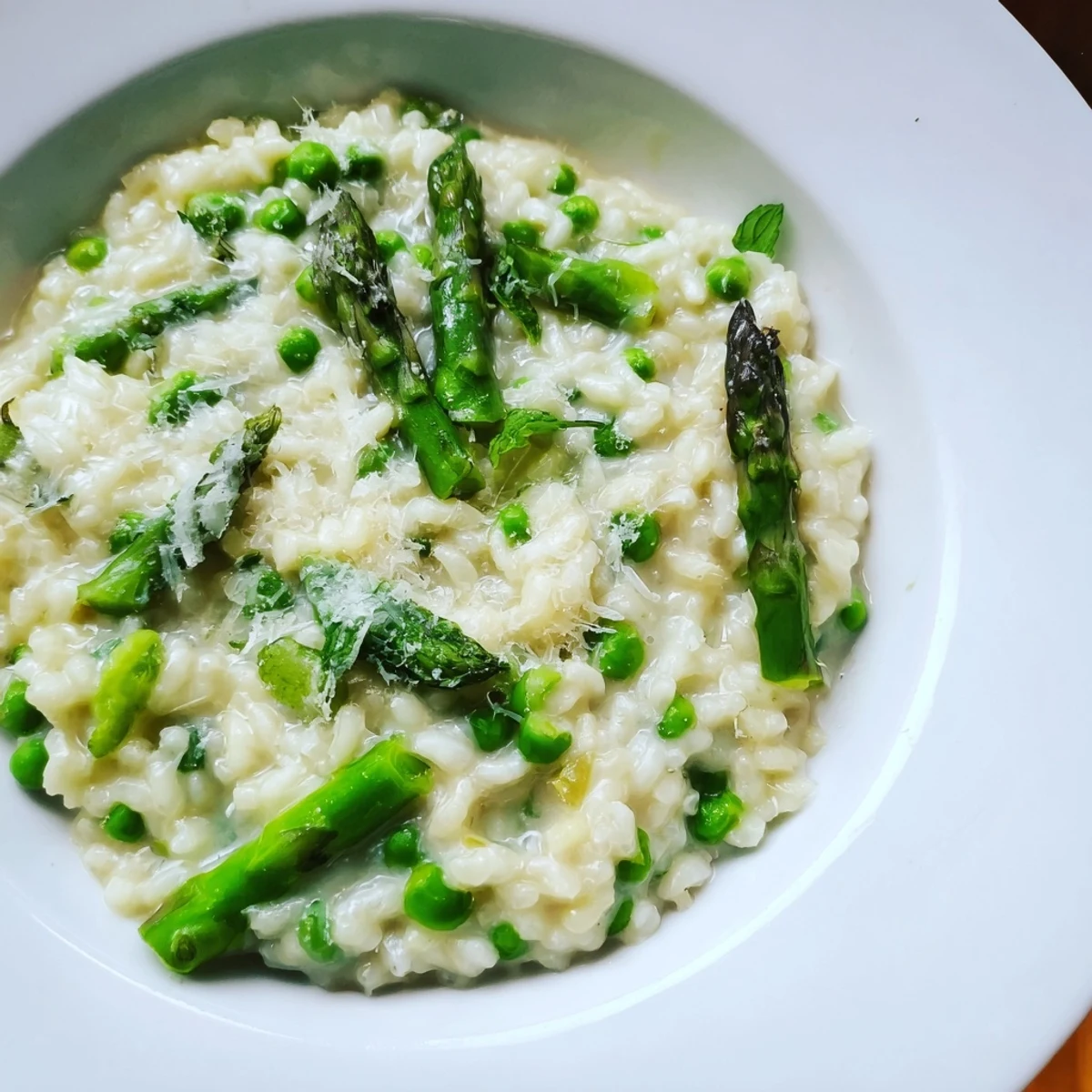
Save This creamy risotto combines tender asparagus and sweet peas with fragrant fresh mint for a vibrant spring dish. The Arborio rice is gently cooked in warm vegetable stock until tender and creamy, then enriched with butter, Parmesan, and a touch of cream. Aromatics like garlic, onion, and lemon zest add depth, while the fresh herbs bring brightness. Ideal for a comforting main served immediately, it pairs well with a glass of white wine and can be adapted for various diets with simple substitutions.
The steam rising from my neighbor's kitchen window that April morning smelled unmistakably of spring—sweet peas and something grassy I couldn't name. I knocked uninvited, holding a bottle of wine like a peace offering, and left three hours later with her grandmother's risotto secret written on a napkin.
I made this for my sister the week she moved into her first apartment, the kitchen barely furnished, sitting on folding chairs with the pot between us on the floor. She burned her tongue not waiting, laughed with her mouth full, and asked why I never cooked like this when we were kids.
Ingredients
- Asparagus: Trim the woody ends by bending each stalk until it snaps naturally, that is where tenderness begins
- Peas: Frozen work beautifully here, no shame in the freezer aisle, just do not thaw them first or they turn mushy
- Arborio rice: The short grains release starch slowly, this is your creaminess without cheating
- Vegetable stock: Keep it warm in a separate pot, cold stock shocks the rice and ruins the rhythm
- Butter: Divided, the first tablespoon builds flavor, the last finishes with silk
- Parmesan: Grate it fresh, the pre-grated stuff behaves like sawdust in risotto
- Heavy cream: Optional but transformative, my neighbor called it the apology for all the stirring
- Fresh mint: Chop at the last second, bruised mint turns bitter and sad
- Lemon zest: Use a microplane if you have one, the oils spray upward and perfume your hands
- Olive oil: Nothing fancy needed here, it is a workhorse not a show pony
Instructions
- Warm your stage:
- Heat the olive oil and half the butter in your heaviest pot until the butter foams and quiets. The onion should sizzle gently, not scream, about three minutes of softening before the garlic joins for one minute more.
- Toast the rice:
- Add the Arborio and stir constantly for two minutes, the grains will turn pearly at the edges and smell faintly nutty, this is the foundation of everything.
- The slow dance:
- Ladle in hot stock one pour at a time, stirring often, letting each addition disappear before the next. The spoon should scrape the bottom easily, no sticking, no rushing.
- Welcome the asparagus:
- After ten minutes of this rhythm, tumble in the asparagus pieces, they need time to soften without disappearing.
- Peas and brightness:
- Five minutes later, add the peas and lemon zest, the color shift alone will make you hungry.
- Test and rest:
- Keep adding stock until the rice yields slightly to your teeth but still holds shape, about eighteen to twenty minutes total, then remove from heat entirely.
- The mantecatura:
- Beat in the remaining butter, Parmesan, and cream with vigorous stirring, this is where risotto becomes risotto, wave the spoon like you mean it.
- Final folds:
- Season carefully, then gently fold in the mint and parsley, the residual heat will bloom their oils without cooking them dull.
 Save
Save My neighbor's grandmother died that winter, and I never met her, but I think of her when the mint hits the hot rice and the kitchen fills with something that feels like being looked after.
What to Serve Alongside
A simple arugula salad with lemon and nothing else, the peppery leaves cut through the richness without competing. I once tried roasted vegetables on the same plate and learned that spring dishes need space to breathe.
The Wine Question
My neighbor used whatever was open, often Pinot Grigio, though I have come to love a dry Verdicchio with this, something that echoes the lemon without mimicking it. The wine you add to the pot matters less than the wine you pour for yourself.
Making It Ahead
Risotto waits for no one, this is the hard truth, but you can parcook it to step five, spread it on a baking sheet to cool, then finish with hot stock fifteen minutes before serving. It will not be quite the same, but it will still be good.
- Reheat gently with extra stock, never the microwave
- The mint gets added only at the very end, even when reheating
- Leftovers become excellent arancini with an egg yolk and breadcrumbs
 Save
Save Some dishes teach you patience whether you asked for the lesson or not. This one has never failed to remind me that good things come to those who stand at the stove and pay attention.
Recipe Questions & Answers
- → How do I know when the risotto is done?
-
The risotto is ready when the rice is creamy but still slightly firm to the bite (al dente) and the liquid has mostly absorbed.
- → Can I use frozen asparagus and peas?
-
Yes, frozen asparagus and peas work well. Add them slightly earlier to ensure they cook through without becoming mushy.
- → What kind of stock is best to use?
-
Warm vegetable stock is ideal to maintain even cooking, enhancing the flavor without overpowering the delicate vegetables.
- → How can I make this dish vegan?
-
Use plant-based butter and cheese substitutes, and omit the cream to keep the risotto creamy and flavorful without dairy.
- → Why is it important to add stock gradually?
-
Adding stock one ladle at a time allows the rice to release starch slowly, creating a silky, creamy texture essential for risotto.