
 Save
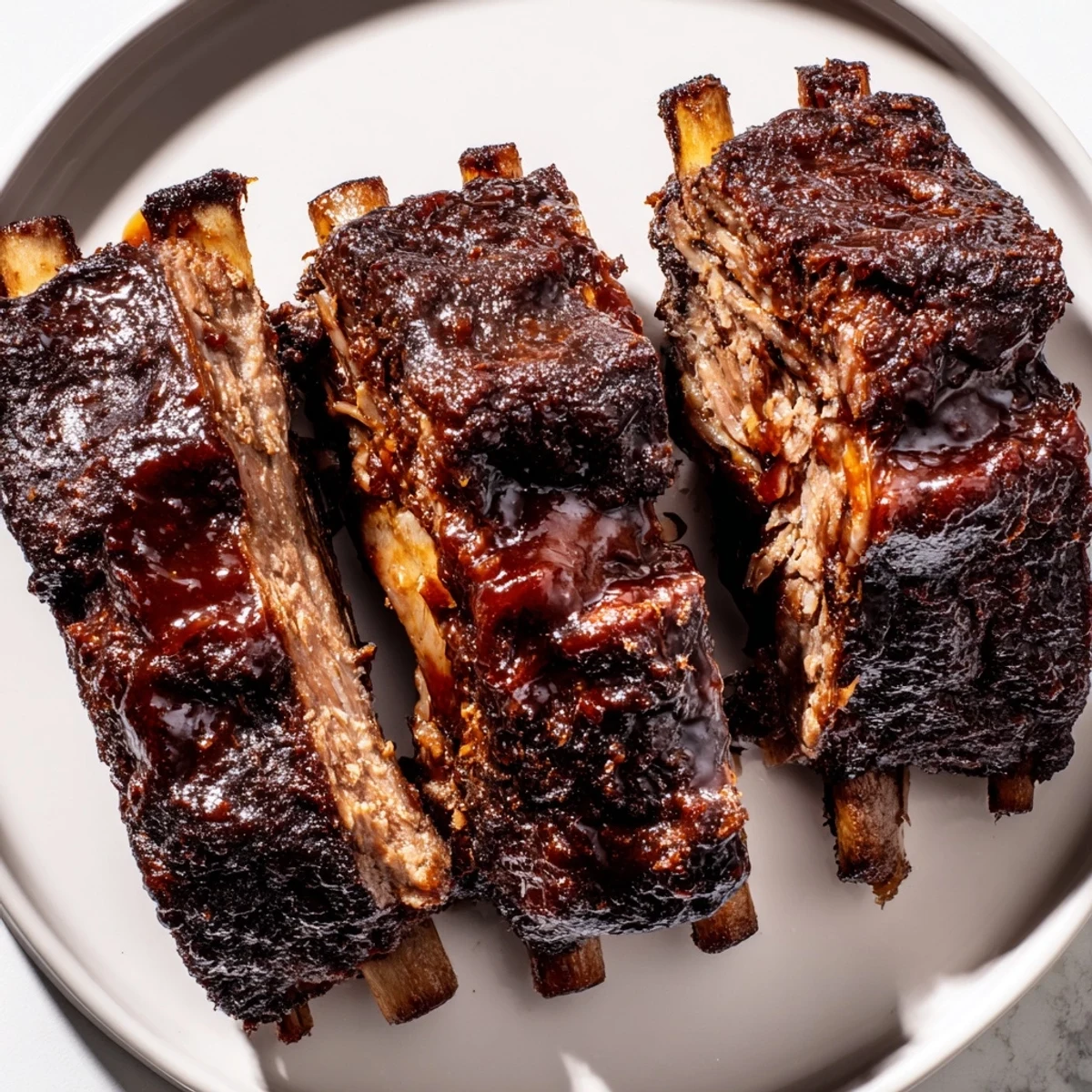
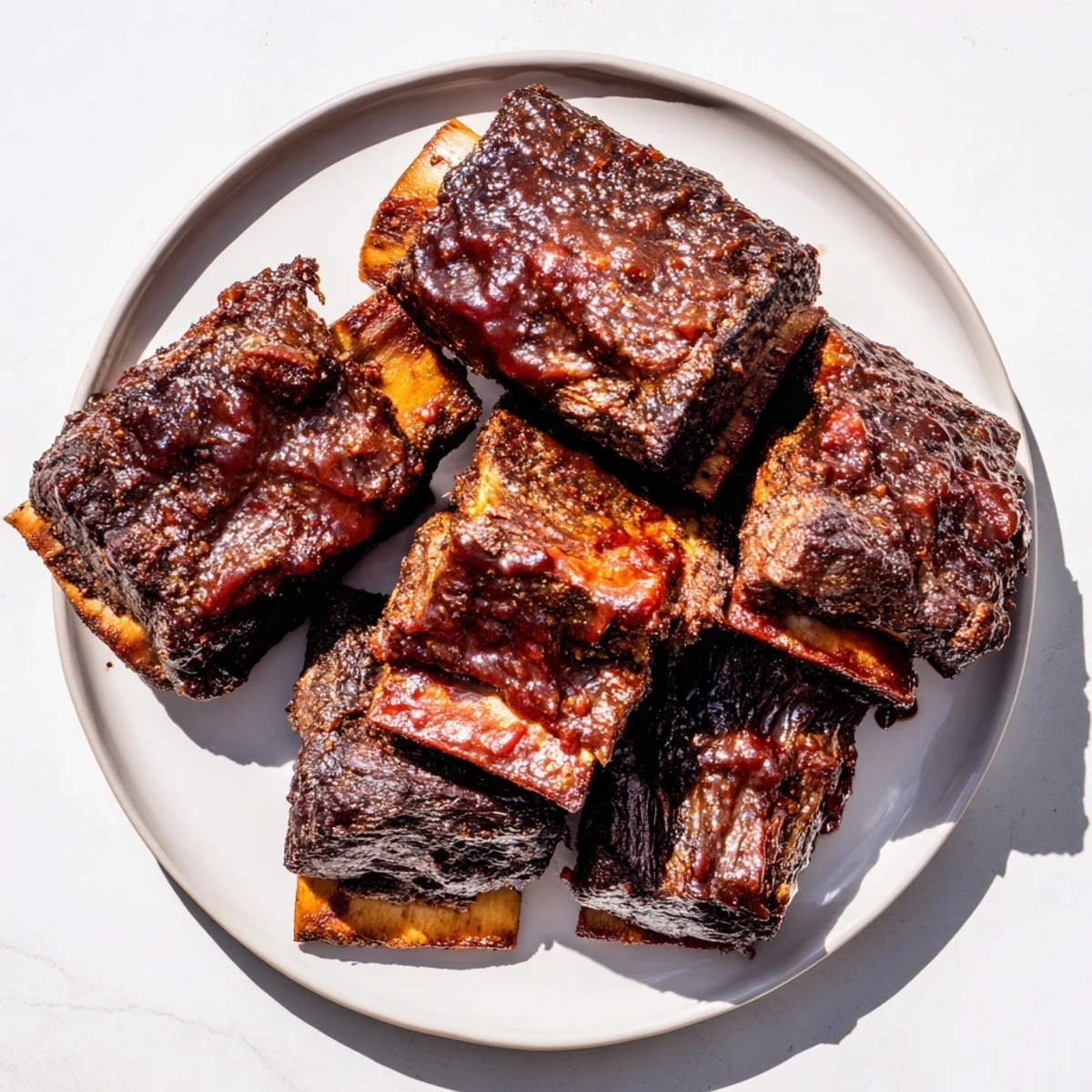
Save These beef ribs are slow-cooked for hours with a smoky dry rub that enhances the natural flavor of the meat. After baking covered to lock in moisture, they're brushed with a tangy barbecue glaze made of sauce, apple cider vinegar, and honey. A final high-heat finish caramelizes the glaze for a sticky, rich crust. Resting before slicing ensures tender, juicy ribs ideal for gatherings or special meals.
Discovering the magic of slow-cooked beef ribs was a game changer for me. The first time I made this recipe, the house filled with that irresistible smoky aroma that just promises comforting, juicy bites to come.
I remember when unexpected guests popped by last summer, and I whipped up these ribs fast. The faces around the table said it all—pure delight and surprise, making a normal evening special.
Ingredients
- Beef short ribs: I always choose bone-in ribs for the richest flavor and juicy texture, plus the bones help keep the meat tender while cooking.
- Dry rub: Brown sugar and smoked paprika create a deep smoky sweetness, while cayenne adds just a hint of heat if you want.
- Barbecue glaze: Using gluten-free barbecue sauce keeps this recipe accessible, and apple cider vinegar brightens the glaze with a nice tang.
Instructions
- Get Everything Ready:
- Start by gathering all your ingredients and preheating the oven to 150°C (300°F). Pat the ribs dry so the rub sticks perfectly.
- Rub It Right:
- Mix your dry rub and massage it all over the ribs. You’ll notice how the spices stick well, promising that rich flavor to come.
- Slow Cook Time:
- Place ribs on a foil-lined tray and seal with another piece of foil. The slow bake fills your kitchen with tantalizing smells while tenderizing the meat.
- Glazing & Finishing:
- Prepare a sweet and tangy glaze while ribs cook. Unwrap the ribs, brush on the glaze, then crank up the heat or pop them on a grill for a sticky, caramelized finish.
- Rest Before Serving:
- Let the ribs rest so juices redistribute, making every bite juicy and satisfying.
 Save
Save This dish has become more than just dinner — it’s a celebration of togetherness, cozy nights, and memories made around the table with laughter and full bellies.
Keeping It Fresh
Leftover ribs reheat beautifully when wrapped tightly in foil and warmed in a low oven, keeping that fall-off-the-bone tenderness intact without drying out.
When You're Missing Something
If you ever run out of barbecue sauce, a mix of ketchup, honey, and a splash of apple cider vinegar can stand in as a quick glaze with surprisingly great results.
Serving Ideas That Clicked
Pairing these ribs with creamy coleslaw or grilled corn adds great texture and brightness. Also, baked potatoes soaked in all the drippings are pure comfort food heaven.
- Don’t forget to have plenty of napkins on hand — things get delightfully messy!
- Try adding a smoky chipotle to the rub for a deeper heat punch.
- Always slice between bones for perfect portioning that looks as good as it tastes.
 Save
Save Thanks for spending time with this recipe — I hope it fills your kitchen with warmth and your table with happy tummies.
Recipe Questions & Answers
- → How do I make the beef ribs tender?
-
Slow baking covered at low temperature allows the meat to cook gently and become tender, while the dry rub adds flavor.
- → What can enhance the smoky flavor in the glaze?
-
Adding liquid smoke to the barbecue glaze or finishing the ribs on a charcoal grill amplifies the smoky notes.
- → Can I substitute honey in the glaze?
-
Yes, maple syrup works well as a natural sweeter alternative to honey in the glaze.
- → Should I cover the ribs while baking?
-
Covering the ribs with foil during the slow bake keeps them moist and helps the meat cook evenly.
- → Why finish the ribs at a higher temperature?
-
The final high-heat step caramelizes the glaze, giving the ribs a sticky, flavorful crust.