
 Save
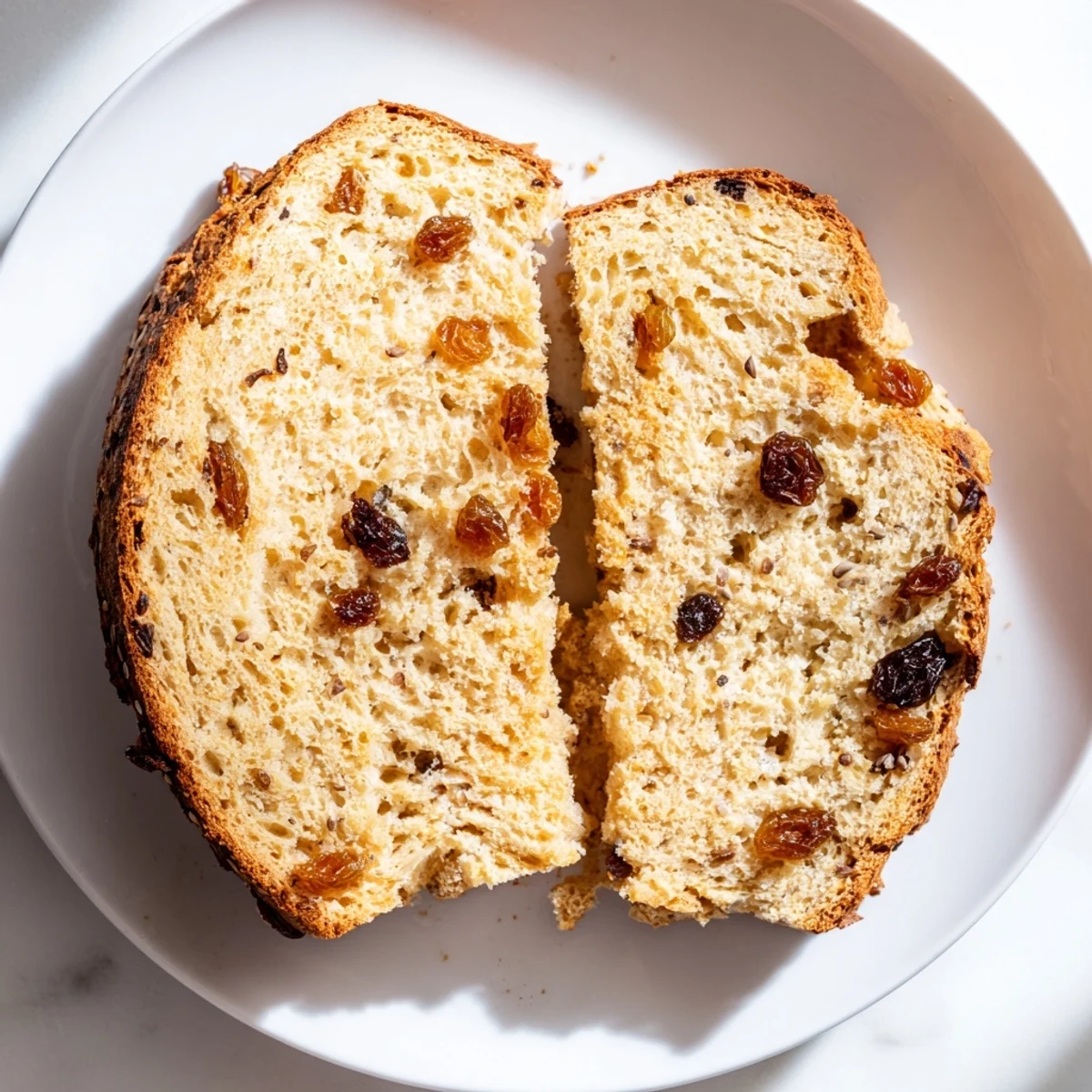
Save This Irish bread blends tender crumb and a golden crust with sweet raisins and fragrant caraway seeds for a unique twist. Easy to prepare, it combines simple pantry ingredients with buttermilk and butter to create a loaf that’s perfect for slicing and enjoying fresh or toasted. The characteristic cross cut allows for even baking and a beautiful presentation. Ideal for anIrish-inspired treat with a balance of sweet and aromatic flavors.
The smell of caraway seeds always takes me back to my grandmother's tiny kitchen in March, when she'd insist that soda bread wasn't worth making unless you could taste that distinctive earthy sweetness in every bite. I used to think she was being dramatic, until the year I tried making it without them and something just felt missing. Now I understand that those little seeds are what transform a simple quick bread into something that feels like home.
Last St. Patrick's Day, I made three loaves back to back because my roommate kept taking slices to her coworkers and coming home with requests for more. Watching people's faces light up when they tasted that first warm slice, slathered with salt butter, made me realize why this recipe has stuck around for generations.
Ingredients
- All purpose flour: Four cups give this bread structure while keeping the crumb tender and light
- Granulated sugar: Just a quarter cup provides subtle sweetness that balances the caraway without making it dessert like
- Baking soda and kosher salt: This duo creates the rise and enhances all the other flavors
- Caraway seeds: One tablespoon might seem generous but this is the soul of Irish soda bread, that distinctive slightly sweet anise flavor that makes it unforgettable
- Raisins: One full cup adds pockets of natural sweetness throughout each slice
- Buttermilk: One and three quarter cups provide the necessary acidity to activate the baking soda while keeping the bread incredibly moist
- Egg: One beaten egg adds richness and helps create a golden crust
- Unsalted butter: Four tablespoons melted and cooled adds flavor and tenderness to the crumb
Instructions
- Prep your oven and baking surface:
- Preheat oven to 400F and line a baking sheet with parchment paper for easy cleanup and to prevent sticking
- Mix the dry ingredients:
- In a large bowl, whisk together flour, sugar, baking soda, salt, and caraway seeds until everything is evenly distributed
- Add the raisins:
- Stir in the raisins until they're coated with flour, which helps prevent them from sinking to the bottom during baking
- Combine wet ingredients:
- In a separate bowl, whisk together buttermilk, beaten egg, and cooled melted butter until smooth
- Bring it together:
- Make a well in the center of the dry ingredients and pour in the wet mixture, then stir with a wooden spoon just until a shaggy dough forms
- Shape the loaf:
- Turn dough onto a lightly floured surface and gently knead only five to eight times before shaping into a round loaf about seven inches across
- Score the top:
- Place loaf on your prepared baking sheet and use a sharp knife to cut a deep X across the top, which helps the bread bake evenly
- Bake to golden perfection:
- Bake for thirty five to forty minutes until deeply golden, tenting with foil after twenty five minutes if the top browns too quickly
- Cool before slicing:
- Let the bread rest on a wire rack for at least twenty minutes so the crumb sets properly and cutting doesn't ruin the texture
 Save
Save My favorite part about this bread is how it brings people together, whether it's breakfast with coffee or alongside a hearty stew for dinner. The first time I served it to my Irish friend's family, they actually got quiet after the first bite, and that's when I knew I'd finally nailed the recipe.
Getting the Crust Just Right
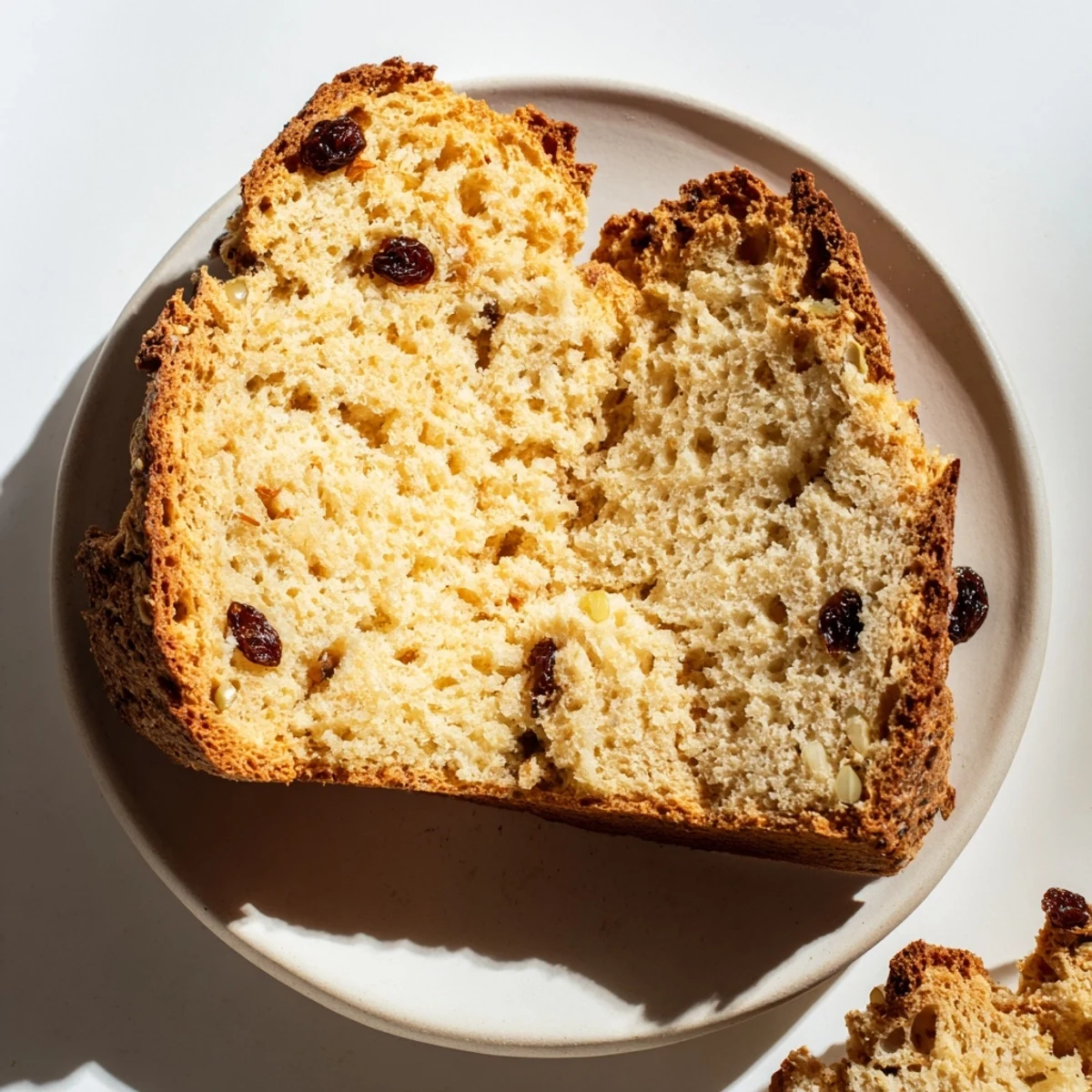
A hot oven is nonnegotiable for that signature crackly crust that gives way to impossibly soft insides. I've found that putting the bread on a preheated baking stone or heavy baking sheet helps create even better bottom crust.
Making It Your Own
While raisins and caraway are traditional, I've made this with dried cranberries during autumn and swapped caraway for fennel seeds when I was in a pinch. The technique stays the same but small tweaks keep it feeling fresh.
Storage and Serving Suggestions
Soda bread is at its absolute best the day it's made, when the crust is still slightly crisp and the inside is warm and fragrant. That said, leftovers toasted with salt butter the next morning might actually be even better than fresh.
- Wrap any leftover bread tightly and store at room temperature for up to two days
- Freeze slices individually for quick toasting later
- Revive day old bread by sprinkling with water and warming in a 350F oven for ten minutes
 Save
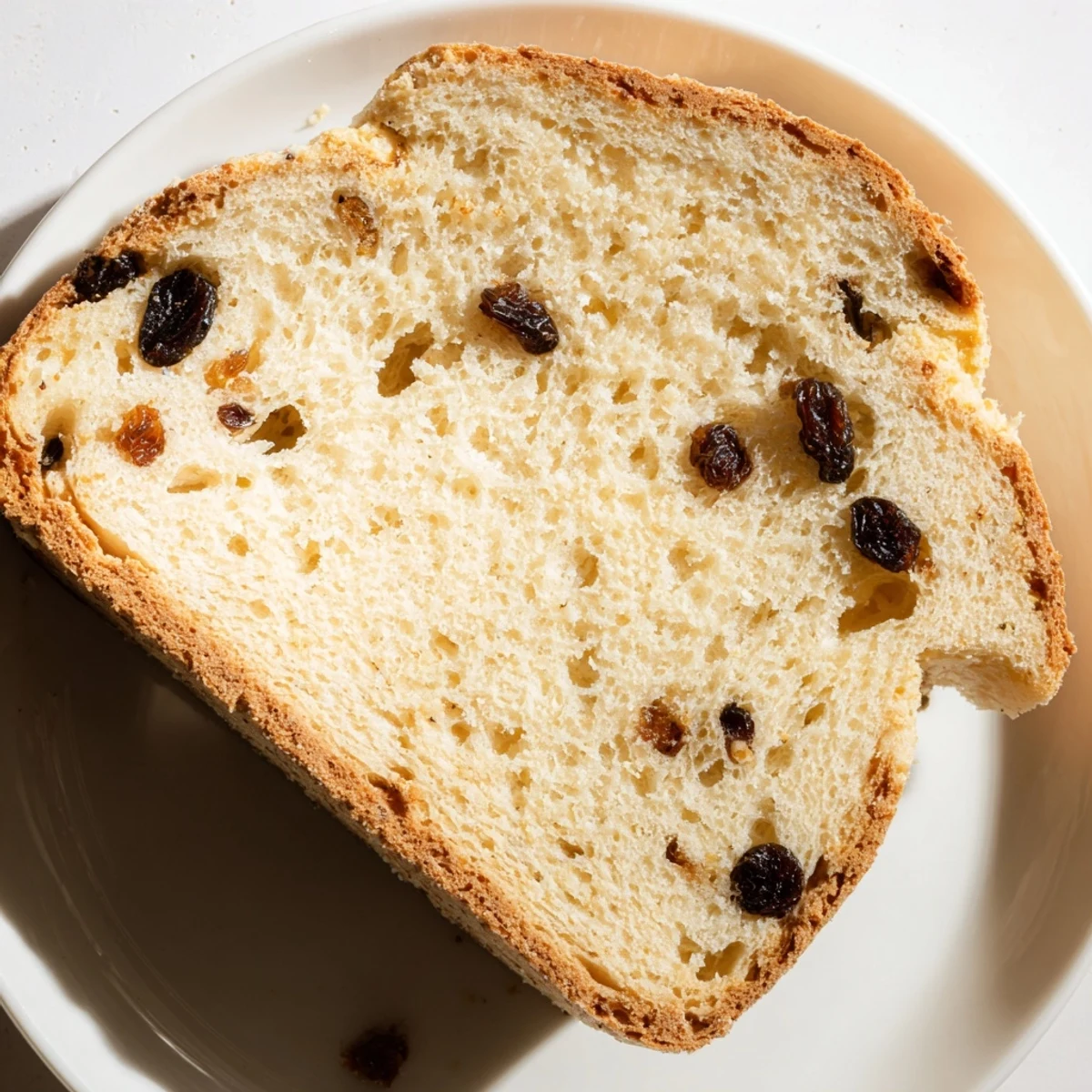
Save There's something deeply satisfying about making bread that doesn't require patience or precision, just a few simple ingredients and a hot oven. This is the kind of recipe that reminds you why homemade food always tastes better.
Recipe Questions & Answers
- → What gives this bread its distinctive flavor?
-
The combination of sweet raisins and aromatic caraway seeds creates a unique flavor profile that distinguishes this bread.
- → Can I substitute the raisins with other dried fruits?
-
Yes, currants or dried cranberries can be used as alternatives to raisins for a different but complementary sweetness.
- → Why is the dough not overmixed during preparation?
-
Overmixing can develop gluten too much, leading to a denser loaf; gentle mixing maintains a tender crumb.
- → What is the purpose of the cross cut on top of the loaf?
-
The deep X cut helps the bread expand evenly during baking and creates a classic look.
- → How should the bread be stored after baking?
-
Store the cooled bread wrapped loosely at room temperature; it’s best enjoyed the day it’s baked.
- → Can this bread be toasted as leftovers?
-
Yes, leftover slices make excellent toast, enhancing the texture and flavor.