
 Save
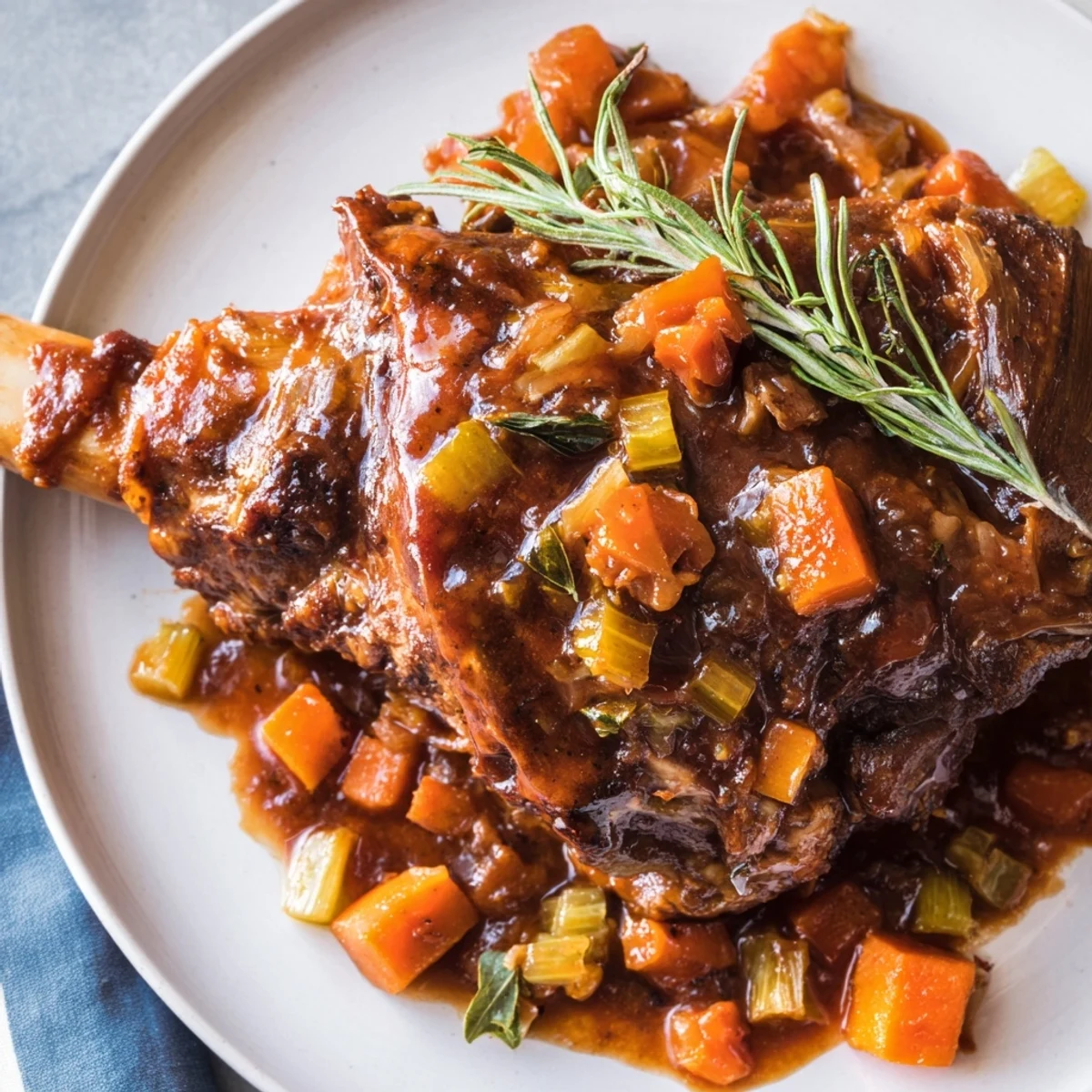
Save Experience tender lamb shanks slowly braised with fresh rosemary, garlic, and a medley of vegetables. The long, gentle cooking process softens the meat until it’s fall-off-the-bone tender, while the aromatic herbs and rich sauce create an indulgent, savory depth. Ideal served alongside creamy mashed potatoes or crusty bread, this dish embodies Mediterranean comfort with its balanced flavors and hearty texture.
There's something about lamb shanks that feels like a proper celebration of cooking. I remember the first time I made this dish was for a dinner party I'd been anxiously planning for weeks. The kitchen filled with the most incredible aroma as those shanks slowly braised in the oven—rosemary, wine, and caramelized meat creating this symphony of scents that made everyone arrive with impossibly high expectations. That night, when I pulled the pot from the oven and the meat just fell from the bone with the gentlest nudge, I knew I'd stumbled onto something special.
What I love most is that moment when you're standing in your kitchen, the house smells incredible, and you know you're about to create something that will absolutely satisfy everyone at your table. There's an ease to this dish that belies how impressive it feels to serve.
Ingredients
- 4 lamb shanks (about 350–400 g each), trimmed: The star of the show—lamb shanks have beautiful marbling that renders down into silky, unctuousness as they braise. Ask your butcher to trim the fell (that papery outer layer) and you'll have a cleaner braise with better browning.
- 2 large carrots, peeled and sliced: They add natural sweetness and body to the sauce. I prefer to slice them rather than chop so they hold their shape through the long cooking and become these gorgeous, tender pieces.
- 2 celery stalks, chopped: The backbone of flavor that sits in the background—you won't taste celery specifically, but you'll feel its contribution to depth.
- 1 large onion, chopped: This is where the savory foundation begins. The longer it cooks, the more its sweetness develops and softens.
- 4 garlic cloves, minced: Added after the vegetables soften so it doesn't burn and taste bitter. Garlic at this stage becomes mellow and almost sweet.
- 400 g canned diced tomatoes: The acidity balances the richness of the lamb and brightens the entire sauce. Good quality canned tomatoes work beautifully here.
- 2 sprigs fresh rosemary: The herbaceous soul of this dish. Fresh rosemary has a resinous intensity that develops and mellows as it braises. If you only have dried, use half the amount.
- 2 sprigs fresh thyme: Thyme is the gentle voice that keeps everything from becoming one-dimensional. It whispers rather than shouts.
- 2 bay leaves: They add a subtle earthy note that you'd miss if they weren't there. Don't skip them, but do remember to remove them before serving.
- 1 tsp salt: Added early to the meat, letting it penetrate the shanks. Taste at the end and adjust—beef stock can be salty.
- ½ tsp black pepper: Freshly ground makes all the difference here. Add it to the meat before browning so it toasts slightly.
- 500 ml beef stock: Rich and beefy is what you want. This is the liquid that becomes your sauce, so good stock matters. I prefer homemade or quality store-bought over bouillon.
- 250 ml dry red wine: Something you'd actually drink—a decent Côtes du Rhône or Burgundy works beautifully. The wine adds depth and acidity. Avoid anything labeled 'cooking wine.'
- 2 tbsp olive oil: For browning the shanks and sautéing vegetables. Use something you trust but not your finest extra virgin.
Instructions
- Get Everything Ready:
- Preheat your oven to 160°C (320°F). Take a moment to prep your ingredients—peel and slice the carrots, chop the celery and onion, mince your garlic, and set the rosemary and thyme sprigs where you can see them. When you're organized, the actual cooking moves smoothly and you're not frantically chopping while something burns.
- The All-Important Sear:
- Season your lamb shanks generously with salt and pepper on all sides. Heat your olive oil in a large Dutch oven over medium-high heat until it shimmers and just begins to smoke. Working with two shanks at a time, place them in the hot oil and let them sit for about 2 minutes before moving them. You're looking for a deep golden-brown crust to develop—this is where the flavor magic begins. Once all sides are gorgeously browned (about 8 minutes total per batch), transfer the shanks to a plate. The kitchen will smell absolutely incredible at this point.
- Build the Foundation:
- Reduce the heat to medium and add your chopped onion, carrot, and celery to the same pot. You'll notice all those beautiful brown bits stuck to the bottom—those are pure flavor. As the vegetables cook for about 5 minutes, they'll soften and begin to caramelize. You're listening for a gentle sizzle and watching for the onion to turn translucent. Add your minced garlic and let it cook for just one more minute until the smell hits you—that moment tells you it's perfectly cooked and hasn't burned.
- The Wine Moment:
- Pour in the red wine and scrape the bottom of the pot with a wooden spoon, dissolving all those caramelized bits back into the liquid. Let it simmer for about 2 minutes—you're not cooking off all the alcohol, just letting it mellow and meld with the vegetables.
- Bring It All Together:
- Add your canned tomatoes, beef stock, rosemary sprigs, thyme sprigs, and bay leaves. Return the lamb shanks to the pot, nestling them among the vegetables. They should be partially submerged in liquid—if they're completely covered, that's fine too, but partially submerged is ideal. Bring everything to a gentle simmer on the stovetop.
- Into the Oven Magic:
- Cover the pot with a lid (if it's snug-fitting, you don't need foil, but if it's loose, add foil under the lid to trap steam). Transfer to your preheated oven. Now the oven does the work—low, gentle, patient heat that slowly breaks down the connective tissue in the shanks and transforms them into something utterly tender. After about 1 hour and 15 minutes, carefully pull the pot out and gently flip each shank over with tongs. This ensures even cooking and even braising. Return it to the oven for another 1 hour and 15 minutes.
- The Final Check:
- The shanks are done when the meat is so tender it's practically falling from the bone at the merest suggestion. A knife should slide through with almost no resistance. Carefully remove the pot from the oven and let it rest for a few minutes while you gather serving plates.
- The Finishing Touches:
- Fish out the bay leaves and herb stems with tongs or a slotted spoon—they've given their all and can go to the compost. If you'd like the sauce less fatty, use a shallow spoon to skim the fat from the surface, or chill the braising liquid overnight and lift off the solidified fat. Serve the lamb shanks with the vegetables and that silky, rich sauce poured over top.
 Save
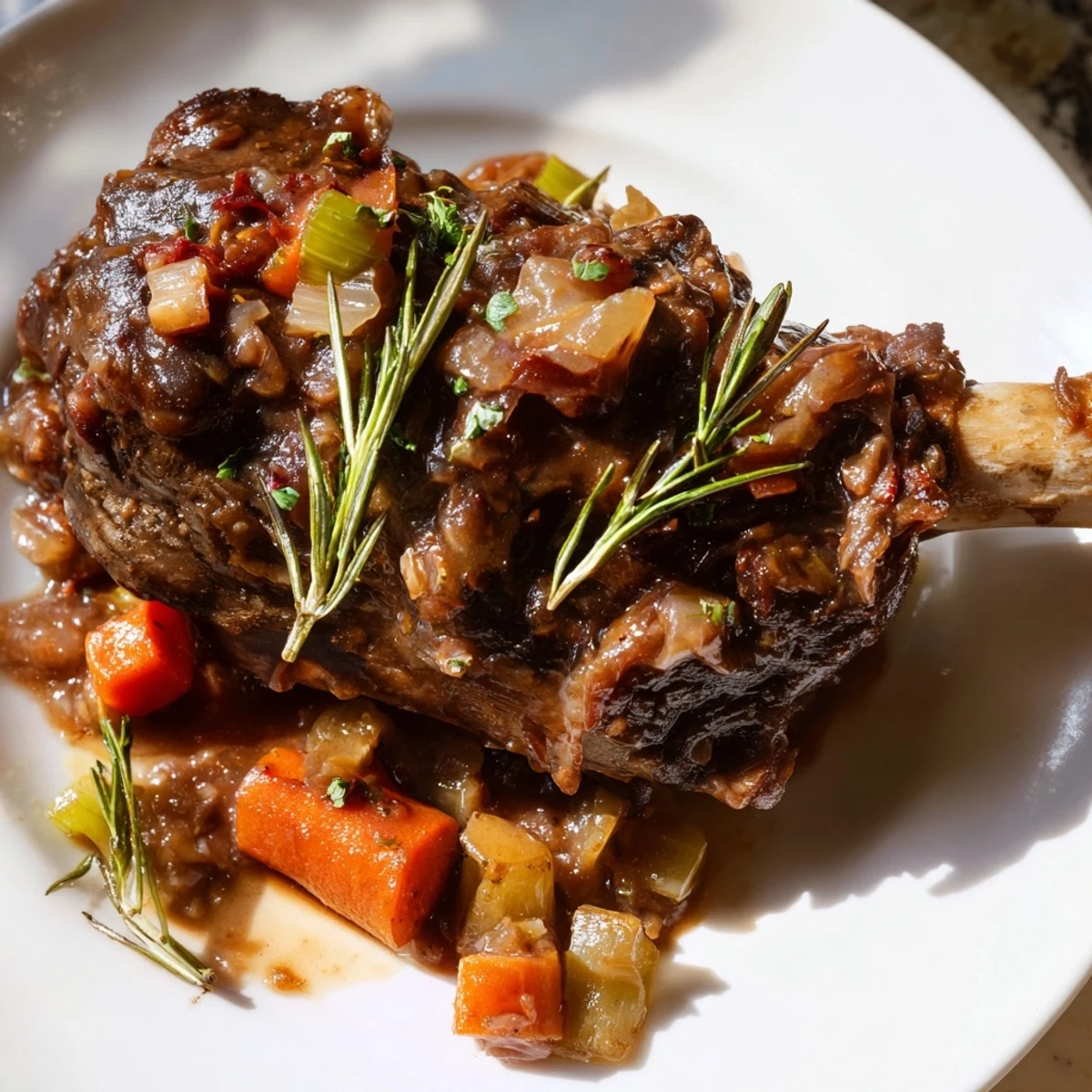
Save There's something profoundly satisfying about serving this dish. It feels like pulling a warm blanket over someone you care about. The meal becomes an event, and somehow the time and attention you've given it makes it taste even better.
Serving Ideas That Clicked
I've learned that the sauce is as important as the shanks themselves, so you want something to soak it into. Creamy mashed potatoes are my go-to—something about the fluffy potato against that silky sauce is hard to beat. Polenta works beautifully too, and there's something elegant about ladling the braise over a soft, buttery polenta base. Even crusty bread becomes a legitimate part of dinner when you're using it to capture every last drop of sauce. A simple green salad alongside cuts through the richness without competing with what you've made, and honestly, that bright vinaigrette is a welcome contrast.
When You're Missing Something
This is where your kitchen intuition comes in. Don't have fresh rosemary? Dried works, just use about two-thirds of a teaspoon instead of full sprigs. Beef shanks are an absolutely fine substitute if your butcher is out of lamb, and they'll braise beautifully in the same time. No fresh thyme? Use ½ teaspoon dried. Can't find good red wine? A full-bodied white or even cider vinegar mixed with stock can work in a pinch, though the final flavor will be a bit different. The beautiful thing about braising is that it's forgiving if your ingredient substitutions are thoughtful.
Making It Ahead for the Freezer
This dish actually improves when made a day or two ahead—the flavors deepen and meld together. Cool it completely, then store it in the refrigerator for up to four days, or freeze it for up to three months. To reheat, thaw in the refrigerator overnight if frozen, then warm gently on the stovetop over medium-low heat until heated through. You'll want to add a splash of water or stock if it seems thick after chilling. This makes it the perfect dinner to make on a quiet weekend and then reheat for a busy weeknight.
- The fat that rises to the surface when chilled is actually protective—it keeps everything fresh. You can skim it before serving if you prefer, but leaving it in means maximum flavor.
- If freezing, leave about an inch of headspace in your container since the liquid expands as it freezes.
- This braise becomes even more tender after a freeze-thaw cycle, so don't hesitate to make it well in advance.
 Save
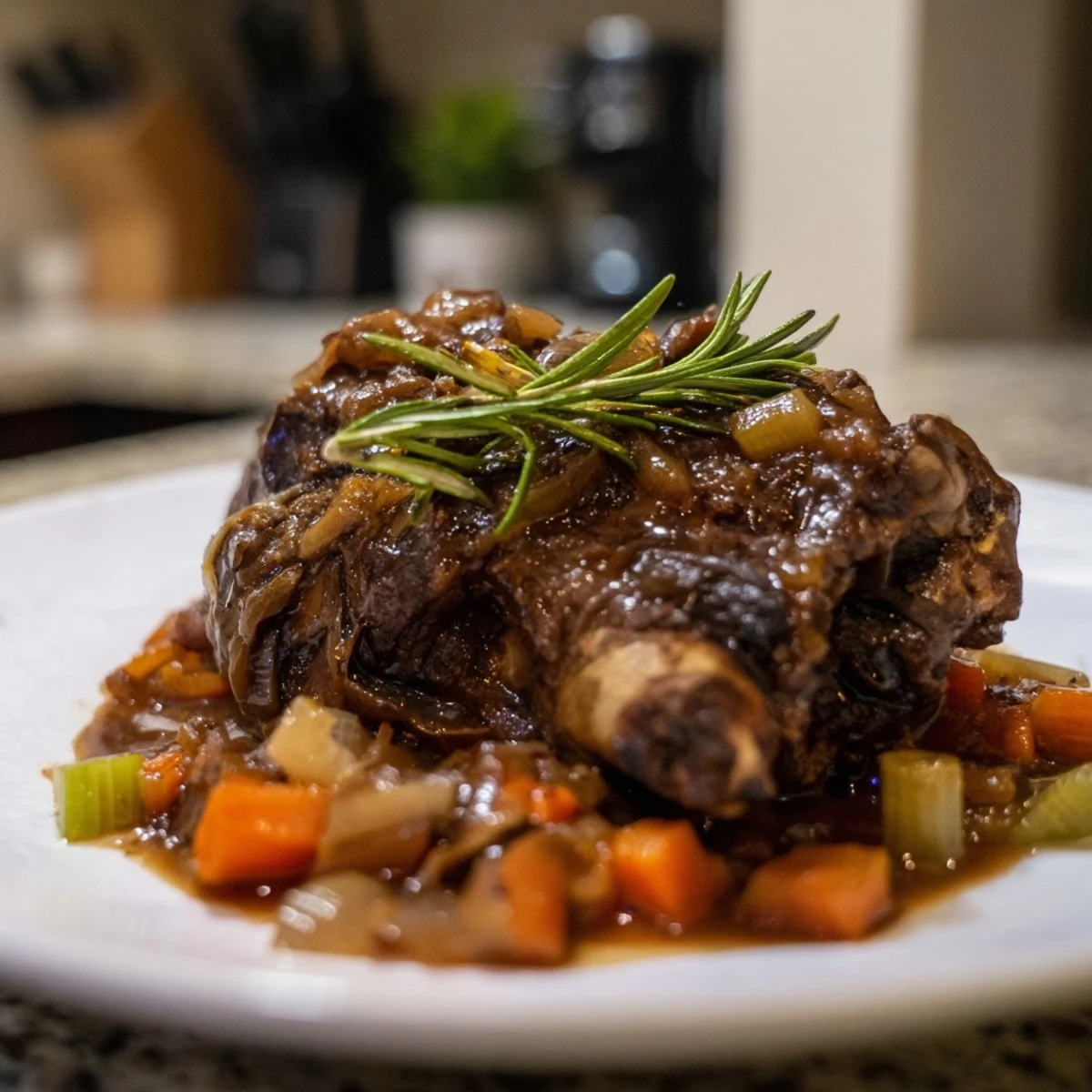
Save When you pull this out of the oven and set it on the table, you'll see people's faces change. That's the moment you know you've created something worth the time. Braised lamb shanks aren't just dinner—they're a love letter to the people you're feeding.
Recipe Questions & Answers
- → What cut of meat works best for braising?
-
Lamb shanks are ideal for slow braising due to their tough fibers that soften beautifully over long cooking.
- → How do herbs like rosemary affect the flavor?
-
Rosemary infuses the dish with a fragrant, pine-like aroma that complements the richness of the lamb and vegetables.
- → Can I substitute the wine in the cooking liquid?
-
Dry red wine adds depth and acidity, but beef stock or grape juice can be alternatives if preferred.
- → Why is browning the meat important before braising?
-
Browning creates a caramelized crust, enhancing flavor and locking in juices during the slow cooking process.
- → How should the sauce be handled after cooking?
-
After removing the meat, simmer the sauce to reduce and thicken, concentrating its rich flavors further.