
 Save
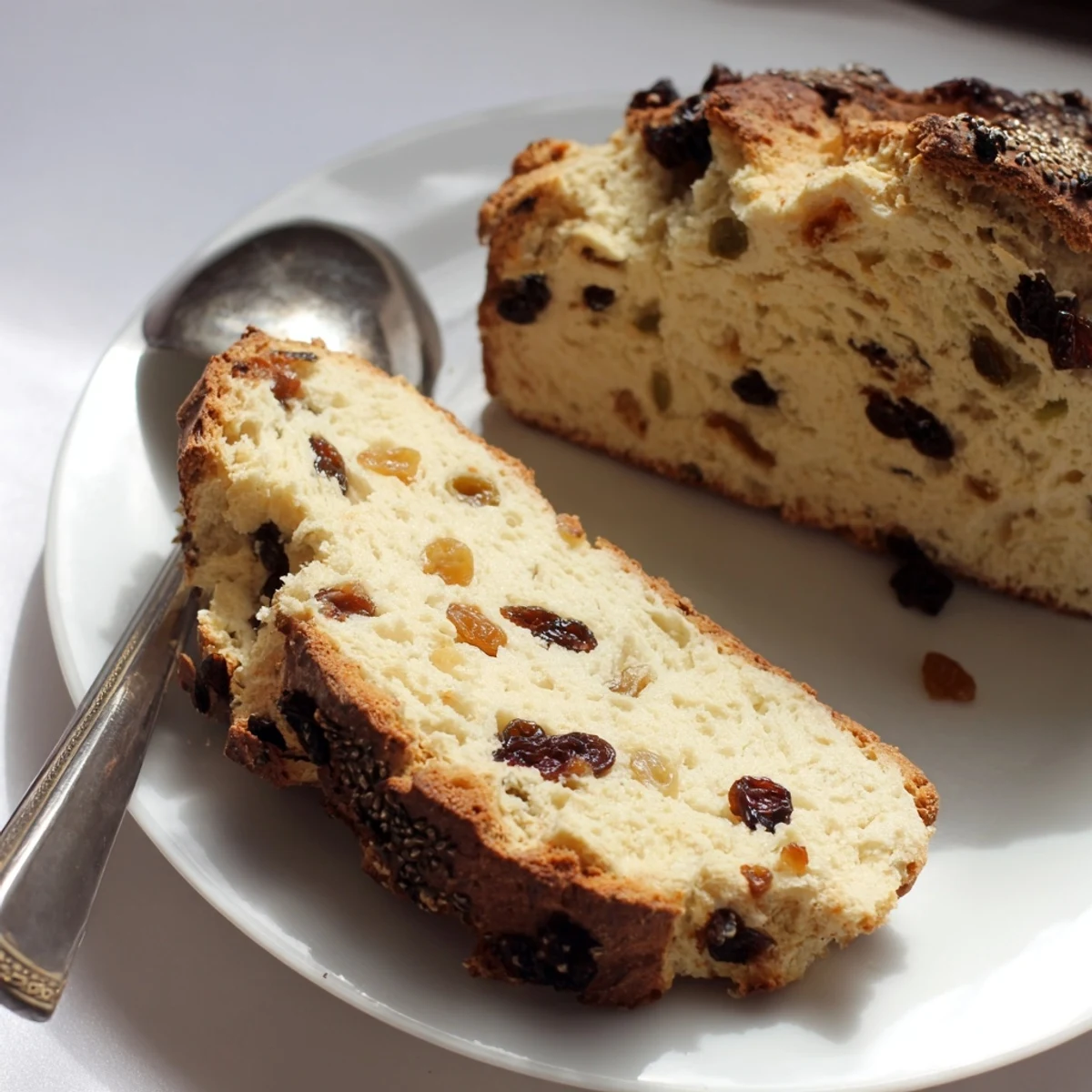
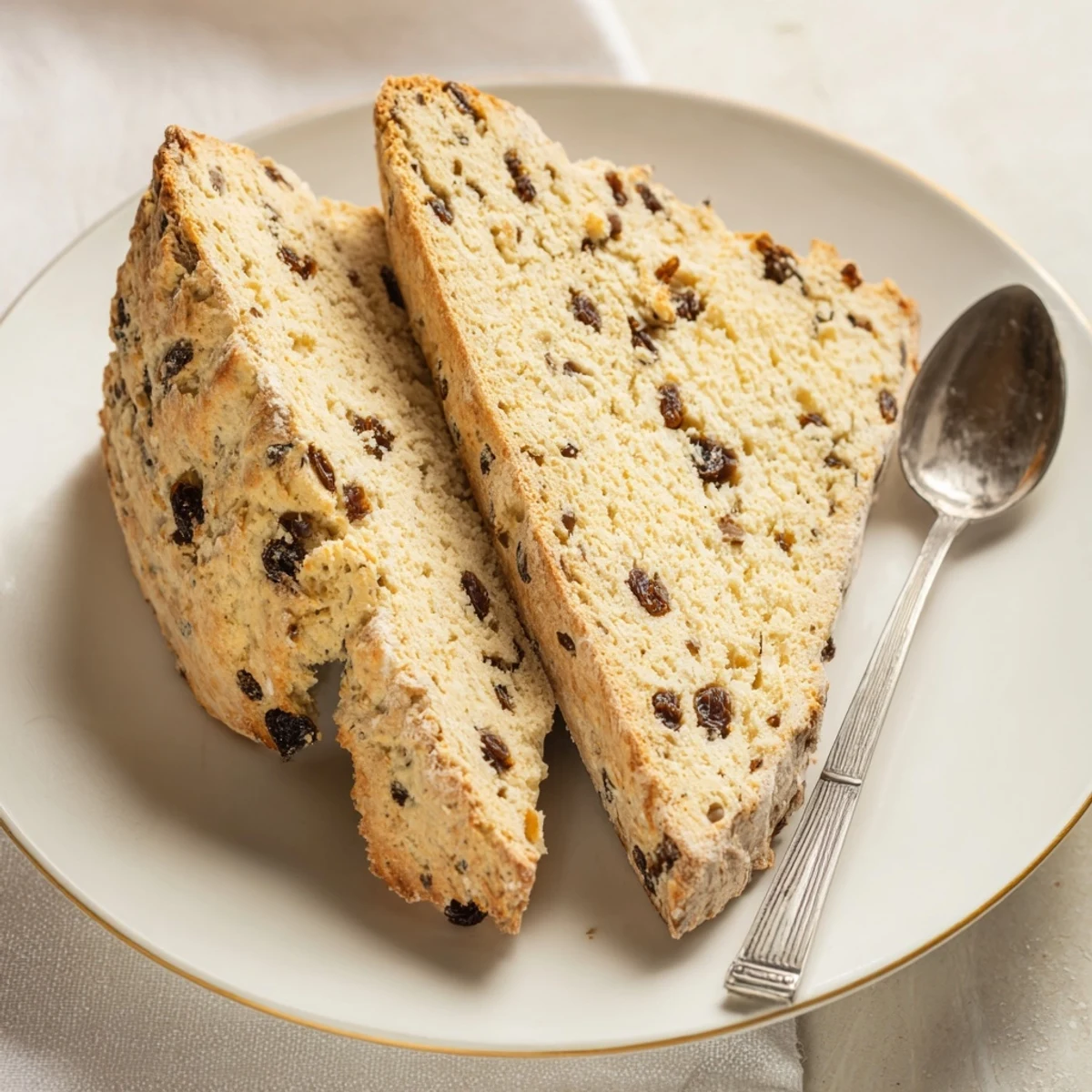
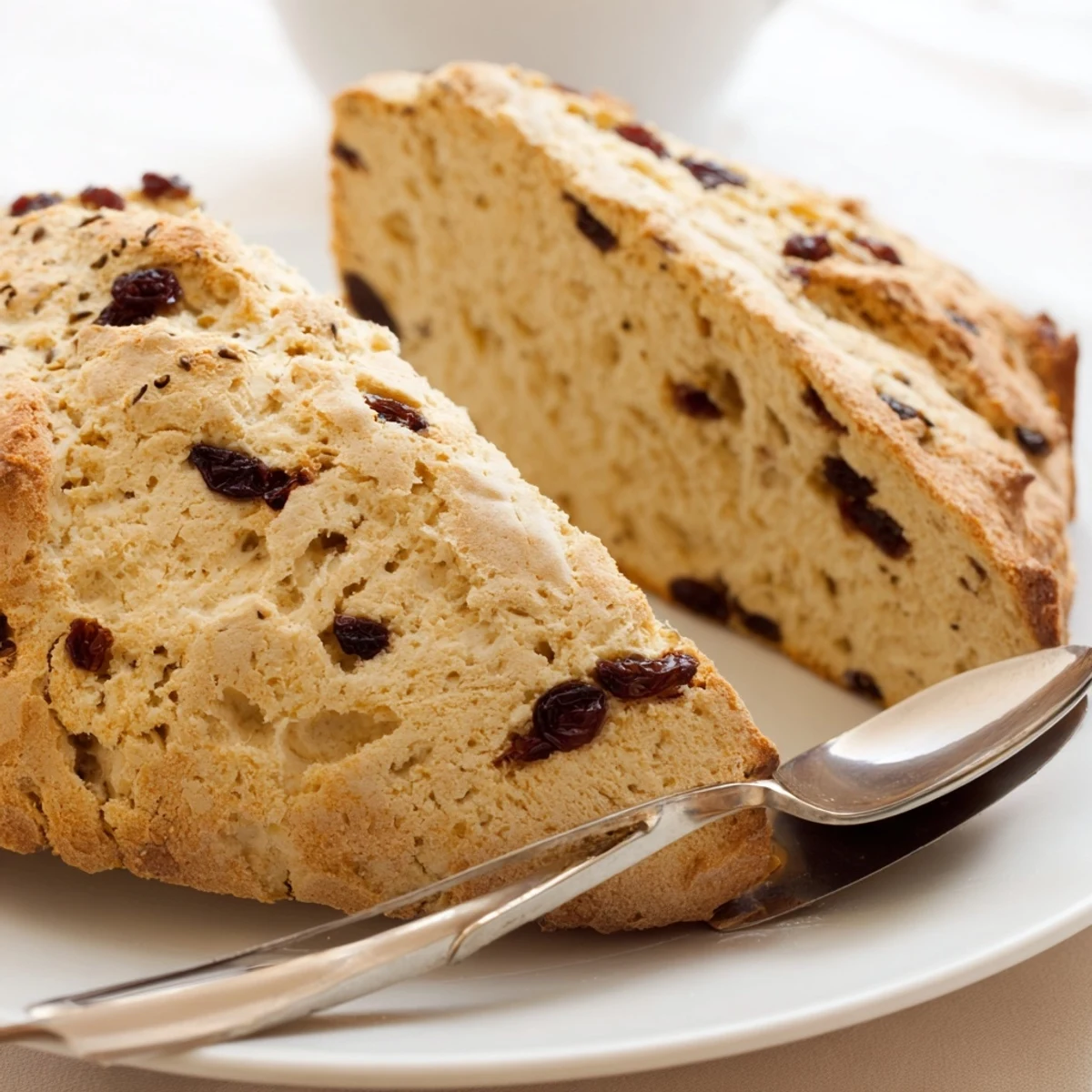
Save This traditional Irish soda bread is a quick and easy baked loaf, enriched with juicy dried currants and fragrant caraway seeds. The tender crumb balances a subtle sweetness with a hint of earthiness from the caraway. Made with buttermilk and a touch of butter, it offers a moist texture and hearty aroma. Ideal for breakfast or paired with tea, the loaf is straightforward to prepare by mixing dry and wet ingredients, gently kneading, shaping, and baking until golden brown. For variation, try raisins or whole wheat flour for deeper flavor.
The kitchen filled with this warm, anise-like fragrance as my first loaf baked, and I remember standing by the oven door just watching the X cut bloom open like a secret being revealed. My grandmother had mentioned caraway seeds in passing, but it took me years to actually try them in soda bread. Now I can not imagine this bread without them, that slight licorice hum dancing beneath the sweetness of currants. The whole house smells like an Irish bakery when this comes out of the oven.
I brought a still-warm loaf to a friend's house once, and we ended up standing in her kitchen tearing off chunks with our hands, slathering them with butter, talking until the bread was gone. Something about soda bread pulls people together, maybe because it is so unpretentious. It became our thing after that—whenever someone needed comforting, someone would bake a loaf. Now the smell alone feels like an invitation to sit down and stay a while.
Ingredients
- All-purpose flour: The structure here, keeping things tender while still giving you that satisfying crumb
- Granulated sugar: Just enough to highlight the currants' natural sweetness without making it dessert
- Baking soda: The leavening agent that reacts with buttermilk to create those lovely air pockets
- Fine sea salt: Balances the sweetness and wakes up all the other flavors
- Caraway seeds: These tiny crescents bring that distinctive aromatic warmth that makes the bread unforgettable
- Dried currants: Smaller and more tart than raisins, they distribute beautifully through the dough
- Buttermilk: The acidity here activates the baking soda and keeps the crumb incredibly tender
- Egg: Adds richness and helps bind everything together
- Unsalted butter: Melted into the dough for that subtle buttery undertone
Instructions
- Get your oven ready:
- Preheat to 400°F and prepare your baking sheet with parchment paper so nothing sticks later
- Whisk the dry foundation:
- Combine flour, sugar, baking soda, salt, and those fragrant caraway seeds in a large bowl until everything is evenly distributed
- Add the fruit:
- Stir in the currants until they are coated in flour, which helps prevent them from clumping together
- Mix the wet ingredients:
- Whisk together buttermilk, egg, and melted butter in a separate bowl until combined
- Bring it together:
- Make a well in the center of your dry ingredients, pour in the wet mixture, and stir with a wooden spoon just until a shaggy dough forms
- Gentle kneading:
- Turn onto a floured surface and knead about eight to ten times, just until the dough holds together
- Shape your loaf:
- Form into a round about two inches high and transfer to your prepared baking sheet
- Mark it with the cross:
- Use a sharp knife to cut a deep X across the top, about half an inch deep
- Bake until golden:
- Let it bake for thirty-eight to forty-two minutes until golden brown and hollow sounding when tapped
- Patience pays off:
- Cool on a wire rack for at least thirty minutes before slicing into it
 Save
Save My sister once called me at midnight, stressed and needing something real to eat, and I talked her through making this bread over the phone. We stayed on the line while it baked, that comfort of doing something simple together even from miles away. When she finally pulled it from the oven, she said the kitchen smelled like home. That is what this bread does—it makes anywhere feel like home.
Making It Your Own
Swap half the flour for whole wheat if you want a heartier, more rustic loaf that fills you up faster. The nuttiness plays beautifully with the caraway seeds, and I have found it keeps slightly longer too. Or try swapping the currants for raisins or dried cranberries depending on what you have in your pantry. Each variation tells a slightly different story, but they all end with warm bread and butter.
Serving Ideas
This bread deserves to be eaten warm, slathered with good Irish butter and maybe a drizzle of honey if you are feeling fancy. I love it for breakfast, toasted until golden with a bit of jam, but it is equally perfect alongside a bowl of soup for dinner. The leftovers, if there are any, make incredible toast the next morning.
Storage Secrets
Soda bread is at its absolute best the day it is made, when the crust is still crisp and the interior is tender. Wrap any leftovers tightly in a clean kitchen towel or store in a paper bag to keep the crust from going soft. After a day or two, toasting brings back that fresh-baked magic.
- Freeze slices individually for quick weekday breakfasts
- Revive day-old bread by sprinkling with water and warming in a 350°F oven for ten minutes
- Stale bread makes the best breadcrumbs for future recipes
 Save
Save There is something deeply satisfying about making bread that does not ask for patience or precision, just your hands and a warm oven. May your kitchen smell wonderful and your butter always be soft.
Recipe Questions & Answers
- → What makes soda bread different from other breads?
-
Soda bread uses baking soda as a leavening agent instead of yeast, which allows for quicker preparation and a tender crumb.
- → Can I substitute currants with other dried fruits?
-
Yes, raisins or dried cranberries work well as alternatives, adding a similar sweetness and texture.
- → How should the dough be handled for best texture?
-
Mix until just combined and knead gently about 8-10 turns to keep the bread tender without overworking the gluten.
- → What is the purpose of cutting an X on top before baking?
-
Slashing the dough allows steam to escape and helps the bread expand evenly while baking.
- → How can I tell when the bread is fully baked?
-
The loaf should be golden brown, sound hollow when tapped on the bottom, and a skewer inserted comes out clean.