
 Save
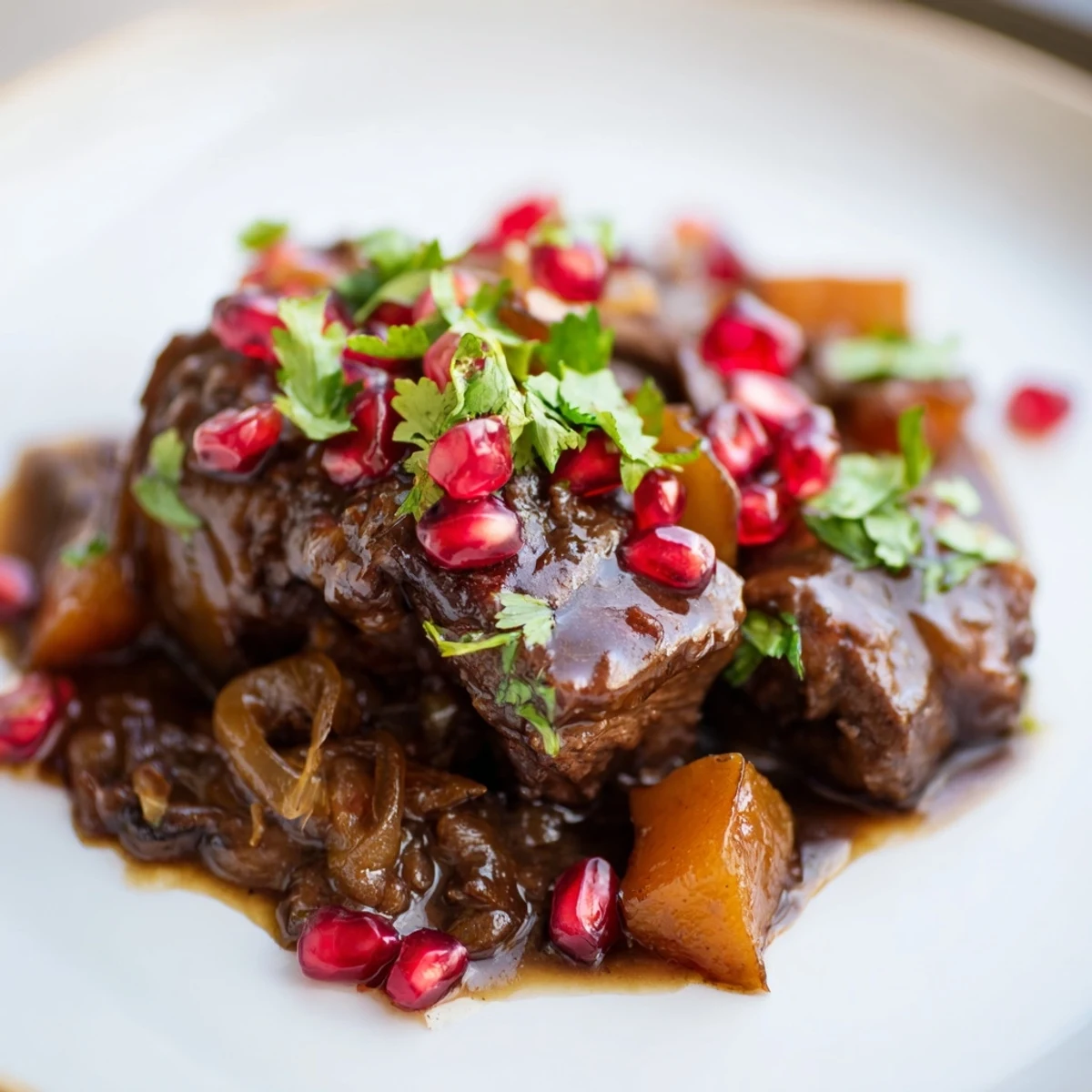
Save This dish features a bone-in lamb shoulder slow-braised with a blend of warm spices including cumin, coriander, and cinnamon. Aromatics like onions, garlic, carrots, and celery add depth, while pomegranate juice and molasses introduce a tangy, sweet glaze that balances the richness. Cooked low and slow, the lamb becomes tender and flavorful, with a luscious sauce garnished by fresh herbs and pomegranate seeds. Ideal for special gatherings, it pairs beautifully with couscous or rice.
There's something almost meditative about watching a lamb shoulder transform in the oven, the kitchen filling with the scent of cinnamon and cumin as it braises low and slow. I discovered this dish quite by accident, really—I had pomegranate molasses sitting in my pantry left over from a Middle Eastern cooking class, and a beautiful bone-in shoulder from the butcher that seemed to be calling for something special. When I finally combined them with warming spices, the result was so tender and deeply flavored that I've made it countless times since, each version slightly different depending on the season and who's sitting at my table.
I'll never forget the look on my grandmother's face when she tasted this for the first time at a dinner party—she grew up eating similar braised meats, and she kept going back for more, almost as if she was trying to solve the puzzle of what made it taste so familiar yet new. That moment taught me something about food: it doesn't have to be exactly traditional to feel like home to someone.
Ingredients
- Lamb shoulder (4 lb, bone-in): The bone adds depth to your braising liquid, and the marbling ensures the meat stays juicy through the long cook.
- Kosher salt and freshly ground black pepper: Season generously before searing—this is your foundation.
- Olive oil: Use a good quality oil; it matters for the sear and the final flavor.
- Onions, garlic, carrots, celery: These aromatic vegetables build the flavor base and become part of the sauce.
- Ground cumin, coriander, cinnamon, smoked paprika: Toast these spices briefly so they release their oils and depth.
- Bay leaves and fresh thyme: Bay leaves add subtle woodsy notes; thyme brings earthiness.
- Chicken or beef broth: Use homemade if you have it, or good quality store-bought.
- Pomegranate juice and pomegranate molasses: The juice provides body to the sauce, while the molasses adds tartness and complexity that defines this dish.
- Tomato paste: A small amount deepens the savory notes without making the dish taste tomatoey.
- Pomegranate seeds and fresh cilantro or parsley: These garnishes add brightness and a textural contrast to the rich braised meat.
Instructions
- Get your oven ready and season the lamb:
- Preheat your oven to 325°F and pat the lamb shoulder dry with paper towels—this helps it brown better. Season all over with salt and pepper, being generous but not excessive.
- Sear the lamb until it's deeply golden:
- Heat olive oil in a large Dutch oven over medium-high heat until it's almost smoking, then carefully place the lamb shoulder in the pot. You'll hear a satisfying sizzle; let it sit for 4–5 minutes per side without moving it around, so it develops a rich brown crust. Transfer to a plate and set aside.
- Build your flavor base with aromatics:
- In the same pot, add the sliced onions, minced garlic, carrots, and celery, stirring occasionally until the vegetables soften and the onions turn translucent, about 5 minutes. The fond (those brown bits on the bottom) is flavor gold—don't wash it away.
- Wake up the spices:
- Add cumin, coriander, cinnamon, smoked paprika, bay leaves, and thyme, stirring constantly for about 1 minute. Your kitchen should smell incredible right now; that's the signal they're releasing their essential oils. Stir in the tomato paste, coating everything evenly.
- Create your braising liquid:
- Pour in the broth, pomegranate juice, and pomegranate molasses, scraping the bottom of the pot with a wooden spoon to loosen all those caramelized bits. The liquid should look like deep amber.
- Return the lamb and cover tightly:
- Nestle the lamb shoulder back into the pot, nestling it among the vegetables. Cover with a lid or heavy foil, making sure it seals well so the steam stays trapped inside.
- Braise low and slow until tender:
- Transfer the pot to your preheated oven and let it braise undisturbed for 2½ hours. The lamb is done when it's so tender a fork slides through easily and the meat is practically falling off the bone. The wait is worth it.
- Rest and finish the sauce:
- Remove the lamb from the pot and let it rest on a cutting board for 10 minutes—this relaxes the muscle fibers and keeps it juicy when you slice it. While it rests, skim any excess fat from the surface of the braising liquid with a spoon or ladle. If you prefer a thicker sauce, simmer it gently on the stovetop for a few minutes until it coats the back of a spoon.
- Slice, plate, and garnish:
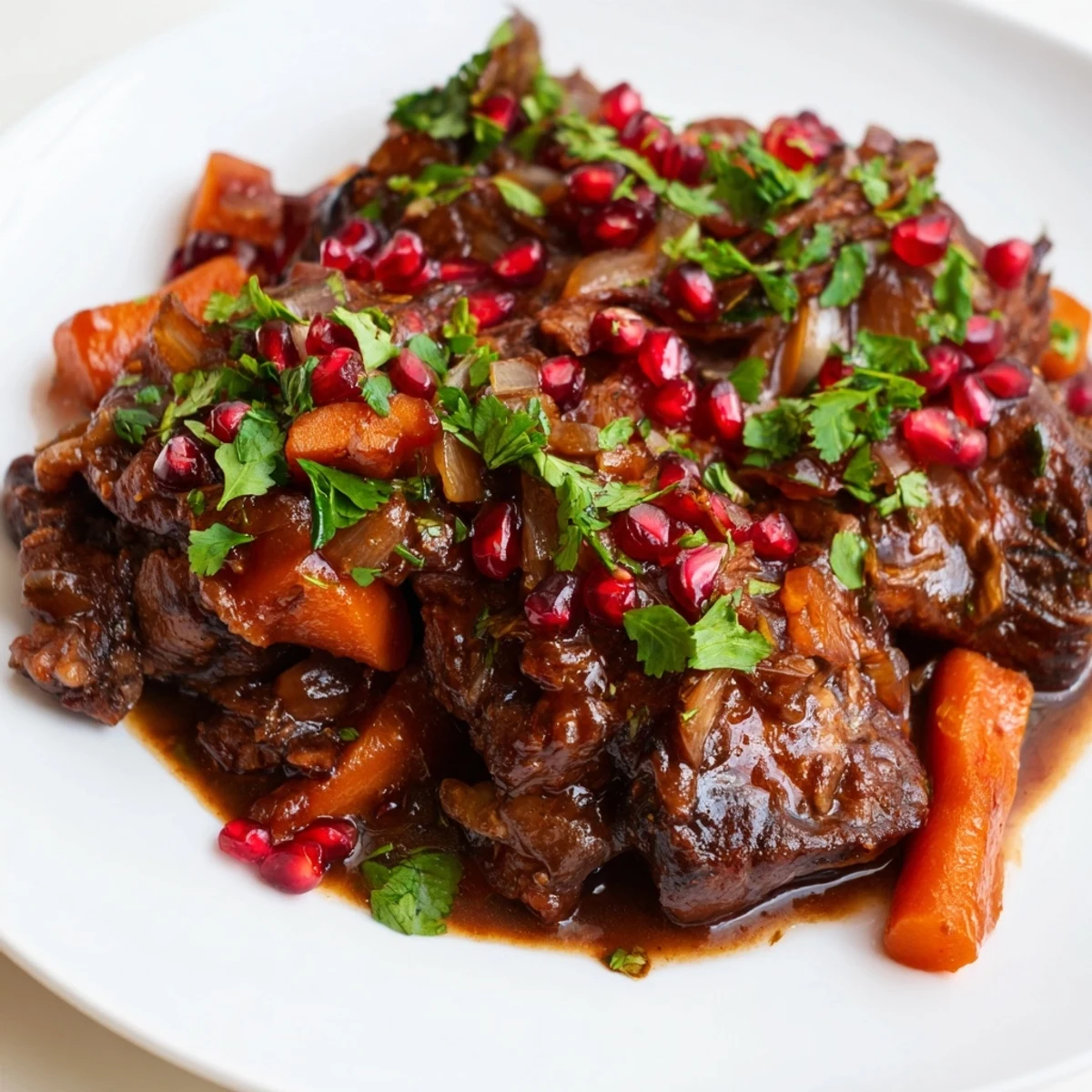
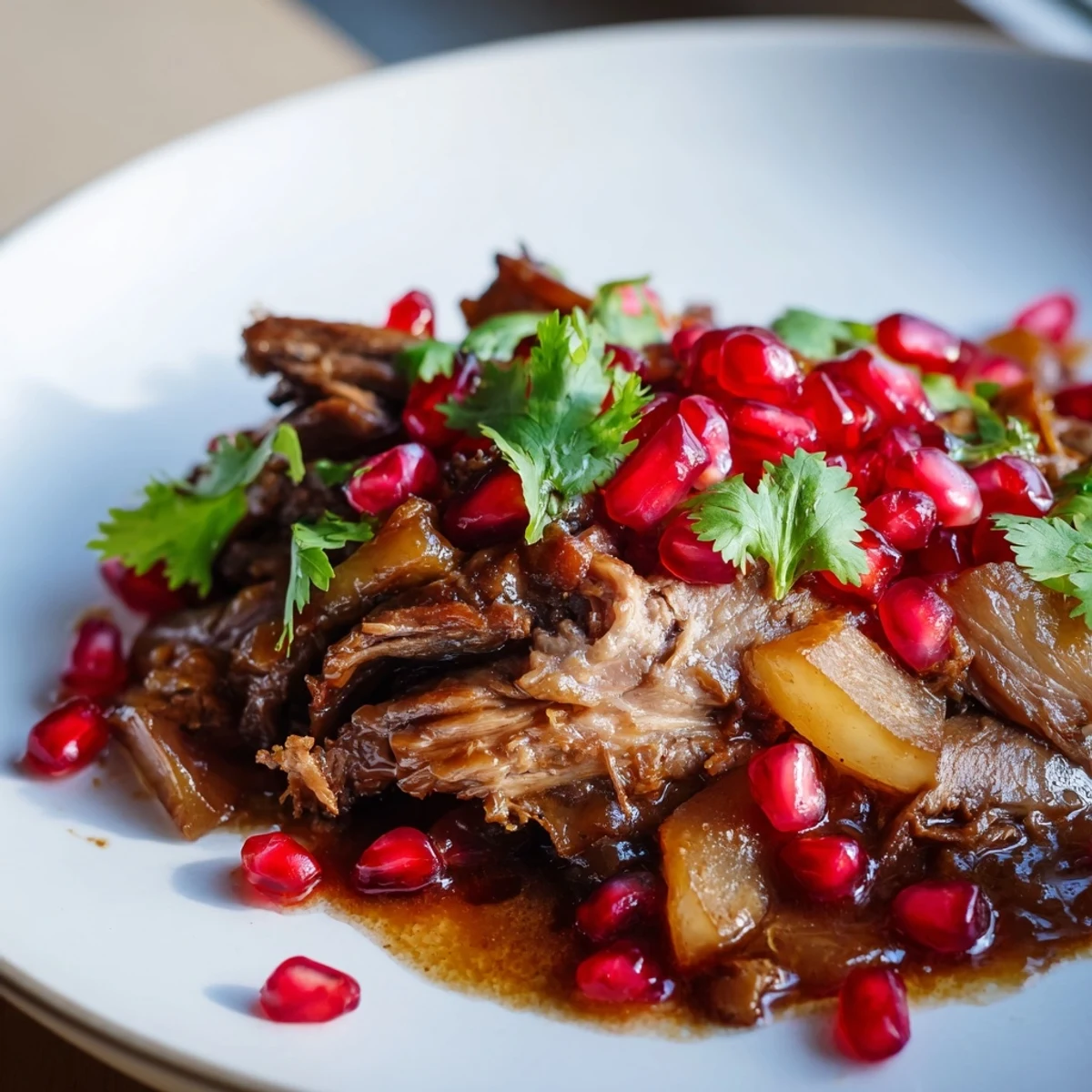
- Slice or shred the lamb depending on how tender it is, then arrange it on a serving platter or individual plates. Spoon the rich sauce over the meat, scatter pomegranate seeds across the top for tartness and color, and finish with a handful of fresh cilantro or parsley for brightness and aroma.
 Save
Save Years into making this dish, I realized that the pomegranate seeds scattered at the end weren't just decoration—they were a small moment of joy in every bite, a burst of tartness that cut through the richness and reminded you why this meal felt special. It's those little details that transform a recipe from something you follow to something you understand.
What to Serve Alongside
This braised lamb is rich and complex, so it needs something to balance it out. Couscous soaks up the sauce beautifully and adds a subtle texture contrast, while fluffy white rice lets the sauce shine without competing for attention. If you're going for something more rustic, warm flatbread—whether store-bought or homemade—is perfect for scooping up every last drop of that pomegranate-kissed braising liquid.
Make It Ahead and Storage
One of the best things about this dish is that it actually tastes better the next day, once all the flavors have had time to meld together. You can braise the lamb up to two days in advance, store it in an airtight container in the refrigerator, and simply reheat it gently on the stovetop before slicing and serving. The meat also freezes beautifully for up to three months—just thaw it overnight in the refrigerator and warm it through slowly so it doesn't dry out.
Variations and Substitutions
While this recipe is designed specifically for lamb shoulder, the technique is adaptable to other cuts and meats if you're working with what you have on hand. Beef chuck roast braises beautifully using the same method and timing, though the final flavor will be earthier and less gamey. You can also play with the spice blend—adding a pinch of turmeric or a stick of cinnamon, or swapping fresh mint for some of the cilantro if that's what's growing in your garden. If you can't find pomegranate molasses, you can make a substitute by reducing pomegranate juice on the stovetop with a touch of sugar until it thickens, though it won't have quite the same complexity.
- Try marinating the lamb overnight in the spices and pomegranate molasses for even deeper flavor infusion.
- Add dried apricots or fresh figs to the braising liquid for subtle sweetness that complements the tartness.
- A splash of pomegranate molasses stirred into yogurt makes an excellent side sauce for serving.
 Save
Save This dish reminds me why I love cooking—it takes patience, good ingredients, and a little faith in the process, and what emerges is something that feels like love on a plate. Serve it to people you care about and watch their faces light up.
Recipe Questions & Answers
- → What cut of meat is best for this dish?
-
A bone-in lamb shoulder is ideal due to its marbling and connective tissue, which breaks down during slow braising for tender results.
- → Can I substitute the lamb with another meat?
-
Yes, beef chuck roast works well as an alternative, offering similar texture and flavor after slow cooking.
- → How long should the lamb be cooked?
-
It needs about 2½ hours of braising at a low temperature to become tender and nearly falling off the bone.
- → What role does pomegranate molasses play in this dish?
-
Pomegranate molasses adds a tangy sweetness that balances the rich meat and spices, creating a flavorful glaze and sauce.
- → Are there suggested side dishes to serve with it?
-
Serving with couscous, rice, or flatbread complements the lamb and helps soak up the flavorful sauce.