
 Save
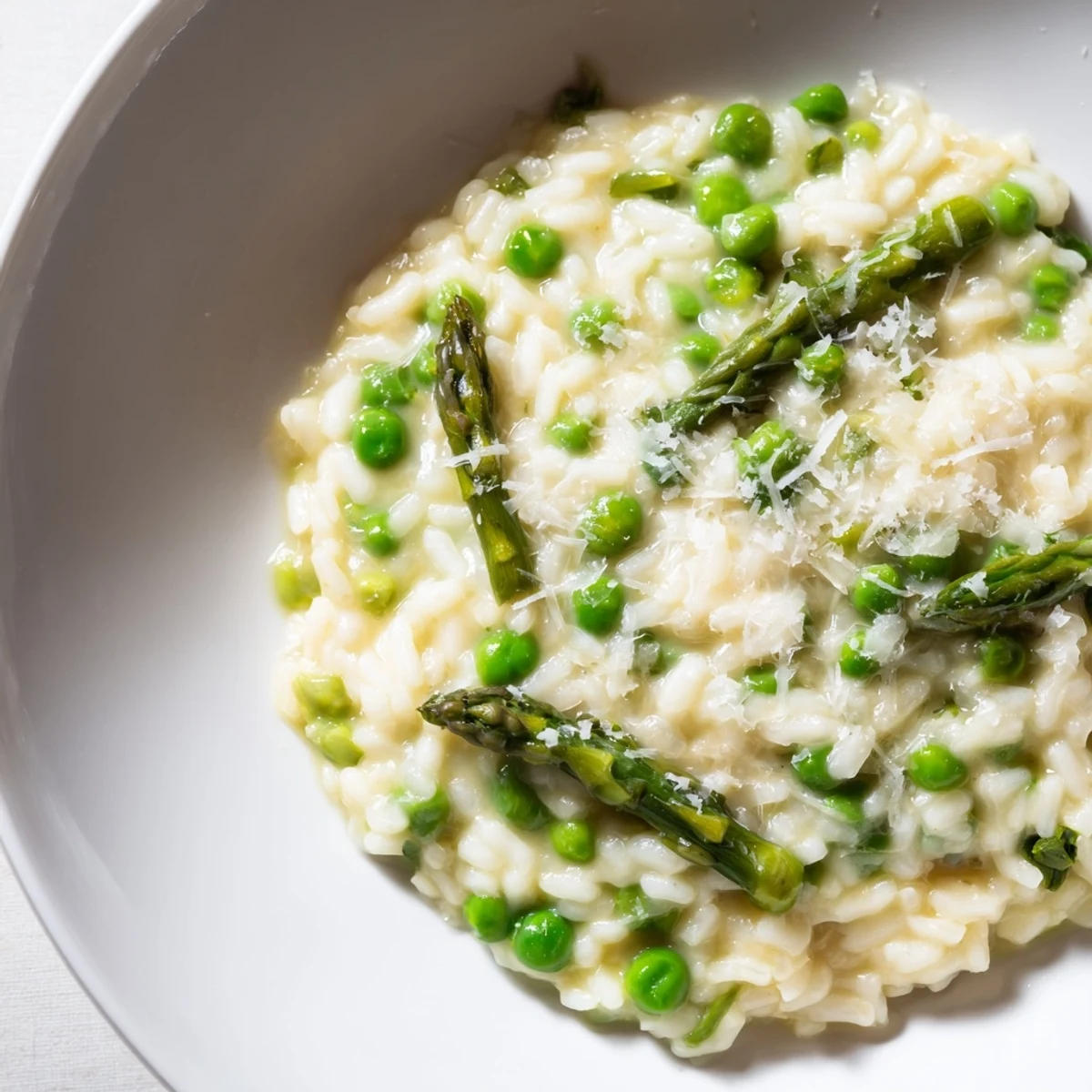
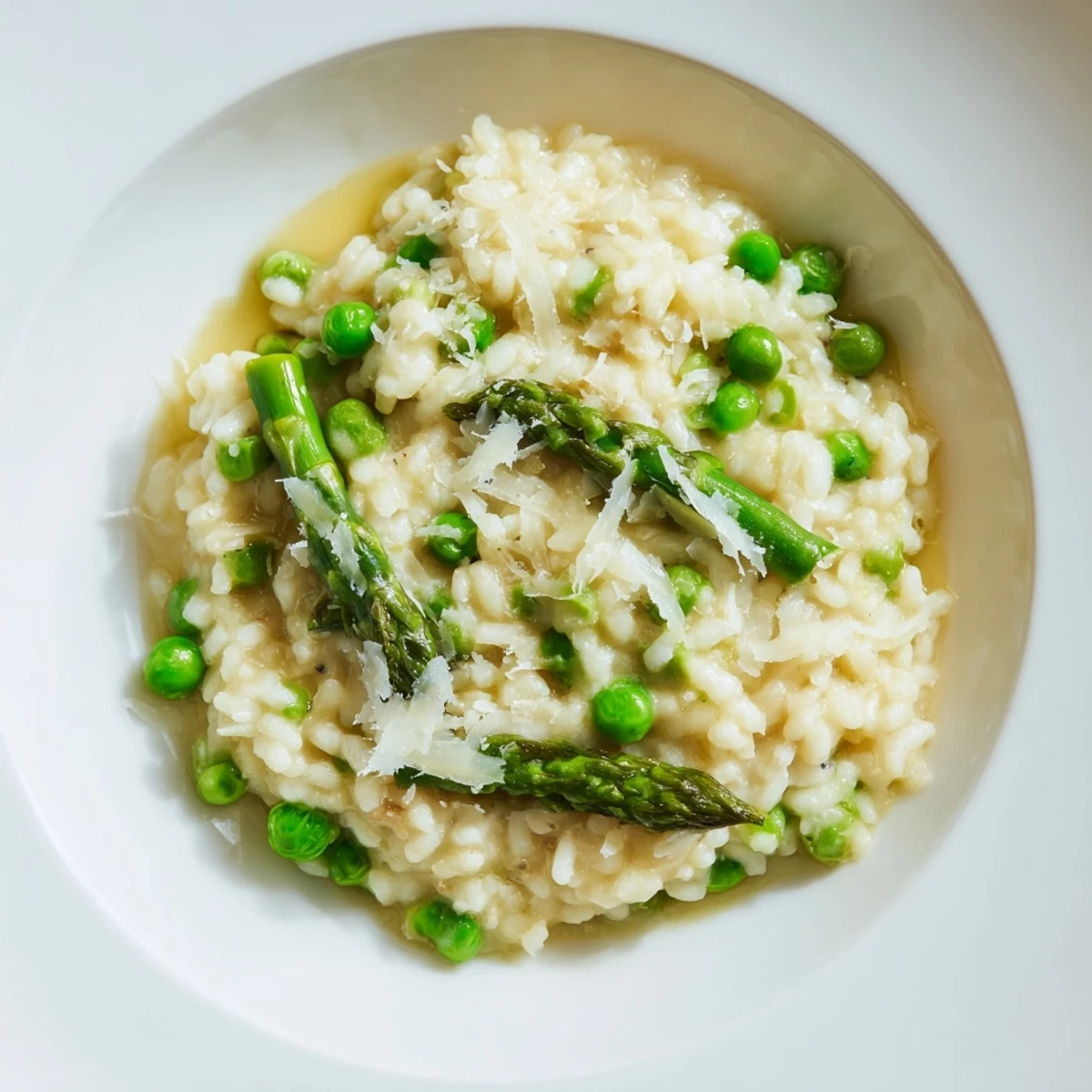
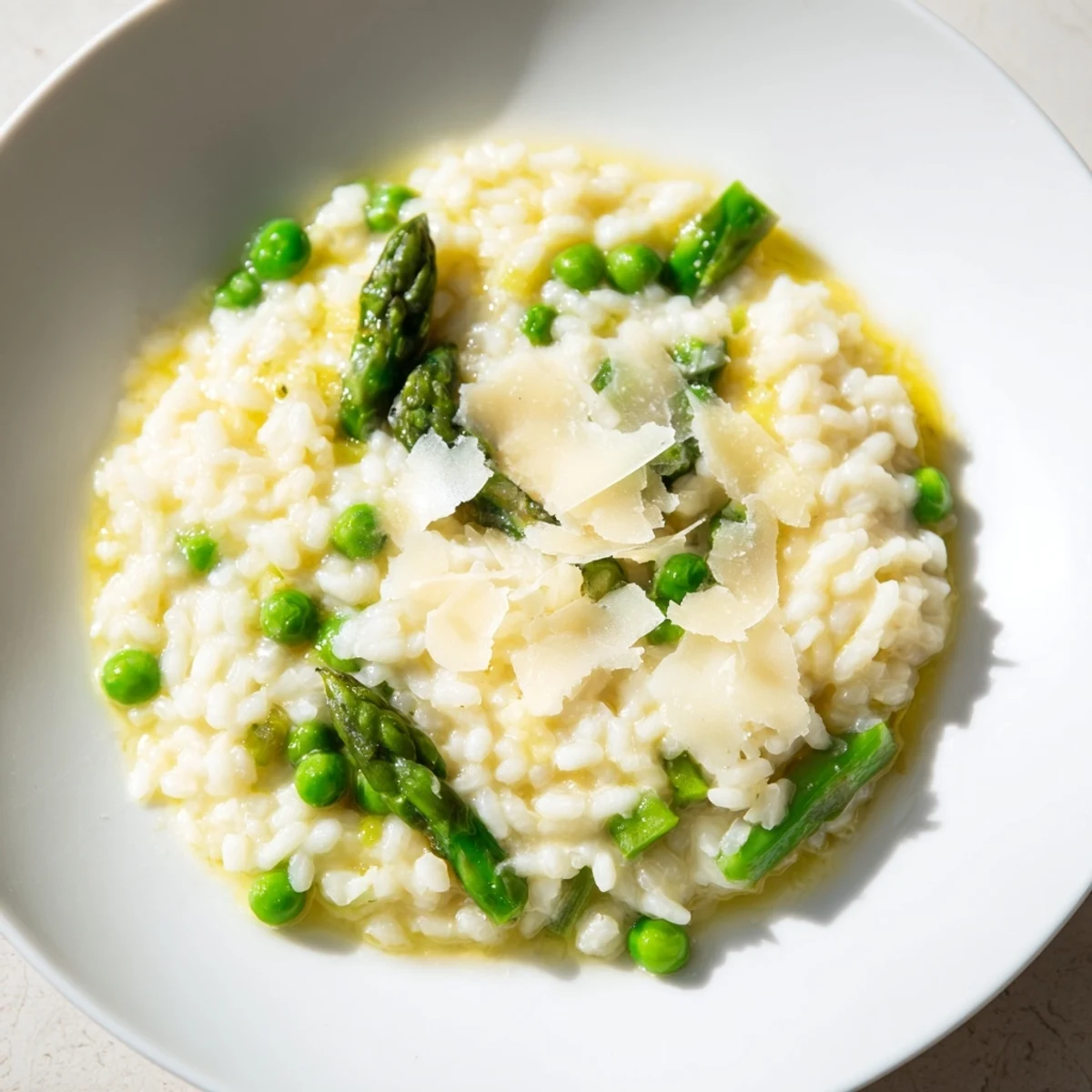
Save This dish features Arborio rice slowly cooked with vegetable broth and white wine until creamy and tender. Fresh asparagus and sweet peas are stirred in mid-cooking to retain their texture and color. Butter, Parmesan cheese, and optional cream add richness and depth of flavor. Seasoned with salt, pepper, and lemon zest, it makes a warm, comforting plate ideal for spring or any cozy meal.
Careful stirring ensures a silky consistency and perfectly cooked grains. The balance between vegetable freshness and creamy base delivers a satisfying experience. Garnish with extra Parmesan or herbs for added brightness. Suitable for vegetarian diets, with easy vegan adjustments.
The first time I made risotto properly, I stood at the stove stirring for what felt like forever, convinced Id ruined it when the rice still had a bite. Then I stirred in that final knob of butter and watched the whole thing transform into something impossibly creamy and restaurant-worthy. This asparagus and pea version became my spring go-to because those bright green vegetables make it feel lighter, even though its every bit as indulgent.
I made this for friends on a rainy April evening when we were all craving something cozy but not heavy. The kitchen smelled like garlic and butter, and when I finally served it, we ate standing up around the stove because nobody could wait for me to actually plate it properly.
Ingredients
- 1 bunch fresh asparagus: Trim the woody ends and cut into small pieces so they cook evenly and dont need pre-boiling
- 1 cup peas: Frozen work beautifully here and add pops of sweetness throughout
- 1 medium onion: Finely chopped so it melts into the rice without detectable pieces
- 2 cloves garlic: Minced fresh because it forms the aromatic foundation
- 1 ½ cups Arborio rice: This short-grain rice releases starch that creates that signature creamy texture
- 4 cups vegetable broth: Keep it warm in a separate pan so adding it doesnt interrupt the cooking process
- ½ cup dry white wine: Adds acidity that balances the richness, but skip it if you prefer
- 3 tablespoons unsalted butter: Divided use, one for starting and one for that luxurious finish
- ¾ cup freshly grated Parmesan: Grate it yourself for the best melt and flavor
- 2 tablespoons heavy cream: Optional but makes it even more velvety if youre feeling indulgent
- Salt and black pepper: Season gradually and taste as you go
- Zest of 1 lemon: Adds brightness that cuts through the richness beautifully
Instructions
- Build your flavor base:
- Melt 2 tablespoons butter in a large heavy pan over medium heat. Cook the onion for 3 to 4 minutes until translucent, then stir in garlic for 1 minute more until fragrant.
- Toast the rice:
- Add the Arborio rice and stir constantly for 2 minutes. The grains should look slightly translucent at the edges and smell nutty.
- Deglaze with wine:
- Pour in the white wine and stir until almost completely absorbed, about 1 to 2 minutes. The rice will start to look glossy.
- The slow addition:
- Add warm broth one ladleful at a time, stirring gently and letting each addition absorb before adding more. Continue this rhythm for about 15 minutes.
- Add the vegetables:
- Stir in the asparagus and peas. Keep adding broth and stirring until rice is creamy with a slight bite and vegetables are tender, 8 to 10 minutes more.
- The final transformation:
- Remove from heat and stir in remaining butter, Parmesan, and cream if using. Season with salt, pepper, and lemon zest to taste.
- Let it rest:
- Cover and let sit for 2 minutes. This brief rest allows the flavors to meld and the texture to set perfectly.
 Save
Save My sister confessed she always made risotto in the pressure cooker until she tasted this version and realized the meditative stirring was worth every minute. Sometimes the extra effort is exactly what makes food feel like love.
The Art of Stirring
You dont need to stir constantly, but frequent gentle stirring helps release starch and prevents sticking. Think of it as a rhythm instead of a chore—add, stir, wait, repeat until everything comes together.
Vegetable Timing
I learned the hard way that adding delicate vegetables too early turns them into mush. Waiting until the rice has cooked for about 15 minutes keeps them bright and tender-crisp, not gray and sad.
Making It Yours
This risotto base works with whatever vegetables you have on hand or whatever looks best at the market. The technique stays the same even when the ingredients change.
- Swap asparagus for thin green beans or zucchini in summer
- Try mushrooms and thyme for a cozy autumn version
- Fresh herbs at the end make everything taste brighter
 Save
Save Risotto waits for no one, so have your bowls ready and your guests gathered before you start that final stirring. Its best enjoyed immediately, surrounded by people who appreciate the care that went into it.
Recipe Questions & Answers
- → How do I achieve a creamy texture in this dish?
-
Constant stirring while gradually adding warm vegetable broth helps release starch from the Arborio rice, creating a naturally creamy texture.
- → When should I add the asparagus and peas during cooking?
-
Introduce asparagus and peas midway through simmering the rice to ensure they stay tender yet crisp and retain their vibrant color.
- → Can I substitute the Parmesan cheese for another ingredient?
-
For a similar umami flavor, nutritional yeast or plant-based cheese alternatives work well, especially for vegan versions.
- → What wine pairs well with this dish?
-
Crisp white wines like Sauvignon Blanc or Pinot Grigio complement the fresh vegetable flavors and creamy texture.
- → Is it necessary to use white wine in the cooking process?
-
White wine adds subtle acidity and depth, but you can omit it and use extra broth with minor flavor variation.