
 Save
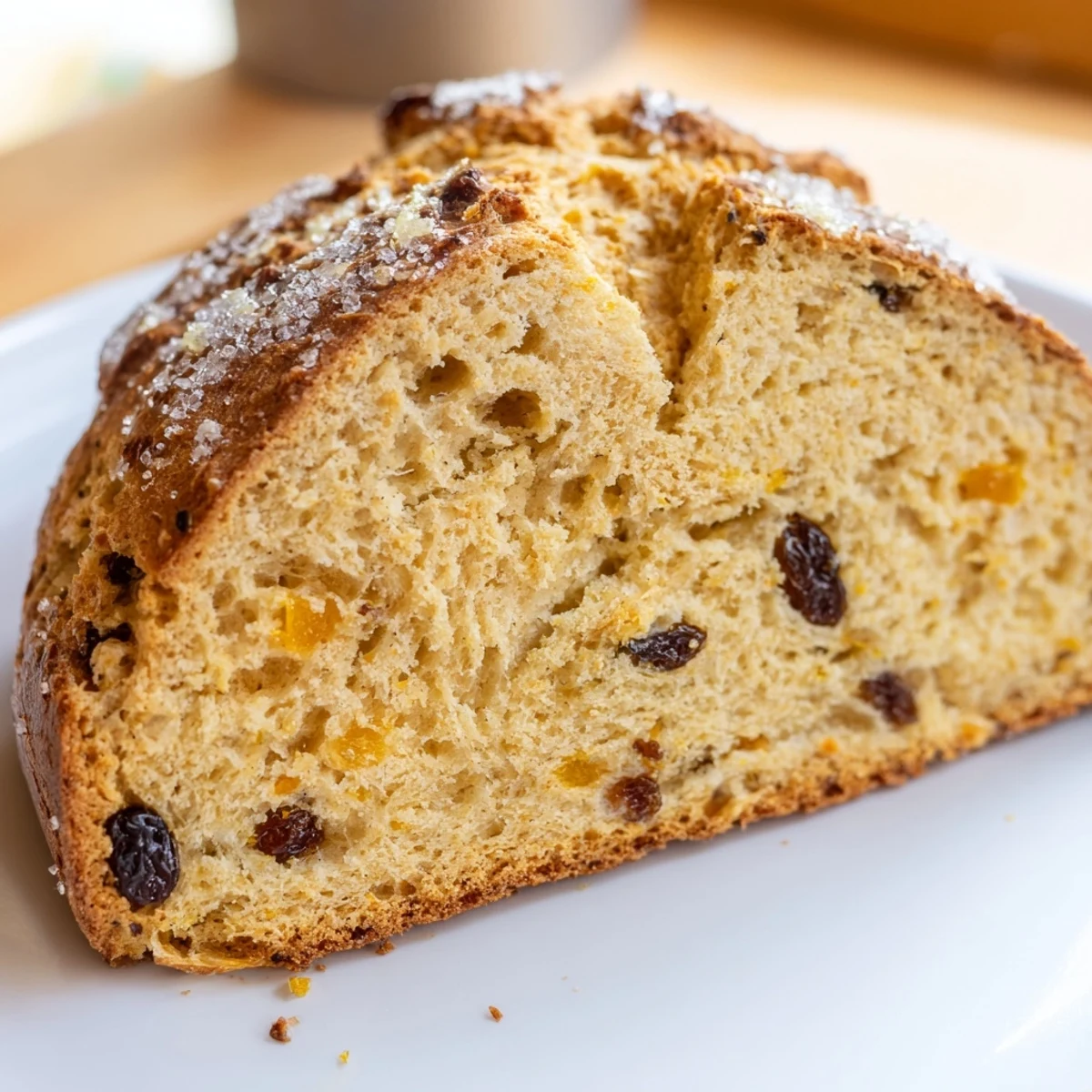
Save This traditional Irish soda bread blends fluffy texture with sweet raisins and vibrant orange zest for a delightful balance of flavors. Ready in under an hour, the dough combines flour, baking soda, and buttermilk for a tender crumb enhanced by gentle kneading. After shaping a round loaf and scoring a deep cross on top, it bakes golden brown with a crisp crust. Cool before slicing to reveal a moist, slightly sweet interior perfect for breakfast or afternoon tea. Variations include swapping raisins for currants or apricots, and serving with butter or honey for an inviting treat.
The first time I baked soda bread, I was skeptical about how something so simple could taste good. My grandmother had mentioned it casually one Sunday, saying it was the bread she made when she was young and money was tight and yeast was hard to find. I tried it on a rainy Tuesday afternoon when the buttermilk in my fridge needed using up, and the house filled with this warm, comforting smell that made everything feel right with the world.
Last winter I made this bread when my sister came over unexpectedly, and we stood at the kitchen counter eating slices warm from the oven with salted butter melting into them. She asked for the recipe before she even finished her first slice, and now she makes it every Sunday morning for her family. There is something about tearing into a freshly baked loaf with people you love that turns ordinary food into a memory.
Ingredients
- All-purpose flour: Four cups create the perfect structure and I have found that measuring by weight (500g) gives the most consistent results
- Granulated sugar: Just a quarter cup adds subtle sweetness that balances the tangy buttermilk without making it dessert-like
- Baking soda: This is your leavening agent and it needs to be fresh so check the expiration date
- Salt: One teaspoon enhances all the flavors and helps the orange zest really sing
- Buttermilk: The acidity activates the baking soda and creates that tender crumb
- Egg: Adds richness and helps the bread hold together better
- Unsalted butter: Melted and cooled it adds flavor without making the dough too heavy
- Raisins: One cup gives you sweet bites in every slice and they rehydrate beautifully while baking
- Orange zest: The zest of one large orange adds this incredible bright fragrance that makes the bread unforgettable
Instructions
- Heat your oven:
- Preheat to 400°F (200°C) and line a baking sheet with parchment paper because the sugars in the dough can caramelize and stick
- Mix your dry ingredients:
- Whisk together the flour, sugar, baking soda, and salt in a large bowl until everything is evenly distributed
- Combine wet ingredients:
- In a separate bowl, whisk the buttermilk, egg, and melted butter until the mixture is smooth and uniform
- Bring it together:
- Pour the wet ingredients into the dry mixture, add the raisins and orange zest, then stir with a wooden spoon just until a shaggy dough forms
- Gentle kneading:
- Turn the dough onto a lightly floured surface and knead gently just until it comes together because overworking will make the bread tough
- Shape the loaf:
- Form the dough into a round loaf about 7 inches across and place it on your prepared baking sheet
- The signature cross:
- Use a sharp knife to cut a deep X across the top of the loaf about half an inch deep which helps the bread bake evenly
- Bake to golden:
- Bake for 35 to 40 minutes until the loaf is golden brown and a skewer inserted in the center comes out clean
- Patience pays off:
- Cool on a wire rack for at least 30 minutes before slicing because cutting into warm bread will make it gummy
 Save
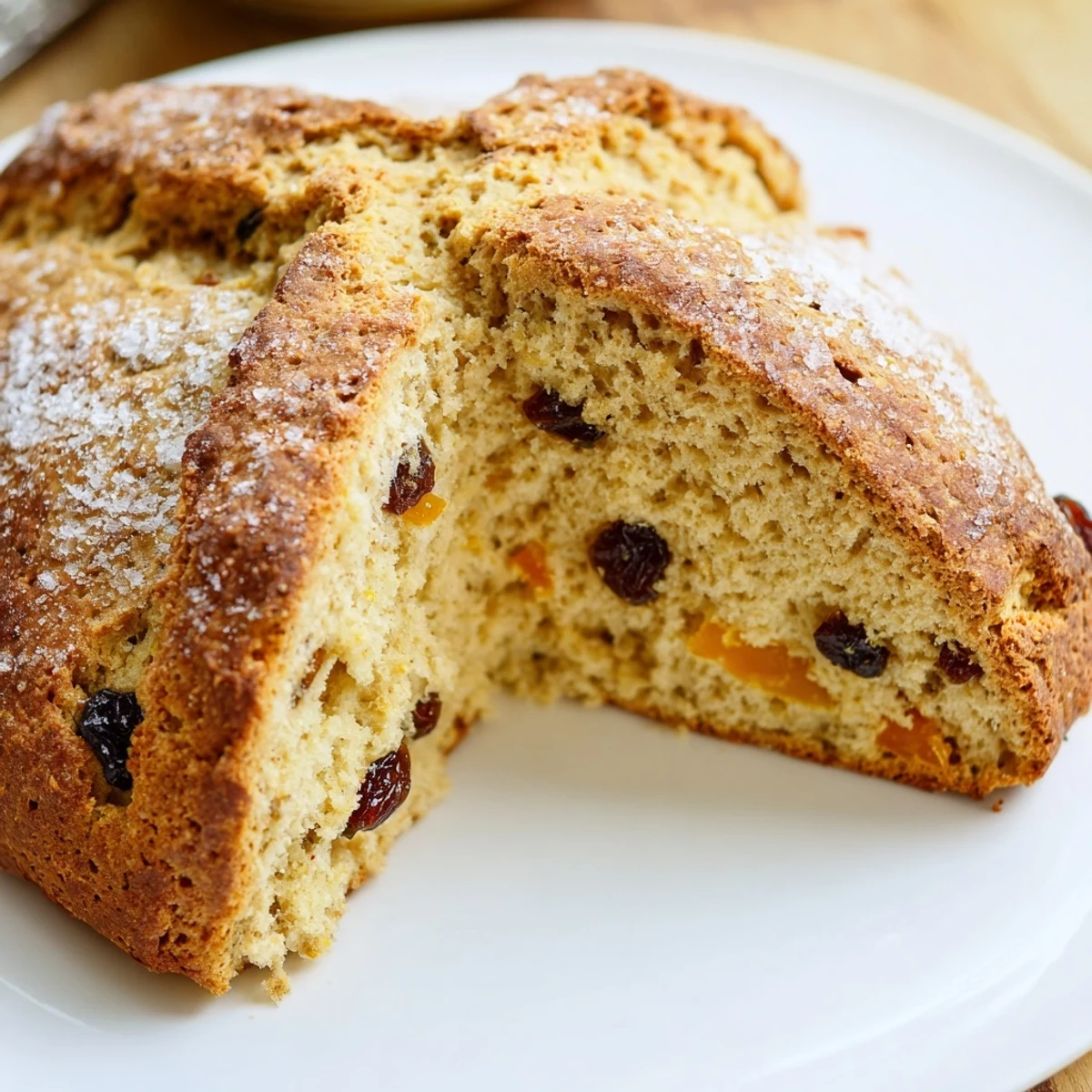
Save This bread has become my go-to when friends need comforting because nothing says home like the smell of fresh baking. I have started keeping extra raisins in the pantry just for those moments when someone needs a warm slice and a listening ear.
Getting the Rise Right
The baking soda needs acidity to activate properly so make sure your buttermilk is fresh and not past its prime. I once used older buttermilk and the bread was dense and heavy instead of light and tender. Also work quickly once you combine the wet and dry ingredients because the chemical reaction starts immediately and you want to capture all that lift in the oven.
Zest Like a Pro
When zesting the orange, avoid the white pith underneath because it is bitter and will ruin the bright flavor you are after. Use a microplane or the smallest holes on your box grater and gently rotate the orange as you go. One large orange should give you about a tablespoon of fragrant zest which is the perfect amount for this recipe.
Make It Your Own
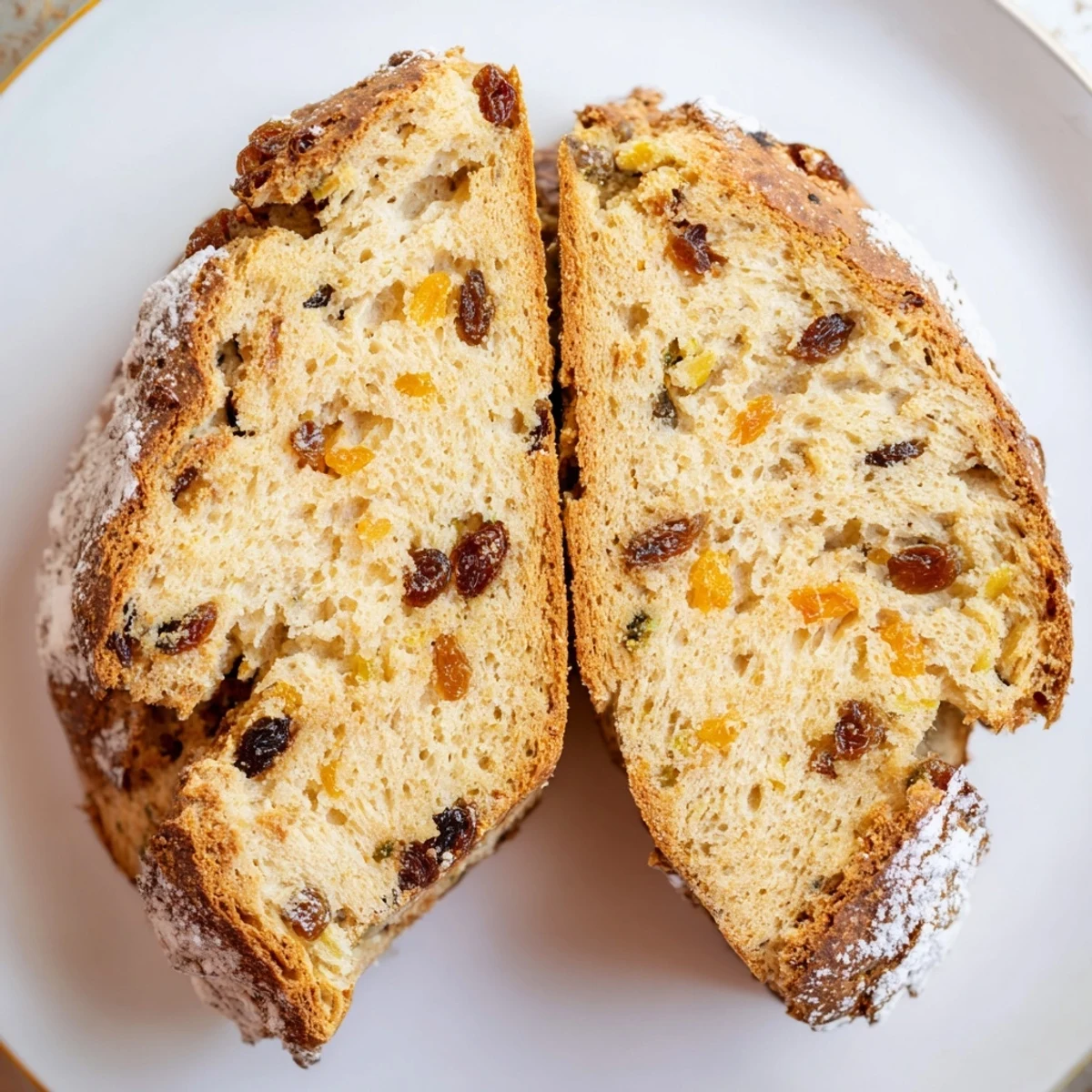
While raisins and orange zest is a classic combination I have experimented with lots of variations over the years. Dried currants work beautifully and have a slightly more intense flavor. Chopped dried apricots give you these tart chewy bits that are unexpected but delicious. You could even add caraway seeds for a more traditional Irish soda bread experience.
- Try swapping half the white flour for whole wheat for a nuttier taste
- Add a handful of chopped pecans or walnuts for extra texture
- Brush the top with heavy cream before baking for a shinier crust
 Save
Save There is something deeply satisfying about making bread that does not require patience or proofing time. Just mixing, shaping, and baking, and suddenly you have something nourishing and warm to share with the people you love.
Recipe Questions & Answers
- → What makes Irish soda bread rise without yeast?
-
The baking soda reacts with the acidic buttermilk to produce carbon dioxide, which helps the bread rise quickly without yeast.
- → Can I substitute another fruit for raisins?
-
Yes, dried currants or chopped dried apricots work well as alternatives, adding their own unique sweetness and texture.
- → Why is the dough kneaded lightly?
-
Gentle kneading develops enough gluten to hold the bread together while keeping the texture tender and crumbly rather than dense.
- → What is the purpose of cutting a cross on the loaf top?
-
Scoring the dough allows steam to escape during baking and promotes even rising, creating the classic soda bread look.
- → How should the bread be stored after baking?
-
Once cooled, wrap the loaf tightly and store at room temperature for up to two days or freeze slices for longer keeping.