
 Save
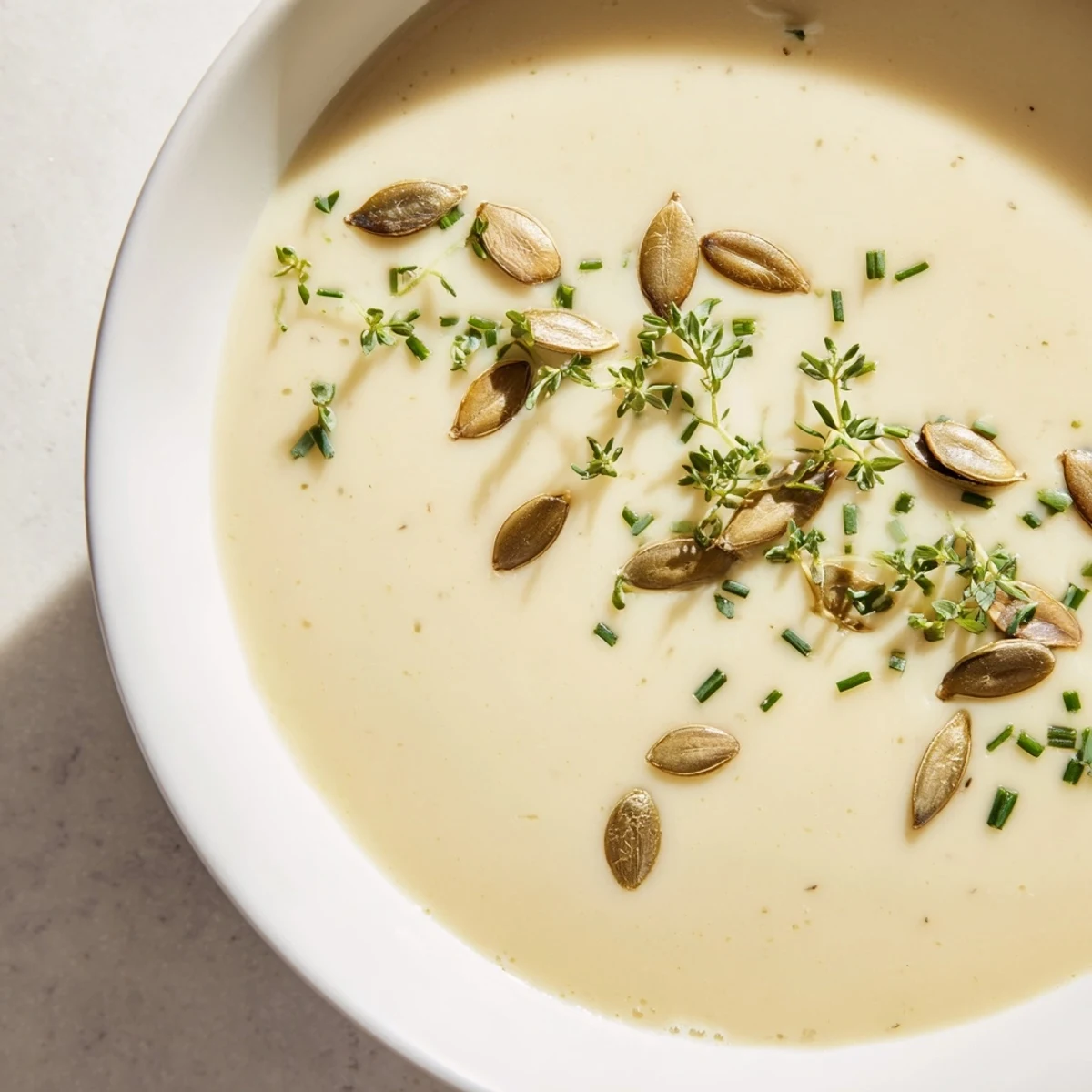
Save This dish offers a velvety blend of parsnips and apples, creating a comforting balance between earthiness and subtle sweetness. Sautéed vegetables build a flavorful base enhanced by fresh herbs and garlic. Slow simmering softens the ingredients before blending into a smooth texture. A splash of cream adds richness, while garnishes like fresh herbs and toasted seeds provide fresh accents. Simple techniques ensure an easy, elegant option ideal for chilled days or as a wholesome starter.
I discovered this creamy parsnip and apple soup quite by accident one autumn evening when I was rifling through the vegetable drawer and found a collection of parsnips that needed using. I'd never really thought of pairing parsnips with apples before, but something about the earthiness and the tartness seemed right. That first bowl, warmed by the kitchen light and topped with a scatter of toasted seeds, became one of my favorite discoveries.
The first time I made this for unexpected guests, I realized halfway through that I had exactly these ingredients on hand. What could have been a panicked moment turned into something I served with actual pride, and three people asked for the recipe before dessert even came around.
Ingredients
- Parsnips (500 g), peeled and chopped: Parsnips are the soul of this soup—they're sweeter than carrots and have an almost nutty depth. I always buy firm ones without soft spots, and peeling them reveals that beautiful cream color inside.
- Apples (2 medium, such as Granny Smith), peeled, cored, and chopped: Granny Smith apples have the right balance of tartness and sweetness. That tart edge keeps the soup from becoming cloying, even with the cream.
- Onion (1 medium), diced: The aromatic base that starts every good soup. Dicing it small means it disappears completely into the cream.
- Celery stalk (1), diced: Just one stalk is all you need—it adds depth without overpowering, and it's one of those ingredients that makes you wonder why it works when you taste it.
- Vegetable stock (900 ml): I use a gluten-free stock out of habit now, but any good quality vegetable stock will do. The better your stock, the better your soup.
- Double cream (150 ml): This is what transforms the soup from nice to luxurious. A plant-based cream works equally well if you're heading vegan.
- Unsalted butter (2 tbsp): The fat that carries flavor and creates that silky foundation. Olive oil is a perfect swap if you prefer.
- Garlic clove (1), minced: Just one clove—you want it as a whisper, not a shout.
- Fresh thyme (1 tsp leaves or ½ tsp dried): Thyme has this almost lemony quality that lifts the earthiness of the parsnips. Fresh is lovely, but dried works just as well.
- Salt and freshly ground black pepper: Season as you taste—this is where you make the soup yours.
- Garnish (optional): Chopped fresh chives or parsley and toasted pumpkin seeds: The garnish is where you add that final flourish of color and texture.
Instructions
- Get everything ready:
- Peel and chop your parsnips and apples first, and set them aside. Dice your onion and celery into small, even pieces—this helps them soften at the same rate. Mince your garlic and measure out your stock. When you're organized like this, the actual cooking becomes almost meditative.
- The part where butter meets vegetables:
- Melt the butter in a large saucepan over medium heat. Listen for that quiet sizzle. Add the onion and celery, and let them cook gently for about 5 minutes, stirring occasionally. You're looking for them to turn golden at the edges and become completely soft. This is flavor building.
- Adding the aromatics:
- Add your minced garlic and thyme, and stir constantly for about 1 minute. This is when your kitchen will suddenly smell incredible—that's the signal you're doing it right.
- The vegetables that matter most:
- Stir in the chopped parsnips and apples. Give them 2 minutes in the heat, stirring gently. The heat will begin to release their natural sugars.
- The slow simmer:
- Pour in your vegetable stock and bring everything to a boil. Once you see the bubbles breaking on the surface, reduce the heat and let it simmer gently for 20 to 25 minutes. The parsnips are done when a fork slides through them without any resistance. You'll know it's right when you can smell that the vegetables have completely softened.
- The transformation:
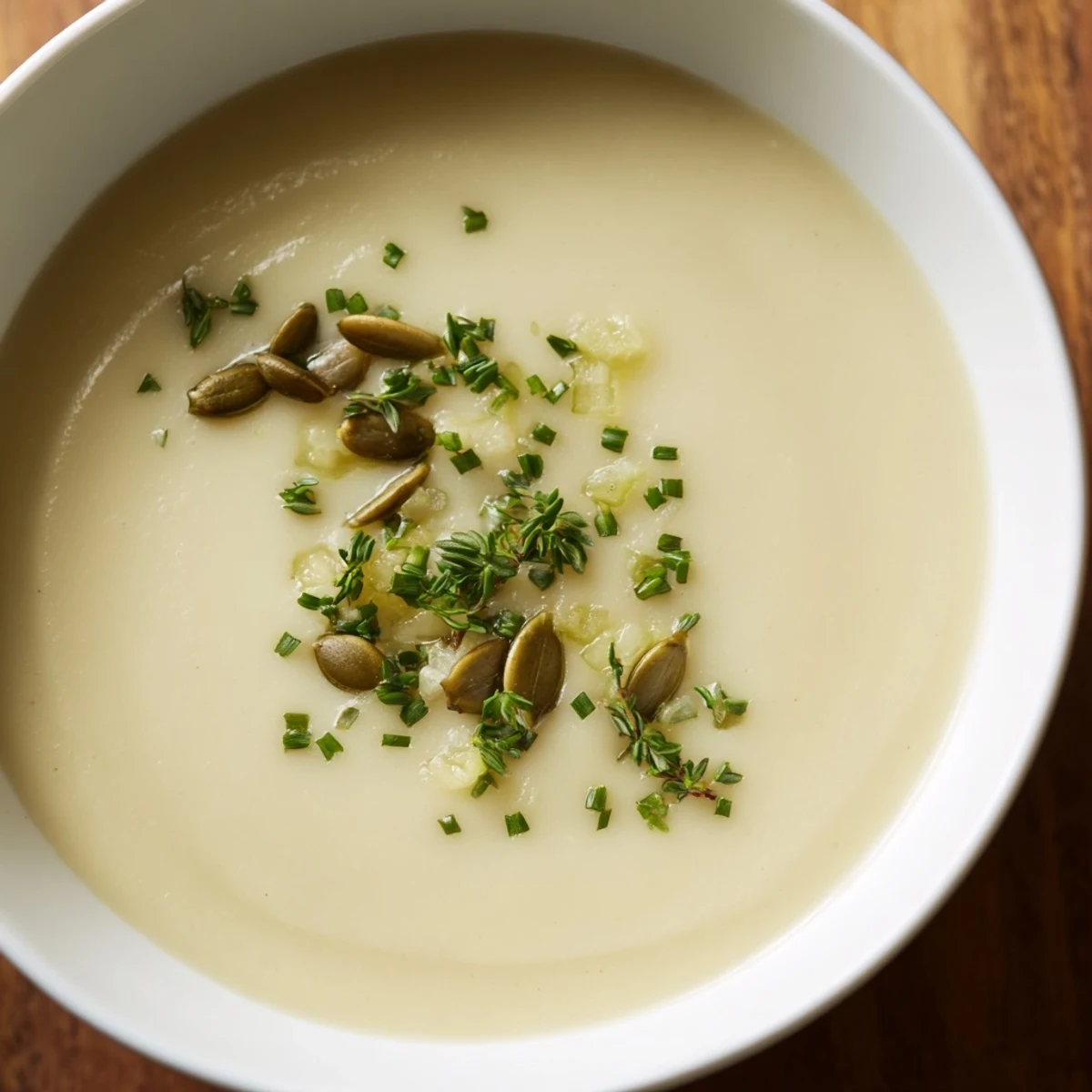
- Remove the pan from the heat and let it cool for just a minute. Now comes the magic—blend the soup until it's completely smooth. Use an immersion blender if you have one (it's less fussy), or carefully work in batches with a countertop blender. Each batch takes just a minute, and suddenly you have something that looks like velvet.
- The final touches:
- Stir in the cream gently and season with salt and pepper to taste. If your soup has cooled too much during blending, return it to medium heat and stir occasionally until it's warmed through again. Taste it now—this is your moment to adjust the seasoning.
- The serving:
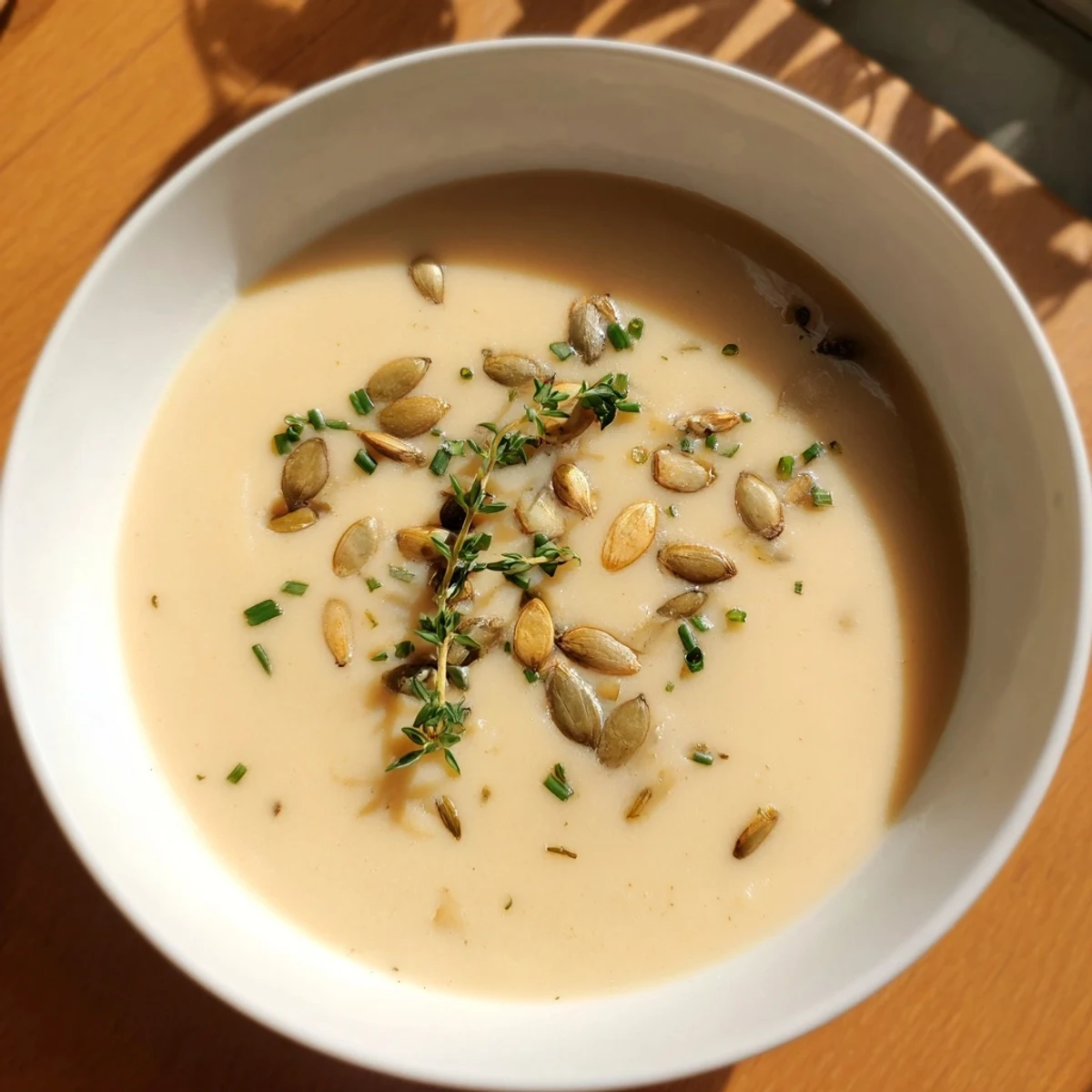
- Ladle the soup into bowls and scatter your garnish over the top. The chives add a fresh bite, and the toasted pumpkin seeds bring texture and earthiness that echoes the parsnips underneath.
 Save
Save What stays with me most about this soup is a moment in early winter when my mother came to visit and we sat at the kitchen table with big bowls of it, steam rising up and warming our faces while we talked for hours. It became one of those dishes that means comfort and home in a way that's hard to put into words.
Keeping It Fresh
This soup keeps beautifully in the refrigerator for up to 4 days in a sealed container, which means you can make it ahead and have it waiting for you on busy evenings. The flavors actually deepen after a day, so it's one of those dishes that improves with patience. When you're ready to eat, simply reheat gently over medium heat, stirring occasionally so it warms evenly. If it thickens slightly after sitting, just stir in a splash of stock or cream as you warm it through.
When You're Missing Something
This is where you can make the recipe entirely your own. For extra depth, add a pinch of nutmeg when you stir in the cream—just a whisper of it, enough that people taste it without knowing what it is. A splash of apple cider vinegar at the end brings brightness if the soup feels too rich. If you don't have double cream, regular heavy cream works, or you can thin it with a bit of stock. And if parsnips seem elusive at your market, carrots will give you sweetness though with less earthiness, or even a diced potato for that comforting quality.
Serving Ideas That Clicked
This soup feels most at home when served with something crusty to dip into it—a thick slice of sourdough or ciabatta that you can drag through that cream. A crisp white wine sits beautifully alongside, especially something with good acidity. For a more substantial meal, I've served it alongside a simple green salad with a sharp vinaigrette to cut through the richness. On colder nights, I pair it with warm cheese and bread, turning it into the kind of dinner that feels more like an embrace than a meal. And there's something lovely about ending it all with a small, dark chocolate—the slight bitterness echoes the apples beautifully.
- Make double and freeze half in portion-sized containers for nights when you need comfort food without effort
- The garnish is where you add your personal touch—try crispy sage leaves instead of chives, or a drizzle of hazelnut oil if you're feeling fancy
- Serve it in mugs if you're eating it as a starter, or in wider bowls if it's the main event
 Save
Save This soup is one of those quiet victories that happens in a home kitchen—simple ingredients that transform into something that feels both nourishing and celebratory. I hope it becomes as much a part of your cooking life as it's become a part of mine.
Recipe Questions & Answers
- → What type of apples work best in this dish?
-
Tart apples like Granny Smith provide a nice balance to the earthiness of parsnips, offering both sweetness and acidity.
- → Can I make this dish vegan-friendly?
-
Yes, substitute butter with olive oil and use plant-based cream alternatives to maintain its creamy texture without dairy.
- → How should the texture be after blending?
-
The texture should be smooth and velvety, ensuring all ingredients are fully pureed for a comforting mouthfeel.
- → What garnish options enhance the flavors?
-
Chopped fresh herbs like chives or parsley and toasted pumpkin seeds add fresh notes and a pleasant crunch.
- → Is it possible to add other seasonings?
-
A pinch of nutmeg or a splash of apple cider vinegar at the end enhances complexity without overpowering the natural flavors.