
 Save
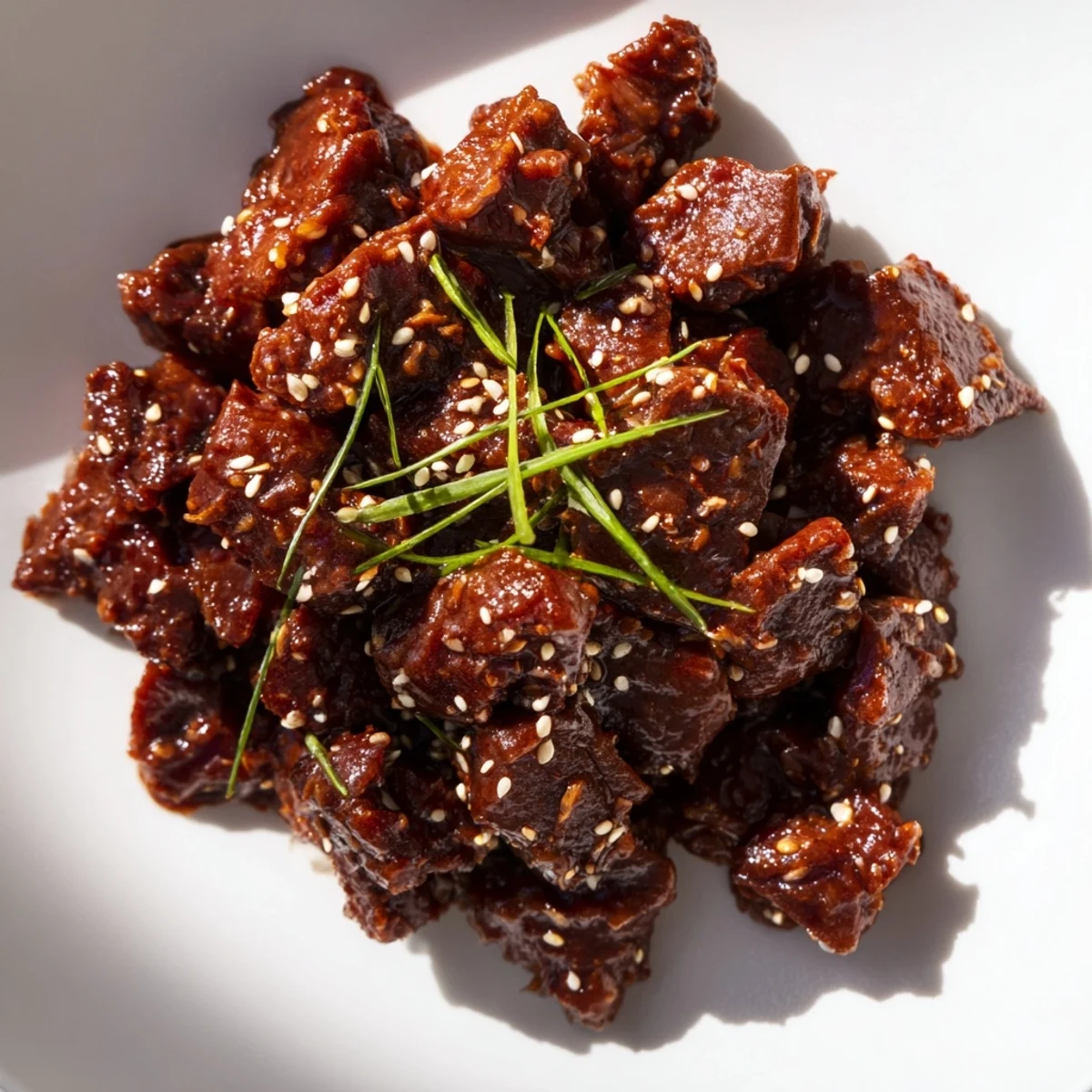
Save Prepare tender Korean beef by slow-cooking beef chuck roast in a flavorful sauce of soy sauce, brown sugar, sesame oil, rice vinegar, garlic, ginger, and gochujang. The crock pot does all the work, creating melt-in-your-mouth beef that's perfect for serving over rice or in lettuce wraps. This easy dish delivers authentic Korean flavors with minimal effort, making it ideal for busy weeknights.
The smell of caramelized soy sauce and ginger hitting the slow cooker that morning stopped me in my tracks. I had prepped this Korean beef while half-awake, rushing to get the kids to school and myself to a meeting, but by afternoon my entire kitchen smelled like a tiny, miraculous restaurant. My husband walked through the door, took a deep breath, and immediately asked what special occasion I was cooking for. That Tuesday dinner became one we still talk about.
I first made this for a friend recovering from surgery who needed something comforting but not heavy. She texted me three days later admitting she had eaten the entire batch straight from the container while standing at her kitchen counter at midnight. Now whenever someone needs a meal that says I care without saying I spent six hours chained to my stove, this is what I make.
Ingredients
- 2 lbs beef chuck roast: Chuck roast becomes impossibly tender after hours of slow cooking, shredding into silky threads that soak up every bit of that Korean sauce
- 1/2 cup low-sodium soy sauce: Using low-sodium lets you control the salt level while still getting all that deep umami foundation
- 1/3 cup brown sugar: The molasses notes in brown sugar create this gorgeous caramelized sweetness that balances the salty elements perfectly
- 1/4 cup sesame oil: Toasted sesame oil adds that unmistakable nutty aroma that makes Korean food smell like coming home
- 1/4 cup rice vinegar: This adds just enough brightness to cut through the richness and keep every bite feeling balanced
- 4 cloves garlic: Fresh garlic melts into the sauce, mellowing out while still giving you that aromatic punch
- 2 tablespoons fresh ginger: Grated fresh ginger brings warmth and zing that powdered ginger just cannot replicate
- 2 tablespoons gochujang: Korean chili paste gives you heat with complexity, not just burn, plus this fermented depth that makes people ask what your secret ingredient is
- 1 large onion: Sliced onion becomes sweet and soft, almost melting into the sauce while adding body and sweetness
- Green onions and sesame seeds: Fresh green onions add crisp contrast and sesame seeds bring this nutty crunch on top
Instructions
- Whisk together your sauce:
- In a medium bowl, combine soy sauce, brown sugar, sesame oil, rice vinegar, garlic, ginger, gochujang, cornstarch, and black pepper until the mixture is completely smooth and the sugar has dissolved.
- Layer the beef and onion:
- Place your beef cubes and sliced onion in the crock pot, arranging them in an even layer so everything cooks uniformly.
- Pour and coat:
- Pour that gorgeous sauce over the beef and onions, then stir gently until every piece is coated in the mixture.
- Let it work its magic:
- Cover and cook on LOW for 6 to 7 hours until the beef is tender enough to shred easily with a fork.
- Finish and serve:
- Skim any excess fat from the top, shred the beef with two forks, and mix everything well with the sauce before serving over rice or in lettuce wraps with your garnishes.
 Save
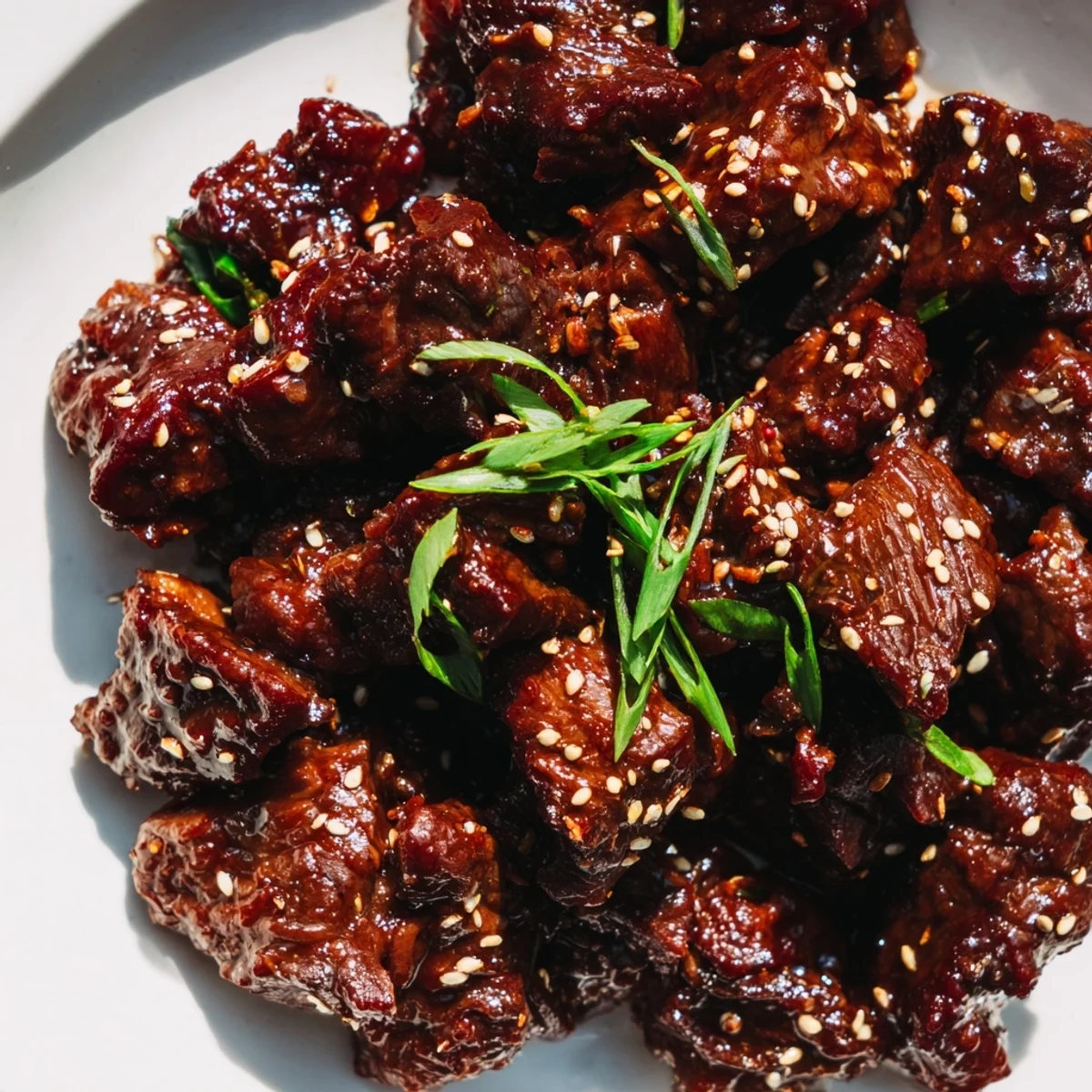
Save Last winter my neighbor smelled this cooking through our shared wall and showed up with a container of kimchi, having assumed I was making a Korean feast. We ended up eating together at my tiny kitchen table, her kimchi and my beef, while our kids watched movies in the other room. Some recipes are just meant to be shared.
Making It Your Own
I have learned that the heat level is entirely personal and adjustable. Some days I want gentle warmth and stick with the gochujang as written. Other days, especially when it is cold and gray outside, I add Korean chili flakes until my husband asks if I am trying to prove something.
Serving Ideas
Rice is classic and perfect for soaking up all that sauce, but lettuce wraps turn this into something lighter and fresher. I have also served it over steamed bok choy or even stuffed into baked sweet potatoes when I want something unexpected.
Meal Prep Magic
This recipe lives in my Sunday meal prep rotation. I make a double batch, portion it into containers, and suddenly my week feels manageable. The flavors get more intense overnight, which is actually a scientific reason to look forward to Tuesday lunch.
- Freeze portions in airtight containers for up to three months
- Thaw overnight in the refrigerator for an almost instant dinner
- Add fresh garnishes right before serving to keep everything bright
 Save
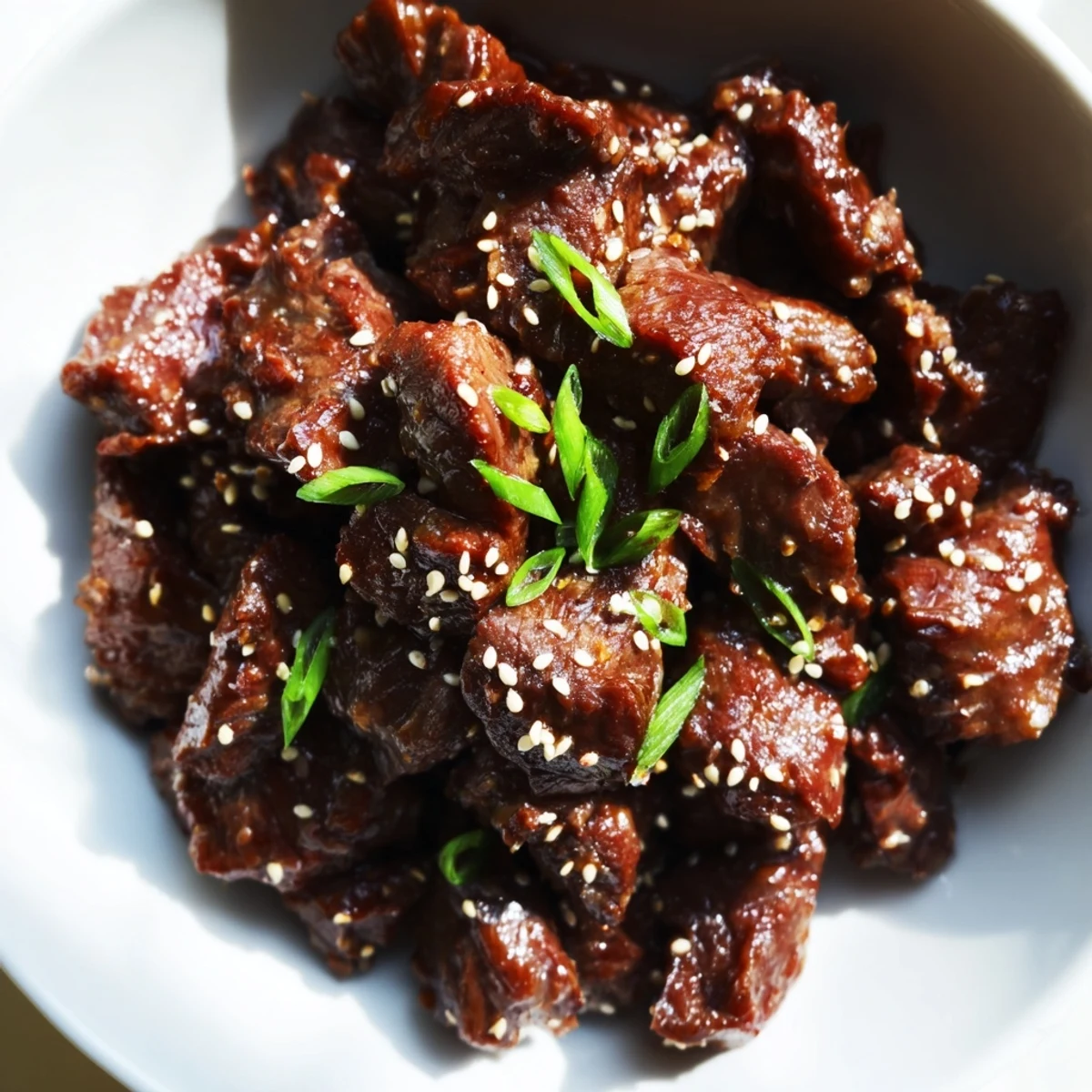
Save There is something profoundly satisfying about a meal that takes almost no effort but tastes like you cared deeply about every ingredient. This Korean beef is exactly that, the kind of recipe that makes people feel special without making you crazy.
Recipe Questions & Answers
- → What type of beef works best for this dish?
-
Beef chuck roast is ideal as it becomes incredibly tender when slow-cooked. The marbling and connective tissues break down beautifully during the long cooking process, resulting in juicy, shreddable beef.
- → Can I adjust the heat level?
-
Yes! For extra heat, add 1-2 teaspoons of Korean chili flakes (gochugaru). You can also substitute gochujang with sriracha, though the flavor profile will be different. Start with a small amount and taste as you go.
- → What sides pair well with this Korean beef?
-
This dish pairs perfectly with jasmine or short-grain rice. For a lighter option, serve in lettuce wraps. It also complements steamed vegetables like broccoli or carrots added during the last hour of cooking.
- → How long does the beef need to cook?
-
Cook on LOW for 6-7 hours until the beef is tender and easily shredded with a fork. The long, slow cooking process is essential for developing the rich flavors and tender texture.
- → Can I make this gluten-free?
-
Yes, simply use gluten-free soy sauce and certified gluten-free gochujang. The cornstarch can be substituted with arrowroot powder or omitted if needed. Always check labels for hidden gluten in other ingredients.