
 Save
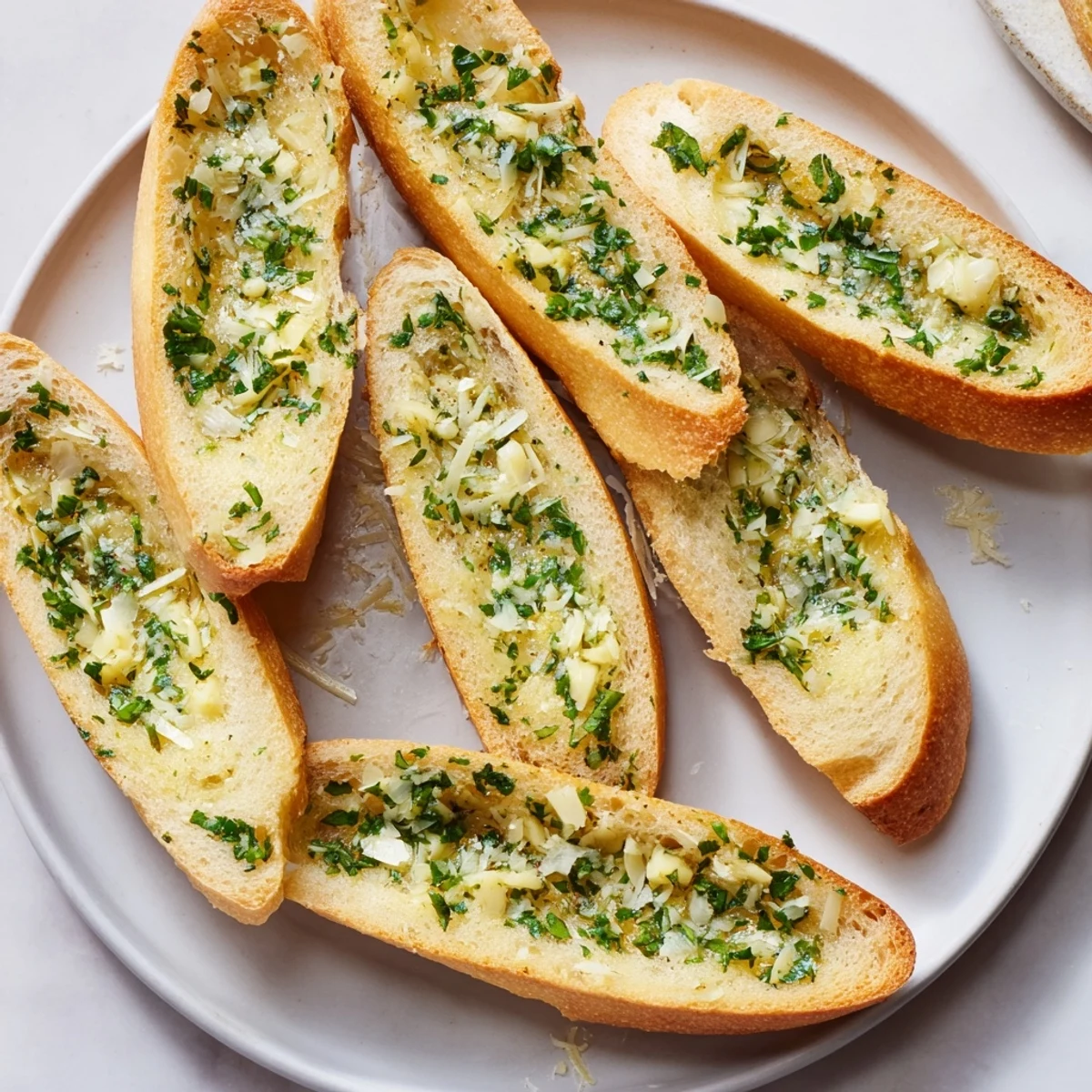
Save This dish features crusty bread generously layered with a smooth blend of garlic, butter, and fresh parsley. After spreading the flavorful mixture over sliced bread, it’s baked until the edges turn golden and the butter melts throughout. Optional Parmesan adds a savory touch. Perfect for pairing alongside pasta, salads, or soups, this easy-to-make side offers rich, aromatic flavors with minimal preparation and cook time.
There's something about the smell of garlic and butter toasting in the oven that stops everyone in their tracks. My mom used to make garlic bread on Friday nights when my dad would bring home takeout, and somehow her homemade version always tasted better than the stale stuff from the restaurant bag. I've since learned it's not magic—it's just butter, garlic, and a little patience in the oven. Now it's become my reliable answer whenever someone asks what to bring to dinner.
I remember making this for a dinner party once and completely forgetting I'd put the bread in the oven. My friend called out from the living room asking if something smelled amazing, and I panicked—but when I checked, those edges were just barely golden and the butter was bubbling around them like it was meant to be. Everyone fought over the crispy pieces, and I learned that day that slight browning is actually your friend.
Ingredients
- 1 medium baguette or Italian loaf: A crusty exterior is your best friend here—it holds the butter without turning soggy. If you can't find a proper baguette, a firm Italian loaf works just as well.
- 100 g (7 tbsp) unsalted butter, softened: Room temperature butter spreads without tearing the bread, and it lets the garlic flavor bloom instead of fighting with cold lumps.
- 4 cloves garlic, finely minced: The size of your mince matters more than you'd think—larger pieces stay harsh and raw, while fine mince distributes evenly and toasts into something sweet.
- 2 tbsp fresh parsley, finely chopped: Fresh herbs are non-negotiable here; they brighten everything and remind you this isn't just butter on bread.
- ½ tsp salt and ¼ tsp freshly ground black pepper: These are your seasonings—taste the butter mixture before spreading it and adjust if needed.
- 2 tbsp grated Parmesan cheese (optional): If you add this, it gets nutty and a little crispy on top, which changes the whole texture in the best way.
Instructions
- Heat your oven and prep your workspace:
- Preheat to 200°C (400°F) and line a baking sheet with parchment paper so nothing sticks.
- Slice the bread with purpose:
- Cut the baguette lengthwise first, then divide into manageable pieces—too big and the butter won't toast evenly, too small and they dry out too fast. A sharp knife makes this effortless.
- Build your garlic butter:
- Combine softened butter, minced garlic, chopped parsley, salt, and pepper in a bowl and mix until it looks like a smooth paste with flecks of green and garlic throughout. This is where the magic happens.
- Spread with confidence:
- Use a butter knife or small spatula to spread an even layer of the garlic mixture over each cut side of the bread, getting it all the way to the edges.
- Add the optional flourish:
- If using Parmesan, sprinkle it generously over the buttered bread now—it'll toast into something irresistible.
- Arrange and bake:
- Place each piece buttered side up on the baking sheet and slide it into the oven for 12–15 minutes until the edges are golden and the butter is melted and starting to bubble slightly.
- Optional crispy finish:
- If you want extra texture, turn on the broiler for 1–2 minutes at the end, but stay right there and watch it—broilers are unpredictable and one extra minute means burnt.
- Rest and serve:
- Let it cool for just a minute or two so you don't burn your mouth, slice if needed, and serve while everything is still warm and the butter is soft.
 Save
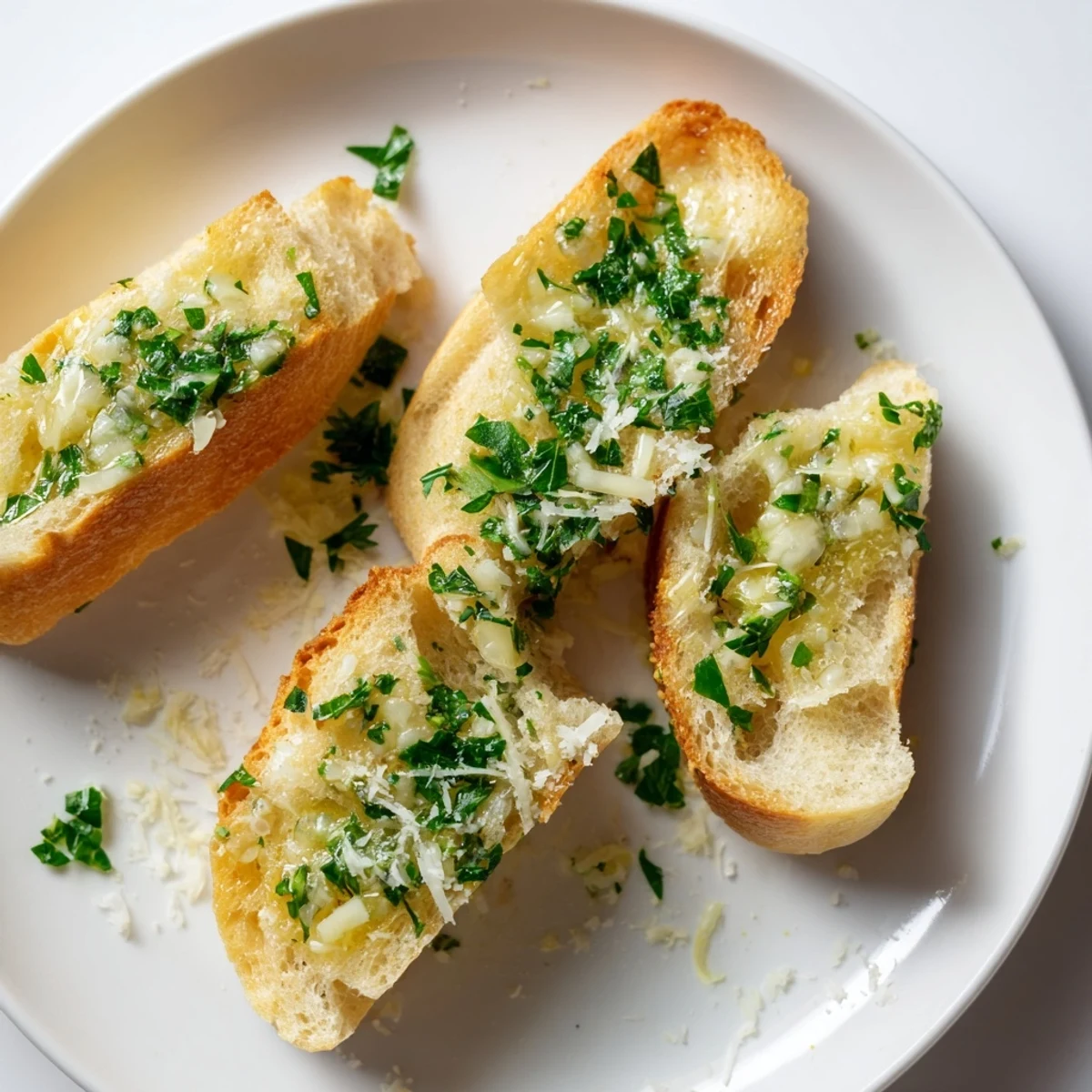
Save One of my favorite moments was watching my roommate's face light up the first time she tried this—she'd only ever eaten the kind from a freezer bag. The fact that I'd made it from scratch in her kitchen felt like showing her a secret. That's when garlic bread stopped being a side dish and became something that brings people to the table.
Why Fresh Ingredients Make a Difference
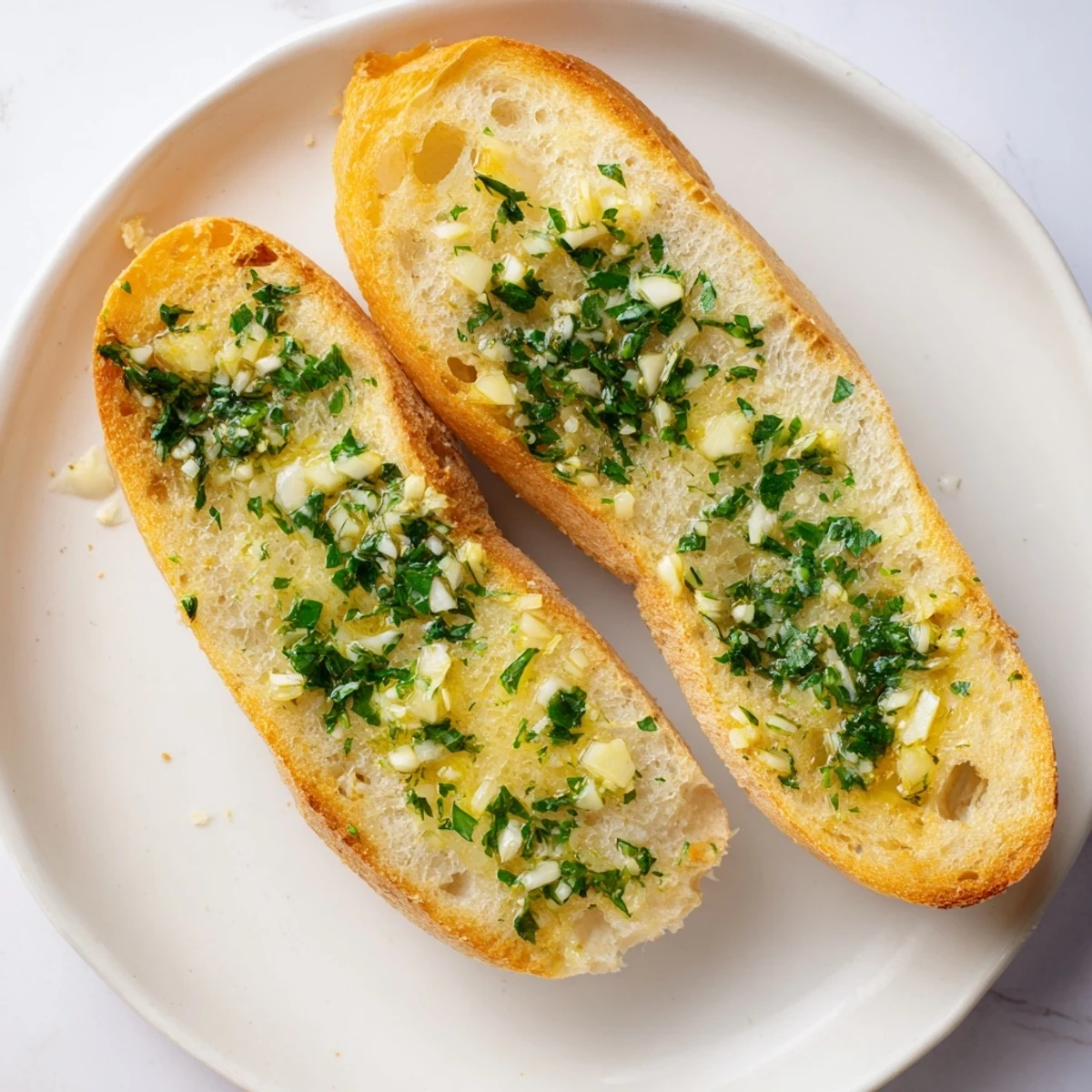
Using fresh garlic and fresh parsley isn't just about taste—it's about color and texture too. The parsley stays bright green when it's fresh, giving you little flecks of life throughout the butter, while dried herbs turn dusty and fade into the background. Fresh garlic minced right before you use it has a sweeter, rounder flavor than anything that's been sitting around.
Bread Matters More Than You Think
The difference between a great garlic bread and a forgettable one often comes down to the bread itself. A proper baguette or Italian loaf has structure and crust that can handle butter without collapsing into mush. Soft sandwich bread becomes soggy and sad no matter what you do to it. If you're at the store and unsure, pick the loaf that feels substantial and has a crispy crust when you squeeze it gently.
Variations and Personal Touches
Once you've mastered the basic version, garlic bread becomes a canvas for your mood. Some nights I add a pinch of chili flakes for a little heat, other times fresh chives instead of parsley for a sharper onion note. I've even tried adding a tiny bit of lemon zest, which sounds odd but actually brings everything into focus. The core technique stays the same—softened butter, toasted garlic, even spreading—so you can play around without fear.
- Try adding a pinch of red chili flakes if you want a subtle kick that works with almost any meal.
- Fresh chives or green onions add a sharper, more delicate onion flavor than garlic alone.
- For a vegan version, plant-based butter works surprisingly well as long as it's softened and spreadable.
 Save
Save Garlic bread is proof that simple things done well can feel like a small luxury. Whether you're making it for a crowd or just because the smell of toasted garlic sounds like exactly what you need right now, it never disappoints.
Recipe Questions & Answers
- → What type of bread works best?
-
A medium baguette or Italian loaf with a crusty exterior holds the butter mixture well and crisps nicely in the oven.
- → Can I use a dairy-free alternative?
-
Yes, plant-based butter can be substituted for a vegan-friendly version without sacrificing flavor.
- → How do I achieve extra crispiness?
-
After baking, broil the bread for 1–2 minutes while watching carefully to get a crispy golden crust.
- → Is it necessary to add Parmesan?
-
No, Parmesan is optional but adds a savory depth if you choose to include it.
- → What herbs complement the garlic butter?
-
Fresh parsley is used here, but chives or a pinch of chili flakes can provide additional flavor layers.