
 Save
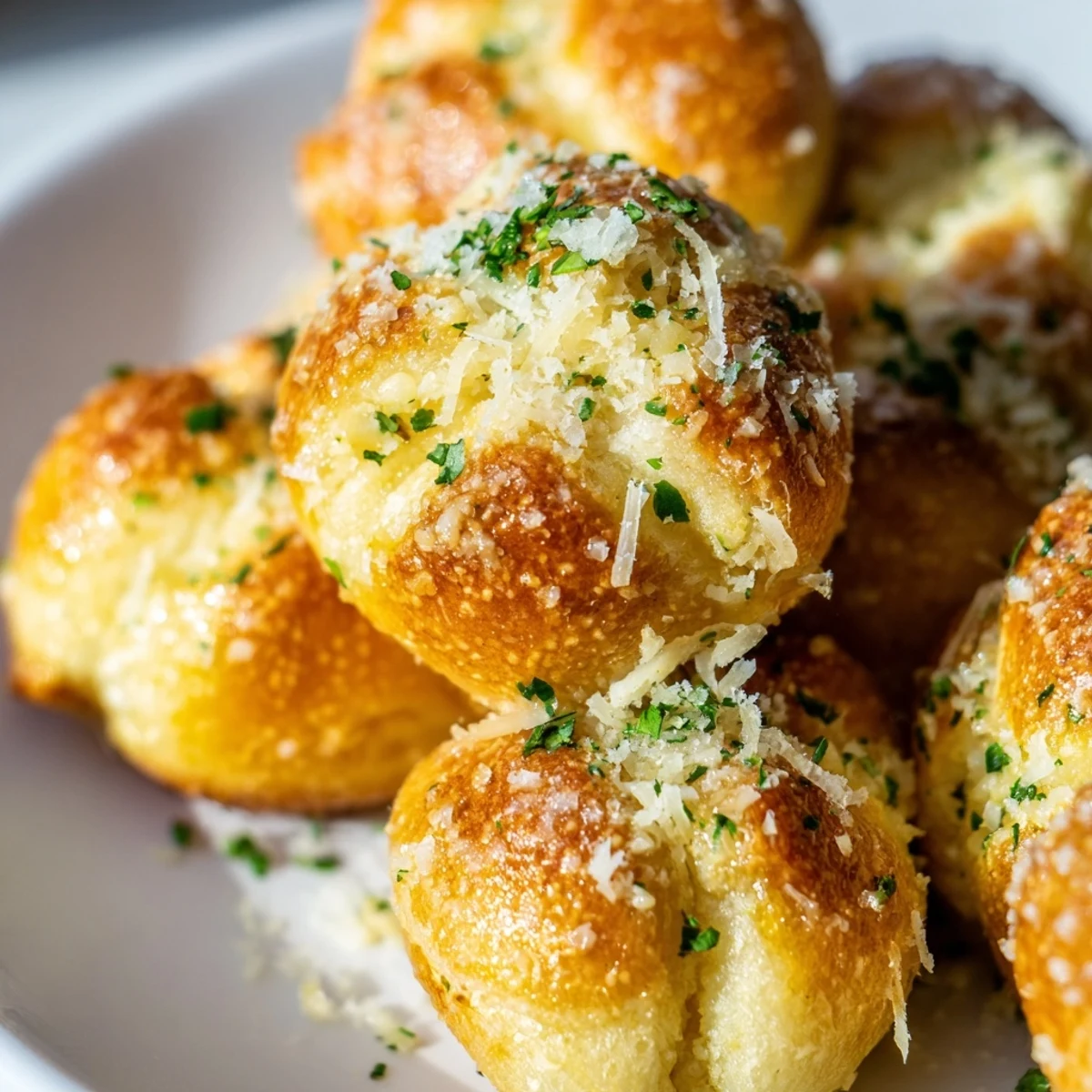
Save Soft, golden dough knots are brushed generously with garlic butter and sprinkled with freshly grated Parmesan. The dough is made by combining yeast, warm water, sugar, flour, salt, and olive oil, then kneaded until smooth and left to rise. After shaping into knots, they rest briefly before baking until golden and fragrant. Finished with extra garlic butter and cheese, these knots offer a flavorful, tender bite that pairs well with marinara or enjoyed on their own.
There's something almost magical about the moment when a simple dough transforms into something you actually want to eat. Years ago, I was rummaging through my kitchen on a random Tuesday evening, no real plan in mind, when I spotted a packet of yeast buried in the back of my cabinet. That small impulse—tying dough into knots and brushing them with garlic butter—turned into one of those dishes that now gets requested at every gathering. These golden, savory knots somehow became my signature move.
I made these for my sister's book club once, completely unsure if homemade bread would impress anyone. People came back for seconds and thirds—mostly for the knots, if I'm honest. That's when I realized these aren't just bread; they're the kind of thing that makes people pause mid-conversation and ask for the recipe. Now I bring them to everything.
Ingredients
- Active dry yeast: That small packet is the whole magic trick—make sure it's alive by watching for the foamy reaction in warm water.
- Warm water: About 110°F is the sweet spot; too hot kills the yeast, too cool and nothing happens.
- Granulated sugar: Feeds the yeast and keeps the dough tender and slightly sweet.
- All-purpose flour: The backbone of everything; I always keep extra on hand because dough is forgiving about texture.
- Salt: Don't skip this—it's the difference between pleasant bread and bread with actual flavor.
- Olive oil: Just a touch enriches the dough and makes handling it easier.
- Unsalted butter: For the garlic butter; unsalted gives you control over the final salt level.
- Fresh garlic: Minced fine so it distributes evenly and doesn't burn in the oven.
- Fresh parsley: Adds a bright note that cuts through all that rich cheese and butter.
- Freshly grated Parmesan: Pre-grated cheese is convenient but fresh shavings melt better and taste sharper.
Instructions
- Wake up your yeast:
- Dissolve the sugar and yeast in warm water and let it sit. In about five minutes, it should look foamy and smell a bit like bread; if nothing happens, your yeast is dead and you'll need to start over.
- Build the dough:
- Add oil, salt, and most of the flour to your yeast mixture and mix until it comes together into a shaggy blob. Gradually add more flour as you go—the goal is a dough that's slightly sticky but not wet.
- Knead it smooth:
- Work the dough on a floured surface for about five to seven minutes until it stops being rough and starts feeling smooth and elastic. Your hands will tell you when it's ready.
- First rise:
- Oil a bowl, nestle your dough in there, cover it loosely, and tuck it somewhere warm. An hour later, it should have nearly doubled in size and feel light when you poke it.
- Heat the oven:
- Get your oven to 400°F and line a baking sheet with parchment paper so your knots won't stick.
- Shape the knots:
- Punch down the dough to release the air, divide it into twelve roughly equal pieces, roll each into a ten-inch rope, and tie them into loose knots. Loose is the word here—tight knots will stay dense.
- Brief second rise:
- Arrange the knots on your baking sheet, cover them loosely with a towel, and give them just ten minutes to puff up slightly. This step prevents them from being too dense.
- Make the garlic butter:
- While they rest, stir together your melted butter, minced garlic, parsley, and salt in a small bowl. The garlic should be fine enough that it sticks to the brush.
- Brush and bake:
- Give each knot a generous coating of garlic butter and slide the sheet into the oven for sixteen to eighteen minutes until they're golden on top.
- Finish while warm:
- The moment they come out, brush them again with any remaining garlic butter and shower them with grated Parmesan and extra parsley while they're still hot enough to melt everything slightly.
 Save
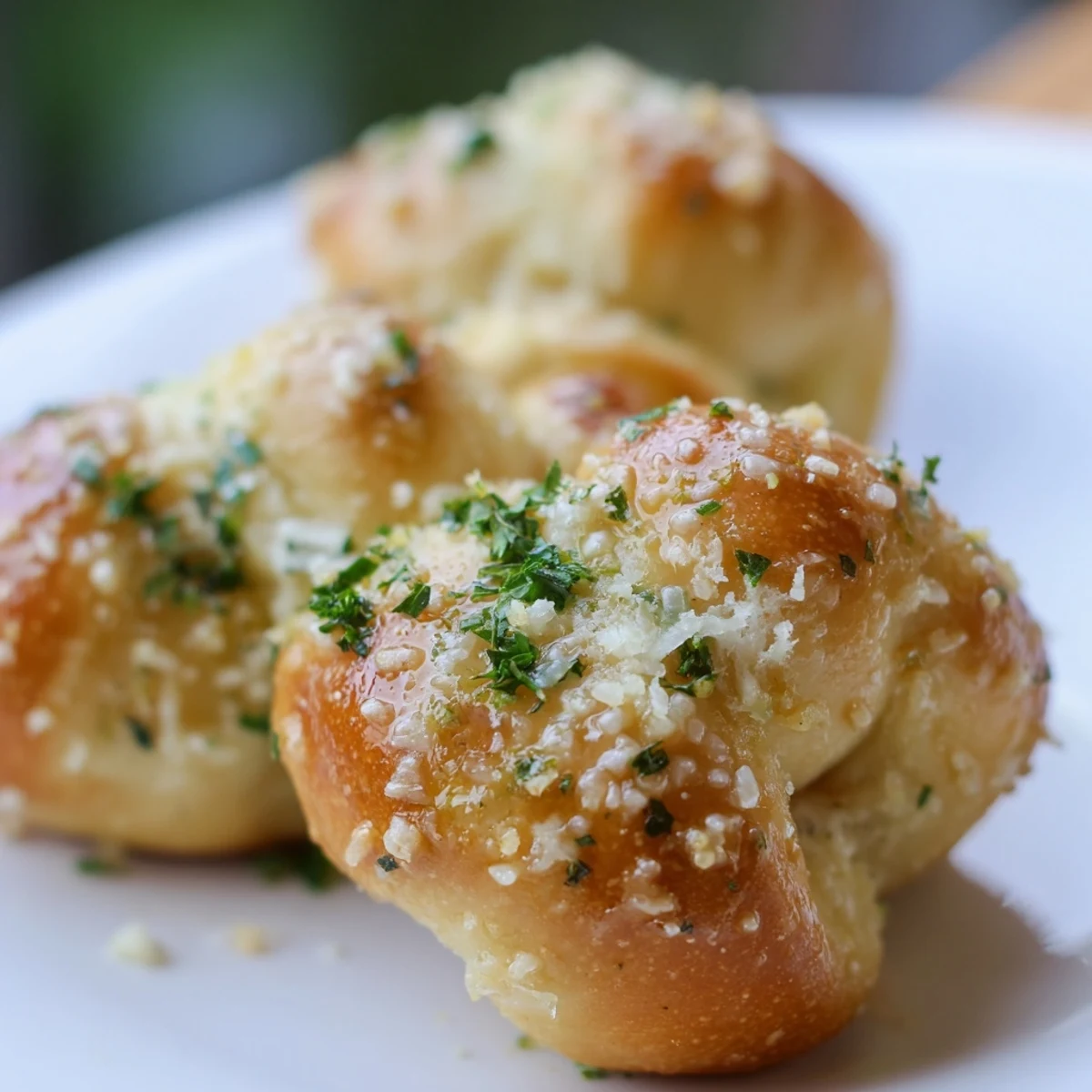
Save I'll never forget when my neighbor came over and caught me eating one of these straight from the cooling rack—she didn't need words, just that smell and my face saying everything. These knots stopped being just food the moment someone realized they were homemade.
The Garlic-Butter Game
The garlic butter is honestly where these knots get their personality. I used to think you just mixed everything together, but timing matters—brush before baking so the garlic cooks gently into the dough, then brush again right after so the cheese and parsley stick to something warm and absorbent. The butter mellows the raw garlic and makes the whole thing feel intentional instead of heavy.
Shaping Without the Stress
The first time I tied these, I made them tight because I thought structure mattered. Tight knots stay dense and don't rise much, which defeats the whole purpose of using yeast in the first place. Loose, casual knots let steam escape during baking and create those little air pockets that make them pillowy. It sounds contradictory, but imperfection here is actually the goal.
Serving and Storing Tips
These are best served warm, within an hour of coming out of the oven—that's when the butter is still glistening and the cheese hasn't hardened. They're still good the next day reheated gently in a low oven, though they lose some of that just-baked magic. For dipping, marinara is the classic choice, but don't sleep on a sharp marinara with red pepper flakes mixed in.
- Make the dough the night before and let it rise slowly in the fridge for even more flavor development.
- If red pepper flakes appeal to you, add just a pinch to the garlic butter for a subtle warmth.
- These freeze beautifully after shaping—bake from frozen, just add a few extra minutes to the timer.
 Save
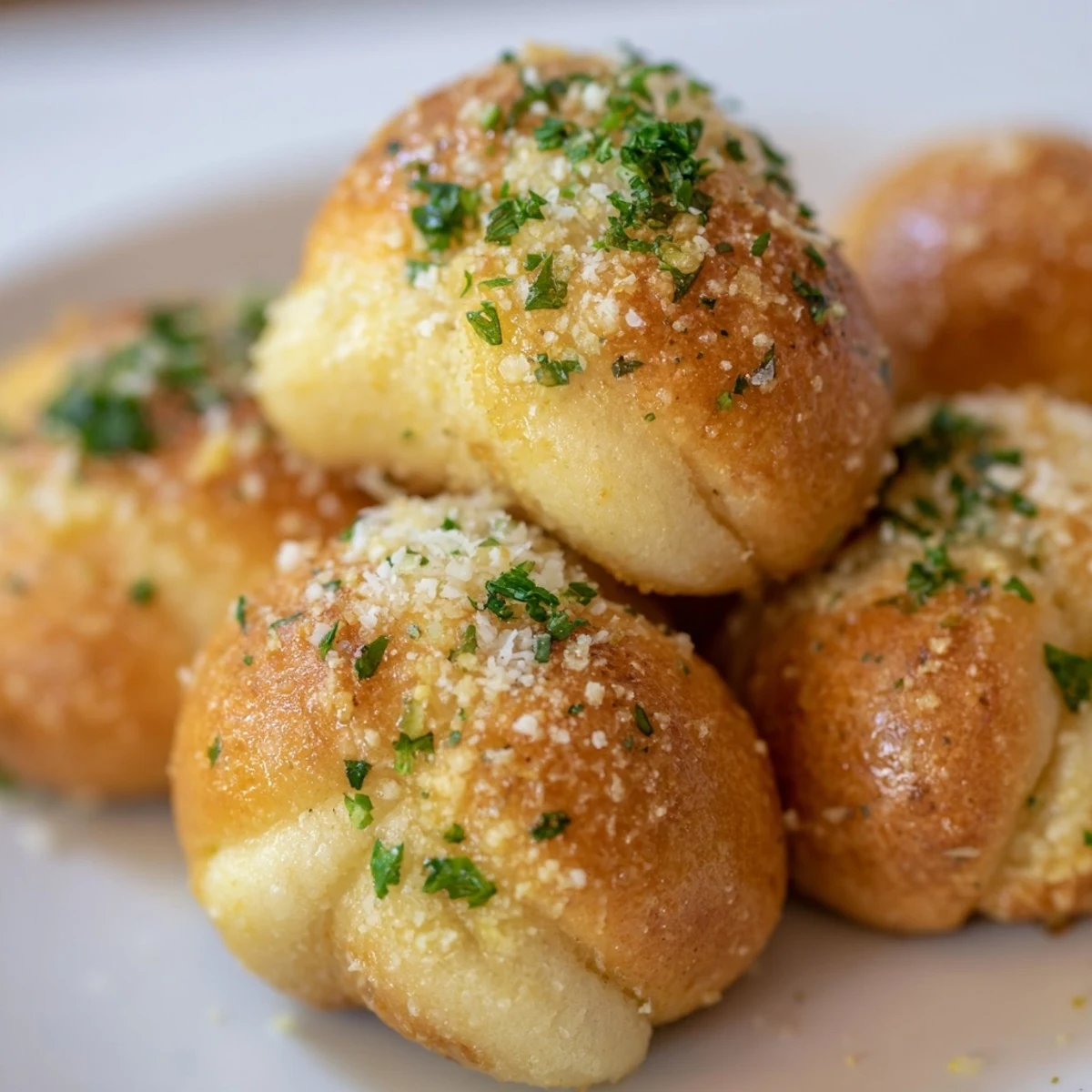
Save These garlic Parmesan knots have become my answer to that question everyone asks: what should I bring? They're simple enough that you're not stressed, impressive enough that people actually notice, and genuinely delicious enough that you'll want to eat at least one before they disappear.
Recipe Questions & Answers
- → What type of flour is best for the dough?
-
All-purpose flour works well to achieve a soft and elastic dough, but substituting half with whole wheat flour adds a heartier texture.
- → How do I know when the dough has risen sufficiently?
-
The dough should double in size during the rising period, becoming visibly puffy and airy to ensure soft knots.
- → Can I add extra flavor to the garlic butter?
-
Yes, a pinch of red pepper flakes or fresh herbs like rosemary can be mixed into the garlic butter for added zest.
- → What is the best way to shape the dough knots?
-
Roll each piece into a roughly 10-inch rope and then tie into a loose knot for an even bake and attractive shape.
- → How should the knots be served?
-
Serve warm, optionally with marinara sauce for dipping, or enjoy them on their own as a flavorful snack or side.