
 Save
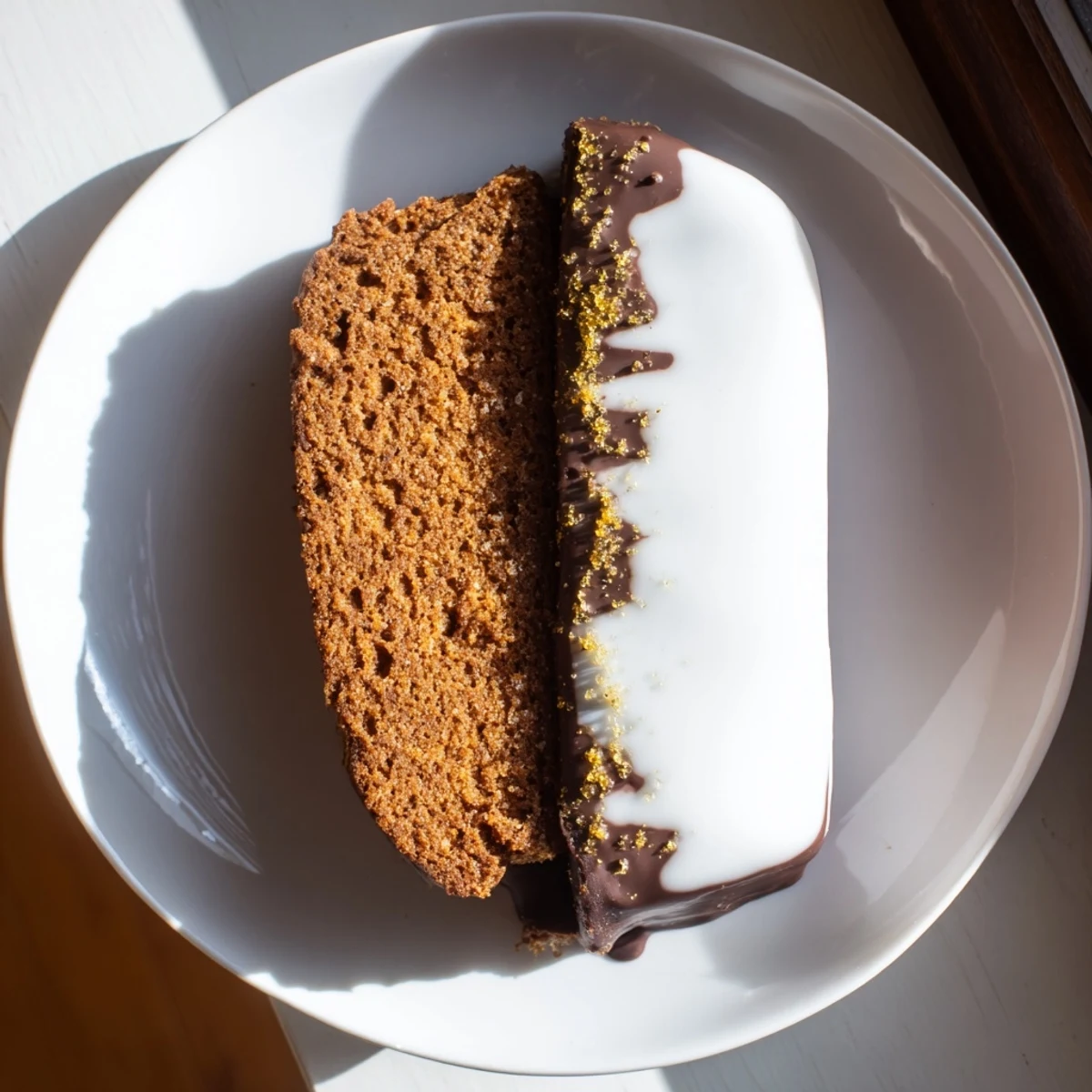
Save These gingerbread biscotti blend warm spices like ginger, cinnamon, cloves, and nutmeg into a crunchy, twice-baked dough. After baking, each biscuit is dipped in smooth white chocolate, adding a creamy contrast to the spiced crispness. Perfect for gifting or enjoying alongside coffee and tea, the biscotti offer festive flavors and delightful texture with every bite. They store well and allow for customizable crunch by adding toasted nuts or adjusting spices.
I still remember the December morning when my grandmother pulled a tin of gingerbread biscotti from her kitchen cabinet, the aroma of warm spices filling the entire house. She'd been making these crispy Italian treats for decades, but it wasn't until she let me help dip them in white chocolate that I understood why they'd become her signature gift. Now, every holiday season, I find myself recreating that moment in my own kitchen, watching the molasses-dark dough transform into something that tastes like nostalgia dipped in cream.
The first time I made these for my book club, I wrapped them in kraft paper with twine, and watching my friends unwrap them at the door felt like sharing a small piece of joy. One friend texted me days later saying she'd been sneaking one with her morning coffee every single day. That's when I knew this recipe had earned its place in my regular rotation.
Ingredients
- All-purpose flour (2 1/4 cups): This is your foundation, and measuring by weight makes a real difference if you have a scale. Spoon and level if you're using cups, because scooping directly compacts the flour and changes everything
- Ground ginger (1 1/2 teaspoons): The star player here. Fresh ginger tastes bright, but ground ginger brings that warm, familiar spice that makes people close their eyes when they bite into one
- Ground cinnamon, cloves, and nutmeg (1 teaspoon, 1/4 teaspoon, and 1/4 teaspoon): Together these create the soul of gingerbread. Don't skip the cloves just because they seem strong—they disappear into something magical when baked
- Baking powder and baking soda (1/2 teaspoon and 1/4 teaspoon): These create the slight lift that gives biscotti its signature crumb structure
- Salt (1/4 teaspoon): A pinch that makes the spices sing and balances the sweetness
- Granulated and brown sugar (1/2 cup each): The combination matters—brown sugar adds moisture and depth while granulated gives structure
- Unsalted butter (1/3 cup, melted and cooled): Melting it first distributes it evenly throughout the dough. Make sure it's actually cooled before adding eggs, or you'll end up with scrambled egg biscotti
- Eggs (2 large): They bind everything and give the biscotti its tender crumb before the second bake makes it crisp
- Molasses (1/4 cup): This is what gives the biscotti its deep color and rich, slightly bitter sweetness that grounds all those spices
- Pure vanilla extract (1 teaspoon): A small amount, but it brightens everything
- White chocolate (8 oz): Quality matters here more than you'd think. Cheap white chocolate tastes waxy, but real white chocolate becomes silky and luxurious when melted
Instructions
- Prepare your canvas:
- Preheat your oven to 350°F and line a baking sheet with parchment paper. This step matters because parchment is the difference between biscotti that slides off easily and ones you have to wrestle with a spatula
- Marry the dry ingredients:
- In a large bowl, whisk together flour, ginger, cinnamon, cloves, nutmeg, baking powder, baking soda, and salt. The whisking aerates the flour and distributes the leavening agents evenly, which you'll appreciate later
- Combine the wet ingredients:
- In another bowl, combine granulated sugar, brown sugar, melted and cooled butter, eggs, molasses, and vanilla. Whisk until smooth and slightly glossy. This is where the molasses swirls through like liquid gold
- Bring them together:
- Add the wet mixture to the dry ingredients and stir until a sticky dough forms. Don't overmix—just until combined. The dough should feel slightly sticky but holdable
- Shape the logs:
- Divide dough in half. Using slightly damp hands, shape each half into a log about 10 inches long and 2 inches wide on the prepared baking sheet. Flatten slightly so they bake evenly
- First bake:
- Bake for 25 minutes, until the logs are puffed and set. They'll look done before they feel done, so let them go the full time. Remove from oven and cool for 10 minutes on the baking sheet
- Lower the temperature:
- Reduce oven temperature to 300°F for the second bake, which creates the crunch without burning
- Slice with purpose:
- Using a serrated knife with a gentle sawing motion, slice logs diagonally into 1/2-inch thick pieces. A sharp serrated knife is essential here—a dull knife will crush the just-set logs instead of cutting them cleanly
- Second bake:
- Place slices cut side down on the baking sheet. Bake for 12 minutes, then flip each piece and bake another 10-12 minutes until crisp and golden. This double bake is what turns soft cookie dough into a biscuit hard enough to survive a coffee dunking
- Cool completely:
- Transfer to a wire rack and let cool completely. They'll continue to crisp as they cool, so don't pack them away while still warm
- Melt the white chocolate:
- Use a double boiler over simmering water or microwave in 30-second bursts, stirring between each burst. If you go too fast, white chocolate can seize and become grainy. Patience here pays dividends
- The final touch:
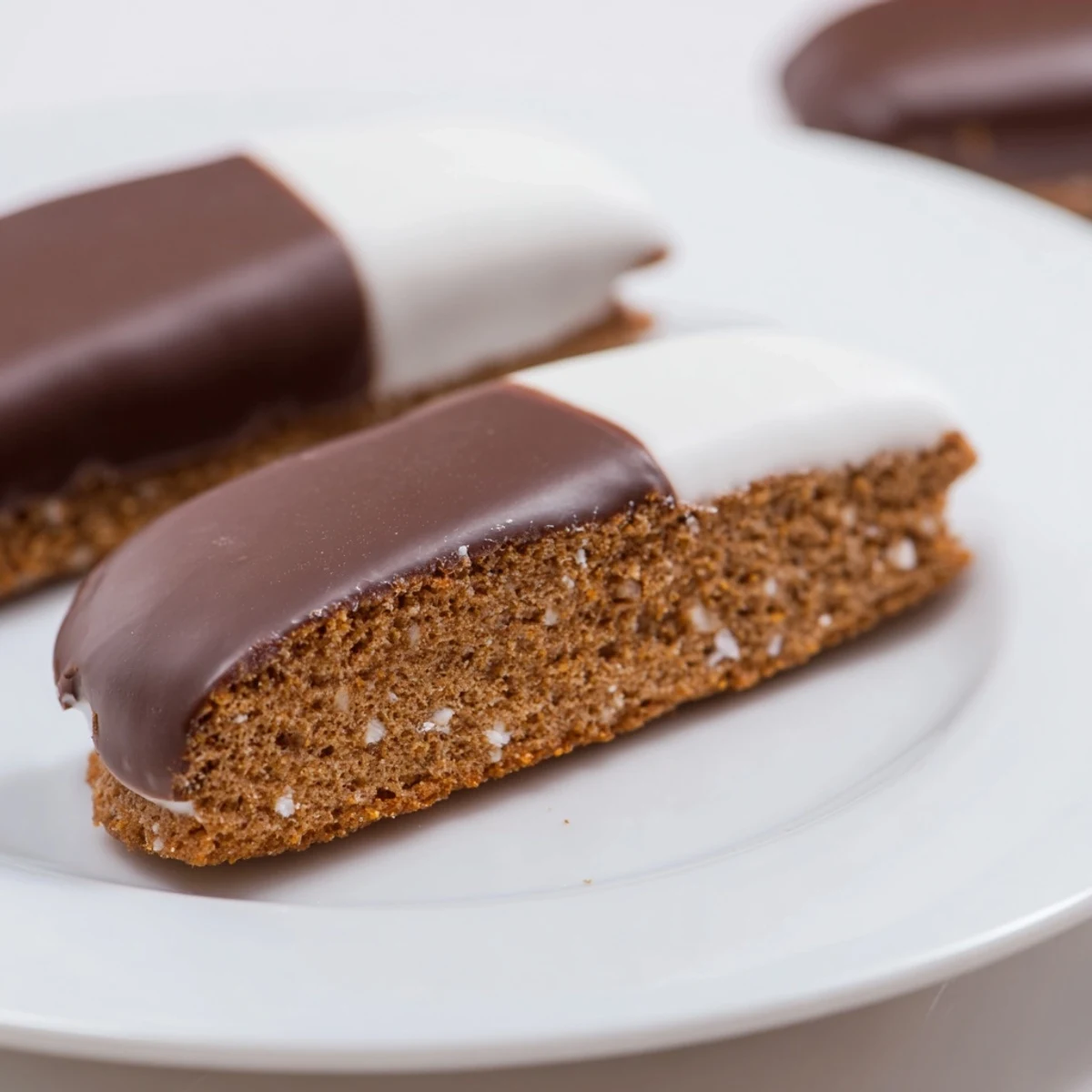
- Dip one end of each cooled biscotti into the melted white chocolate, allowing excess to drip off. Place on fresh parchment paper and let the chocolate set at room temperature or in the refrigerator for 15 minutes
 Save
Save There's something almost ceremonial about the moment when biscotti come out of the second bake, still warm and smelling of Christmas spices. My daughter once said they tasted like 'what December feels like,' and I couldn't have said it better myself. It's the kind of recipe that transforms your kitchen into something that feels more like home.
The Magic of Double Baking
Biscotti's crunch comes from a technique that seems counterintuitive at first—you bake the dough once as a soft loaf, slice it while still warm, and bake it again at a lower temperature. This two-stage process is what turns a tender dough into something that stays crispy for weeks. The first bake sets the structure, while the second bake drives out moisture, creating that satisfying snap. I used to think I was doing something wrong when recipes called for baking twice, but now I understand it's the secret to why biscotti are the gift that keeps giving.
Spices and Storytelling
There's a reason gingerbread becomes everyone's favorite flavor during the holidays—those spices were once treasured spices brought by traders from distant lands, and they still carry that sense of occasion and warmth. Ground ginger brings the bright, slightly peppery heat. Cinnamon adds that familiar comfort. Cloves give depth and a subtle earthiness that you taste at the very end. Nutmeg ties them all together with a warm hug. When you smell these four spices toasting together in your oven, you're experiencing something that humans have loved for centuries.
White Chocolate Coating and Gifting
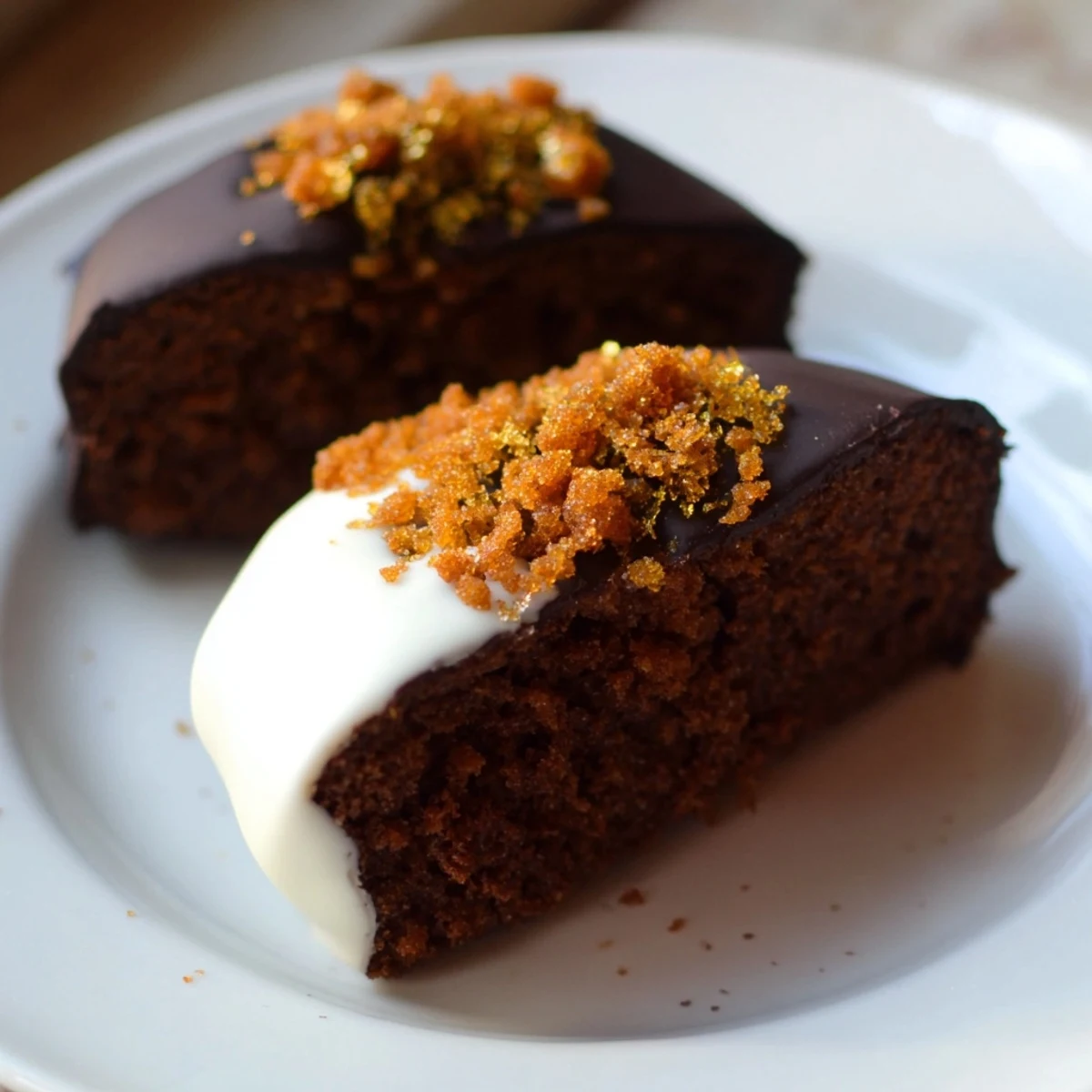
The white chocolate coating does more than just taste good—it transforms these biscotti from homemade treats into gifts that look like they came from somewhere special. The cream-colored coating against the dark spiced cookie creates a visual contrast that says 'someone cared.' When you're wrapping these to give away, choose a good quality white chocolate so the coating sets smooth and glossy rather than dull. Let the chocolate set completely before packaging, and store in an airtight container with parchment between layers so they don't stick together.
- For gifting, wrap individual biscotti in cellophane tied with ribbon—they look beautiful and stay fresh
- Include a note suggesting they're best enjoyed with strong coffee or chai
- These keep for up to two weeks, so you can make them ahead without stress
 Save
Save These gingerbread biscotti have become my love letter to the season—the kind of recipe that brings people together and tastes like memory. Make them, gift them, or keep them all for yourself.
Recipe Questions & Answers
- → What spices are used in the biscotti?
-
Ground ginger, cinnamon, cloves, and nutmeg create a warm, festive spice blend in the biscotti dough.
- → How do you achieve the biscotti's crunchy texture?
-
The dough is baked twice: first shaped into logs and baked, then sliced and baked again to develop a crisp, crunchy texture.
- → Can I add nuts to the biscotti dough?
-
Yes, adding chopped toasted almonds or pecans to the dough enhances crunch and adds flavor.
- → What is the best way to melt white chocolate for coating?
-
Use a double boiler or microwave in short bursts, stirring frequently until smooth, to prevent burning the white chocolate.
- → How should the biscotti be stored?
-
Store in an airtight container for up to two weeks to maintain crispness and freshness.