
 Save
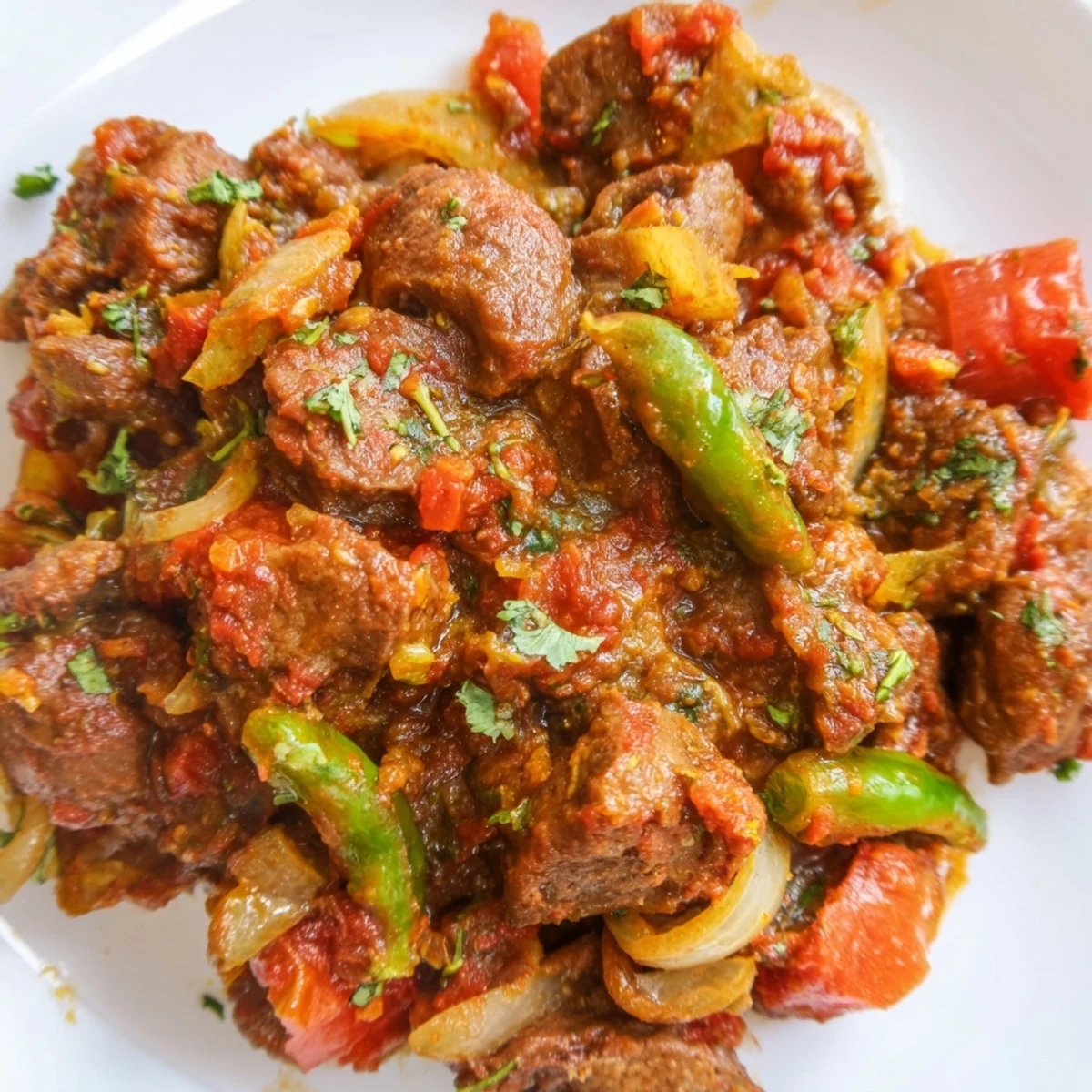
Save This classic Kenyan dish transforms goat meat into a tender, flavorful masterpiece through a two-step cooking process. The meat is first simmered until tender, then stir-fried with caramelized onions, fresh tomatoes, and aromatic spices including paprika, ground coriander, and turmeric. The result is a rich, glossy coating that clings to every piece of meat, creating a perfect balance of savory and slightly spicy flavors. Ready in just over an hour, this dish serves four and is naturally gluten-free.
The first time I encountered goat wet fry was at a small family-run restaurant in Nairobi, where the owner insisted I try their specialty. One bite of that tender, spice-coated meat and I understood why Kenyans consider this dish a masterpiece of home cooking. The rich, glossy sauce clung to every piece of meat, and the warmth of the spices lingered long after the meal ended. I left that day determined to recreate the magic in my own kitchen.
Last summer, I made a massive pot of goat wet fry when my cousins came over for dinner. My cousin Sarah, whos usually picky about game meats, went back for thirds and texted me the next day asking for the recipe. We sat around the table for hours, tearing off pieces of chapati to scoop up every drop of sauce, talking and laughing until well past midnight. Now whenever I smell coriander and frying onions, Im immediately back in that moment.
Ingredients
- 1 kg goat meat: Goat meat has a distinctive, slightly gamey flavor that holds up beautifully to bold spices. Ask your butcher for cuts from the leg or shoulder, and trim excess fat but leave some for flavor.
- 2 large onions: These create the sweet, aromatic base that balances the spices. Slice them thinly rather than chopping so they caramelize properly.
- 3 medium tomatoes: Fresh tomatoes break down to create that glossy sauce we are after. Choose ones that give slightly when pressed but are not mushy.
- 2 cloves garlic and 1 thumb-sized piece ginger: This aromatic duo is non-negotiable for authentic flavor. Fresh ginger should be peeled and minced finely to distribute evenly.
- 2–3 green chilies: These provide a gentle heat that builds as you eat. Leave them whole if you want milder flavor, or slice them for more kick.
- ½ bunch fresh coriander: Added at the end, this bright herb cuts through the rich sauce and adds a fresh, citrusy finish. Dont skip it or substitute with dried herbs.
- 1 tsp each of paprika, ground coriander, black pepper, plus ½ tsp turmeric: This spice blend creates the signature warm, earthy flavor profile. Toast your spices briefly in a dry pan before using for even more depth.
- 200 ml water: Just enough to simmer the meat tender without drowning it. The goal is for most of this liquid to absorb into the meat during cooking.
Instructions
- Simmer the goat meat until tender:
- Rinse the goat meat thoroughly under cold water and place it in a large saucepan. Add half of the sliced onions, all the garlic and ginger, half the salt, and just enough water to cover the meat. Bring everything to a boil over high heat, then immediately lower to a gentle simmer. Cover and let it cook for 25 to 30 minutes, checking occasionally, until the meat is tender and most of the liquid has been absorbed.
- Caramelize the remaining onions:
- While the meat simmers, heat the vegetable oil in a heavy-bottomed pan over medium-high heat. Add the remaining sliced onions and cook them patiently, stirring occasionally, until they turn a deep golden brown. This step takes about 10 minutes but builds incredible flavor, so dont rush it or lower the heat too much.
- Build the tomato base:
- Add the diced tomatoes and sliced green chilies to the caramelized onions. Sauté everything together, stirring frequently, until the tomatoes break down completely and the mixture thickens into a rich, glossy base. You will know its ready when oil starts to separate slightly from the mixture.
- Combine meat with the spiced sauce:
- Add the cooked goat meat along with any juices left in its cooking pan. Sprinkle in the paprika, ground coriander, black pepper, turmeric, and remaining salt. Stir everything thoroughly so each piece of meat gets coated in the spice mixture. Cook uncovered over medium heat, stirring often, for 10 to 15 minutes until the sauce thickens to that perfect wet consistency, not soupy but not dry either.
- Finish with fresh coriander:
- Taste the dish and adjust the seasoning if needed. Stir in the chopped fresh coriander and cook for just 1 to 2 minutes more to wilt the herbs slightly. This final addition brightens all the rich flavors and adds that characteristic fresh finish.
 Save
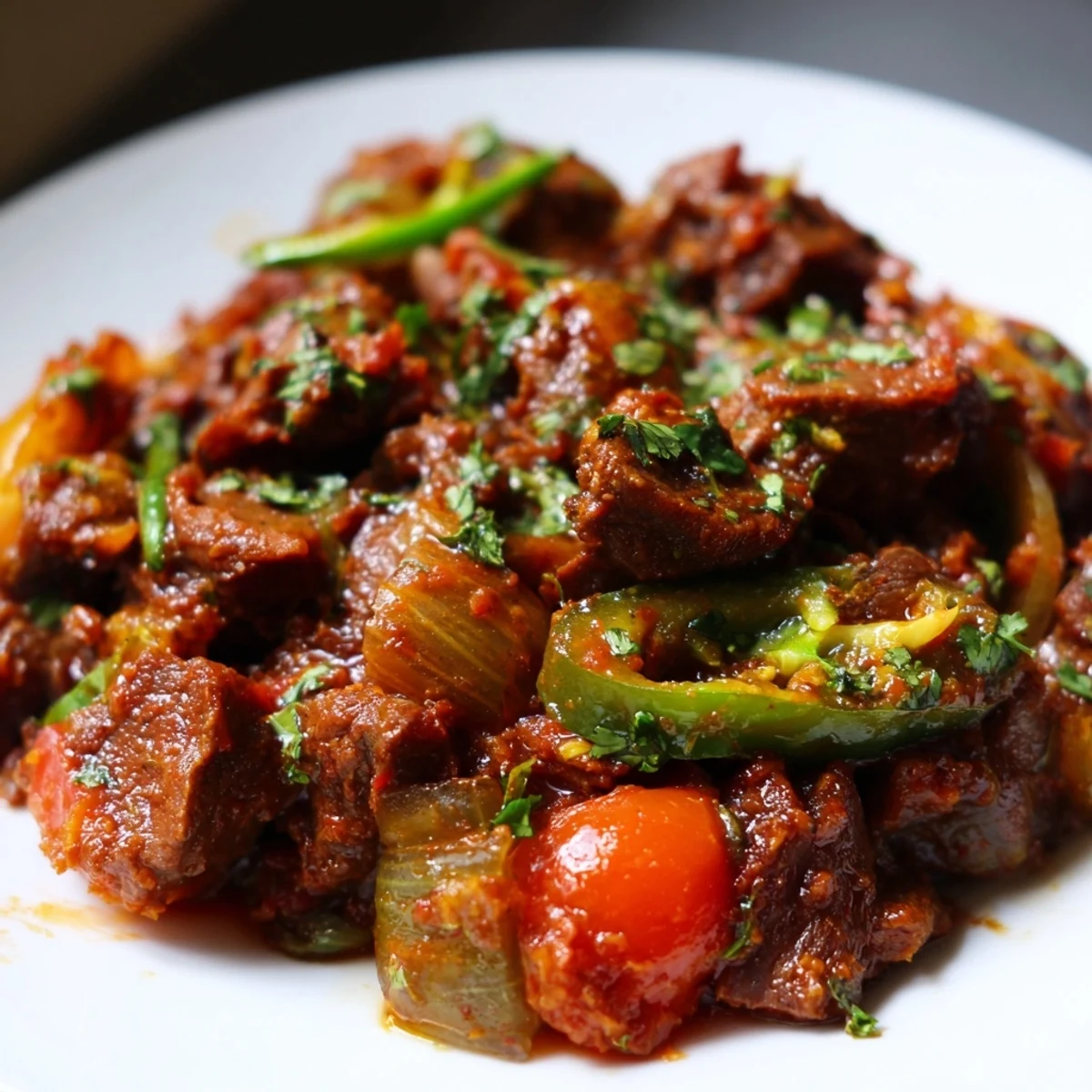
Save This recipe has become my go-to for special occasions, especially when I want to serve something impressive but not fussy. The combination of tender meat and complex, spiced sauce never fails to impress even the most skeptical diners. I love how it fills the entire house with incredible aromas that draw everyone into the kitchen, asking whats cooking and when can we eat.
Choosing the Right Meat
Not all goat meat is created equal, and finding the right cut can make or break this dish. Younger goat meat, often labeled as cabrito or simply kid goat, is more tender and milder in flavor than meat from mature animals. If you can only find mature goat, look for cuts from the leg or shoulder and consider marinating the meat in a mixture of yogurt and spices for a few hours before cooking to help tenderize it.
Getting the Sauce Consistency Right
The term wet fry refers to that perfect middle ground between a dry stir-fry and a soupy curry. The sauce should coat the meat heavily and leave a glossy sheen but should not be watery or runny. If your sauce is too thick, add water one tablespoon at a time. If its too thin, keep cooking uncovered and let it reduce until it reaches that ideal consistency.
Perfect Pairings
Traditional Kenyan accompaniments work beautifully with this dish. Ugali, the stiff maize porridge, is perfect for scooping up the sauce, while steamed rice lets the spiced meat shine. Chapati or other flatbreads also make excellent vessels for enjoying every last drop of that flavorful sauce.
- Lemon wedges squeezed over the final dish add a bright contrast to the rich spices
- A simple kachumbari salad on the side provides fresh crunch and acidity
- Extra chopped coriander on top never hurts and makes for a beautiful presentation
 Save
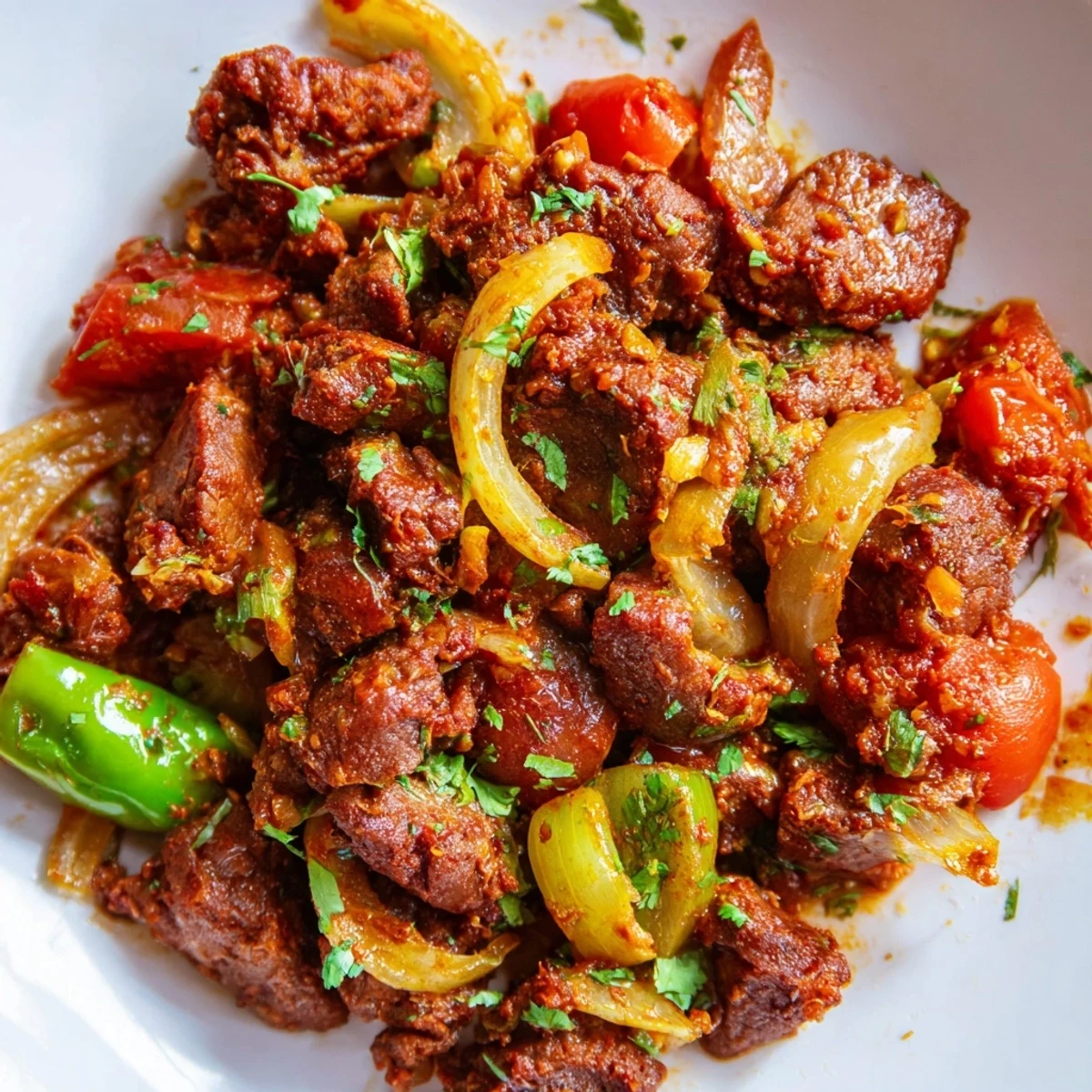
Save There is something deeply satisfying about this dish, the way it transforms humble ingredients into something extraordinary. I hope it finds a regular place in your kitchen rotation and creates as many warm memories around your table as it has around mine.
Recipe Questions & Answers
- → What makes Kenyan goat wet fry different from other goat meat dishes?
-
The wet fry technique creates a signature glossy sauce that coats the meat without being soupy. The combination of simmering first, then stir-frying with caramelized onions and tomatoes creates depth of flavor unique to this cooking method.
- → Can I substitute goat meat with other proteins?
-
Yes, beef, lamb, or chicken work well as alternatives. Adjust cooking times accordingly—chicken will need less time while beef may require longer simmering to achieve tenderness.
- → What should I serve with Kenyan goat wet fry?
-
Traditional accompaniments include ugali (cornmeal porridge), rice, or chapati flatbread. These sides help soak up the flavorful sauce and balance the rich meat.
- → How spicy is this dish?
-
The heat level is adjustable with green chilies. Without them, the dish has mild warmth from black pepper and paprika. Add chilies gradually to taste preference.
- → Can I make this dish ahead of time?
-
Yes, the flavors actually improve overnight. Store in an airtight container in the refrigerator for up to 3 days. Reheat gently on the stovetop, adding a splash of water if the sauce has thickened too much.
- → What tools are essential for preparing Kenyan goat wet fry?
-
A large saucepan for simmering the meat and a heavy-bottomed frying pan for the stir-fry stage are crucial. A sharp knife and wooden spoon for stirring complete the essential equipment list.