
 Save
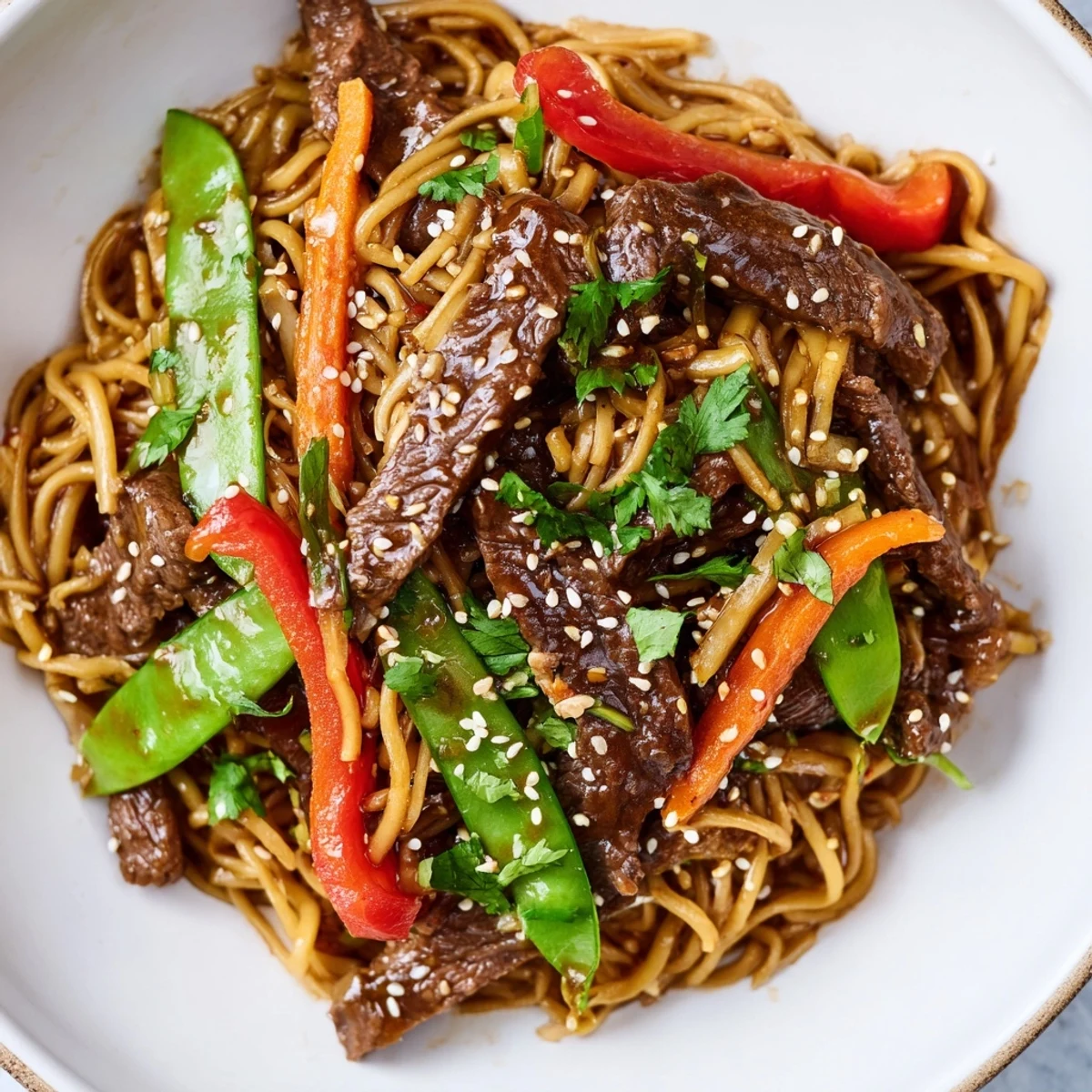
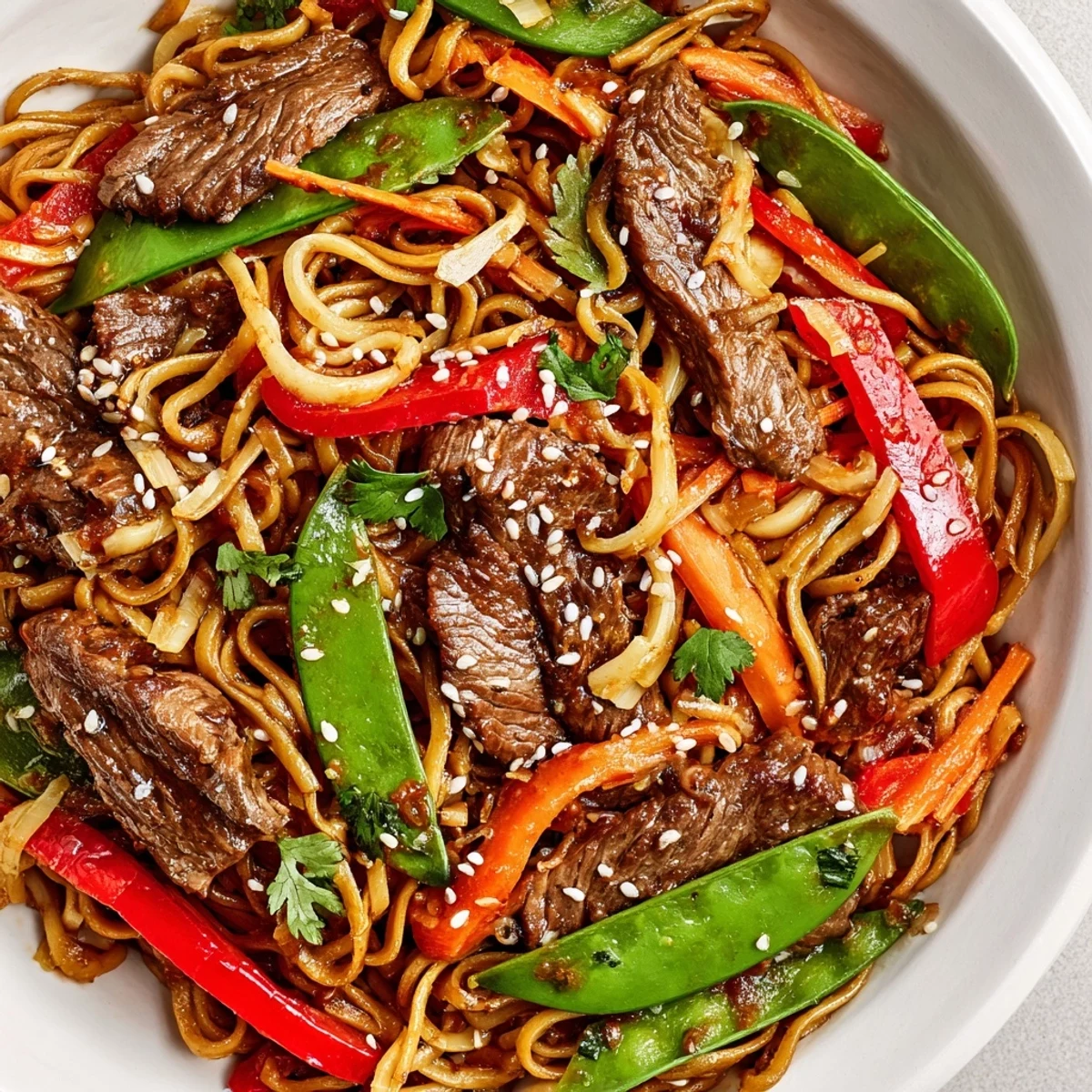
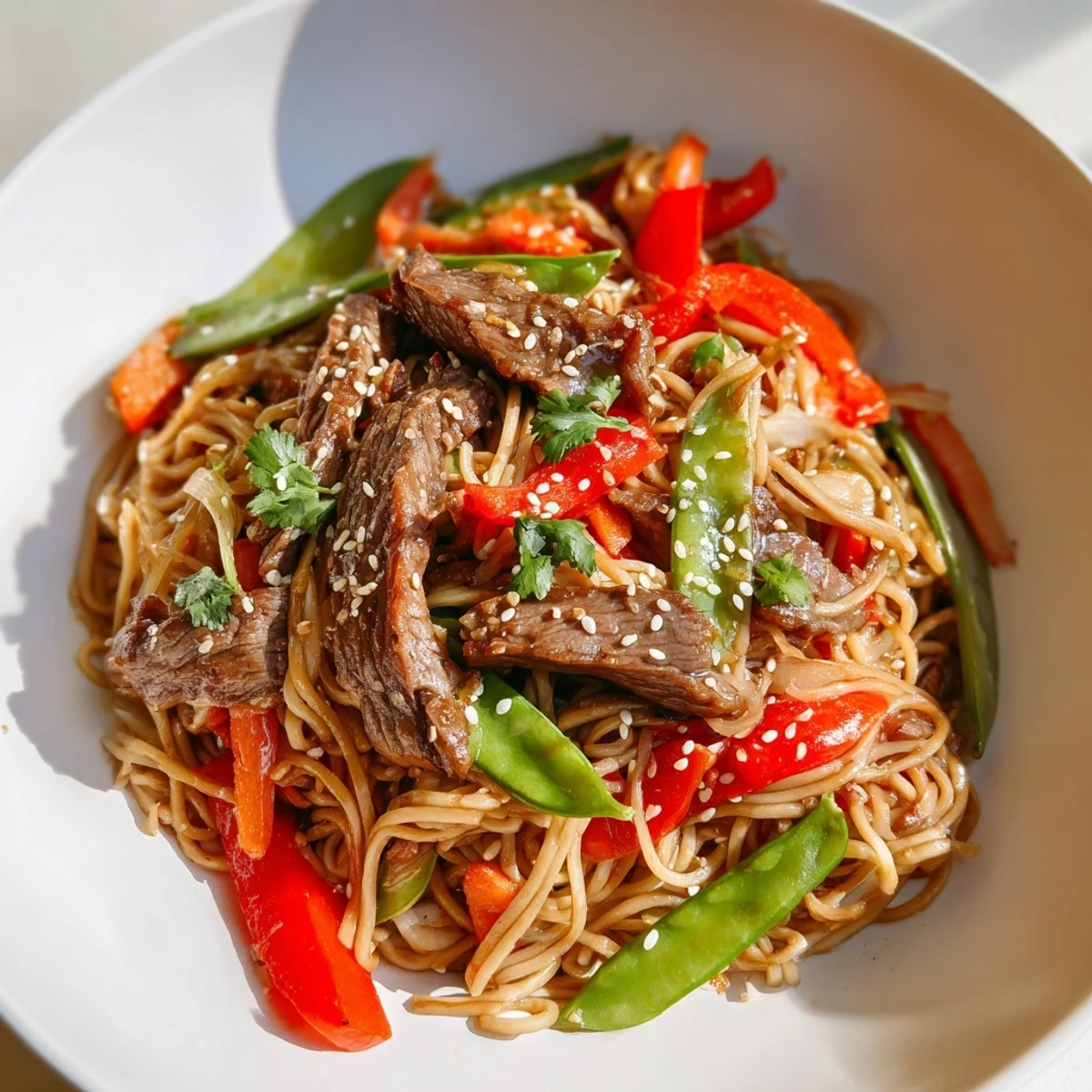
Save This dish features thinly sliced beef marinated then stir-fried with fresh vegetables like bell pepper, carrot, and snap peas. Fresh or dried wheat noodles are cooked and combined with a savory, spicy sauce made of soy, oyster, and chili garlic sauces. The final dish is garnished with toasted sesame seeds, fresh cilantro, and spring onions, delivering a bold Asian-inspired punch in every bite. Quick to prepare and rich in vibrant flavors, it’s an easy, satisfying meal.
There's a particular Tuesday night that comes to mind—not because it was special, but because it was ordinary in the best way. My wok was sitting on the stove, steam rising from a pot of water, and I had exactly what was in my fridge: beef, vegetables, noodles, and the kind of sauce that makes everything taste like you've figured out some secret. That's when spicy beef noodles became my answer to hungry weeknights when I wanted something that tasted restaurant-quality but took barely longer than ordering takeout.
I remember making this for a friend who kept saying she wanted to eat better but found cooking intimidating. Watching her face when she realized she'd just made restaurant-quality noodles in her own kitchen—that's when I understood this recipe isn't just about food, it's about building confidence with something that actually tastes incredible.
Ingredients
- Flank steak or sirloin (350 g): Thin slicing matters more than the cut itself—partially freeze it for 20 minutes if you struggle with the knife, and always slice against the grain so each bite melts in your mouth.
- Soy sauce for marinade (1 tbsp): This isn't just seasoning; it's tenderizing and adds umami depth that makes the beef taste like it came from somewhere special.
- Cornstarch (1 tsp): A small amount here creates a silky coating that catches the sauce and keeps the beef tender even if you accidentally overcook it slightly.
- Sesame oil for marinade (1 tsp): Use the toasted kind—it's worth the difference and perfumes the beef with something you can't quite name but absolutely taste.
- Fresh or dried wheat noodles (300 g): Udon or lo mein works beautifully; I've even used ramen in a pinch, and it's equally delicious as long as you don't overcook them.
- Red bell pepper and carrot: The sweetness of these vegetables balances the heat beautifully, and they should be cut thin enough that they cook quickly but stay textured.
- Sugar snap peas (100 g): These stay crisp if you don't overdo it, and they add a delicate crunch that feels light against the richness of everything else.
- Spring onions and garlic: Spring onions at the end preserve their fresh bite; garlic bloomed in oil becomes sweet and mellow, so don't skip that brief moment at the beginning.
- Fresh ginger (1 tbsp grated): This warms the whole dish from the inside and adds a subtle complexity that keeps people asking what makes it taste so good.
- Soy sauce for sauce (3 tbsp), oyster sauce (1.5 tbsp), chili garlic sauce (1 tbsp): These three together create the backbone—salty, umami-rich, and with a controlled burn that builds rather than punishes.
- Rice vinegar (1 tbsp): This cuts through the richness and prevents the dish from feeling heavy, even after you've eaten your fill.
- Brown sugar (1 tsp): Just enough to round out the flavors, not enough to make anything sweet—it's about balance, not taste.
- Toasted sesame oil for sauce (1 tsp): Add this at the end so the heat doesn't cook away the fragrance that makes people close their eyes when they smell it.
- Sesame seeds and cilantro: These aren't garnish in the traditional sense; they're the final note that turns a good dish into something people remember.
Instructions
- Prepare the beef:
- Slice your steak against the grain and toss it in a bowl with soy sauce, cornstarch, and sesame oil—this 10-minute rest does something magical, turning what could be tough into something tender. The marinade isn't long, but it's enough to matter.
- Cook your noodles:
- Follow the package timing, then rinse them with cold water so they don't clump together or absorb all the sauce before it hits the wok. Set them somewhere you won't forget them.
- Build your sauce:
- Whisk everything together in a small bowl and taste it—this is your chance to adjust heat if you like things less spicy or if you want to lean into the burn. Write down what you changed so you can recreate it next time.
- Sear the beef:
- Get your wok smoking hot, then work in batches so the beef browns instead of steaming—crowding the pan is the enemy of that perfect crust. Two minutes per batch is all it takes; the beef will finish cooking when everything comes back together.
- Fry the aromatics and vegetables:
- The moment garlic and ginger hit the hot oil, your entire kitchen smells different—let that fragrance bloom for 30 seconds, then add the harder vegetables. They should still have resistance when you bite them, not soften into surrender.
- Bring it all together:
- Return the beef, add noodles, pour in sauce, and toss constantly for a couple of minutes so everything gets coated and heats through evenly. You'll feel the moment when it's right—the sizzle quiets and everything glistens.
- Finish and serve:
- Stir in the fresh spring onions at the very end so they stay bright, then serve immediately while everything is still hot and the contrast of temperatures feels alive. Scatter sesame seeds and cilantro on top like you mean it.
 Save
Save What stays with me is how this became the dish I made when things felt uncertain—something I could control, that always turned out well, that fed people and made them happy. It's not fancy or complicated, but there's something grounding about that simplicity.
The Heat Question
Spice is personal, and the chili garlic sauce is your control—start with less than the recipe calls for, taste as you go, and adjust. I've learned that heat isn't about overpowering everything else; it should enhance and complement, not erase. Some nights I lean into it, other nights I keep it mild, and both versions are equally valid.
Playing with Substitutions
The beef is delicious, but I've made this with shrimp when I wanted something lighter and faster, with chicken when that's what I had, and with pressed tofu for a friend who doesn't eat meat. Every version has its own character—the cooking times shift slightly, but the sauce and technique stay the same, so you're really just building on something solid.
Beyond the Bowl
This dish pairs beautifully with a crisp Riesling if you want something cold that stands up to the heat, or iced green tea if you prefer staying cool. The noodles are satisfying enough to feel like a complete meal, but if you want something extra, cucumber slices with a rice vinegar dressing on the side adds freshness without competing.
- Chop your vegetables the night before if mornings are chaotic—they'll stay crisp in the fridge and you'll feel ahead of schedule.
- Keep your wok or skillet hot enough that oil shimmers before anything touches it; this is what separates good from restaurant-quality.
- If you find yourself with leftovers, reheat gently and add a splash of water to revive the sauce, and they'll taste nearly as good the next day.
 Save
Save Make this when you want something that feels indulgent but doesn't ask much of you. It's the kind of meal that reminds you why you cook in the first place.
Recipe Questions & Answers
- → What beef cut works best for this dish?
-
Flank steak or sirloin sliced thinly offers tenderness and quick cooking, perfect for stir-frying.
- → Can I adjust the spice level?
-
Yes, vary the amount of chili garlic sauce to suit your preferred heat intensity.
- → Which noodles are ideal for this meal?
-
Fresh or dried wheat noodles like udon or lo mein work well for texture and flavor absorption.
- → How do I ensure the vegetables stay crisp?
-
Stir-fry vegetables briefly on high heat to retain their crunch and vibrant color.
- → What can I substitute for beef?
-
Chicken, tofu, or shrimp are great alternatives for varied protein options.
- → Are there allergen considerations?
-
This dish contains soy and gluten; consider gluten-free noodles and tamari for adaptations.