
 Save
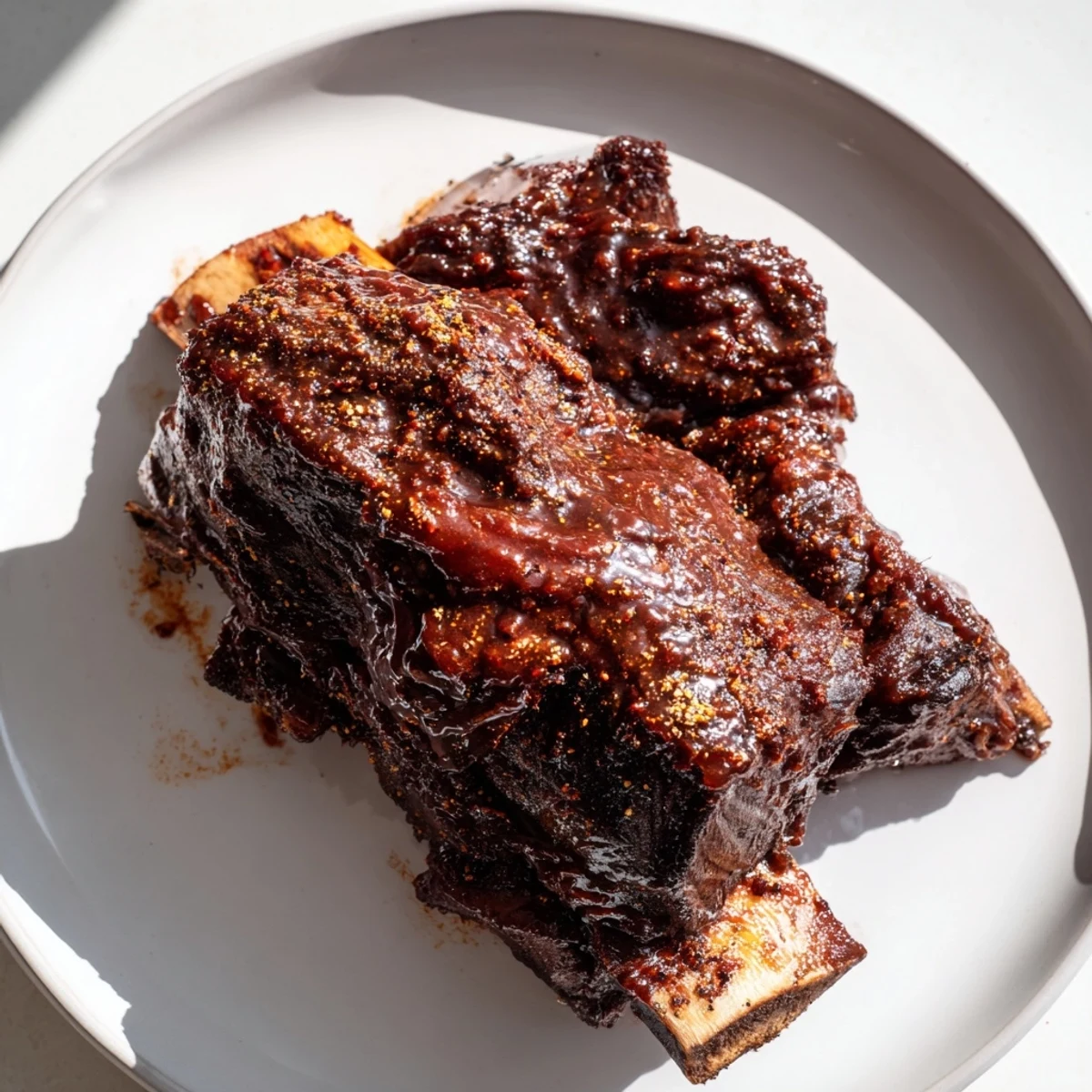
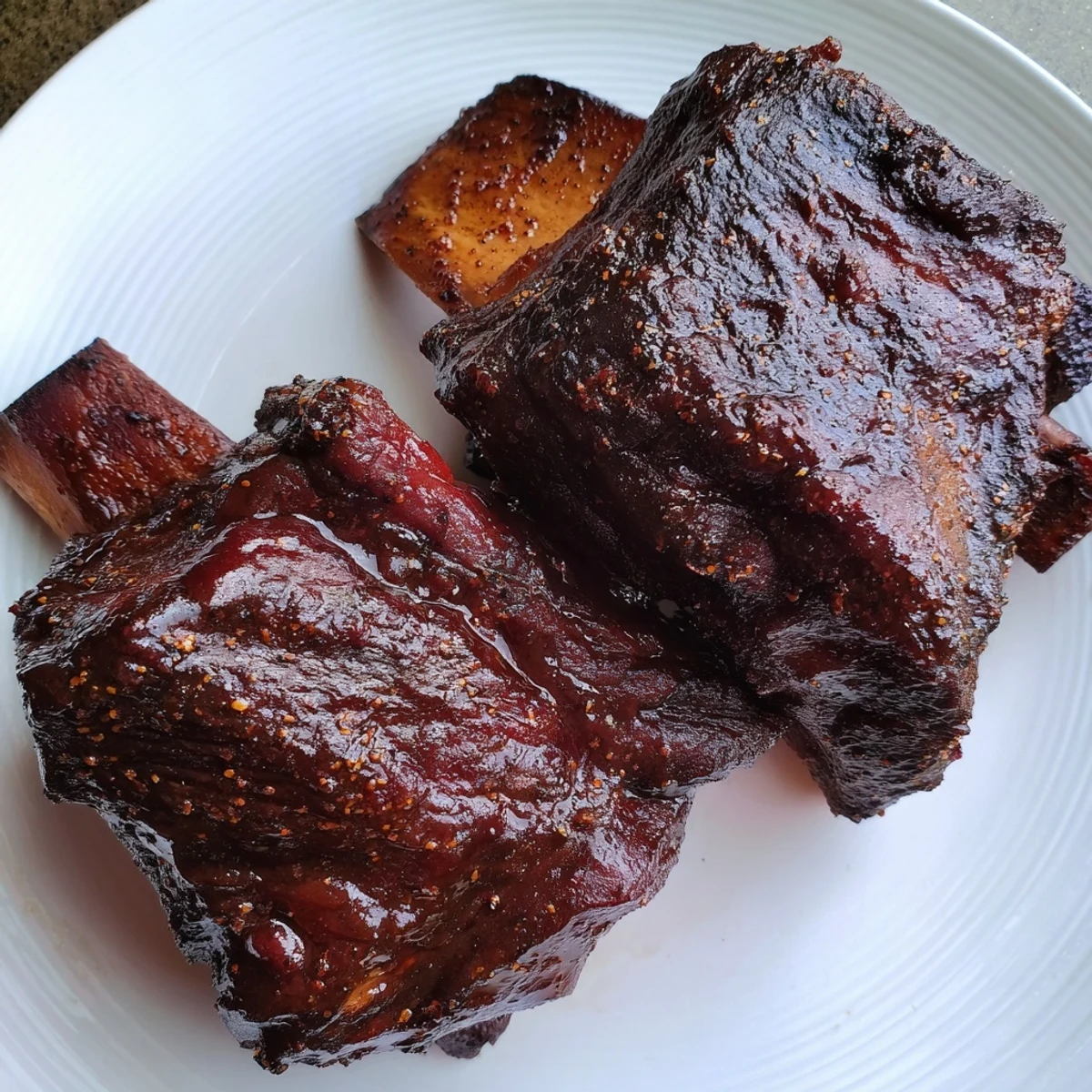
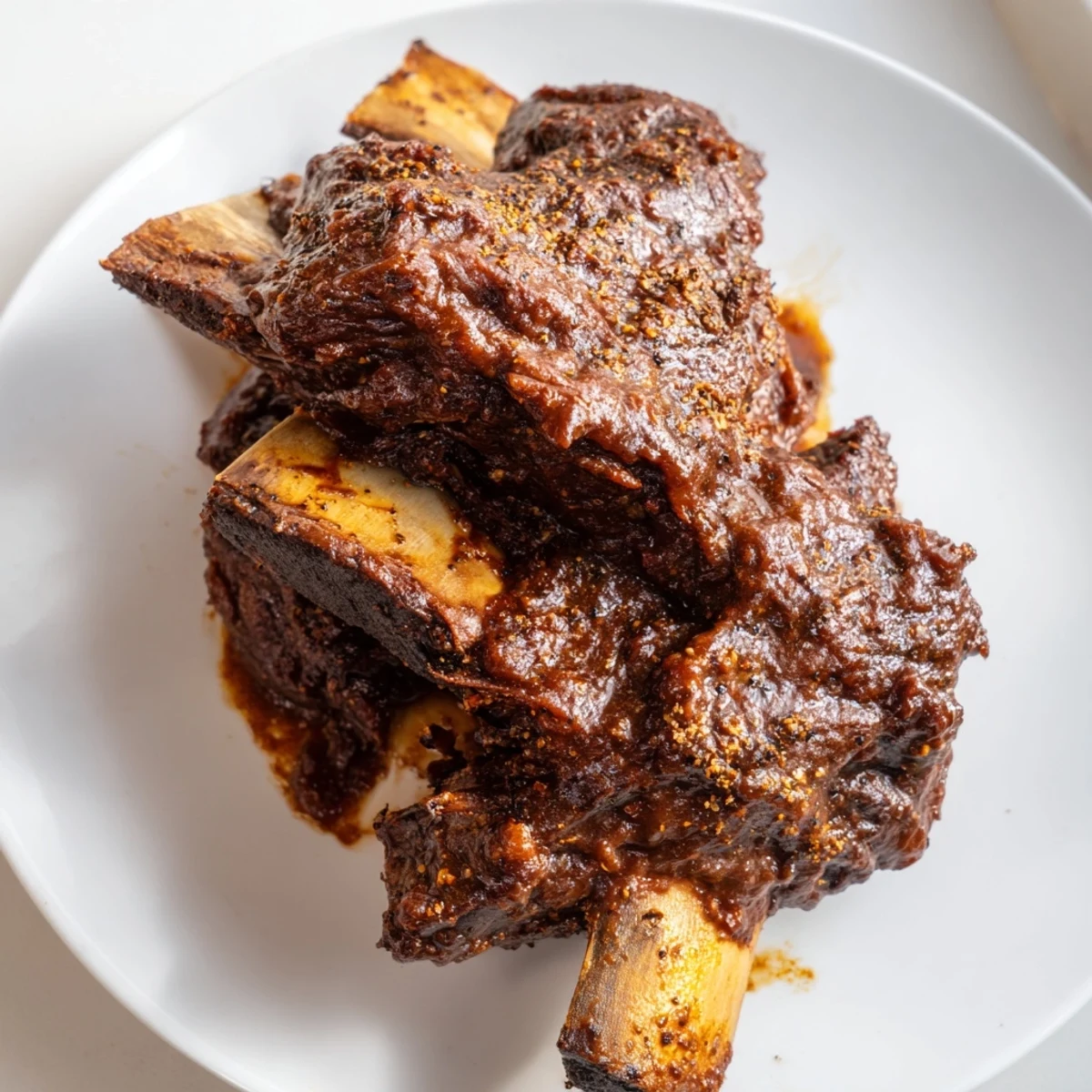
Save Slow-cooked beef ribs are seasoned with a flavorful dry rub and gently baked until tender. A rich smoky barbecue glaze is brushed on before finishing under high heat to create a sticky, caramelized coating. Perfectly suited for a satisfying main dish, this method emphasizes deep flavors and a tender texture. Resting the ribs before serving ensures juicy, succulent meat that's ideal for sharing.
My neighbor Mike knocked on my door one Sunday morning holding a rack of beef short ribs and a challenge: make them better than his usual grill routine. I had never slow-cooked ribs in the oven before, but the idea of three uninterrupted hours of tenderness sounded too good to pass up. The house smelled like a smokehouse by noon, and when I pulled back that foil, the meat was so soft it barely clung to the bone.
I made these for a small backyard dinner in late September, when the air was just starting to cool but we still wanted that barbecue feeling. My friend Sarah, who never eats seconds, went back for another rib. My brother scraped the pan for the last bits of glaze. It was one of those nights where the food became the conversation, and no one wanted to leave the table.
Ingredients
- Beef short ribs: Look for thick, meaty ribs with good marbling, the fat renders down and bastes the meat from the inside.
- Kosher salt: Coarse salt sticks better to the surface and seasons more evenly than table salt.
- Smoked paprika: This is what gives you that campfire flavor without lighting a single coal.
- Garlic powder and onion powder: They dissolve into the meat during the slow cook, building a savory base.
- Dried thyme: Adds a subtle earthiness that balances the sweetness of the glaze.
- Cayenne pepper: Optional, but a pinch brings warmth without overwhelming the smoke.
- Barbecue sauce: Use your favorite, just check the label if you need it gluten-free.
- Apple cider vinegar: Cuts through the richness and brightens the glaze.
- Honey or brown sugar: Helps the glaze caramelize and adds a gentle sweetness.
- Worcestershire sauce: Deepens the umami, check for gluten and anchovies if needed.
- Beef broth: Keeps the ribs moist and creates a flavorful steam bath in the pan.
Instructions
- Preheat and prep your rub:
- Set your oven to 150°C (300°F) and give it time to heat evenly. Mix your dry rub in a small bowl, the spices should smell toasty and warm when you stir them together.
- Season the ribs:
- Pat the ribs completely dry so the rub sticks, then press the spice mix into every curve and crevice. Don't be shy, this is where the flavor starts.
- Set up for slow cooking:
- Lay the ribs bone side down in a roasting pan and pour the broth around them, not over. Cover tightly with foil, you want to trap all that steam.
- Slow roast until tender:
- Bake for 2.5 hours without peeking. When you finally lift the foil, the meat should be pulling away from the bone and the broth will have reduced into a rich, beefy base.
- Make the glaze:
- While the ribs cook, whisk together the barbecue sauce, vinegar, honey, and Worcestershire. Taste it, it should be tangy, sweet, and bold.
- Glaze and finish:
- Brush the ribs generously with glaze, then crank the oven to 220°C (425°F) or turn on the broiler. Roast uncovered for 15 to 20 minutes, basting halfway, until the glaze is sticky and starting to char at the edges.
- Rest and serve:
- Let the ribs sit for 10 minutes so the juices settle back into the meat. Cut between the bones and watch them fall apart on the plate.
 Save
Save The first time I served these, my dad ate three ribs in silence, then looked up and said they reminded him of a barbecue joint he used to go to in Texas. He had never told me that story before. Food has a way of pulling memories to the surface, especially when it is this good.
How to Choose the Best Ribs
Ask your butcher for bone-in short ribs with at least an inch of meat above the bone. Avoid ribs that look dry or have too much exposed bone, you want marbling and a deep red color. If they are vacuum-sealed, check the date and make sure there is no excess liquid in the package, that can mean they have been frozen and thawed.
Make-Ahead and Storage Tips
You can season and refrigerate the ribs up to a day ahead, the rub will deepen overnight. After cooking, let them cool completely, then wrap tightly and refrigerate for up to three days. To reheat, brush with extra glaze and broil until warmed through and sticky again, they taste just as good the second time.
Serving Suggestions and Pairings
These ribs shine alongside tangy coleslaw, buttery cornbread, or roasted sweet potatoes. A crisp green salad with a sharp vinaigrette cuts through the richness beautifully. For drinks, try iced tea, a cold beer, or even a bold red wine if you are feeling fancy.
- Serve with pickles or pickled onions for a bright, acidic contrast.
- Drizzle any leftover pan juices over mashed potatoes or rice.
- Pair with grilled or charred vegetables for a smoky, summery spread.
 Save
Save These ribs have become my go-to when I want to impress without stressing. The oven does most of the work, and you get all the credit.
Recipe Questions & Answers
- → How long should beef ribs be cooked for tenderness?
-
Beef ribs benefit from slow cooking at low temperatures, usually around 2.5 to 3 hours, allowing the meat to become tender and juicy.
- → What is the purpose of the dry rub on beef ribs?
-
The dry rub adds layers of flavor, enhancing the meat with spices like smoked paprika, garlic powder, and thyme before slow cooking.
- → Why is the barbecue glaze applied after slow cooking?
-
Applying the glaze after slow cooking and finishing with higher heat caramelizes the sugars, creating a sticky, flavorful crust on the ribs.
- → Can I prepare the ribs ahead of time?
-
Yes, ribs can be cooked in advance, chilled, and then reheated under a broiler to refresh the glaze and texture before serving.
- → What side dishes complement these beef ribs?
-
Classic sides like coleslaw, roasted potatoes, or cornbread pair well, balancing the rich, smoky flavors of the ribs.