
 Save
Save This creamy soup combines roasted parsnips and ripe pears, cooked to tender perfection with aromatic spices. Blended smooth and finished with a touch of cream, it offers a subtle sweetness balanced by toasted walnut crunch and fresh herbs. Ideal for a cozy evening or a refined starter, the dish is easy to prepare and suits vegetarian and gluten-free preferences. Variations include dairy-free options using coconut cream and butter substitutes. Pairing suggestions include crisp white wines and crusty bread for an elegant touch.
There's something almost magical about the way parsnips transform when they roast—they become this buttery, caramelized sweetness that feels like autumn in a spoon. I discovered this soup by accident, really, when I had a glut of pears from a farmers market haul and a bag of parsnips that needed rescuing. The first time I blended them together with cream, the color alone made me pause—this gorgeous cream-and-honeycomb hue that promised something both elegant and deeply comforting.
My partner once described eating this as 'like someone made soup out of a gentle sigh,' which I've never quite recovered from. I've made it for friends on cold January nights when everyone needed something warm but not heavy, and it always gets eaten before anyone realizes the bowl is empty. There's something about the sweetness of pear meeting the earthiness of parsnip that just works—it doesn't shout, it whispers.
Ingredients
- Parsnips (500g, peeled and chopped): Buy the smallest ones you can find—they're sweeter and cook faster. You'll want them roughly bite-sized so they break down evenly into the cream.
- Ripe pears (2, peeled, cored, and chopped): This is where you can't compromise—mealy pears won't give you that honeyed depth. If they're not fragrant, they won't be sweet enough.
- Yellow onion (1 medium, chopped): Don't skip this; it builds the base flavor everything else sits on.
- Garlic (2 cloves, minced): Just enough to add savory notes without overwhelming the delicate fruit-and-root situation happening here.
- Vegetable broth (750ml): Use good broth—the cheap stuff tastes like sadness, and you'll taste it here.
- Heavy cream (120ml, or unsweetened coconut cream for dairy-free): This is your silkiness. Don't use half-and-half and expect miracles.
- Unsalted butter (2 tbsp): Melts into the vegetables and builds that rich foundation for everything else.
- Ground nutmeg (1/2 tsp): A whisper of warmth—nutmeg is friends with pears in a way that feels inevitable.
- Ground white pepper (1/2 tsp): Finer than black pepper, it dissolves invisibly and adds gentle heat.
- Sea salt (1/2 tsp, plus more to taste): Taste as you go; the sweetness of the pears means you might need more than you'd expect.
- Walnuts (50g, roughly chopped and lightly toasted): Toasting them is non-negotiable—it wakes up their nutty flavor and keeps them crisp against the cream.
- Fresh chives or parsley (1 tbsp, chopped, optional but encouraged): The green at the end makes it look alive and adds a sharp note to balance the sweetness.
Instructions
- Start with the foundations:
- Melt butter over medium heat and add your chopped onion and garlic. You're listening for a gentle sizzle and waiting for the onions to turn translucent—about three to four minutes. The kitchen should smell sweet and garlicky, not burnt or rushed.
- Introduce the vegetables:
- Add your parsnips and pears directly in. Stir them through the butter and let them cook for five minutes, just long enough for them to start softening at the edges. This step builds flavor through slight caramelization.
- Season before the broth:
- Sprinkle in your nutmeg, white pepper, and salt. Stir it through so everything is coated—you're waking up the spices before the liquid hits, which makes them bloom better.
- Build the broth base:
- Pour in your vegetable broth and bring everything to a boil. Once it's bubbling, reduce the heat immediately to a gentle simmer, cover with a lid, and let it cook for twenty to twenty-five minutes until the parsnips are so tender they fall apart at the touch of a spoon.
- Blend into silk:
- This is where the magic happens. Remove the pot from heat and use an immersion blender to purée everything until it's smooth and creamy. Work in batches if using a countertop blender, and be careful—hot soup splatters.
- Finish with cream:
- Stir in your heavy cream gently, tasting as you go. The soup might need another pinch of salt or a tiny crack of pepper to balance the sweetness.
- Serve and crown:
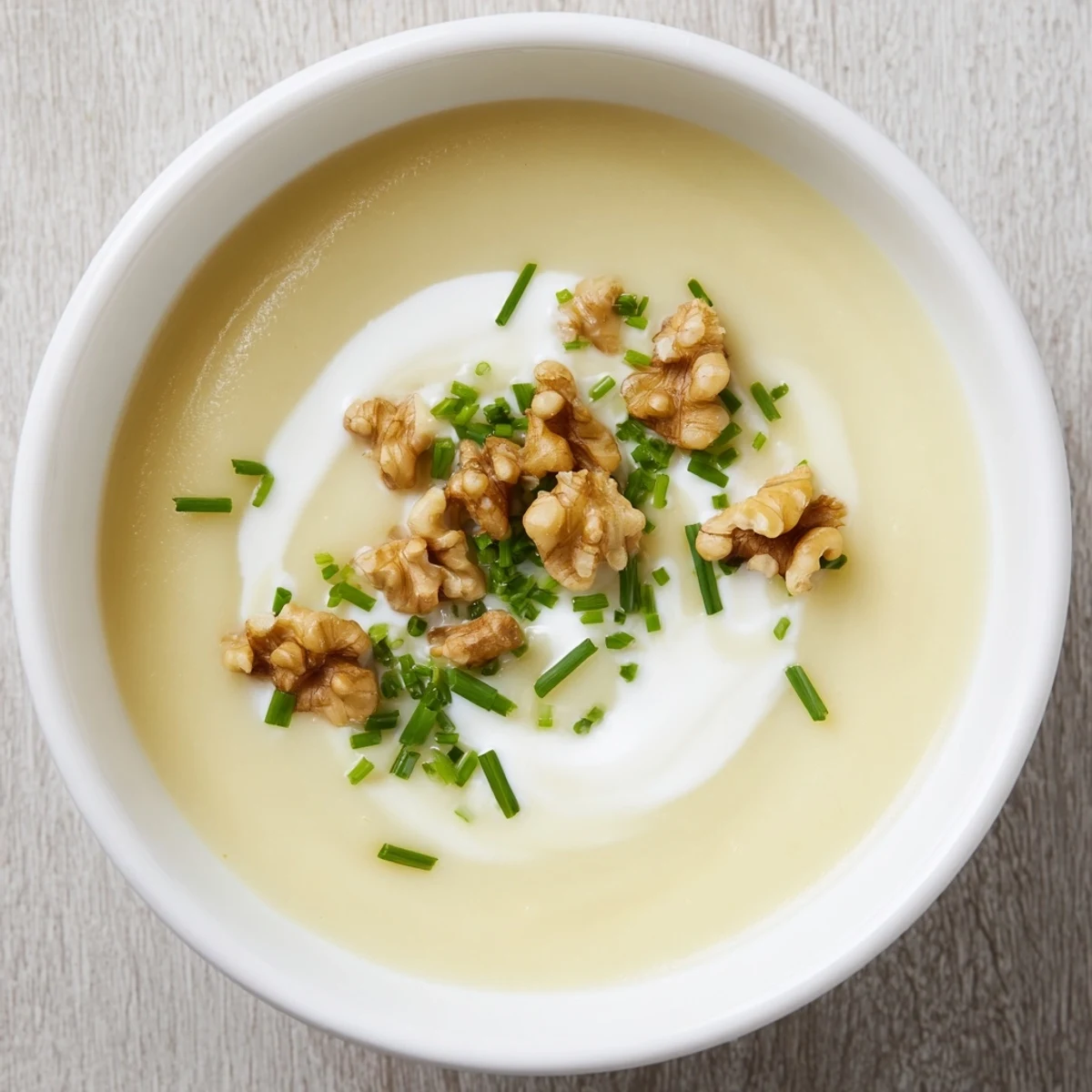
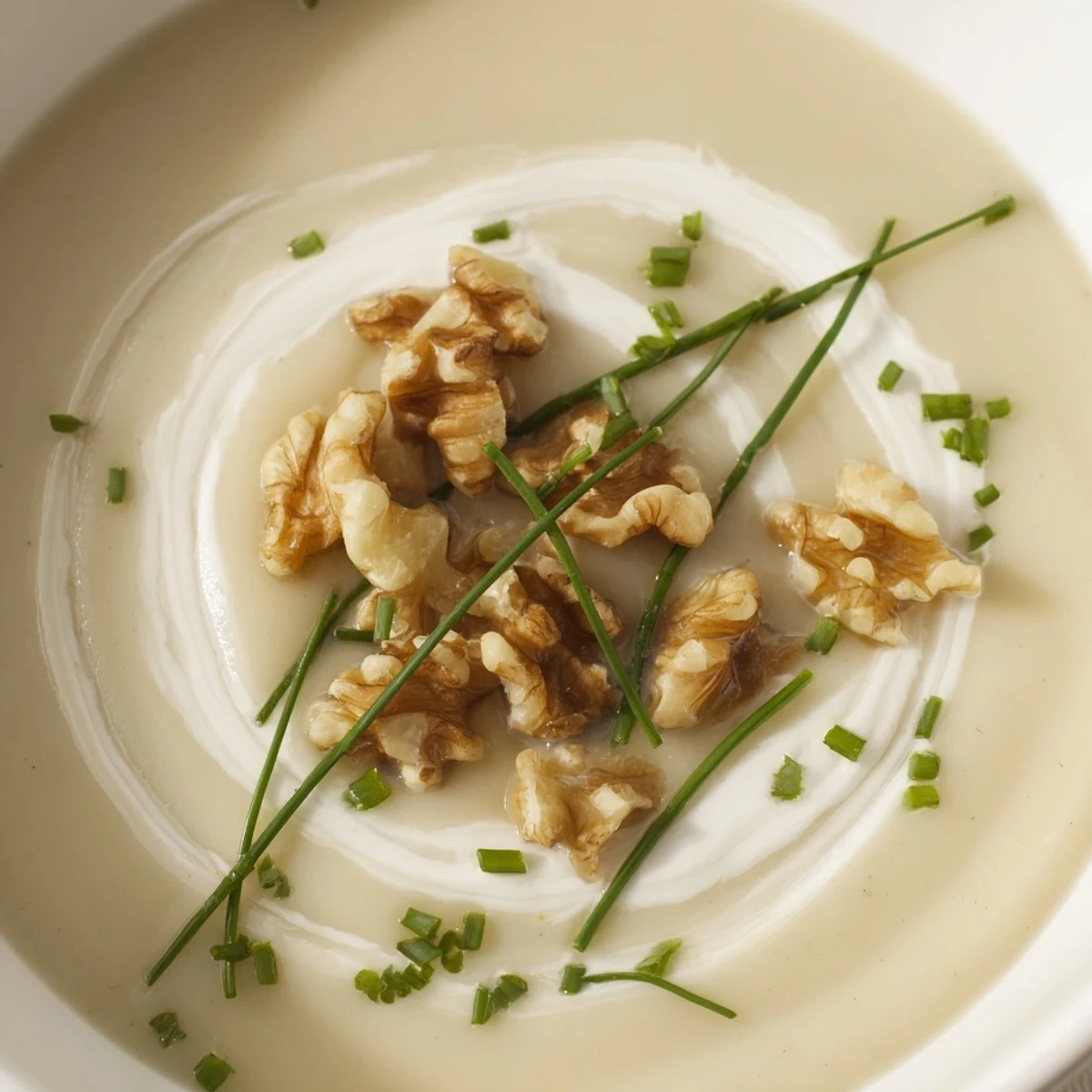
- Ladle the soup into warm bowls and scatter your toasted walnuts across the top, followed by a sprinkle of fresh herbs. A drizzle of walnut oil looks gorgeous if you have it.
 Save
Save The first time someone told me this soup tasted 'elegant,' I was genuinely surprised, because in my head it was just me rescuing vegetables and pears from the crisper drawer. But that's when I realized that simple, honest cooking—the kind where you're not trying to impress, just trying to make something good—somehow always ends up being the stuff that stays with people.
Why This Soup Works
The sweetness of roasted pear plays beautifully against the earthy, slightly mineral flavor of parsnip, and when you blend them together with cream, you get something that feels both refined and deeply comforting. The spices—nutmeg and white pepper—don't announce themselves; they work quietly in the background, making everything taste more like itself. And the walnuts do the heavy lifting in texture, giving you that satisfying crunch that makes you feel like you're actually eating something substantial.
Making It Your Own
This is the kind of soup that invites tinkering. A tiny grating of fresh ginger adds warmth if you're feeling adventurous, and some people swear by a squeeze of lemon juice at the end to brighten everything up. You could toast your walnuts with a pinch of cinnamon or smoked salt to make them more interesting, or swap in toasted hazelnuts if that's what you have.
Serving and Pairing Ideas
Serve this soup in shallow bowls so you can really admire the color and the walnut scatter doesn't sink immediately into oblivion. A thick slice of crusty bread and a generous knob of good butter on the side is all you really need, though a drizzle of walnut oil feels luxurious if you're in that mood. If you're pairing wine, a dry Riesling or Chardonnay is your friend—something with enough acidity to cut through the cream and enough fruit to echo the pears.
- Make it vegan by swapping the butter for olive oil and the cream for unsweetened coconut cream, and nobody will know the difference.
- This soup freezes beautifully for up to three months, though add the cream and walnuts fresh after reheating.
- Leftover soup tastes even better the next day, after the flavors have spent the night getting to know each other.
 Save
Save This soup taught me that the best recipes are the ones that come from a place of 'I had these things on hand and I wanted something good,' not the ones you're trying too hard to impress with. It's the kind of meal that makes people feel taken care of without making you feel like you've done anything special.
Recipe Questions & Answers
- → What is the best way to prepare the parsnips for this dish?
-
Peel and chop the parsnips evenly to ensure they cook uniformly and become tender for smooth blending.
- → Can I substitute heavy cream with a non-dairy alternative?
-
Yes, unsweetened coconut cream works well to maintain creaminess while keeping it dairy-free.
- → How do toasted walnuts enhance the flavor?
-
Toasted walnuts add a crunchy texture and a warm, nutty depth that complements the soup's sweetness.
- → Are there any suggested herbs for garnish?
-
Fresh chives or parsley add a bright, fresh note that balances the rich and creamy base.
- → What spices bring out the best flavors in this dish?
-
Ground nutmeg and white pepper offer subtle warmth and spice without overpowering the natural sweetness.