
 Save
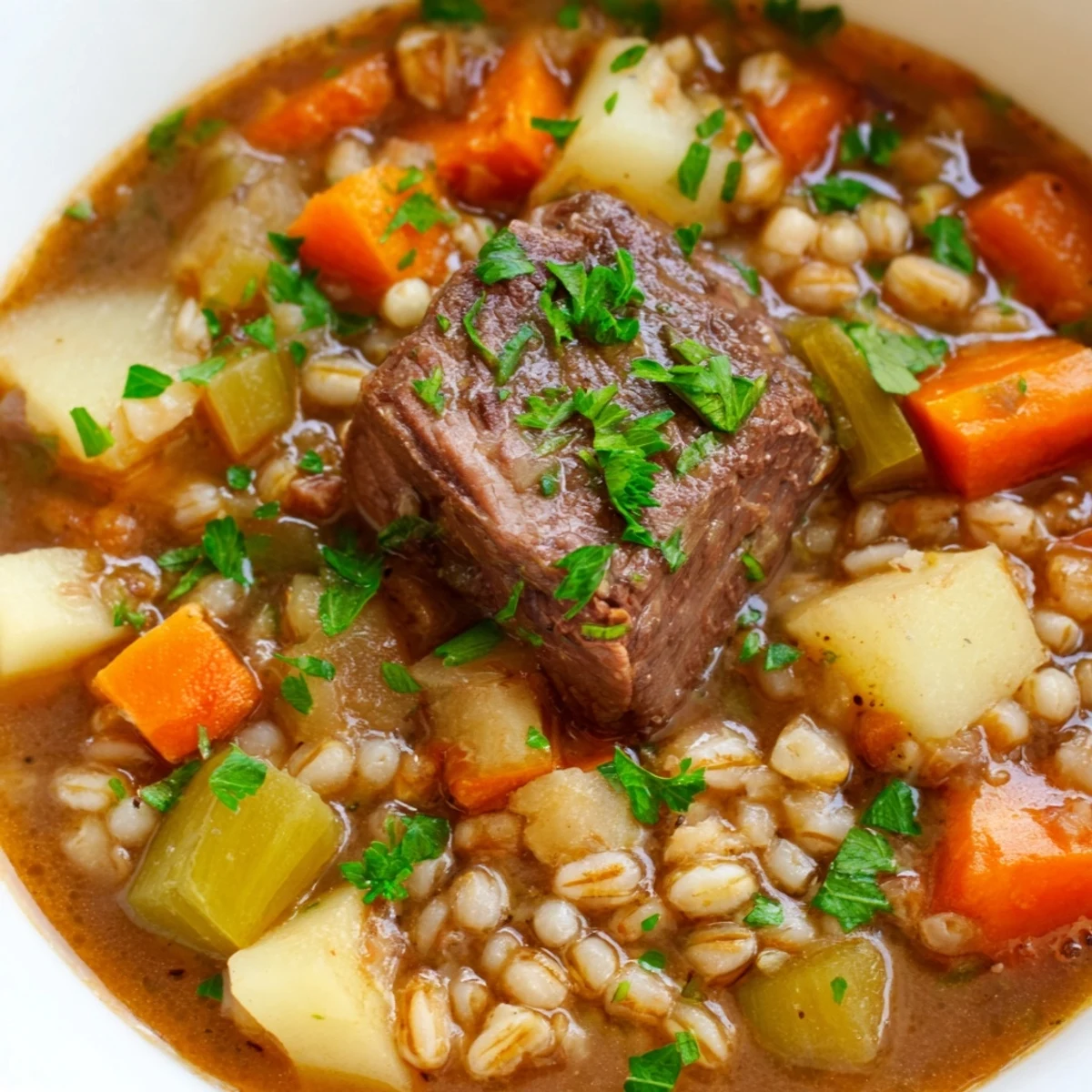
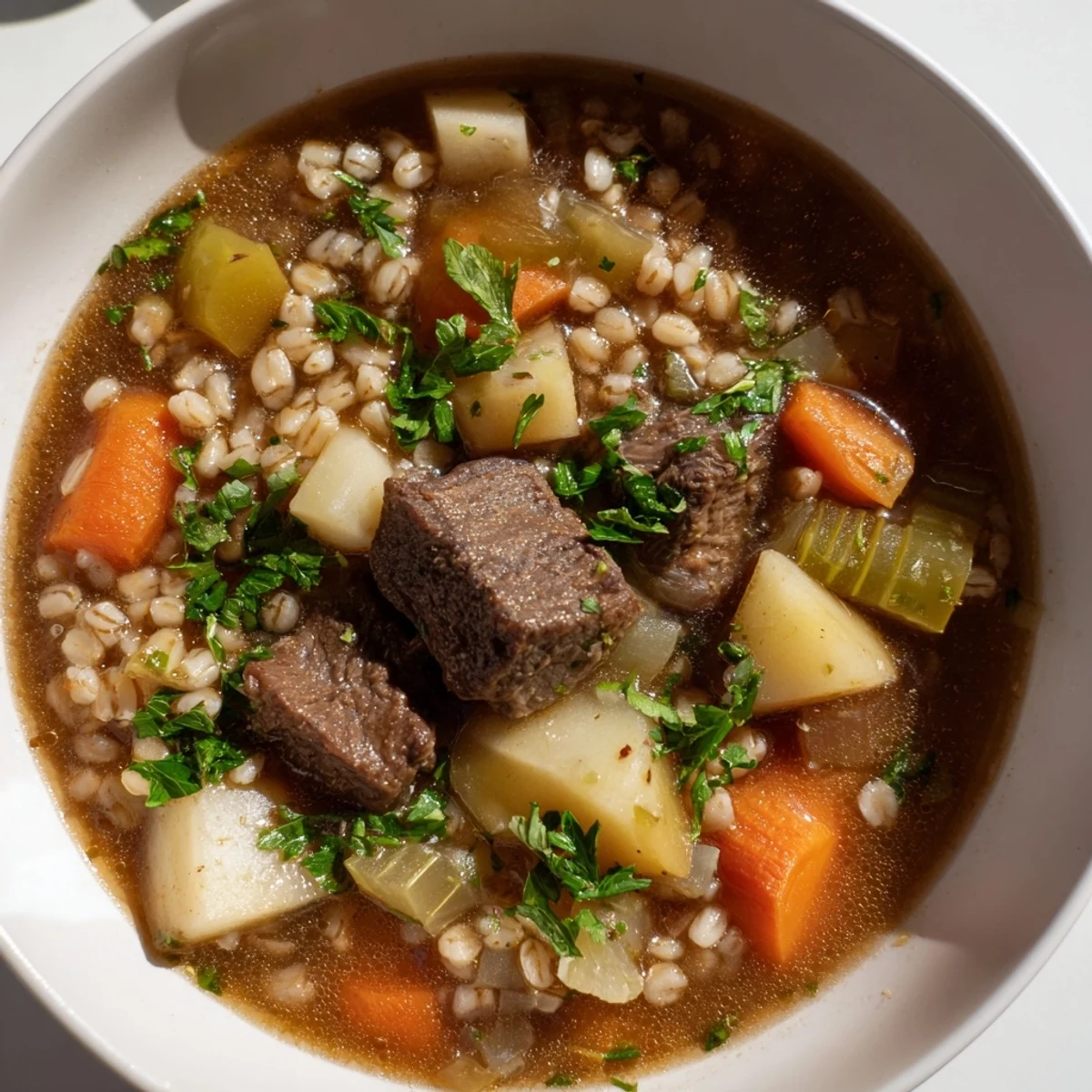
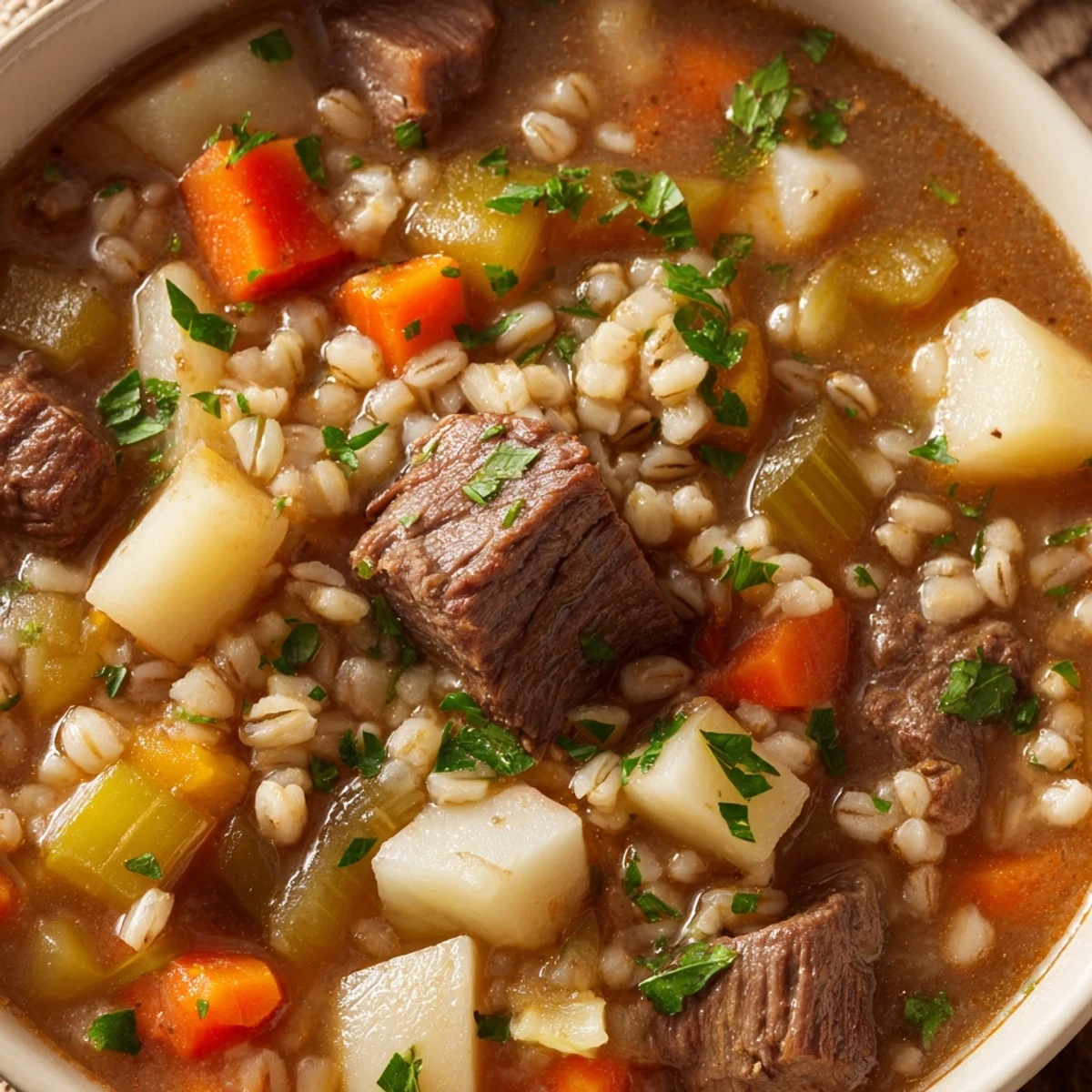
Save This hearty stew features tender cubes of beef slowly simmered with pearl barley and a medley of root vegetables including carrots, parsnips, celery, potatoes, and turnip. Aromatic herbs like thyme and rosemary enrich the broth, while tomato paste adds a gentle depth. The slow cooking develops robust flavors perfect for warming chilly days. Garnished with fresh parsley, it’s a nourishing and satisfying dish that balances protein, grains, and earthy vegetables for a wholesome meal.
There's something about the smell of beef browning in a hot pot that stops me mid-conversation every single time. Years ago, my neighbor brought over a pot of this stew on a particularly gray November afternoon, and I watched the steam rise while she ladled it into bowls like she was sharing something sacred. That first spoonful—tender beef, the earthy sweetness of barley, root vegetables that had surrendered completely to the heat—I understood immediately why this dish had made its way through generations of home kitchens.
I made this for my coworkers during a particularly brutal winter project, and the way they gathered around that pot said everything. One colleague asked for the recipe before finishing his bowl, and another admitted that his mother used to make something similar. There's a quiet magic in food that connects people across different childhoods and kitchens.
Ingredients
- Beef chuck, cut into 1-inch cubes (2 lbs): Chuck is forgiving and becomes incredibly tender after two hours of gentle simmering, which is exactly what you want here.
- Olive oil (2 tbsp): High heat is crucial for browning, so don't skip this step or use a substitute that smokes easily.
- Onion, diced (1 large): This builds the flavor foundation; don't rush the softening step or you'll miss out on the sweetness.
- Garlic, minced (3 cloves): Fresh garlic is non-negotiable, and adding it right after the onion prevents it from burning.
- Carrots, sliced (3 medium): They soften into the stew while keeping their subtle sweetness intact.
- Parsnips, chopped (2 medium): If you've never used parsnips, this stew will convert you; they add a mild, nutty depth that's completely different from carrots alone.
- Celery stalks, chopped (2 stalks): This might seem like a supporting ingredient, but it's essential for building a proper flavor base.
- Potatoes, cubed (2 medium): Waxy varieties hold their shape better than floury ones, so reach for red or Yukon gold if you have them.
- Turnip, diced (1 medium): Turnips can taste bitter if overcooked, but in a long stew, they mellow into something quietly earthy.
- Pearl barley, rinsed (3/4 cup): Rinsing removes excess starch, and the nutty texture it adds is worth the extra step.
- Beef broth (6 cups): Low sodium is genuinely better here because you're in control of the final salt level.
- Water (1 cup): This dilutes the broth slightly so flavors can develop without becoming too intense.
- Tomato paste (2 tbsp): A small amount adds umami and subtle acidity without making the stew taste like tomato.
- Dried thyme and rosemary (1 tsp each): Both hold their flavor through long cooking better than fresh herbs would.
- Bay leaves (2): Remove them before serving, but don't skip them; they add a quiet herbal note that's hard to pinpoint but impossible to miss.
- Black pepper (1/2 tsp) and salt (to taste): Salt at the end means you can taste as you go, adjusting to your preference.
- Fresh parsley, chopped (2 tbsp optional): A sprinkle of green brings brightness and freshness to what is otherwise a deeply warm, brown dish.
Instructions
- Brown the beef properly:
- Heat your oil until it shimmers, then add beef in a single layer, working in batches so the pan doesn't overcrowd. You'll hear a satisfying sizzle, and after 2-3 minutes per side, each cube should have a dark, caramelized crust. This isn't just about looks; this is where the stew's richness begins.
- Build the flavor base:
- Once the beef is out of the way, add diced onion to the same pot and let it soften for exactly 3 minutes, scraping up all those brown bits stuck to the bottom. Add minced garlic, stir constantly for just 1 minute, then add the remaining vegetables. You're not cooking them through yet; you're just starting to wake them up.
- Create the aromatics:
- After 5 minutes of gentle stirring, your vegetables should look slightly tender but still have some texture. Return the beef to the pot and add tomato paste, the dried herbs, and bay leaves, stirring everything together so the paste coats each ingredient. This moment smells incredible, and that's how you know you're on the right track.
- Simmer the base:
- Pour in broth and water, bring everything to a full boil, then immediately lower the heat to the gentlest simmer. Cover the pot and resist the urge to peek too often; you want 1 full hour of undisturbed, quiet cooking. The beef will gradually soften, and the broth will deepen in color and flavor.
- Add the barley:
- After the first hour, stir in rinsed barley and continue simmering, covered, for another 45 minutes. The barley will absorb liquid and expand slightly, thickening the stew naturally without any flour or cornstarch. You'll know it's done when the beef shreds easily and the barley is tender with just a slight chew.
- Finish with intention:
- Fish out the bay leaves, taste the stew carefully, and season with salt until it tastes right to you. Some prefer a generous pinch; others like it quieter. Fresh parsley on top adds color and a subtle freshness that balances all the deep, earthy flavors.
 Save
Save The first time I made this for my partner after a long week, he took one spoonful and then just sat quietly with the bowl, not saying much. Sometimes the best meals are the ones that make people slow down and stop rushing, and this stew has that effect. There's comfort in a dish that asks nothing of you except patience while it cooks.
Storage and Reheating
This stew genuinely improves overnight as the flavors meld and deepen, so make it a day ahead if you can. Store it in an airtight container in the refrigerator for up to 4 days, and it also freezes beautifully for up to 3 months. Reheat gently on the stovetop over medium-low heat, adding a splash of broth if the stew has thickened too much, and taste again before serving because the salt level can shift slightly after time.
Variations Worth Trying
Once you've made this version a few times, you'll start noticing small adjustments that speak to your own tastes. A splash of red wine added with the broth deepens everything beautifully, or you can swap rutabaga for turnip if you prefer something sweeter. I've seen people add mushrooms, swap in sweet potato, or even include a splash of balsamic vinegar for complexity, and every variation still feels like home cooking.
Why This Stew Works Year-Round
Most people think of this as winter food, and it absolutely is, but I've served it chilled in summer and found it equally satisfying. The combination of protein, vegetables, and whole grains means it keeps you full without feeling heavy, and the flavors are structured enough that they don't fade with time. Root vegetables are increasingly available year-round at farmers markets, so if you're craving this stew on a warm evening, you can absolutely make it happen.
- Add a light salad with vinaigrette on the side to cut through the richness when serving in warmer months.
- A crusty bread for soaking up the broth is non-negotiable year-round.
- If you're making this for a crowd, it doubles easily and actually tastes even better when you double the recipe.
 Save
Save This stew is the kind of dish that becomes a thread connecting you to the people you cook it for and the cooks who inspired you. Every time you make it, you're adding your own small moments to its story.
Recipe Questions & Answers
- → What cut of beef is best for this stew?
-
Beef chuck is ideal due to its marbling and tenderness after slow cooking, making the stew rich and flavorful.
- → Can other grains replace barley?
-
Yes, pearl barley provides a nutty texture but you can substitute with farro or brown rice for variation.
- → How do root vegetables affect the stew?
-
Root vegetables add natural sweetness and earthy depth, balancing the savory beef and herbs.
- → Is it necessary to brown the beef first?
-
Browning enhances the stew's flavor by creating a caramelized crust, adding complexity to the broth.
- → Can this stew be prepared ahead of time?
-
Yes, flavors deepen after resting overnight, making it ideal for meal prep and reheating.