
 Save
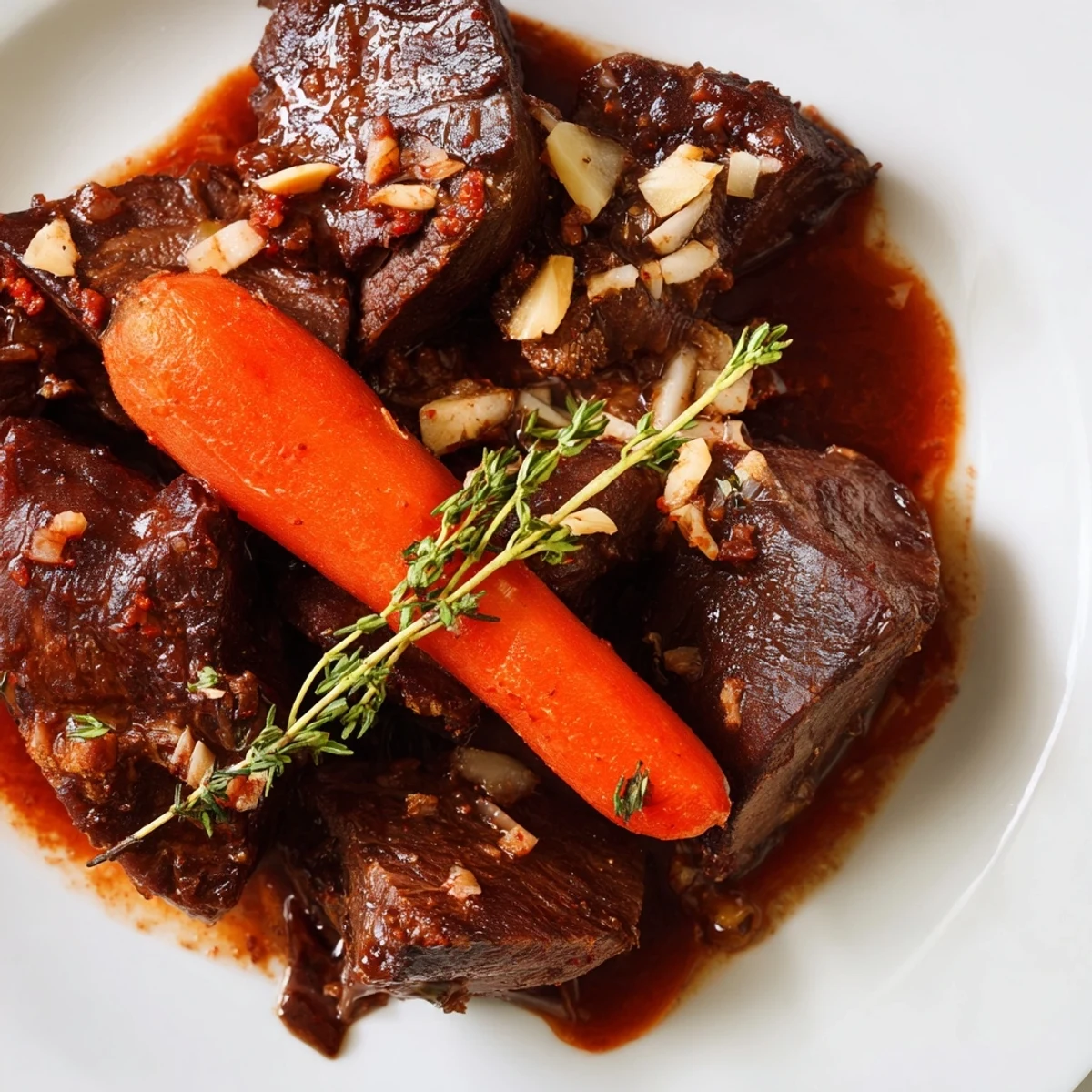
Save This dish features beef shin slowly cooked in olive oil, red wine, and beef stock until fork-tender. Carrots, onions, celery, and garlic add natural sweetness and depth, complemented by fresh thyme and bay leaves for an earthy aroma. The long, slow cooking process creates a rich sauce perfect for pairing with creamy sides like mashed potatoes or polenta. Ideal for a comforting family meal with robust flavors and tender textures.
There's something about the smell of beef shin simmering low and slow that makes you want to linger in the kitchen. My neighbor brought over a bottle of wine one cold evening and mentioned she'd been making this exact stew for decades—nothing fancy, just honest cooking. I watched her brown the meat that night, listened to it sizzle, and understood why she kept coming back to it. That's when I realized this dish wasn't about impressing anyone; it was about comfort so deep it feels like home.
I made this for a dinner party on a rainy Saturday when everyone arrived skeptical—slow cooker food seemed too casual for a proper meal. By the time we sat down three hours later, the kitchen smelled so incredible that conversation stopped the moment we started eating. One guest asked for the recipe before dessert, which tells you everything you need to know.
Ingredients
- Beef shin (1.2 kg, cut into large chunks): This cut has connective tissue that transforms into silky gelatin during long cooking, creating natural body in the sauce without any tricks.
- Olive oil (2 tbsp): High heat is your friend here for browning—use something sturdy, not your expensive finishing oil.
- Carrots (3 large, cut thick): Cut them chunky so they hold their shape through hours of cooking instead of dissolving into the sauce.
- Onions (2 medium, chopped) and celery (2 stalks, chopped): These build the foundation—don't skip them or rush their sautéing.
- Garlic (3 cloves, minced): Add it after the harder vegetables start softening so it doesn't burn and turn bitter.
- Beef stock (400 ml, gluten-free if needed): Use proper stock, not bouillon—the flavor matters more than you'd think.
- Dry red wine (200 ml): Something you'd actually drink, not the cooking wine that tastes like regret.
- Fresh thyme (6 sprigs or 2 tsp dried): Fresh thyme releases its oils gradually, creating layers of flavor as it braises.
- Bay leaves (2) and salt and pepper: Bay leaves are subtle but essential; remove them before serving or they can taste oddly strong.
Instructions
- Heat your pot and plan ahead:
- Preheat your oven to 150°C (300°F) or set your slow cooker to low. Using an ovenproof casserole gives you control; a slow cooker gives you freedom.
- Brown the meat properly:
- Get your oil shimmering and hot, then brown the beef in batches—don't crowd the pan or it'll steam instead of sear. You're building flavor through color.
- Build the base:
- In the same pot, sauté onions, carrots, celery, and garlic for about 5 minutes until they're softening at the edges. This is where the foundation of your sauce develops.
- Deglaze and assemble:
- Return the beef to the pan, pour in the wine, and let it bubble for a couple of minutes—this cuts through the richness. Add stock, thyme, and bay leaves, then bring to a gentle simmer.
- Let time do the work:
- Cover and either transfer to the oven for 3 to 3½ hours or the slow cooker for 7 to 8 hours on low. The beef is ready when it falls apart at the gentlest pressure.
- Finish and serve:
- Fish out the thyme sprigs and bay leaves, taste, and adjust seasoning. Serve hot with mashed potatoes, crusty bread, or creamy polenta.
 Save
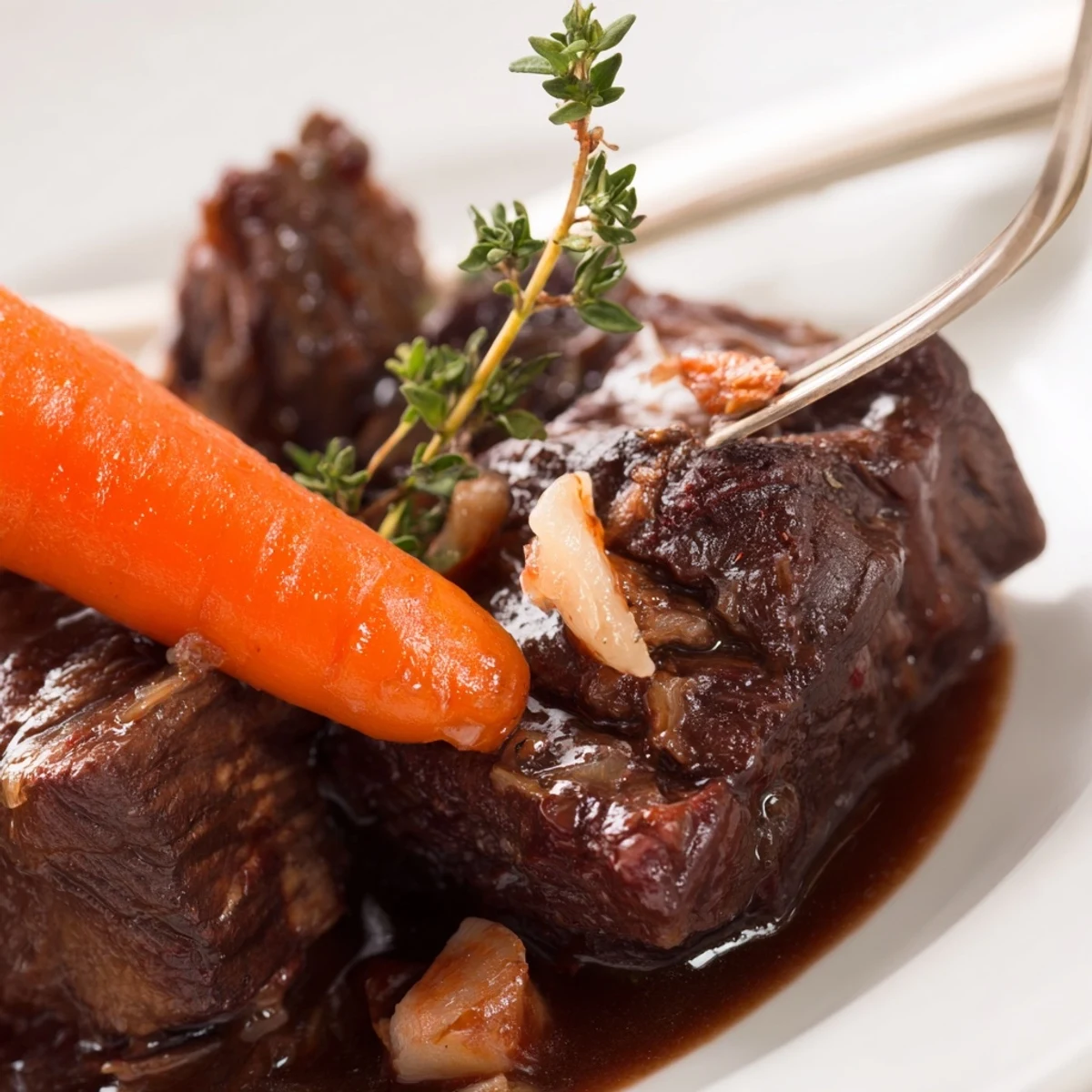
Save There's a moment, usually around hour two, when your kitchen fills with the smell of wine and thyme so completely that everything else fades away. That's when you know this dish has moved beyond recipe territory into something more meaningful—it's become an act of care.
Choosing Your Cut
Beef shin might look intimidating at first—it's not a premium steak or a familiar roast. But this cut contains exactly what slow cooking loves: collagen and connective tissue that melt into the liquid and create a sauce with natural body and richness. Other braising cuts like chuck or brisket work too, though shin has a slightly sweeter, more tender result that rewards the patience.
The Wine Question
The red wine isn't decoration or an attempt at sophistication—it adds acidity that balances the richness of the beef and keeps the sauce from tasting heavy. A Malbec or Syrah works beautifully because they have the backbone to stand up to hours of cooking. The alcohol cooks off, but the flavor stays behind like an invisible hand stirring the pot.
Making It Your Own
This recipe is flexible because it's built on solid fundamentals, not rigid rules. Some cooks add mushrooms, others swap parsnips or turnips for some of the carrots. I've seen versions with pearl onions left whole and versions that finish with a touch of mustard.
- For a thicker sauce, uncover the pot in the last 30 minutes of oven cooking to let liquid reduce naturally.
- If you prefer a more delicate flavor, use white wine and chicken or vegetable stock instead, though the result will be lighter.
- Leftovers are actually better the next day after flavors have fully settled—refrigerate and gently reheat to bring everything together.
 Save
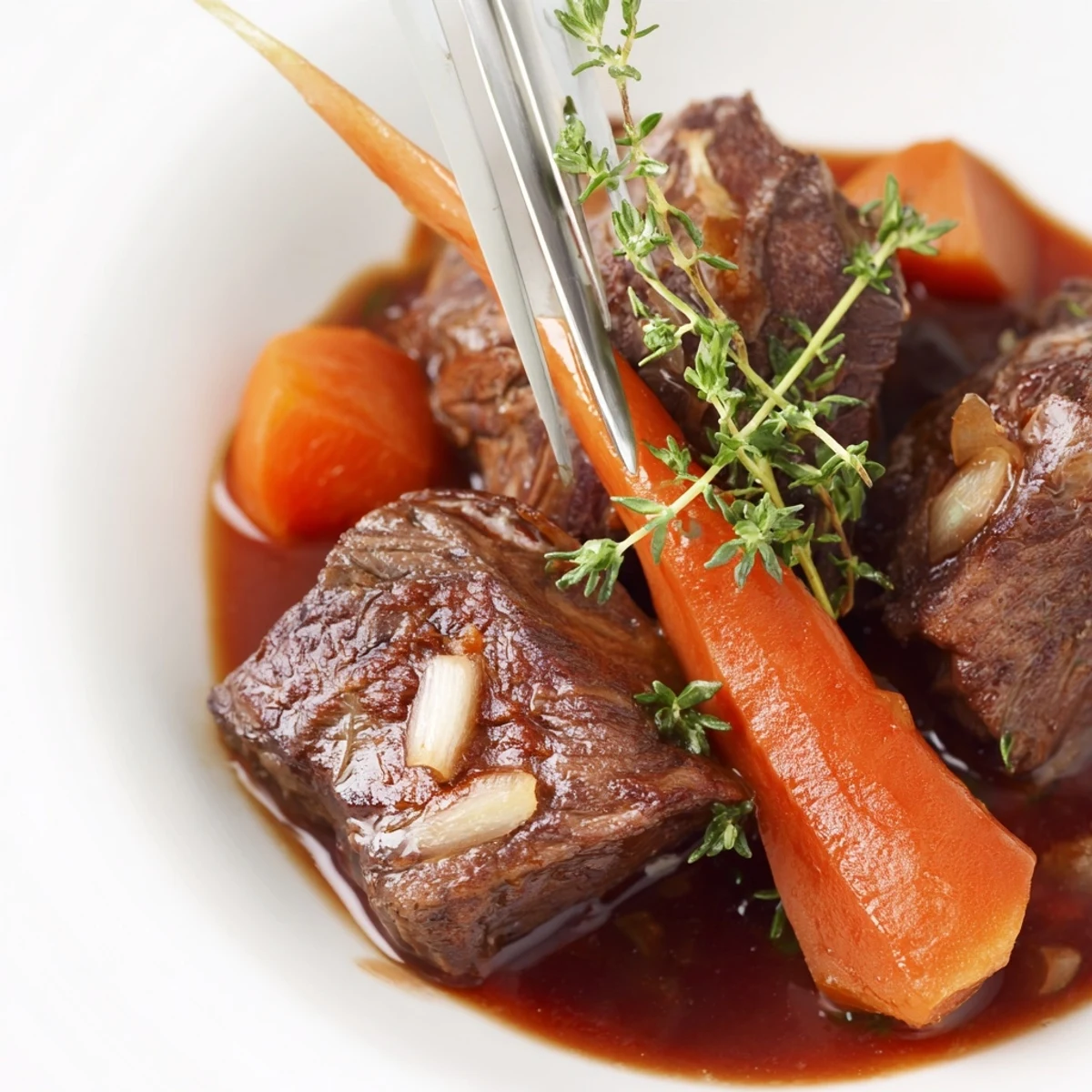
Save This dish reminds us that the best cooking doesn't require speed or complexity—just patience, decent ingredients, and willingness to let time work its magic. Once you've made it once, you'll keep coming back.
Recipe Questions & Answers
- → What cut of beef works best?
-
Beef shin is ideal due to its marbling and connective tissue, which break down during slow cooking to create tender, flavorful meat.
- → Can I use dried thyme instead of fresh?
-
Yes, dried thyme can be used; use about 2 teaspoons to match the flavor intensity of fresh sprigs.
- → How can I thicken the cooking liquid?
-
Simmer uncovered in the last 30 minutes or stir in a cornstarch slurry to achieve a thicker sauce.
- → What side dishes complement this dish?
-
Mashed potatoes, creamy polenta, or crusty bread pair wonderfully with the rich sauce and tender beef.
- → Can I make this dish gluten-free?
-
Yes, ensure the beef stock is gluten-free and use fresh ingredients to maintain a gluten-free meal.